
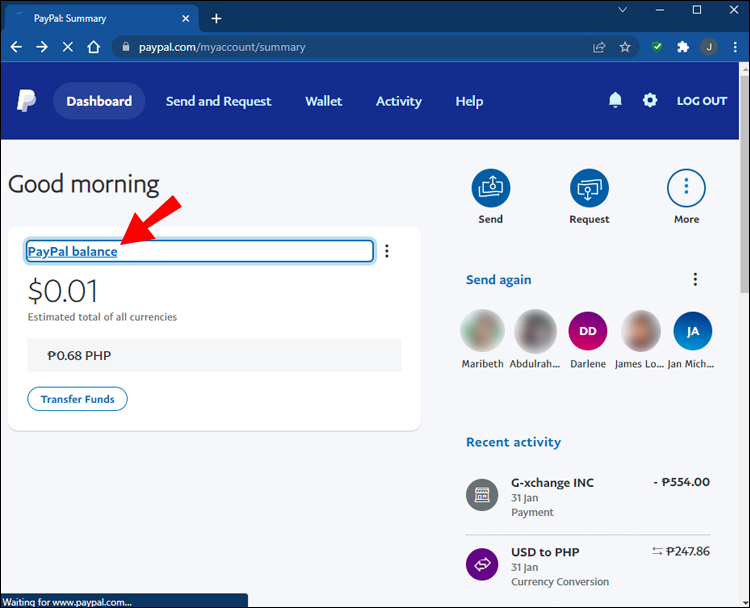
In the modern era of digital finance, our economic lives are spread across a vast array of platforms, applications, and virtual wallets. As the pioneer of online payment systems, PayPal has been a cornerstone of the internet economy for over two decades. Because of its longevity and widespread integration into e-commerce, it is surprisingly common for individuals to have created an account years—or even a decade—ago and subsequently lost track of it. Identifying whether you have an existing PayPal account is not merely a matter of curiosity; it is a vital step in maintaining proper digital financial hygiene, protecting your personal data, and ensuring that no unclaimed funds are sitting idle in the digital ether.
The Evolution of Digital Wallets and the Problem of Account Proliferation
The shift from traditional banking to a fintech-driven economy has provided consumers with unprecedented convenience, but it has also led to “account bloat.” In the early 2000s, as eBay became a global phenomenon, millions of users signed up for PayPal to facilitate secure peer-to-peer transactions. Since then, the platform has evolved from a simple checkout button into a comprehensive financial tool offering credit lines, cryptocurrency trading, and business invoicing.
The Rise of the Fintech Ecosystem
As we transitioned from the desktop era to the mobile-first world, the number of financial touchpoints for the average consumer multiplied. We sign up for apps to split dinner bills, invest in fractional shares, or receive international payments. In this crowded landscape, a PayPal account can easily become “ghosted”—an active financial account that the owner no longer monitors. This proliferation makes it difficult to maintain a clear picture of one’s total financial footprint, which is the first step toward effective personal wealth management.
Why Digital Financial Hygiene Matters
Managing your digital accounts is as important as balancing a checkbook was for previous generations. A forgotten PayPal account may be linked to an old bank account or a credit card that has since expired, or worse, it could be a target for unauthorized access. By auditing your presence on these platforms, you close security loopholes and ensure that your financial identity remains consolidated and under your direct control.
Practical Methods to Verify Your PayPal Presence
If you suspect you might have an account but lack the login credentials, there are several systematic ways to investigate. This process is essentially a financial audit of your digital history.
Investigating Your Email Archives
The most effective “paper trail” in the digital age is your email inbox. PayPal communicates almost exclusively through email for transaction receipts, policy updates, and security alerts. To begin your search, log into your primary and secondary email accounts—including those old “legacy” addresses you might only check occasionally.
Search for keywords such as “PayPal,” “Service@PayPal.com,” or “Verify your email.” If you find any correspondence, even from years ago, it is a definitive sign that an account was linked to that specific address. Pay close attention to “Welcome to PayPal” emails or “Account Statement” notifications, as these indicate not only the existence of the account but also its historical usage.
Utilizing the Password Recovery Protocol
If searching your email yields no results, the next logical step is to use the platform’s internal verification system. Navigate to the PayPal login page and select the “Forgot password?” or “Having trouble logging in?” option. Enter your various email addresses one by one.
If an email address is not associated with an account, the system will typically state that the user cannot be found. However, if the system recognizes the email and offers to send a recovery code, you have confirmed the account’s existence. This is a non-invasive way to check multiple aliases you may have used over the years.
Auditing Bank and Credit Card Statements
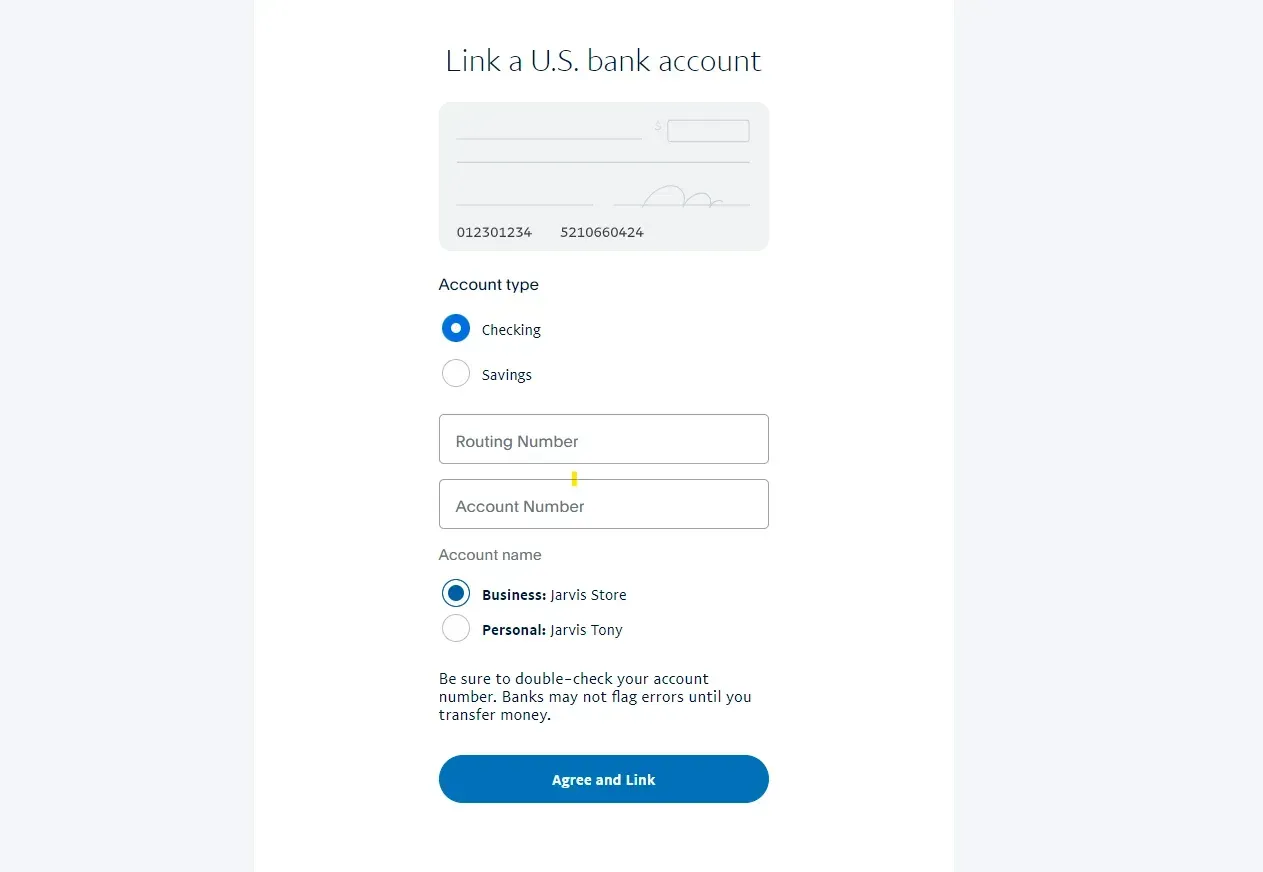
Financial accounts do not exist in a vacuum; they are connected to the broader banking system. Review your historical bank statements or credit card transaction histories for any entries labeled “PAYPAL” or “PP*.” Even a small transaction from a long-forgotten online purchase can reveal which banking instrument was linked to the account. This is particularly useful if you have changed email addresses and can no longer access your old digital archives.
The Financial Implications of Dormant Accounts
Discovering a forgotten account is often the precursor to finding “hidden” money or identifying potential liabilities. In the realm of personal finance, dormant accounts are more than just forgotten passwords; they represent real-world assets and risks.
Unclaimed Balances and Escheatment
One of the most compelling reasons to check for an old account is the possibility of a residual balance. Perhaps you received a refund for a returned item years ago, or a friend sent you money that you never transferred to your bank. Over time, these small amounts can add up.
Furthermore, financial institutions are subject to “escheatment” laws. If an account remains inactive for a prolonged period (usually three to five years, depending on the jurisdiction), the company may be legally required to turn the funds over to the state’s unclaimed property division. By identifying and logging into your account, you prevent your private assets from being absorbed into state treasuries.
Security Vulnerabilities and Identity Theft
An unmonitored financial account is a significant security risk. If a dormant account is compromised, you might not notice the unauthorized activity for months or years. Hackers often target older accounts with weak passwords that lack modern security features like Two-Factor Authentication (2FA). Verifying your account status allows you to either update the security protocols or close the account entirely, thereby reducing your surface area for potential cyber-attacks.
Impact on Credit and Linked Instruments
While a standard PayPal account does not typically affect your credit score, associated services like PayPal Credit or a linked debit card can. If an old account has an unresolved dispute or a negative balance due to a reversed transaction, it could eventually lead to collections activity. Clearing these “ghost” liabilities is essential for maintaining a pristine financial reputation.
Integrating PayPal into a Modern Financial Strategy
Once you have identified whether you have an account, the next step is deciding how it fits into your current financial strategy. For many, PayPal remains a powerful tool for budgeting, international commerce, and business management.
Using Digital Wallets for Budgeting
Strategic use of a digital wallet can simplify personal budgeting. By designating a PayPal account for specific types of spending—such as subscription services or online hobbies—you can easily track those expenses in one place without cluttering your primary bank statement. This compartmentalization is a hallmark of sophisticated financial planning.
The Role of PayPal in the Gig Economy
For freelancers and side-hustlers, PayPal is often an indispensable tool. It provides a professional interface for invoicing and a streamlined way to receive payments in multiple currencies. If you have rediscovered an old account, you might find it provides a ready-made infrastructure for a new business venture, complete with historical data that can assist in establishing your business’s longevity.
Leveraging Advanced Security Features
Modern digital finance requires more than just a strong password. If you decide to keep your rediscovered account, it is imperative to implement 2FA, link it to a secure password manager, and enable mobile push notifications for every transaction. These tools transform a simple payment platform into a secure financial fortress.
Securing Your Digital Legacy and Financial Privacy
The process of searching for an old account often leads to a broader realization: our digital lives need a “living will” or a master record. As we accumulate more financial tools, the risk of losing track of our assets increases.
Creating a Financial Master List
To avoid having to wonder if you have an account in the future, maintain a secure, encrypted list of all financial institutions you interact with. This should not include passwords (which belong in a dedicated password manager) but should list the email addresses used and the purpose of the account. This practice ensures that you—and your heirs—have a clear map of your financial estate.
The Decision to Consolidate or Deactivate
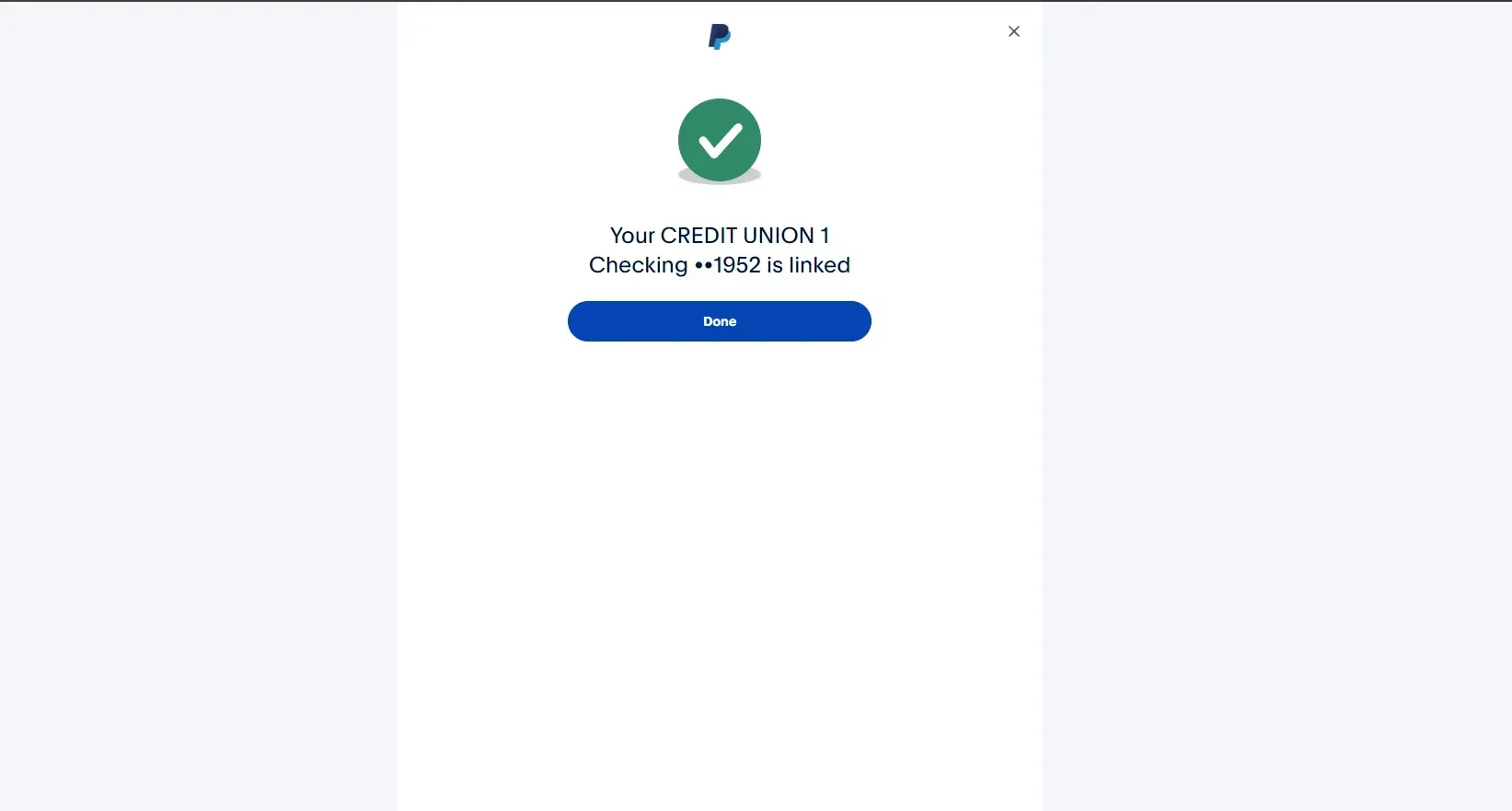
If your audit reveals that you have multiple accounts or an account you no longer need, the best financial move is often to close it. Consolidation reduces complexity. Having a single, well-monitored digital wallet is far superior to having five scattered ones. Closing an unused account is an act of reclaiming your financial privacy, as it removes your data from one more corporate database and eliminates a potential point of failure in your personal security.
In conclusion, knowing whether you have a PayPal account is a fundamental component of modern financial literacy. It involves a mix of digital detective work and disciplined record-keeping. By taking the time to verify your account status, you protect your assets, secure your identity, and gain a clearer, more empowered perspective on your overall financial health. Whether you choose to reactivate the account for its robust financial tools or close it to simplify your life, the act of knowing is the first step toward true financial control.
aViewFromTheCave is a participant in the Amazon Services LLC Associates Program, an affiliate advertising program designed to provide a means for sites to earn advertising fees by advertising and linking to Amazon.com. Amazon, the Amazon logo, AmazonSupply, and the AmazonSupply logo are trademarks of Amazon.com, Inc. or its affiliates. As an Amazon Associate we earn affiliate commissions from qualifying purchases.