
Insurance is often viewed as a grudge purchase—a monthly expense that provides no immediate gratification. However, from a professional financial perspective, insurance is the cornerstone of a robust wealth management strategy. It is the primary mechanism for risk transfer, allowing individuals and businesses to protect their assets from catastrophic loss. Navigating the world of premiums, deductibles, and policy riders can be daunting, but understanding how to get insurance effectively is an essential skill for anyone looking to secure their financial future.
This guide explores the systematic approach to acquiring coverage, the different types of protection necessary for a balanced portfolio, and the strategic decisions that can lower costs while maximizing protection.
Understanding the Role of Insurance in Personal Finance
Before diving into the “how,” it is critical to understand the “why.” In the realm of personal finance, insurance serves as a safety net that prevents a single accident, illness, or disaster from wiping out years of savings and investment.
Identifying Your Risk Profile
The first step in getting insurance is conducting a personal risk assessment. Every individual has a unique risk profile based on their age, health, occupation, and asset base. For a young professional with significant student debt and no dependents, life insurance may be a lower priority than disability insurance, which protects their primary asset: their ability to earn an income. Conversely, a mid-career professional with a family and a mortgage must prioritize high-value life and homeowners’ policies. By identifying which risks are most likely to occur and which would be most financially devastating, you can prioritize your insurance budget effectively.
The Financial Cost of Being Uninsured
Many people attempt to save money by opting for the minimum required coverage or eschewing insurance altogether. This is often a “penny wise, pound foolish” strategy. The out-of-pocket costs for a major medical procedure or a total loss of a home can reach hundreds of thousands of dollars. Without insurance, these costs must be borne by the individual, often leading to bankruptcy or the total depletion of retirement accounts. Understanding that insurance is a tool for capital preservation helps shift the perspective from viewing it as an expense to viewing it as a critical financial investment.
A Step-by-Step Guide to Securing Coverage
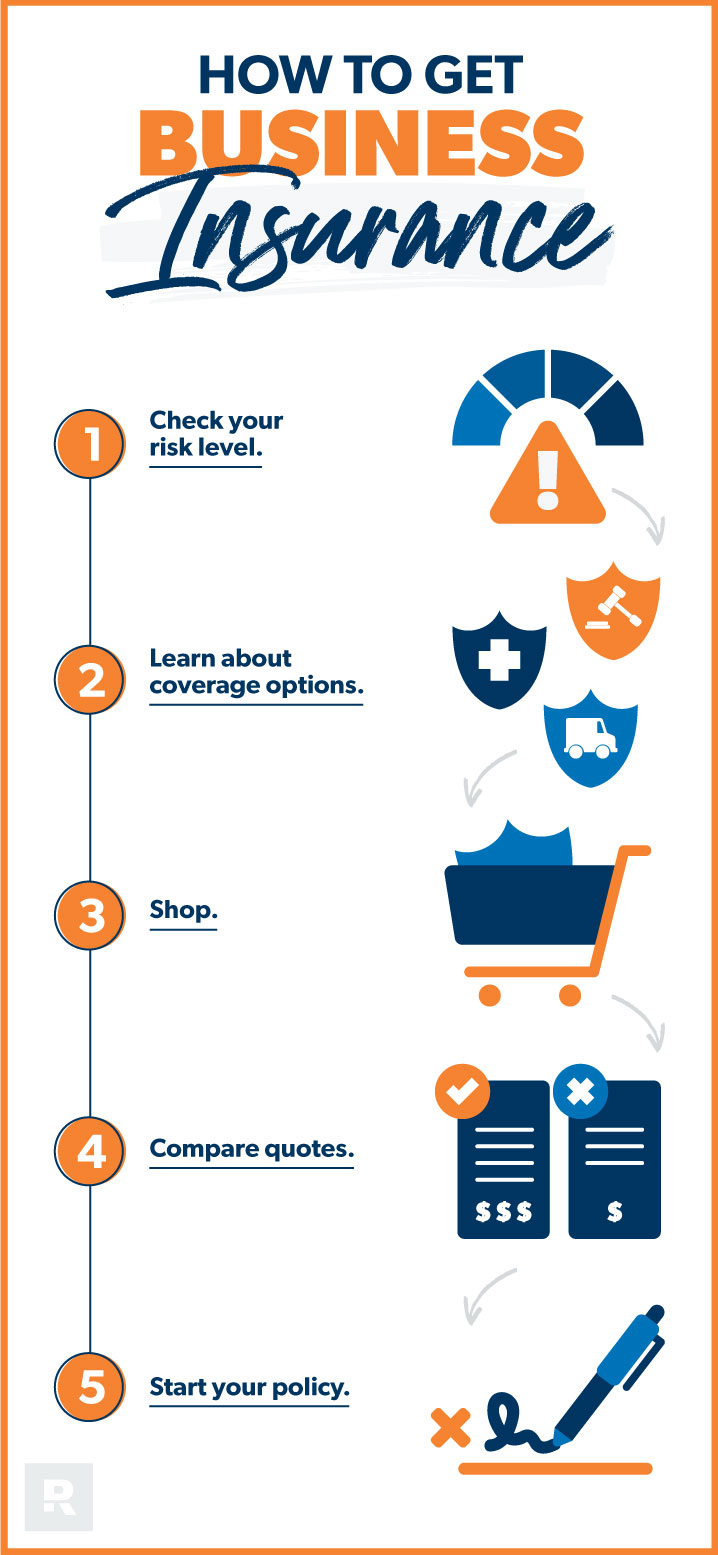
Getting insurance is a process that requires diligence and research. It is not merely about signing a contract but about ensuring that the contract provides the specific protections you need.
Assessing Your Specific Needs
Once you understand your risk profile, you must quantify your needs. For life insurance, this might mean using the “DIME” formula (Debt, Income, Mortgage, Education) to calculate how much coverage your family would need to maintain their lifestyle in your absence. For health insurance, it involves looking at your annual medical usage to decide between a High Deductible Health Plan (HDHP) or a traditional PPO. This quantitative assessment ensures you are neither underinsured (leaving you vulnerable) nor overinsured (wasting money on unnecessary premiums).
Comparing Quotes and Providers
The insurance market is highly competitive, and prices for the same level of coverage can vary significantly between carriers. It is professional best practice to obtain at least three to five quotes for any major policy. When comparing quotes, look beyond the monthly premium. Examine the “financial strength” ratings of the companies from agencies like A.M. Best or Standard & Poor’s. A low premium is worthless if the company lacks the liquidity to pay out a major claim. Additionally, review the “Incurred But Not Reported” (IBNR) reserves and the claims-paying history of the provider to ensure reliability.
The Application and Underwriting Process
Once you select a provider, you will enter the underwriting phase. This is where the insurance company evaluates the risk you pose and sets your final premium. For life or disability insurance, this may involve a medical exam and a review of your lifestyle habits. For property insurance, it may involve an inspection of the premises. Honesty is paramount during this stage; material misrepresentation on an application can lead to a denial of claims later on. Modern “Insurtech” platforms have streamlined this process, often using algorithmic underwriting to provide instant approvals for certain demographics.
Essential Types of Insurance Every Individual Should Consider

A well-rounded financial plan typically includes several layers of protection. Understanding the nuances of each category allows you to build a comprehensive “fortress” around your finances.
Health Insurance: Protecting Your Physical and Financial Well-being
Medical debt is the leading cause of bankruptcy in many developed nations. Getting health insurance is perhaps the most critical step in financial planning. When selecting a plan, you must balance the “premium” (the monthly cost) with the “out-of-pocket maximum” (the most you would have to pay in a year). If you are generally healthy, an HDHP paired with a Health Savings Account (HSA) can be a powerful financial tool, as HSAs offer triple tax advantages and can be used as a secondary retirement vehicle.
Life and Disability Insurance: Safeguarding Human Capital
Your most valuable asset isn’t your house or your car—it’s your ability to generate income over your lifetime. Disability insurance protects this “human capital” by providing a portion of your salary if you become unable to work. Meanwhile, life insurance ensures that your financial obligations—such as a mortgage or children’s tuition—are met if you pass away prematurely. Generally, term life insurance is recommended for most people due to its affordability and straightforward nature, whereas whole life or universal life policies are often used as complex estate planning tools for high-net-worth individuals.
Property and Casualty: Safeguarding Tangible Assets
Auto and homeowners’ insurance are often mandated by law or lenders, but the level of coverage is usually negotiable. “Replacement cost” coverage is generally superior to “actual cash value” coverage, as it pays to replace your items at today’s prices rather than their depreciated value. For those with significant assets, an “Umbrella Policy” is a highly cost-effective way to add an extra $1 million or more of liability protection across both your home and auto policies, shielding your net worth from lawsuits.
Strategies for Reducing Premiums Without Sacrificing Coverage
Managing insurance costs is an exercise in strategic trade-offs. You want to reduce your fixed monthly expenses without exposing yourself to unmanageable risk.
Leveraging Bundling and Discounts
The simplest way to reduce insurance costs is through “bundling”—purchasing your home, auto, and life insurance from a single provider. Most major carriers offer significant “multi-line” discounts that can reduce total premiums by 10% to 25%. Additionally, inquire about affinity discounts. Many insurers offer lower rates for members of professional organizations, alumni associations, or certain employer groups. Maintaining a high credit score is also vital, as many insurers use credit-based insurance scores to determine premiums, viewing high-credit individuals as lower-risk clients.
Adjusting Deductibles and Limits
The deductible is the amount you pay out of pocket before the insurance kicks in. Increasing your deductible is one of the most effective ways to lower your premium. However, this should only be done if you have a robust emergency fund. If you have $10,000 in liquid savings, carrying a $2,500 deductible on your homeowners’ insurance is a smart financial move that saves you money every month. Effectively, you are “self-insuring” for small losses while using the policy to protect against major ones.
Digital Tools and Platforms to Streamline Your Insurance Search
The digital revolution has transformed how we interact with financial products. Today, getting insurance is faster and more transparent than ever before.
Using Comparison Engines and Financial Apps
Gone are the days of calling individual agents and waiting days for a callback. Comparison engines allow you to enter your data once and receive real-time quotes from dozens of top-rated carriers. These platforms provide a side-by-side analysis of policy features, making it easier to spot exclusions or limitations that might be buried in the fine print. Furthermore, many personal finance apps now integrate insurance management into their dashboards, allowing you to track your coverage alongside your investments and bank accounts.

The Rise of Insurtech and Peer-to-Peer Insurance
New entrants in the “Insurtech” space are leveraging artificial intelligence and big data to offer more personalized pricing. For example, some auto insurers use telematics—devices or apps that track your driving habits—to offer lower rates to safe drivers. Peer-to-peer (P2P) insurance models are also emerging, where small groups of people pool their premiums to cover each other’s losses, with any remaining funds at the end of the year being returned to the members or donated to charity. These innovations are driving down costs and making insurance more accessible to a wider demographic.
In conclusion, getting insurance is not a one-time transaction but an ongoing component of a sophisticated financial strategy. By assessing your risks, comparing providers with a critical eye, and leveraging modern digital tools, you can ensure that your wealth is protected against the unexpected. Insurance provides the peace of mind necessary to take calculated risks in other areas of your financial life, such as investing in the stock market or starting a business, knowing that your foundation is secure.
aViewFromTheCave is a participant in the Amazon Services LLC Associates Program, an affiliate advertising program designed to provide a means for sites to earn advertising fees by advertising and linking to Amazon.com. Amazon, the Amazon logo, AmazonSupply, and the AmazonSupply logo are trademarks of Amazon.com, Inc. or its affiliates. As an Amazon Associate we earn affiliate commissions from qualifying purchases.