
Applying for a credit card is often viewed as a simple administrative task, but in the realm of personal finance, it is a significant strategic move. A credit card is more than a plastic tool for convenience; it is a powerful financial instrument that, when managed correctly, builds your credit profile, provides consumer protections, and offers lucrative rewards. However, an uninformed application can lead to unnecessary “hard inquiries” on your credit report, unfavorable interest rates, or even outright rejection. To navigate this process successfully, one must understand the underlying mechanics of the financial industry and the specific criteria lenders use to evaluate risk. This guide provides an exhaustive roadmap to applying for a credit card with precision and purpose.
1. Pre-Application Assessment: Evaluating Your Financial Health
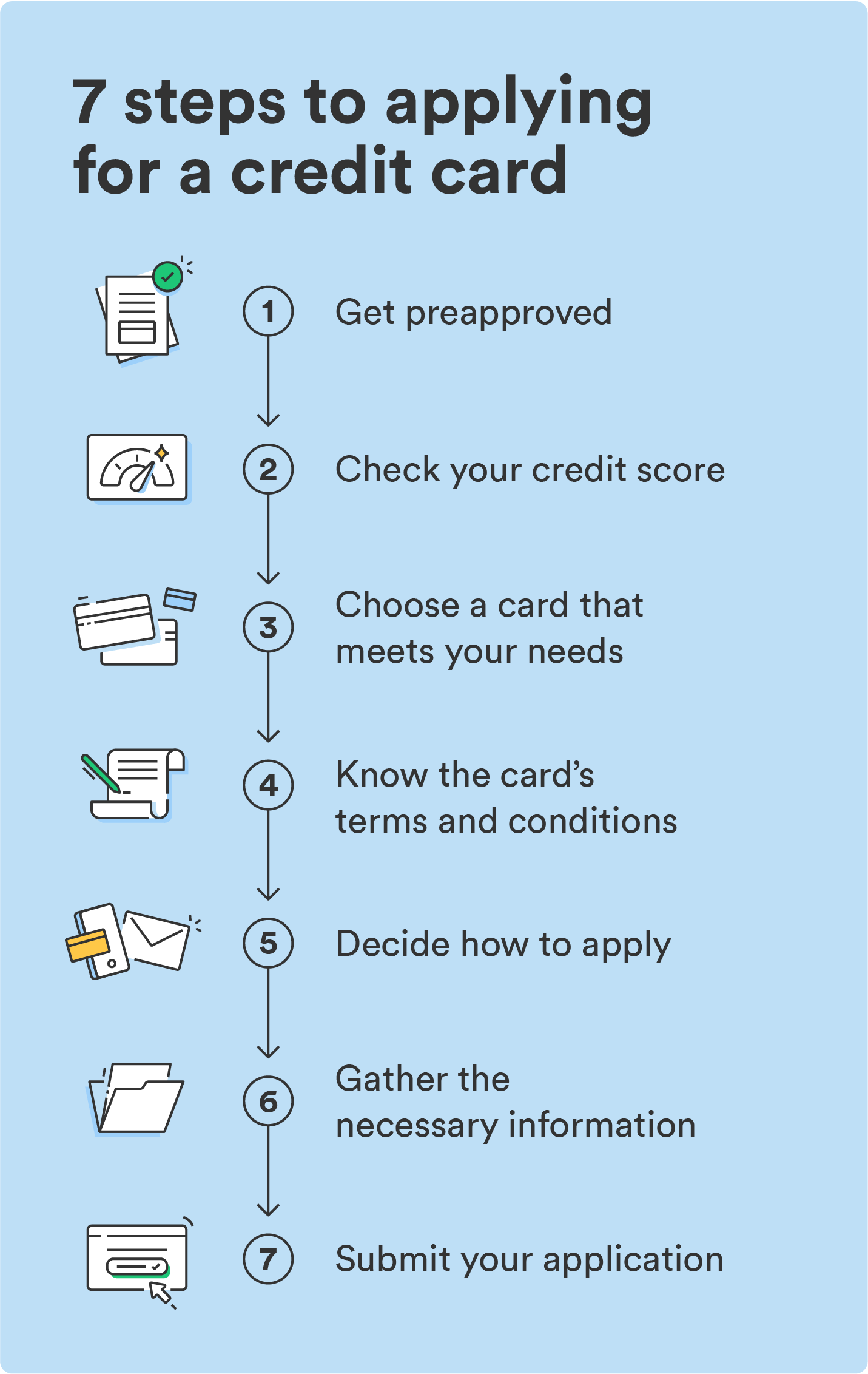
Before you even browse for a specific card, you must conduct a thorough self-audit. Lenders use specific data points to determine your “creditworthiness,” and knowing these numbers beforehand allows you to target cards that you are actually likely to qualify for.
Understanding Your Credit Score and Report
Your credit score is the primary metric used by issuers to gauge the risk of lending to you. In the United States, FICO scores and VantageScores are the industry standards, typically ranging from 300 to 850. A score above 700 is generally considered “good,” while anything above 800 is “excellent.” Before applying, obtain a copy of your credit report from the three major bureaus—Equifax, Experian, and TransUnion. Check for inaccuracies, such as debts you have already paid or accounts you didn’t open, as these can artificially lower your score and lead to an immediate rejection.
Analyzing Your Debt-to-Income (DTI) Ratio
Lenders don’t just care about your credit history; they care about your current ability to repay new debt. Your Debt-to-Income ratio—the percentage of your gross monthly income that goes toward paying debts—is a critical factor. If a significant portion of your income is already committed to student loans, car payments, or mortgages, a credit card issuer may view you as overextended. Keeping your DTI below 36% is a standard benchmark for financial stability in the eyes of most creditors.
Determining Your Spending Habits and Financial Goals
Not all credit cards are created equal. To apply for the right card, you must identify your objective. Are you looking to build credit from scratch? Are you trying to consolidate high-interest debt via a balance transfer? Or are you a frequent traveler looking to maximize points and miles? Matching the card’s features to your lifestyle ensures that the application is a productive step toward your long-term financial goals rather than a distraction.
2. Navigating the Market: Selecting the Optimal Credit Product
The credit card market is highly segmented. Applying for a “Premium” card with a 750-score requirement when your score is 620 will result in an automatic rejection and a pointless dip in your credit score. You must categorize cards based on your current standing and future needs.
Rewards Cards vs. Low-Interest Cards
For those who pay their balance in full every month, rewards cards (cashback, points, or miles) are the gold standard. These cards essentially pay you to use them. However, if you anticipate carrying a balance, the interest rate (APR) becomes the most important factor. In this scenario, a “low-interest” or “0% Intro APR” card is far more valuable than a card offering 2% cashback, as the interest charges on the latter will quickly outpace any rewards earned.
Secured vs. Unsecured Credit Cards
If you are new to credit or recovering from past financial mistakes, an unsecured card may be out of reach. In this case, a “Secured Credit Card” is an excellent entry point. These cards require a refundable security deposit that usually serves as your credit limit. They are easier to get approved for and report to the credit bureaus just like a traditional card, allowing you to build the “credit age” and “payment history” necessary to eventually graduate to a standard unsecured card.
Understanding the Fine Print: Fees and APR
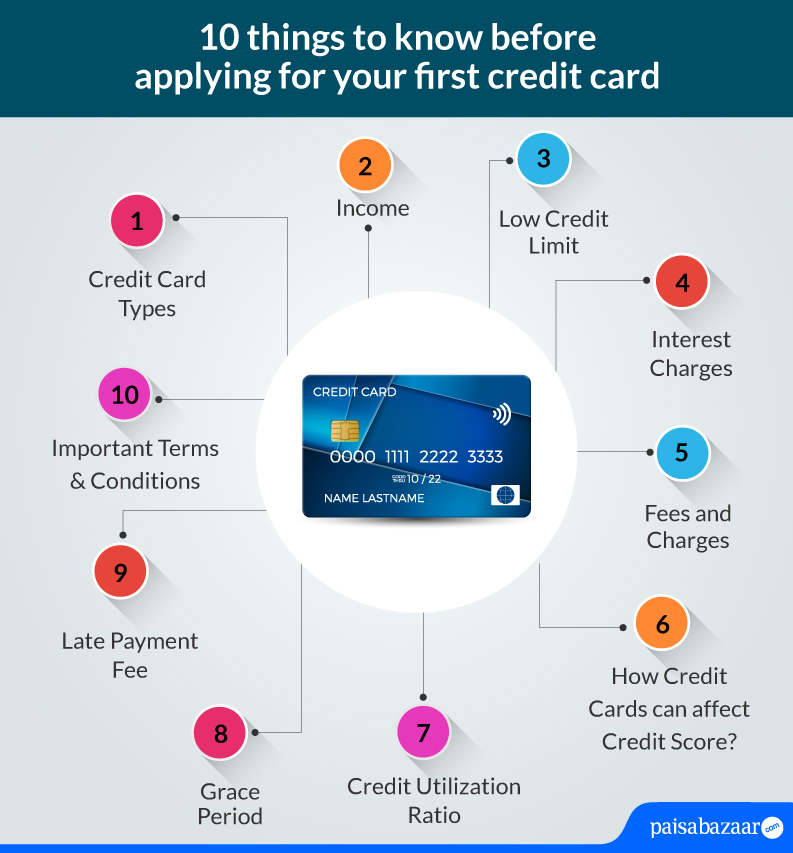
Professional financial management requires a keen eye for “the Schumer Box”—the standardized table included in credit card agreements that lists interest rates and fees. You must look beyond the “0% introductory rate” and identify the “go-to” APR that applies after the promo period ends. Additionally, check for annual fees, late payment penalties, and foreign transaction fees if you plan to use the card abroad. A $95 annual fee might be worth it for a card that offers a $200 annual travel credit, but it is a net loss if you don’t utilize the benefits.
3. The Application Execution: From Prequalification to Submission
Once you have identified the ideal card, the application process itself requires attention to detail. Most modern applications are completed online, offering near-instant decisions, but the steps you take during this window are crucial.
Utilizing Prequalification and Pre-approval Tools
Many major issuers offer “pre-qualification” tools on their websites. These tools use a “soft pull” of your credit report, which does not impact your credit score, to tell you which cards you are likely to be approved for. While pre-qualification is not a 100% guarantee of approval, it significantly reduces the risk of a wasted “hard inquiry.” If a bank “pre-approves” you, it means your basic profile matches their underwriting criteria, making the formal application much safer.
Gathering Necessary Documentation
To complete the application, you will need to provide specific personal and financial information. This typically includes your Social Security Number (or ITIN), legal residential address, and employment status. Most importantly, you must report your “Total Gross Annual Income.” In many jurisdictions, if you are over 21, you can include household income to which you have a “reasonable expectation of access,” such as a spouse’s salary. Accuracy here is vital; overstating your income can be considered bank fraud, while understating it may lead to an unnecessarily low credit limit.
The Impact of the “Hard Inquiry”
When you officially click “Submit,” the lender performs a “hard pull” on your credit. This usually results in a temporary 5-to-10-point drop in your credit score. Because of this, it is unwise to apply for multiple credit cards or loans simultaneously. A cluster of hard inquiries in a short period signals to lenders that you may be in financial distress and “hungry for credit,” which increases your perceived risk level.
4. Post-Application Strategy: Handling the Outcome
After submitting your application, you will usually receive one of three responses: an immediate approval, a “pending” status, or a denial. Your financial strategy should shift based on these results.
Action Steps Upon Approval
If approved, congratulations—but the work is not over. You will receive your card in the mail within 7–10 business days. Upon receipt, you must activate the card and immediately set up “Auto-pay” for at least the minimum balance to ensure you never miss a payment. Furthermore, if the card has a “sign-up bonus” (e.g., spend $3,000 in the first 3 months to earn 50,000 points), you should map out your regular expenses to meet that threshold without overspending.
Navigating “Pending” and “Reconsideration”
If your application is “pending,” it usually means the issuer needs to verify your identity or income manually. You can often speed this up by calling the issuer’s “Reconsideration Line.” Speaking to a human representative allows you to clarify any discrepancies in your application or provide context for a recent dip in your credit score. Many “pending” or even “denied” applications are overturned simply because the applicant took the initiative to call and explain their financial situation.
Learning from a Rejection
If your application is denied, the lender is legally required to send you an “Adverse Action Notice.” This document will explain exactly why you were turned down (e.g., “too many recent inquiries” or “insufficient income”). Do not take this personally; use it as a diagnostic tool. If the reason was a low credit score, focus on lowering your credit utilization or paying down existing debt before applying again. Generally, it is best to wait at least six months between credit applications to allow your score to recover and your profile to stabilize.
5. Long-term Management and Credit Health
The act of applying for a credit card is just the beginning of a lifelong relationship with credit. To ensure this new tool remains an asset rather than a liability, you must adhere to the principles of sound financial management.
The 30% Utilization Rule
Your credit utilization ratio—the amount of credit you are using compared to your total limit—is the second most important factor in your credit score. Financial experts recommend keeping this ratio below 30%, and ideally below 10%. For example, if your new card has a $5,000 limit, try not to let your statement balance exceed $1,500. This demonstrates to lenders that you can handle credit without being dependent on it.
Strategic Limit Increases
After six to twelve months of responsible use, you may want to request a credit limit increase. A higher limit, provided you don’t increase your spending, will lower your utilization ratio and further boost your credit score. This is a subtle but effective way to strengthen your financial profile without opening new accounts.

Monitoring and Security
In an era of increasing digital fraud, applying for a card also means taking on the responsibility of monitoring it. Use the issuer’s mobile app to set up real-time transaction alerts. Review your statements monthly not just for budgeting, but to spot unauthorized charges. Most credit cards offer “Zero Liability” protection, but this is only effective if you report fraudulent activity promptly.
By approaching the credit card application process with a disciplined, data-driven mindset, you transform a simple transaction into a strategic pillar of your personal wealth management. Whether you are building your first $500 limit or managing a portfolio of premium travel cards, the principles remain the same: understand your data, choose the right tools, and manage your obligations with unwavering consistency.
aViewFromTheCave is a participant in the Amazon Services LLC Associates Program, an affiliate advertising program designed to provide a means for sites to earn advertising fees by advertising and linking to Amazon.com. Amazon, the Amazon logo, AmazonSupply, and the AmazonSupply logo are trademarks of Amazon.com, Inc. or its affiliates. As an Amazon Associate we earn affiliate commissions from qualifying purchases.