
Bitcoin, the world’s pioneering decentralized digital currency, has evolved from an obscure internet curiosity into a globally recognized asset class and a significant topic in financial discussions. For many, its rise has sparked curiosity and ambition: “How do you get a Bitcoin?” This question, seemingly simple, opens a gateway into understanding a new paradigm of finance, investment, and digital ownership. Acquiring Bitcoin isn’t just a transaction; it’s an entry point into the burgeoning world of cryptocurrencies, demanding a blend of financial literacy, technological understanding, and strategic foresight. This article will demystify the process, guiding you through the primary methods of obtaining Bitcoin, the critical considerations for securing your investment, and the financial landscape surrounding this revolutionary digital asset.
Understanding Bitcoin: A Primer for Aspiring Holders
Before diving into the mechanics of acquisition, it’s crucial to grasp what Bitcoin is and why it holds such significant allure in the modern financial ecosystem. Its unique characteristics are fundamental to understanding its value proposition and the methods by which it can be obtained.
What is Bitcoin? A Digital Revolution
At its core, Bitcoin is a digital currency, or cryptocurrency, created in 2009 by an anonymous entity known as Satoshi Nakamoto. Unlike traditional currencies issued by central banks, Bitcoin operates on a decentralized network called a blockchain. This distributed ledger technology records all transactions across a vast network of computers, making it transparent, immutable, and resistant to censorship or manipulation.
Bitcoin’s finite supply, capped at 21 million coins, is a cornerstone of its economic model, designed to prevent inflation and potentially drive value appreciation over time. It can be sent peer-to-peer across the internet without the need for intermediaries like banks, offering a level of financial autonomy unprecedented in traditional systems. This blend of decentralization, security, and scarcity has positioned Bitcoin as “digital gold” for many investors and a potential hedge against traditional financial instabilities.
Why Acquire Bitcoin? Potential and Purpose
The motivations for acquiring Bitcoin are diverse and often reflect an individual’s financial philosophy and risk appetite. For some, Bitcoin represents a speculative investment, driven by the hope of significant price appreciation. Its historical volatility, while daunting to some, has also presented immense opportunities for wealth creation. Others view Bitcoin as a long-term store of value, akin to gold, protecting purchasing power against inflation and economic uncertainty.
Beyond investment, Bitcoin is increasingly recognized as a medium of exchange. Businesses globally are beginning to accept Bitcoin for goods and services, offering a glimpse into a future where digital currencies play a more prominent role in everyday commerce. Furthermore, Bitcoin offers unparalleled accessibility to financial services for the unbanked and underbanked populations worldwide, providing a global, permissionless money system. Understanding these diverse motivations helps frame the various acquisition strategies and the financial considerations involved.
Direct Purchase: The Most Common Pathway
For the vast majority of individuals looking to acquire Bitcoin, direct purchase through a cryptocurrency exchange is the most straightforward and accessible method. This process mirrors, in many ways, buying foreign currency or investing in stocks through an online brokerage.
Choosing a Reputable Cryptocurrency Exchange
The first and most critical step is selecting a reliable and secure cryptocurrency exchange. These platforms act as digital marketplaces where users can buy, sell, and trade various cryptocurrencies. Key factors to consider when choosing an exchange include:
- Security: Look for exchanges with robust security measures, including two-factor authentication (2FA), cold storage for assets, and a strong track record of protecting user funds.
- Reputation and Regulation: Opt for exchanges that are well-established, have positive user reviews, and comply with financial regulations in their operating jurisdictions. Reputable exchanges often adhere to KYC (Know Your Customer) and AML (Anti-Money Laundering) procedures.
- Fees: Compare trading fees, deposit fees, and withdrawal fees across different platforms. These can vary significantly and impact your overall cost of acquisition.
- Liquidity: High liquidity ensures that you can buy or sell Bitcoin quickly at a fair market price.
- User Interface and Support: A user-friendly interface and responsive customer support are crucial, especially for newcomers.
- Available Payment Methods: Check if the exchange supports your preferred payment methods, such as bank transfers, debit/credit cards, or other digital payment systems. Popular choices often include Coinbase, Binance, Kraken, Gemini, and Crypto.com, each with its own strengths and regional focus.
The KYC/AML Process: Verifying Your Identity
Once you’ve chosen an exchange, you’ll need to create an account. Due to increasing regulatory scrutiny, most reputable exchanges require users to undergo a Know Your Customer (KYC) and Anti-Money Laundering (AML) verification process. This typically involves:
- Providing personal information (name, address, date of birth).
- Uploading identification documents (government-issued ID, passport, driver’s license).
- Sometimes, providing proof of address (utility bill, bank statement).
- In some cases, a “selfie” with your ID to confirm identity.
While this step might seem intrusive, it’s a standard practice in regulated financial services designed to prevent fraud, money laundering, and terrorist financing. Completing KYC/AML is essential for unlocking higher transaction limits and ensuring the security of your account.
Funding Your Account and Executing Your First Purchase
After your account is verified, the next step is to fund it. Exchanges typically offer various deposit methods:
- Bank Transfer (ACH/SEPA/Wire): Often the most cost-effective method for larger amounts, though processing times can vary.
- Debit/Credit Card: Provides instant deposits but usually comes with higher fees due to processing costs.
- PayPal/Other Digital Wallets: Availability varies by exchange and region.
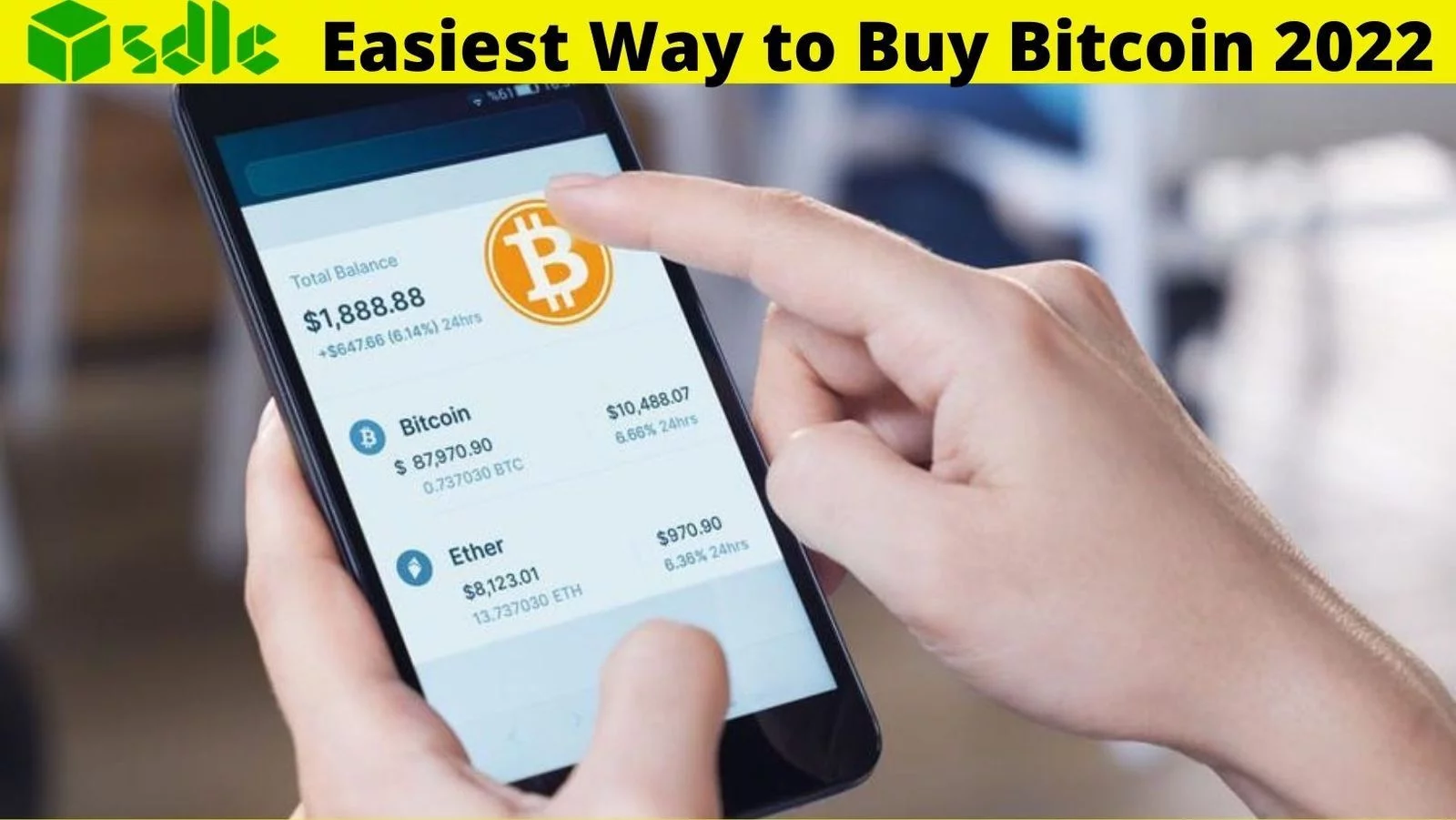
Once your account is funded with fiat currency (e.g., USD, EUR), you can navigate to the “Buy/Sell” section of the exchange. You’ll specify the amount of Bitcoin you wish to purchase (either in fiat currency or in BTC units), review the current price and associated fees, and then execute the trade. The Bitcoin will then be deposited into your exchange wallet.
Peer-to-Peer (P2P) Trading: An Alternative Avenue
P2P platforms (e.g., LocalBitcoins, Paxful) offer an alternative way to buy Bitcoin directly from other individuals. This method often allows for a wider range of payment options and can sometimes offer more privacy, as KYC requirements may vary depending on the platform and seller. However, P2P trading carries inherent risks, including potential scams and price discrepancies, making it crucial to use reputable platforms with escrow services and buyer/seller ratings.
Earning Bitcoin: Working for Digital Wealth
Beyond direct purchase, Bitcoin can also be acquired by earning it for your labor, similar to how one earns traditional currency. While less common for the average individual than purchasing, these methods highlight Bitcoin’s utility as a medium of exchange.
Accepting Bitcoin for Goods and Services
If you run a business or offer freelance services, accepting Bitcoin as payment is a direct way to acquire it. This can be done by:
- Using Crypto Payment Processors: Services like BitPay, CoinGate, or BTCPay Server can integrate with your e-commerce platform or point-of-sale system, converting Bitcoin payments into your preferred fiat currency or holding them in Bitcoin.
- Direct Wallet Payments: For smaller operations, simply providing customers with your Bitcoin wallet address can facilitate direct payments. This method requires more manual tracking but gives you direct control over your Bitcoin.
Accepting Bitcoin can open your business to a global customer base, reduce transaction fees compared to some traditional payment processors, and demonstrate a forward-thinking approach to finance.
Bitcoin Faucets and Micro-Task Platforms (with caveats)
Bitcoin faucets are websites or apps that distribute small amounts of Bitcoin (satoshi, the smallest unit of Bitcoin) to users for completing simple tasks, such as solving captchas, playing games, or viewing ads. While they offer a way to get free Bitcoin, the amounts are typically extremely small, requiring significant time and effort to accumulate anything substantial.
Similarly, micro-task platforms may offer Bitcoin as payment for completing small online jobs. While these methods can be an interesting way to accumulate fractional Bitcoin, they are generally not efficient for serious acquisition and often involve low pay rates. They are more suited for those curious about Bitcoin and willing to invest time for minimal returns.
Bitcoin Mining: A Specialized Endeavor
In Bitcoin’s early days, individuals could mine Bitcoin using standard computer hardware. Mining involves solving complex computational puzzles to verify and add new blocks of transactions to the blockchain, for which the miner receives a reward in newly minted Bitcoin.
Today, Bitcoin mining has become an industrial-scale operation dominated by specialized hardware (ASICs) and massive computing power. The high cost of equipment, electricity, and the ever-increasing difficulty of mining make it largely unprofitable for individual hobbyists. While technically a method to “get” Bitcoin, it is no longer a practical or financially viable option for most individuals seeking to acquire it.
Securing Your Bitcoin: Wallets and Best Practices
Acquiring Bitcoin is only half the battle; securely storing it is equally, if not more, critical. Unlike cash in a bank, Bitcoin gives you direct custody of your assets, meaning you are responsible for their security.
Understanding Bitcoin Wallets: Hot vs. Cold Storage
A Bitcoin “wallet” isn’t a physical place where Bitcoin is stored. Instead, it’s a software or hardware device that stores your public and private keys, which are cryptographic codes that allow you to send and receive Bitcoin.
- Hot Wallets: These are connected to the internet. Examples include exchange wallets, mobile apps, and desktop software wallets. They offer convenience for frequent transactions but are more susceptible to hacking due to their online nature.
- Cold Wallets: These are offline and offer the highest level of security. Examples include hardware wallets (physical devices like Ledger or Trezor) and paper wallets (private keys printed on paper). Cold storage is ideal for holding larger amounts of Bitcoin for the long term.
Setting Up Your First Wallet: Practical Steps
For most new users, a mobile or desktop hot wallet (e.g., Exodus, Electrum, or the wallets provided by exchanges) is a good starting point for smaller amounts. For significant investments, a hardware wallet is highly recommended.
When setting up any wallet, you will be given a “seed phrase” (a series of 12 or 24 words). This phrase is your master key to your Bitcoin. Write it down physically and store it in multiple secure, offline locations. Never share your seed phrase with anyone, and never store it digitally. Losing this phrase means losing access to your Bitcoin, and if someone else gains access to it, they can steal your funds.
Essential Security Measures: Protecting Your Investment
Beyond choosing the right wallet, adherence to robust security practices is paramount:
- Two-Factor Authentication (2FA): Always enable 2FA on your exchange accounts and wallets. This adds an extra layer of security, usually requiring a code from your phone in addition to your password.
- Strong, Unique Passwords: Use complex passwords for all crypto-related accounts and never reuse them.
- Beware of Phishing: Be vigilant against phishing attempts. Always double-check URLs before entering login credentials and be skeptical of unsolicited emails or messages.
- Regular Software Updates: Keep your wallet software and operating system updated to patch any known vulnerabilities.
- Diversification of Storage: Consider diversifying where you store your Bitcoin, especially if you hold significant amounts. For example, using a combination of a hardware wallet for the majority and a hot wallet for smaller, transactional amounts.
Navigating the Financial Landscape of Bitcoin Ownership
Acquiring Bitcoin is a financial decision with specific implications that differ from traditional asset classes. Understanding these nuances is vital for responsible and informed participation in the crypto economy.
Volatility and Risk Management
Bitcoin is notorious for its price volatility. While this offers potential for high returns, it also carries substantial risk. Prices can fluctuate dramatically in short periods due to market sentiment, regulatory news, macroeconomic factors, and technological developments.
Effective risk management is crucial:
- Invest Only What You Can Afford to Lose: Never invest funds essential for your living expenses or immediate future.
- Dollar-Cost Averaging (DCA): Consider investing a fixed amount regularly, regardless of the price. This strategy helps to average out your purchase price over time and mitigate the impact of volatility.
- Long-Term Perspective: Many Bitcoin investors adopt a long-term “hodling” (holding) strategy, believing in its long-term growth despite short-term fluctuations.
Tax Implications of Bitcoin Holdings and Transactions
In many jurisdictions, Bitcoin is treated as property for tax purposes, not as currency. This means that capital gains taxes may apply when you sell Bitcoin for a profit, exchange it for another cryptocurrency, or use it to purchase goods and services if its value has appreciated since you acquired it.
- Keep Meticulous Records: Track all your Bitcoin transactions, including purchase dates, acquisition costs, sale dates, and selling prices.
- Consult a Tax Professional: Cryptocurrency tax laws are complex and evolving. It is highly advisable to consult with a tax advisor specializing in digital assets to understand your specific obligations and optimize your tax strategy. Failure to report crypto-related gains can lead to significant penalties.

Regulatory Considerations and Future Outlook
The regulatory landscape for Bitcoin is constantly evolving. Governments worldwide are developing frameworks to address everything from consumer protection and anti-money laundering to securities laws and taxation. Understanding the regulations in your country is critical, as they can impact how you acquire, hold, and use Bitcoin.
The future outlook for Bitcoin remains a subject of intense debate. Proponents envision a future where it plays a central role in a decentralized global economy, while critics point to its volatility, energy consumption, and regulatory uncertainties. Regardless of individual predictions, Bitcoin has undeniably carved out a significant niche in the financial world. As you embark on your journey to acquire Bitcoin, informed decision-making, rigorous security, and a clear understanding of its financial implications will be your most valuable assets.