
In the modern financial landscape, the seamless movement of capital is the bedrock of personal and business success. Whether you are setting up a direct deposit for a new side hustle, automating your monthly investment contributions, or sending a wire transfer to secure a major business deal, there is one nine-digit sequence that acts as the essential “GPS” for your money: the routing number. Formally known as an ABA Routing Transit Number (RTN), this code is the primary identifier used by financial institutions to ensure that funds find their way to the correct bank among thousands of domestic competitors.

Understanding how to locate and verify this number is not just a matter of convenience; it is a fundamental skill in financial literacy that prevents costly delays and security errors. While the digitization of banking has made accessing information easier than ever, it has also introduced various types of routing numbers—each serving a specific purpose. This guide provides a comprehensive breakdown of how to find your routing number and how to use it to optimize your personal and business finance workflows.
Primary Methods for Locating Your Routing Number
Finding your routing number is a straightforward process, but the method you choose may depend on whether you have physical documents on hand or prefer digital access. Because your routing number is public-facing information for the bank, it is generally easier to find than your private account number, though both are required for most transactions.
Physical Checks: The Traditional Baseline
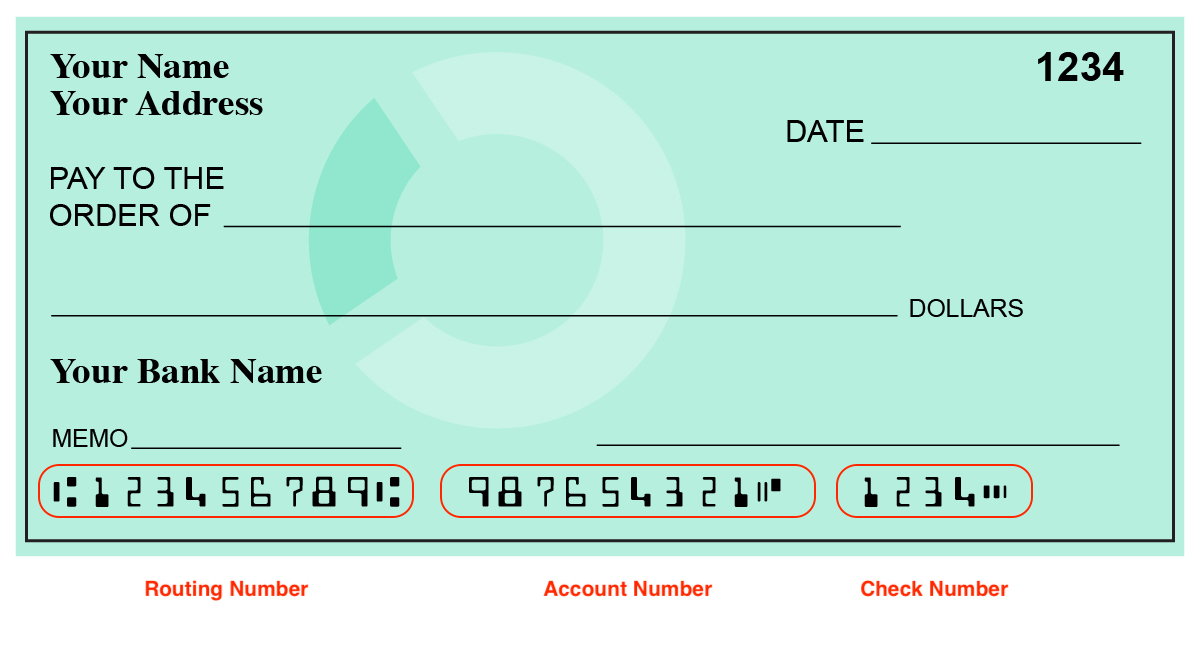
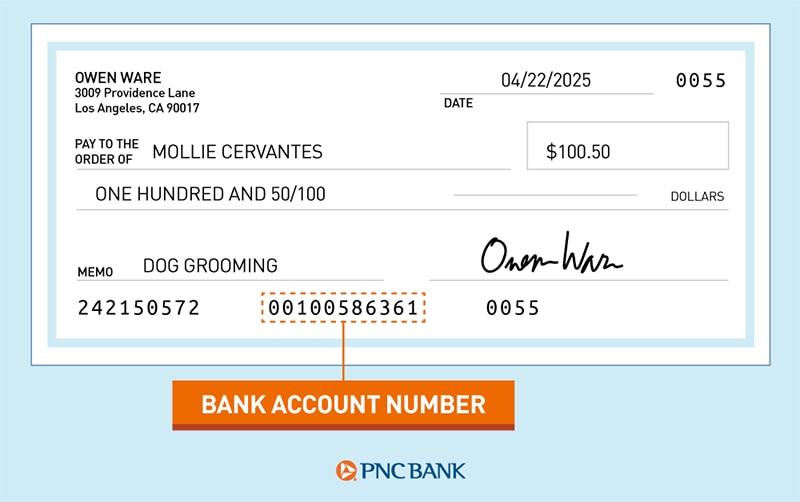
The most reliable place to find your routing number is on a physical check associated with your checking account. If you look at the bottom of a check, you will see a series of numbers printed in a specialized font known as MICR (Magnetic Identity Character Recognition).
There are typically three sets of numbers. The first set, starting from the far left, is your nine-digit routing number. It is usually flanked by a specific symbol that looks like a vertical bar and a colon. The second set of numbers is your individual account number, and the third (shorter) set is the specific check number. For those using checks to pay vendors or set up payroll, this remains the gold standard for accuracy.
Online Banking Portals and Mobile Apps
In an era where paper checks are becoming less common, digital platforms have become the primary source for financial data. Most major banks and credit unions place the routing number in a prominent location within their mobile app or desktop interface.
To find it, log in to your account and navigate to the “Account Details,” “Info,” or “Settings” tab for the specific account you are using. Often, there is a dedicated link labeled “Direct Deposit Information” or “ACH/Wire Details.” It is important to note that many banks offer a “copy” button next to the routing number—using this feature is highly recommended to avoid transcription errors that could lead to rejected transfers.
Monthly Statements and Official Correspondence
Your monthly bank statement—whether received by mail or downloaded as a PDF—contains all the necessary identifiers for your accounts. The routing number is typically listed at the top or bottom of the statement, often near the bank’s logo or the summary of your account balance. This is an excellent resource for those who do not have a checkbook and find the mobile app interface cluttered.
The American Bankers Association (ABA) Search Tool
If you are unable to access your private accounts but know the official name and location of your bank, you can use the ABA’s official online lookup tool. Since the ABA is the body that assigns these numbers, their database is the ultimate authority. You can search by the bank’s name and headquarters location to confirm the routing number. However, be cautious: large national banks often have dozens of routing numbers based on the state where the account was originally opened.
Understanding the Difference Between Routing and Account Numbers
For those new to managing business finance or personal investments, the distinction between a routing number and an account number can sometimes be confusing. Both are necessary for “pulling” or “pushing” funds, but they serve entirely different roles in the financial ecosystem.
The Routing Number: The Institutional Address
Think of the routing number as the zip code for your bank. It identifies the specific financial institution and the processing center responsible for handling transactions for that branch or region. It tells the Federal Reserve or the clearinghouse where the money needs to go geographically and institutionally. Because many people share the same bank, millions of customers share the same routing number.
The Account Number: The Personal Mailbox
If the routing number is the zip code, the account number is your specific street address and apartment number. This is a unique identifier assigned specifically to you. While the routing number is technically public (you can find most banks’ routing numbers on their public websites), your account number is highly sensitive information that should be guarded with the same level of security as your Social Security number.
The Anatomy of the Nine Digits
Every routing number follows a specific structure mandated by the ABA. The first four digits represent the Federal Reserve routing symbol, indicating the bank’s physical location. The next four digits represent the specific institution’s ABA identifier. The final ninth digit is a “check digit,” calculated using a complex formula to ensure the previous eight digits were entered correctly. This mathematical safeguard helps banking software catch typos before a transaction is even initiated.
Why Routing Numbers Are Essential for Financial Management
The routing number is more than just a bureaucratic requirement; it is a tool that facilitates the speed and efficiency of your financial life. From side hustles to retirement planning, knowing your routing number unlocks several critical financial functions.
Streamlining Direct Deposits and Payroll
For employees and freelancers alike, the routing number is the key to getting paid. When you fill out a W-9 or a direct deposit authorization form, the routing number tells your employer’s payroll software exactly which bank to send your earnings to. In the world of “side hustles” and the gig economy, having this information ready ensures that payments from platforms like Stripe, PayPal, or specialized payroll providers are processed without delay.
Automating Wealth Building
One of the most effective strategies in personal finance is the “pay yourself first” model. This involves setting up automated transfers from your checking account to a brokerage account or a high-yield savings account. These transfers rely on ACH (Automated Clearing House) networks, which require your routing number. By mastering the use of these numbers, you can build a frictionless system that grows your net worth on autopilot.
Facilitating Business and Tax Transactions
If you are managing business finance, you will frequently use routing numbers for B2B payments or to pay quarterly estimated taxes. The IRS and state tax agencies require routing numbers to issue tax refunds or to accept electronic payments. Using an incorrect routing number in these instances can result in significant delays, potentially leading to missed deadlines or late fees.
Nuances: Different Numbers for Different Transactions
A common pitfall for many bank customers is assuming that their bank has only one routing number. Depending on the type of transaction you are performing, you may actually need a specific “sub-type” of routing number.
ACH vs. Wire Transfers
Most day-to-day transactions, such as paying a utility bill or receiving a paycheck, use the ACH network. However, if you are conducting a high-value transaction—such as a down payment on a home or an international business payment—you will likely use a wire transfer.
Many large banks use a separate routing number specifically for domestic wire transfers and a different set of codes (often involving a SWIFT or BIC code) for international transfers. Using an ACH routing number for a wire transfer is a common mistake that can result in the funds being “bounced” back to the sender, often with the bank still charging a significant wire fee.
Regional and State-Based Routing
National banks that have grown through mergers and acquisitions often maintain different routing numbers based on the state where an account was opened. For example, a customer who opened an account in New York may have a different routing number than a customer who opened an account in California, even if they both use the same national bank. Always ensure you are using the number associated with your specific branch’s region, which can be verified in your mobile app’s “account info” section.
Security and Verification: Protecting Your Financial Tools
While the routing number itself is not a secret, it is a critical component of your financial identity. When combined with your account number, it provides the “keys” to your liquid assets. Therefore, it is vital to practice high levels of digital security when handling this information.
Verifying Before You Send
Before initiating a large transfer, especially in a business context, always perform a “test” or “penny” drop if possible. Send a small amount (like $1.00) to verify the connection between the routing and account numbers before sending the full balance. This is a standard best practice in business finance that prevents catastrophic losses due to simple data entry errors.
Avoiding Phishing Scams
Be wary of any email or text message asking for your routing and account numbers. Legitimate financial institutions will never ask you to provide this information through an unsecure link. Always navigate directly to your bank’s official portal to manage your information.
Conclusion
Finding your bank’s routing number is a simple yet vital step in managing your modern financial life. Whether you find it on a vintage paper check, a sleek mobile app, or a monthly statement, this nine-digit code is the bridge between your hard-earned money and the goals you want to achieve. By understanding the nuances of ACH versus wire numbers and the geographic specifics of your institution, you can navigate the world of personal and business finance with professional precision and confidence.
aViewFromTheCave is a participant in the Amazon Services LLC Associates Program, an affiliate advertising program designed to provide a means for sites to earn advertising fees by advertising and linking to Amazon.com. Amazon, the Amazon logo, AmazonSupply, and the AmazonSupply logo are trademarks of Amazon.com, Inc. or its affiliates. As an Amazon Associate we earn affiliate commissions from qualifying purchases.