
A bank routing number is a fundamental identifier in the modern financial landscape, yet its purpose and location are often misunderstood. For anyone managing their finances, whether for personal transactions, business operations, or investment activities, understanding how to accurately find and utilize this nine-digit code is not merely helpful, but essential. It serves as the digital address for your financial institution, directing funds to the correct bank in a vast network of financial transactions. Mastery of this simple piece of information underpins the smooth functioning of everything from direct deposits to online bill payments, ensuring your money moves precisely where and when it needs to.

The Indispensable Role of Your Bank Routing Number in Financial Transactions
At its core, a bank routing number, also known as an ABA (American Bankers Association) routing transit number (RTN), is a nine-digit numerical code used to identify a specific financial institution within the United States. Established over a century ago in 1910 by the ABA, its primary purpose is to facilitate the secure and accurate transfer of funds between banks. Without this unique identifier, the complex web of financial transactions that power our economy would be prone to chaos and error.
What Exactly is a Bank Routing Number?
The routing number serves as a critical signpost for the Automated Clearing House (ACH) network, which processes billions of electronic financial transactions daily. Each of the nine digits carries specific information, allowing the system to pinpoint the correct bank involved in a transaction. While many banks have a single routing number for all their branches, larger institutions, especially those operating across multiple states, may utilize several different routing numbers, typically based on the region where the account was opened. This regional specificity ensures that funds are directed to the correct geographical processing center within the bank’s network, streamlining operations and reducing delays.
Why Is It So Crucial? Key Uses Explained
The applications of your bank routing number are extensive and touch nearly every aspect of digital money movement. Understanding these uses underscores its critical importance:
- Direct Deposits: Whether it’s your paycheck, government benefits like Social Security, or tax refunds, direct deposits rely heavily on your routing number to ensure funds land in the correct bank account efficiently.
- Automated Clearing House (ACH) Transactions: This broad category includes a multitude of electronic transfers. Setting up recurring bill payments (utilities, rent, mortgage), person-to-person transfers through apps, or making online purchases often leverages the ACH network, with the routing number being a key component.
- Wire Transfers: For both domestic and, in some cases, international wire transfers, the routing number is essential. It helps ensure large sums of money are securely and rapidly moved from one bank to another, often within the same day. However, it’s crucial to note that international wire transfers frequently require a SWIFT/BIC code in addition to or instead of the routing number, a distinction we will explore further.
- Electronic Funds Transfers (EFTs): This is an umbrella term for any transfer of funds initiated through an electronic terminal, telephonic instrument, or computer. Your routing number is the primary identifier for the originating or receiving financial institution in such transfers.
- Setting Up Online Payment Services: When linking your bank account to platforms like PayPal, Venmo, or other financial technology services, you’ll invariably be asked for both your routing and account numbers to enable seamless funds transfer.
In essence, any transaction that requires a third party to either send money directly to your account or withdraw money from it will necessitate your bank’s routing number. Its accuracy is paramount to avoid delays, rejections, or, in the worst-case scenario, funds being sent to an incorrect destination.
Routing Number vs. Account Number: A Critical Distinction
While often requested together, it is vital to distinguish between your bank routing number and your bank account number. The routing number identifies your specific financial institution, telling the system which bank to send the money to. In contrast, your account number identifies your specific individual account within that institution, telling the bank where within their system the money should go.
Confusing these two numbers can lead to significant financial disruptions. Entering an incorrect routing number might result in the transaction being rejected entirely or, less commonly, routed to a different bank, causing substantial delays and requiring complex reversal procedures. An incorrect account number, meanwhile, could mean funds are deposited into another customer’s account at your bank or, if the number is invalid, the transaction is rejected. Always double-check both numbers meticulously before initiating any transaction.
Direct and Reliable Methods for Locating Your Routing Number
Fortunately, finding your bank’s routing number is a straightforward process, thanks to its ubiquitous presence across various bank-issued documents and digital platforms. Several reliable methods ensure you can access this information whenever needed.
The Classic Method: Checking Your Personal Checks
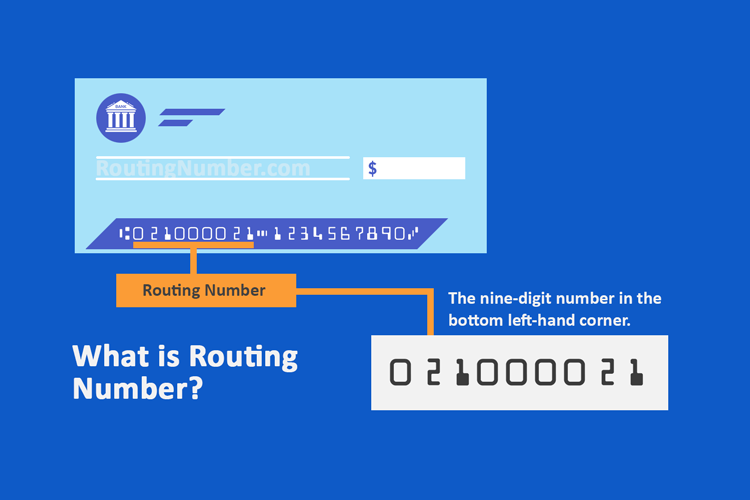
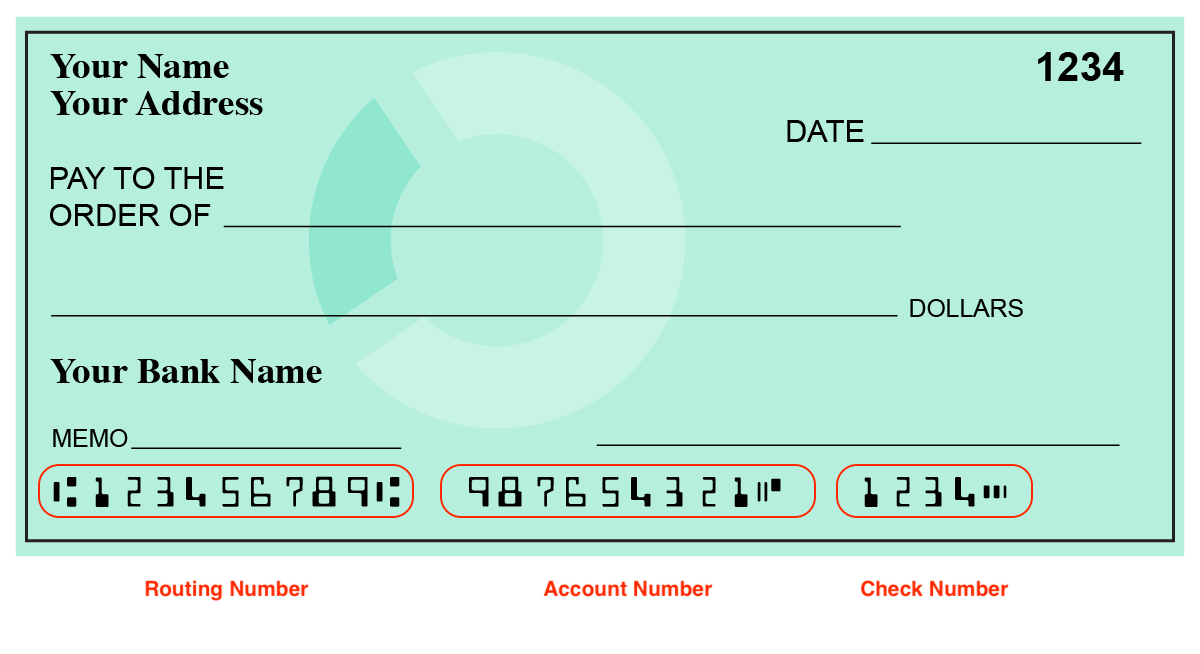
For many, the most traditional and readily accessible method to find their routing number is by looking at a personal check. At the bottom of a standard check, you will typically find three sets of numbers printed in magnetic ink. From left to right, these usually represent:
- The Routing Number: This is a nine-digit code, often enclosed by special symbols. It’s usually the first set of numbers on the left.
- Your Account Number: This varies in length and is typically the second set of numbers.
- The Check Number: This is a sequential three or four-digit number that matches the check number in the upper right corner.
It’s crucial to correctly identify the nine-digit routing number, as the other numbers can easily be mistaken for it. While this method is highly reliable, it obviously requires you to have a physical check readily available. If you’ve gone paperless or don’t use checks, other methods are equally effective.
Seamless Digital Access: Your Online Banking Portal
In today’s digital age, your online banking portal or mobile banking app is arguably the most convenient and frequently used method for locating your routing number. Financial institutions universally provide this information within their digital platforms.
To find it:
- Log In: Access your bank’s website or mobile app using your secure credentials.
- Navigate to Account Details: Look for sections labeled “Account Summary,” “Account Details,” “My Profile,” or similar. Often, clicking on a specific checking or savings account will reveal its associated details.
- Find the Routing Number: The routing number is typically displayed prominently alongside your account number, current balance, and other relevant information. Some banks may list it under a “Contact Us” or “FAQs” section within the online portal if it’s not immediately visible on your account summary page.
This method offers real-time access and is secure, as you are retrieving the information directly from your bank’s authenticated platform.
Scrutinizing Your Bank Statements
Whether you receive physical paper statements in the mail or access electronic statements online, your bank statement is another reliable source for your routing number.
On a physical statement, the routing number is usually printed near your account number, often at the top or bottom of the statement. For electronic statements, which you can typically download as a PDF from your online banking portal, the information will be in a similar location. This method is particularly useful if you need to confirm the routing number for an older account or if you’re unable to access your online banking immediately. Remember to handle physical statements with care due to the sensitive information they contain.
Alternative Avenues and Specific Scenarios for Retrieval
Beyond the primary methods, several other reliable sources exist for locating your bank’s routing number, alongside specific considerations for different types of financial transactions.
Consulting Your Bank’s Official Website
Even without logging into your personal account, you can often find your bank’s routing number directly on their public website. Banks understand the necessity of this information for their customers and frequently make it easily discoverable. Look for sections like:
- “Contact Us”: This page often lists phone numbers, addresses, and sometimes routing numbers.
- “FAQ” (Frequently Asked Questions): There’s usually a question dedicated to “What is my routing number?” or “Where can I find my routing number?”
- “About Us” or “Investor Relations”: Sometimes general bank information pages will include it.
- Direct Search Function: Many bank websites have a search bar; typing “routing number” will typically lead you to the relevant information.
It’s crucial to ensure you are on your bank’s official website to avoid phishing scams or misinformation. Always double-check the URL for legitimacy.
Direct Communication: Contacting Your Bank
When in doubt, or if you encounter difficulties using the methods above, directly contacting your bank’s customer service is always a reliable option.
- Phone Banking: Call your bank’s customer service number (usually found on your bank’s website, statement, or the back of your debit/credit card). Be prepared to verify your identity with personal information (e.g., account number, social security number, date of birth) to ensure you are the legitimate account holder.
- In-Person Visit: If you prefer face-to-face interaction, visiting a local branch and speaking with a teller or customer service representative can provide you with the routing number. They can also offer personalized assistance for complex situations.
While slightly less immediate than online methods, direct communication guarantees accuracy and provides an opportunity to clarify any related questions.
Special Cases: Wire Transfers and International Transactions
For standard domestic ACH transfers and electronic payments, the primary routing number you find through the methods above will suffice. However, certain specific scenarios, particularly involving large sums or international transfers, may require additional attention.
- Domestic Wire Transfers: While often using the same routing number as ACH transactions, some banks may have a dedicated routing number specifically for incoming wire transfers. It’s always best to verify with your bank or the receiving institution if there is any ambiguity, especially for high-value transactions.
- International Wire Transfers (SWIFT/BIC Code): This is a critical distinction. For sending or receiving money internationally, a SWIFT code (Society for Worldwide Interbank Financial Telecommunication) or BIC code (Bank Identifier Code) is almost always required instead of, or in addition to, the standard U.S. routing number. A SWIFT code is an alphanumeric code that identifies financial institutions worldwide. Each bank has a unique SWIFT code, and it functions similarly to a routing number but on a global scale. If you are involved in an international transaction, confirm whether a SWIFT/BIC code is needed and obtain the correct one from your bank or the recipient’s bank. Using a U.S. routing number for an international wire transfer will likely result in the transaction being rejected or significantly delayed.
Safeguarding Your Financial Data and Avoiding Errors
The accuracy of your routing number is paramount for the seamless flow of your financial transactions. Errors can range from minor inconveniences to significant financial headaches, making diligent attention to detail and robust security practices indispensable.
Why Accuracy is Paramount
An incorrect routing number can lead to a cascade of problems:
- Delayed Payments: Transactions will be rejected and sent back to the originator, requiring re-initiation and causing delays.
- Returned Payments and Fees: Many banks charge fees for returned items, both for the sender and sometimes the receiver.
- Funds Sent to Wrong Accounts: While less common than rejections, an incorrect but valid routing number could potentially direct funds to an unintended bank. Though banks have reconciliation processes for such errors, rectifying them can be a lengthy and frustrating ordeal.
Always double-check the routing number, especially when setting up new recurring payments or initiating large transfers.
Protecting Your Routing Number: Security Best Practices
While your routing number alone is generally less risky than your account number or full personal details, it is still sensitive financial information that should be protected.
- Treat it as Confidential: Avoid sharing your routing number unnecessarily or on unencrypted public networks.
- Beware of Phishing Scams: Legitimate banks and financial institutions will rarely ask for your routing number via unsolicited emails or texts. Be suspicious of any requests for this information that seem out of place.
- Use Secure Platforms: When entering your routing number online, ensure the website is secure (look for “https://” in the URL and a padlock icon).
- Monitor Bank Statements: Regularly reviewing your bank statements for unauthorized transactions can help catch potential issues early, regardless of how an incorrect routing number might have been used.
Verification and Double-Checking
Before finalizing any transaction involving your routing number, particularly for significant amounts or new payees, take a moment to verify the information. If you’re providing your routing number to someone, ensure they have the correct one. If you’re receiving someone else’s, consider cross-referencing it with their bank’s official website if possible. Some financial tools and platforms also incorporate verification steps to catch common errors before a transaction is processed.
By understanding what a routing number is, where to find it, and its critical role in the financial ecosystem, you empower yourself to manage your money with greater confidence and security. This seemingly small piece of information is, in fact, a cornerstone of modern personal and business finance, ensuring precision and reliability in every transaction.
aViewFromTheCave is a participant in the Amazon Services LLC Associates Program, an affiliate advertising program designed to provide a means for sites to earn advertising fees by advertising and linking to Amazon.com. Amazon, the Amazon logo, AmazonSupply, and the AmazonSupply logo are trademarks of Amazon.com, Inc. or its affiliates. As an Amazon Associate we earn affiliate commissions from qualifying purchases.