
Understanding your annual salary is far more nuanced than simply looking at a number on a job offer or a pay stub. It’s a foundational element of personal finance, career planning, and long-term wealth building. For many, it represents the primary source of income that dictates lifestyle, savings capacity, and financial goals. Beyond the headline figure, dissecting how your annual salary is calculated and what factors truly influence it is crucial for informed decision-making, effective budgeting, and strategic career progression. This article delves into the intricacies of annual salary, offering a comprehensive guide to understanding, evaluating, and leveraging your earnings.
Understanding the Basics: Gross vs. Net Salary
The journey to figuring out your annual salary begins with a fundamental distinction: gross versus net. These two terms are often used interchangeably or misunderstood, yet their difference is paramount to your financial reality.
Defining Gross Annual Salary
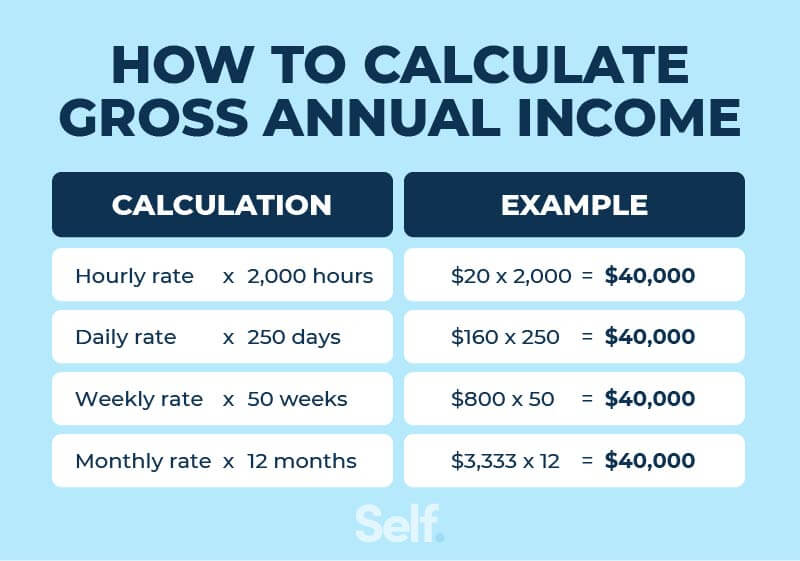
Your gross annual salary is the total amount of money your employer pays you before any deductions are taken out. It’s the figure typically advertised in job descriptions and discussed during salary negotiations. For most salaried employees, this is a fixed amount agreed upon for a year of work. However, it can also include various components beyond just your base pay:
-
Base Pay: The core compensation for your role.
-
Bonuses: Performance-based, signing, or year-end bonuses.
-
Commissions: Payments based on sales or targets met, common in roles like sales.
-
Overtime Pay: For hourly employees, hours worked beyond the standard workweek, often at a higher rate.
-
Tips: For service industry roles, though often not included in the “salary” figure, they contribute to total annual earnings.
Gross annual salary is important for determining your overall compensation package and for tax purposes, as tax brackets are often based on gross income. It’s your starting point, representing your earnings potential before any statutory or voluntary contributions reduce it.
Decoding Net Annual Salary (Take-Home Pay)
While gross salary is your earnings potential, net annual salary – often referred to as take-home pay – is what you actually receive in your bank account. This is the amount left after all deductions have been applied to your gross salary. These deductions can significantly reduce the gross figure, sometimes by as much as 20-40% or more, depending on your location, income level, and benefits choices. Common deductions include:
-
Federal, State, and Local Income Taxes: Mandatory withholdings based on your income and tax bracket.
-
Social Security and Medicare Taxes (FICA): Mandatory federal taxes that fund social welfare programs.
-
Health Insurance Premiums: Your contribution to health, dental, and vision insurance plans.
-
Retirement Contributions: Deductions for 401(k), 403(b), or other employer-sponsored retirement plans.
-
Other Pre-Tax Deductions: Contributions to Flexible Spending Accounts (FSAs), Health Savings Accounts (HSAs), or commuter benefits.
-
Post-Tax Deductions: Union dues, charitable contributions, or certain life insurance premiums.
Understanding your net annual salary is critical for budgeting and day-to-day financial management. It’s the real money you have available to cover living expenses, save, and invest. Overlooking the difference between gross and net can lead to significant financial miscalculations.
The Paystub: Your Financial Rosetta Stone
Your paystub is an invaluable document that details the breakdown of your gross and net pay. Learning to read it effectively is like having a financial Rosetta Stone, translating complex figures into actionable insights. It itemizes your current earnings, year-to-date totals, and every single deduction. Regularly reviewing your paystub allows you to:
-
Verify the accuracy of your pay and deductions.
-
Track your progress towards retirement savings goals.
-
Understand the true cost of your benefits.
-
Spot potential errors in withholdings.
-
Keep an eye on your taxable income.
Knowing how to interpret this document empowers you to manage your finances proactively and ensures you’re receiving the correct compensation.
Beyond the Base: Factors Influencing Your Annual Salary Calculation
While the gross salary figure is a good starting point, many elements can significantly alter your effective annual earnings and the overall value of your compensation package. A truly comprehensive understanding requires looking beyond the base rate.
Compensation Structure Variations
Not all jobs pay out in the same way, and the structure of your compensation directly impacts how you “figure” your annual salary.
-
Hourly vs. Salaried: Hourly employees are paid for each hour worked, making their annual salary variable based on hours. Overtime significantly boosts earnings. Salaried employees receive a fixed annual sum, regardless of hours worked (within reason), often without explicit overtime pay.
-
Commissions: Sales roles frequently include a base salary plus commissions. Figuring the annual salary here requires estimating average commission earnings, which can fluctuate wildly.
-
Piece-Rate: In some manufacturing or creative roles, workers are paid per unit produced or task completed. Annual income depends entirely on productivity.
-
Contract/Gig Work: Freelancers and contractors often charge hourly or project rates. Their annual income is highly variable and depends on securing sufficient work, making accurate forecasting challenging.
Understanding your specific compensation structure is vital for projecting reliable annual earnings.
Benefits and Perks: The Hidden Value
Many employees underestimate the monetary value of their benefits package, which can add tens of thousands of dollars to their total annual compensation. These “hidden” benefits are crucial to consider when evaluating a job offer or your current compensation:
-
Health Insurance: Employer contributions to health, dental, and vision insurance premiums can be substantial.
-
Retirement Plans: Employer matching contributions to 401(k)s, 403(b)s, or pension plans are essentially free money that significantly boosts your long-term savings.
-
Paid Time Off (PTO): Vacation days, sick leave, and holidays have a direct monetary value equivalent to your daily rate of pay.
-
Stock Options/Grants: Equity compensation can be a significant wealth generator, especially in tech startups or established corporations, though it often comes with vesting schedules and market risk.
-
Life and Disability Insurance: Employer-provided coverage offers financial protection for you and your family.
-
Tuition Reimbursement/Professional Development: Investing in your education and skills, which enhances your future earning potential, is a valuable perk.
When figuring your total annual compensation, it’s essential to quantify these benefits. Often, an HR department can provide a total compensation statement that outlines the full value of your package.
Performance-Based Incentives
Many roles tie a portion of an employee’s compensation to performance, which can add a variable but potentially significant component to annual earnings.
-
Performance Bonuses: Awarded based on individual, team, or company performance metrics. These can range from a small percentage of salary to substantial sums.
-
Profit Sharing: A portion of the company’s profits distributed to employees, often tied to company-wide financial success.
-
Equity Grants: Stock options, Restricted Stock Units (RSUs), or other forms of equity that vest over time. While not direct cash, their value can be realized upon vesting or sale, significantly boosting total compensation.
These incentives introduce a layer of unpredictability to annual salary calculations but represent important opportunities for increased earnings. Understanding the targets and criteria for these incentives allows you to better estimate your potential annual income.
Strategic Considerations for Salary Evaluation and Growth

Evaluating your annual salary isn’t a static exercise; it’s an ongoing process that requires strategic thinking about market trends, personal value, and career trajectory.
Market Value and Benchmarking
Knowing your worth in the job market is perhaps the most critical step in evaluating your annual salary. Your compensation should reflect industry standards, geographical location, your experience level, and your unique skill set.
-
Industry Standards: Researching what similar roles in your industry typically pay is fundamental.
-
Geographical Differences: Salaries vary significantly by location due to cost of living and local market demand. A salary that’s excellent in a rural area might be modest in a major metropolitan center.
-
Experience and Skills: More experience, specialized skills, and advanced degrees generally command higher salaries.
Utilize resources like Glassdoor, LinkedIn Salary, Payscale, and the Bureau of Labor Statistics to benchmark your salary against comparable roles. This data empowers you during negotiations and helps you identify if you are underpaid or competitively compensated.
Cost of Living Adjustments (COLA)
The nominal value of your annual salary doesn’t always reflect its real purchasing power. The cost of living in your area dramatically influences how far your salary goes. A $70,000 salary in San Francisco, CA, will have significantly less purchasing power than the same salary in Kansas City, MO. When comparing job offers or evaluating your current compensation, consider:
-
Housing Costs: Rent or mortgage payments are typically the largest expense.
-
Transportation: Commuting costs, public transit, or car ownership.
-
Utilities and Groceries: Everyday essentials.
-
Taxes: Local income, property, and sales taxes vary.
Some employers offer a Cost of Living Adjustment (COLA) for employees moving to high-cost areas, or annual raises might factor in inflation to maintain purchasing power.
The Role of Negotiation
Your annual salary isn’t always a fixed offer; it’s often a starting point for negotiation. Many individuals leave money on the table by not negotiating their initial salary or subsequent raises. Effective negotiation requires:
-
Research: Knowing your market value (as discussed above).
-
Justification: Clearly articulating your skills, experience, and the value you bring to the organization.
-
Confidence: Believing in your worth.
-
Focus on Total Compensation: Negotiating not just base salary but also bonuses, benefits, and perks.
Successful negotiation can lead to a significantly higher annual salary, impacting your financial well-being for years to come.
Career Progression and Skill Development
Your annual salary isn’t static over your career. Continuous learning, skill development, and strategic career moves are vital for long-term salary growth.
-
Upskilling and Reskilling: Acquiring new, in-demand skills can open doors to higher-paying roles or promotions.
-
Promotions: Moving into more senior roles with increased responsibilities typically comes with a higher salary.
-
Industry Changes: Some industries inherently pay more than others. A strategic move to a growth industry can boost earnings.
-
Networking: Building professional relationships can uncover opportunities for advancement and higher compensation.
Proactively managing your career development is a powerful way to ensure your annual salary continues to grow and align with your professional aspirations.
Leveraging Your Annual Salary for Financial Planning
Understanding how you figure your annual salary is not just an academic exercise; it’s a practical tool for effective financial planning and achieving your life goals. Your salary is the engine of your financial life.
Budgeting and Cash Flow Management
Your net annual salary is the cornerstone of your budget. A well-crafted budget uses this figure to allocate funds for expenses, savings, and debt repayment.
-
Fixed vs. Variable Expenses: Identify consistent costs (rent, loan payments) and fluctuating ones (groceries, entertainment).
-
Tracking Expenses: Monitor where your money goes to identify areas for adjustment or savings.
-
The 50/30/20 Rule: A popular budgeting guideline suggesting 50% of net income for needs, 30% for wants, and 20% for savings/debt repayment.
Effective budgeting ensures you live within your means, make informed spending decisions, and direct your income towards your financial priorities.
Setting Financial Goals
Your annual salary is the primary determinant of your capacity to achieve various financial goals.
-
Emergency Fund: Aim for 3-6 months of living expenses, derived from your net annual salary.
-
Debt Repayment: Allocate a portion of your income to aggressively pay down high-interest debt.
-
Savings for Large Purchases: Whether it’s a down payment on a home, a car, or a major vacation, your salary dictates how quickly you can save.
-
Retirement Planning: Your annual contributions to retirement accounts, often a percentage of your salary, directly impact your future financial security.
Clearly defined goals, paired with a realistic understanding of your income, make financial aspirations attainable.
Tax Planning Implications
Your annual salary plays a significant role in your tax liability. Understanding tax brackets, deductions, and credits is crucial for optimizing your tax situation.
-
Tax Brackets: Your gross annual salary determines the marginal tax rates applied to different portions of your income.
-
Pre-Tax Contributions: Contributions to 401(k)s, FSAs, and HSAs reduce your taxable income, effectively lowering your immediate tax burden.
-
Deductions and Credits: Familiarize yourself with eligible deductions (e.g., student loan interest, mortgage interest) and credits (e.g., child tax credit) that can further reduce your tax bill.
Strategic tax planning can save you a substantial amount annually, effectively increasing your net take-home pay.
The Future Outlook: Inflation and Raises
The real value of your annual salary can erode over time due to inflation, the gradual increase in prices for goods and services. A salary that feels comfortable today might feel insufficient in a few years if it doesn’t keep pace with inflation.
-
Inflation: Aim for annual raises that at least match the rate of inflation to maintain your purchasing power.
-
Merit-Based Raises: Performance-driven increases in your salary.
-
Cost of Living Adjustments (COLAs): Sometimes offered by employers to offset inflation.
Regularly evaluating your salary’s purchasing power and advocating for appropriate raises is essential for long-term financial health.

Conclusion
Figuring out your annual salary is a multifaceted process that extends far beyond a single number. It encompasses understanding the fundamental distinction between gross and net pay, recognizing the hidden value in benefits and performance incentives, and strategically evaluating your worth against market standards. More importantly, it’s about leveraging this comprehensive understanding to build a robust financial plan, set achievable goals, and navigate your career path with confidence. By adopting a proactive and informed approach to your annual salary, you transform it from a mere earnings figure into a powerful tool for financial empowerment and sustained personal prosperity. Take the time to truly understand your compensation, and you’ll unlock greater control over your financial future.
aViewFromTheCave is a participant in the Amazon Services LLC Associates Program, an affiliate advertising program designed to provide a means for sites to earn advertising fees by advertising and linking to Amazon.com. Amazon, the Amazon logo, AmazonSupply, and the AmazonSupply logo are trademarks of Amazon.com, Inc. or its affiliates. As an Amazon Associate we earn affiliate commissions from qualifying purchases.