
Caloric intake – the energy we consume through food and drink – is a fundamental pillar of health, weight management, and athletic performance. Understanding and accurately determining one’s daily caloric needs is crucial for achieving various personal goals, whether it’s gaining muscle, losing weight, or maintaining a healthy lifestyle. For decades, this process relied on manual calculations, generalized charts, and often, educated guesswork. However, in the 21st century, the landscape has been dramatically transformed by an explosion of technological innovation. From sophisticated algorithms embedded in our smartphones to advanced wearable devices and artificial intelligence, determining caloric intake has evolved from a cumbersome task into an integrated, often seamless, digital experience. This article delves into how modern technology empowers individuals to precisely monitor, understand, and manage their energy consumption, offering insights into the tools and methodologies that define the contemporary approach to nutritional tracking. We will explore how software, AI, and smart gadgets have not only simplified this complex process but also enhanced its accuracy and personalization, revolutionizing how we interact with our food and our bodies.
The Foundational Science of Caloric Intake and its Digital Translation
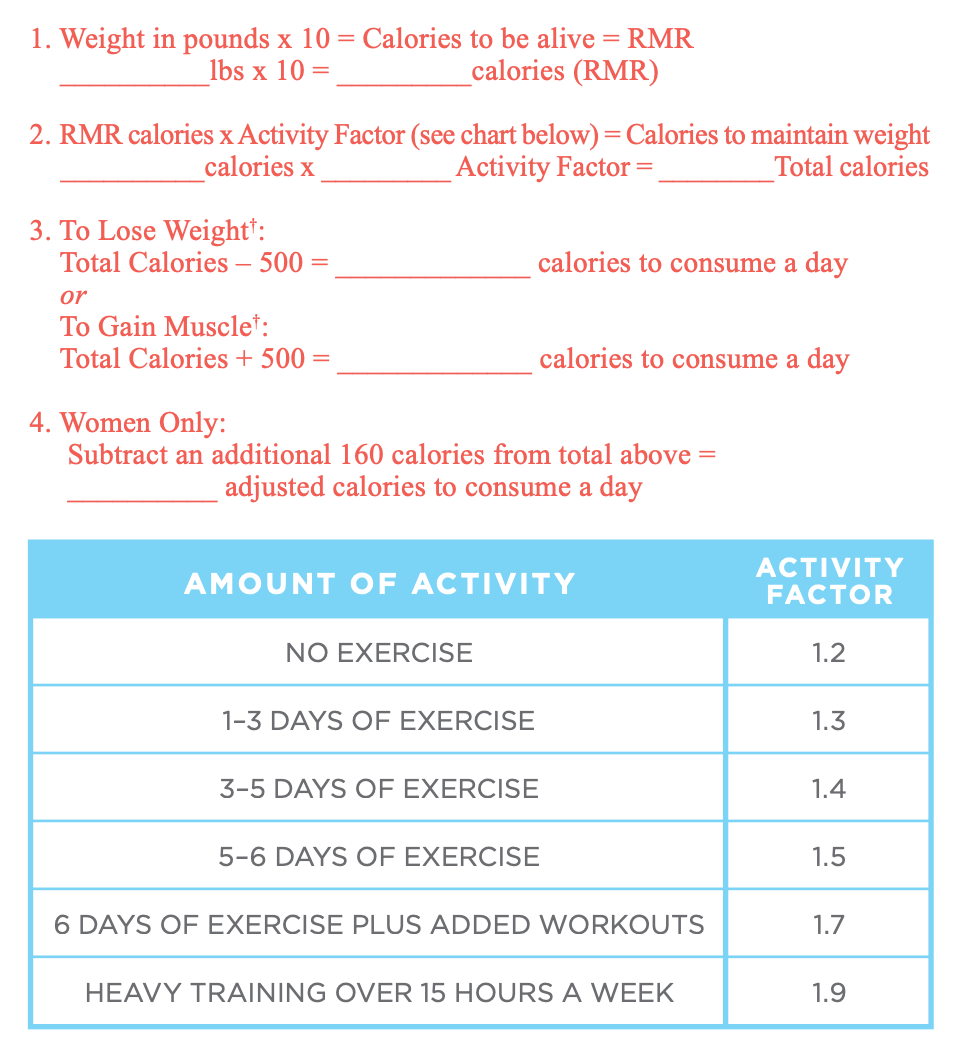
Before diving into the technological solutions, it’s essential to grasp the underlying physiological principles that govern caloric intake and expenditure. Our bodies require a certain amount of energy to perform basic life-sustaining functions, known as our Basal Metabolic Rate (BMR). Beyond that, every physical activity, from walking to intense exercise, adds to our total daily energy expenditure (TDEE). Traditionally, these values were estimated using complex equations (like the Mifflin-St Jeor or Harris-Benedict formulas) or by consulting generalized tables.
Algorithmic Calculation of BMR and TDEE
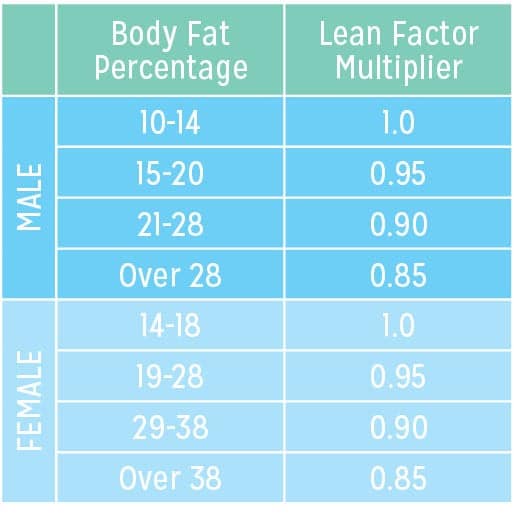
Modern fitness applications and online calculators have digitized these formulas. Users input basic demographic data such as age, gender, height, and weight, and the software instantly computes their estimated BMR. Further, by selecting activity levels (sedentary, moderately active, very active, etc.), these digital tools apply activity multipliers to calculate the TDEE. This instant gratification and elimination of manual arithmetic make the initial assessment of caloric needs far more accessible. While these algorithmic calculations provide a strong baseline, their accuracy can still vary depending on the specificity of the input and the underlying formula used by the software. Advanced applications might even integrate factors like body fat percentage, if provided, for a more nuanced BMR estimation, offering a more precise starting point for caloric planning.
Beyond Simple Equations: Predictive Modeling
Some cutting-edge platforms are moving beyond static equations, employing machine learning models to refine BMR and TDEE predictions over time. By analyzing a user’s consistent tracking data (food intake, activity levels, weight changes), these algorithms can identify individual metabolic patterns and adjust caloric recommendations dynamically. This creates a much more personalized and adaptive caloric intake target, moving away from a ‘one-size-fits-all’ approach. For instance, if a user consistently burns more calories during a particular activity than the standard estimation, the system learns and adapts. This predictive capability represents a significant leap from traditional methods, offering a continuously improving estimate tailored to the individual’s unique physiology and lifestyle, leading to more effective and sustainable results.
Leveraging Wearable Technology for Real-Time Calorie Tracking
Wearable technology has arguably been the biggest game-changer in personal health monitoring, offering unprecedented insights into our bodies in real-time. Smartwatches, fitness trackers, and other sensors are no longer mere pedometers; they are sophisticated health companions, and their role in determining caloric expenditure is pivotal.
Accelerometers and Heart Rate Monitors
The core of most wearable calorie expenditure tracking lies in their integrated sensors. Accelerometers track movement, steps taken, and even differentiate between various activities like walking, running, or cycling. Heart rate monitors (optical or ECG-based) provide crucial data on the intensity of physical exertion. By combining movement data with heart rate zones, algorithms within the wearable device and its companion app can estimate the number of calories burned during exercise and throughout the day. More advanced devices incorporate GPS for outdoor activities, elevation tracking, and even skin temperature sensors to further refine these energy expenditure estimates. This multi-sensor approach provides a far more comprehensive and dynamic picture of daily energy expenditure than previously possible.
Integration with Calorie Tracking Apps
The true power of wearables emerges when they seamlessly integrate with dedicated calorie tracking applications. Data on calories burned from activities is automatically synced from the wearable to the app, providing a comprehensive picture of energy balance. This eliminates the need for manual logging of exercise, reducing user effort and improving adherence. For example, a morning run tracked by a smartwatch will automatically update the “calories burned” section in a user’s chosen nutrition app, providing an up-to-the-minute net caloric balance. The real-time feedback loop, showing calories consumed versus calories expended, empowers users to make immediate adjustments to their food intake or activity levels, fostering a more proactive approach to health management. This interoperability between devices and software platforms is a cornerstone of the modern digital health ecosystem.
Continuous Glucose Monitors (CGMs) and Future Wearables
While not directly tracking caloric intake in the traditional sense, emerging wearable technologies like Continuous Glucose Monitors (CGMs), initially for diabetes management, are beginning to offer insights into how different foods impact an individual’s metabolism. Research is exploring how data from CGMs, combined with other sensors, could potentially contribute to more personalized dietary recommendations and an understanding of nutrient assimilation, indirectly influencing caloric advice. For instance, a CGM might reveal that a particular food causes a sharp glucose spike in one individual, suggesting that while calorically similar to another food, its metabolic impact might be different. Future wearables might even incorporate sweat analysis or other biochemical markers to provide even more precise and personalized metabolic insights, pushing the boundaries of what’s possible in real-time energy management and dietary precision.
The Power of AI and Smart Apps in Personalized Nutrition
Beyond basic tracking, artificial intelligence and sophisticated mobile applications are transforming how we understand and manage our caloric intake, moving towards highly personalized and predictive nutrition.
AI-Driven Food Recognition and Logging
One of the most tedious aspects of caloric intake determination has historically been the manual logging of food consumed. AI is revolutionizing this with features like image recognition and natural language processing. Users can now simply snap a picture of their meal, and AI algorithms can identify food items, estimate portion sizes, and automatically log the caloric and macronutrient content. Similarly, voice commands or text input allow users to describe their meals, with AI converting this into trackable data. This drastically reduces the friction associated with food logging, making it more accurate and sustainable for users. For example, an app could identify “chicken breast, broccoli, and rice” from a photo and populate the nutritional data. While still evolving, the accuracy of these systems is rapidly improving with vast datasets and deep learning techniques, making calorie counting less of a chore.
Personalized Meal Planning and Recipe Generation
Leveraging AI, many nutrition apps can now do more than just track; they can actively guide. By analyzing a user’s caloric goals, dietary preferences (vegetarian, keto, gluten-free, etc.), allergies, and even past eating habits, AI algorithms can generate personalized meal plans and suggest recipes. These recommendations are dynamically adjusted based on the user’s progress, activity levels, and feedback. This moves beyond simple calorie counting to holistic dietary guidance, ensuring users meet their nutritional targets while enjoying varied and palatable meals, all within their set caloric boundaries. Some advanced systems can even consider local grocery availability or cost-effectiveness when suggesting meals, creating a truly comprehensive and user-centric approach to meal management.
Data Analysis, Trends, and Predictive Insights
The sheer volume of data collected by these smart apps, spanning weeks, months, or even years, becomes incredibly valuable when processed by AI. These tools can identify long-term trends in eating habits, pinpoint common caloric pitfalls, and highlight successful strategies. For example, an AI might notice that a user consistently overeats on weekend evenings and suggest proactive strategies like meal prepping or scheduled light snacks. It can also predict future weight changes based on current intake and activity patterns, offering proactive adjustments to prevent plateaus or promote further progress. This level of insightful data analysis transforms raw numbers into actionable intelligence, empowering users to make more informed and sustainable choices about their caloric intake.
Navigating the Digital Landscape: Accuracy, Privacy, and Future Trends
While technology offers unparalleled convenience and precision in determining caloric intake, it’s crucial to approach these tools with a discerning eye, understanding their limitations and the implications of sharing personal health data.
The Quest for Accuracy and Calibration
The accuracy of caloric intake and expenditure estimates from apps and wearables is a persistent topic of discussion. While significant advancements have been made, various factors can influence precision, including individual metabolic differences, sensor calibration, and the quality of food databases. Users should be aware that these are estimates, and regular calibration (e.g., manually weighing food items for a period, cross-referencing activity calories with known efforts or lab tests) can help improve their reliability. For instance, a wearable’s calorie burn estimate might be more accurate for running than for strength training due to current sensor limitations. Future developments in sensor technology and AI are continually striving to minimize these margins of error, with research into non-invasive metabolic sensors holding particular promise. Users should view these tools as powerful guides rather than infallible arbiters.
Digital Security and Data Privacy Concerns
Using technology to track caloric intake involves sharing highly personal health data, from biometric information to detailed dietary logs. This raises critical questions about digital security and data privacy. Users must be diligent in choosing reputable apps and devices that clearly outline their data handling policies, encryption standards, and privacy settings. Understanding where data is stored, who has access to it, and for what purpose it is used is paramount. For example, does the app share anonymized data with third parties for research, or is personal information used for targeted advertising? The industry is responding with stricter privacy regulations (like GDPR) and enhanced security protocols, but user vigilance remains key in protecting sensitive personal information in an increasingly data-driven world.
The Future of Connected Nutrition
The trajectory of technology in determining caloric intake points towards an even more integrated and intuitive future. We can anticipate further advancements in sensor technology (e.g., non-invasive blood sugar or ketone monitoring, gut microbiome analysis integration), more sophisticated AI for hyper-personalized recommendations, and seamless integration across an even wider array of smart devices (smart kitchens that weigh ingredients, smart refrigerators that track inventory). The vision is a holistic “connected nutrition” ecosystem where caloric intake is not just tracked but intelligently managed, personalized, and optimized for individual health, performance, and longevity, all facilitated by an increasingly intelligent digital infrastructure. Imagine a future where your smart oven suggests recipes based on your caloric goals and the ingredients in your fridge, automatically logging the meal as you prepare it.

Conclusion
Determining caloric intake, once a tedious and often imprecise endeavor, has been profoundly revolutionized by technology. From the foundational algorithmic calculations of BMR and TDEE in dedicated software to the real-time activity monitoring of wearable devices, and the intelligent personalization offered by AI-driven applications, the digital age provides unprecedented tools for understanding our energy balance. These technologies empower individuals with data, insights, and actionable guidance, transforming the journey toward health and fitness. As we move forward, the convergence of advanced sensors, smarter AI, and enhanced digital security promises an even more integrated and accurate future for personalized nutrition, making the question “how do you determine caloric intake?” increasingly answered by sophisticated digital companions. Embracing these innovations thoughtfully will be key to unlocking their full potential in our pursuit of optimal well-being.
aViewFromTheCave is a participant in the Amazon Services LLC Associates Program, an affiliate advertising program designed to provide a means for sites to earn advertising fees by advertising and linking to Amazon.com. Amazon, the Amazon logo, AmazonSupply, and the AmazonSupply logo are trademarks of Amazon.com, Inc. or its affiliates. As an Amazon Associate we earn affiliate commissions from qualifying purchases.