
Understanding how your salary is calculated is more than just knowing your take-home pay; it’s a fundamental aspect of personal finance, budgeting, and career planning. For many, the journey from an agreed-upon annual figure to the final amount deposited into their bank account remains a mystery. This guide aims to demystify the complex process of salary calculation, breaking down the various components that contribute to your gross earnings and the mandatory and voluntary deductions that shape your net income. Whether you’re an employee trying to make sense of your pay stub, a job seeker evaluating compensation packages, or a small business owner navigating payroll, grasping these concepts is crucial for sound financial management and informed decision-making.
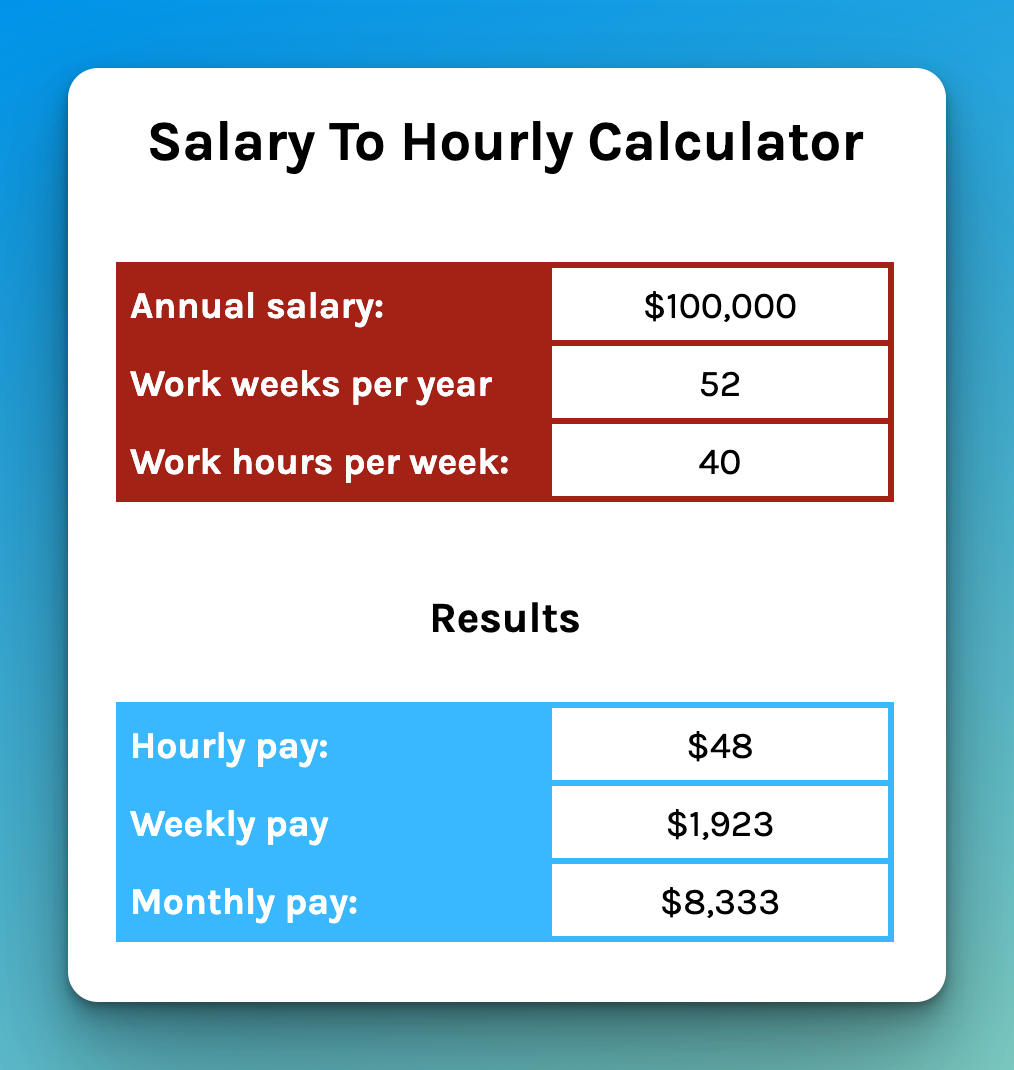
The Anatomy of a Gross Salary: Building Blocks of Your Compensation
Your gross salary is the total amount of money you earn before any deductions are taken out. It’s the headline figure often quoted in job offers and represents your full earning potential from a specific role. However, gross salary itself can be composed of several distinct elements, each contributing to the overall compensation package.
Base Pay: The Foundation of Your Earnings
At the core of almost every salary calculation is the base pay. This is the fixed amount of money you receive for performing your job duties, typically expressed as an annual figure, an hourly rate, or a monthly salary. Base pay is the most stable and predictable component of your earnings, forming the bedrock upon which other elements of your compensation package are built. It’s crucial for budgeting as it represents the minimum regular income you can expect. Factors influencing base pay include your role, industry, experience level, geographical location, and the employing company’s pay structure and financial health. A higher base pay generally translates to higher take-home pay, assuming all other factors remain constant, making it a primary focus during salary negotiations.
Commissions and Bonuses: Performance-Based Additions
Beyond the fixed base pay, many roles offer variable components tied to performance, sales, or company profitability. These can significantly boost your gross salary, though they are often less predictable than base pay.
- Commissions are typically found in sales roles, where employees earn a percentage of the revenue or profit they generate. The calculation for commissions can vary widely, from a simple percentage of sales to tiered structures that reward higher volumes with increasingly attractive rates. Understanding the commission structure is vital for sales professionals, as it directly impacts their earning potential and can form a substantial portion of their overall income.
- Bonuses are one-time or periodic payments given for achieving specific goals, exceptional performance, or as a share of company profits. They can be individual, team-based, or company-wide. Examples include annual performance bonuses, signing bonuses, retention bonuses, or project completion bonuses. While not guaranteed, bonuses can significantly enhance an employee’s annual compensation, often serving as a powerful incentive and a reward for hard work and loyalty.
Overtime and Allowances: Additional Earning Streams
Certain circumstances or job roles may also include additional income streams that contribute to your gross salary.
- Overtime Pay refers to the additional compensation an employee receives for working beyond their standard scheduled hours. In many countries, labor laws mandate overtime pay rates, often at 1.5 times (time-and-a-half) or even double the regular hourly rate for hours worked past a certain threshold (e.g., 40 hours in a week). For hourly employees, accurately tracking hours worked is essential for calculating potential overtime earnings.
- Allowances are payments made to employees to cover specific expenses or provide additional compensation for certain conditions. Common allowances include transportation allowances, housing allowances, meal allowances, uniform allowances, or remote work stipends. While some allowances may be non-taxable under specific conditions, many are treated as taxable income and thus contribute to your gross salary before deductions. Understanding which allowances you receive and their tax implications is important for a complete picture of your earnings.
Decoding Deductions: What Shrinks Your Take-Home Pay?
Once your gross salary is determined, the next critical step in calculating your actual pay involves understanding deductions. These are amounts subtracted from your gross earnings, resulting in your net pay or “take-home” pay. Deductions fall into two primary categories: mandatory and voluntary, each with distinct purposes and implications.
Mandatory Deductions: Taxes and Social Security Contributions
These are non-negotiable subtractions from your salary, required by law. They are collected by employers on behalf of various government entities and are crucial for funding public services and social welfare programs.
- Income Tax: This is the most significant mandatory deduction for most employees. The amount withheld depends on your income level, tax jurisdiction (federal, state, local), and your tax filing status (e.g., single, married, head of household) and any allowances or credits you claim. Income tax is progressive, meaning higher earners generally pay a larger percentage of their income in taxes.
- Social Security Contributions: In many countries, employees contribute a portion of their earnings to social security programs. In the U.S., this includes Social Security (for retirement, disability, and survivor benefits) and Medicare (for hospital insurance). Employers typically match these contributions, demonstrating a shared responsibility for these vital social safety nets. The rates are usually fixed up to a certain income threshold.
- Other Mandatory Deductions: Depending on the region, other mandatory deductions might include state disability insurance, local taxes, or unemployment insurance contributions. Employers are legally obligated to withhold these amounts and remit them to the appropriate government agencies.
Voluntary Deductions: Benefits, Retirement, and Other Programs
Beyond mandatory deductions, many employees opt for voluntary deductions from their paychecks. These are typically for benefits or programs offered by the employer that enhance financial well-being, health, or personal development.
- Health Insurance Premiums: If your employer offers health, dental, or vision insurance, your share of the premium is often deducted directly from your paycheck. The amount depends on the plan you choose and whether you’re covering just yourself or your family.
- Retirement Plan Contributions: Contributions to employer-sponsored retirement plans, such as 401(k)s in the U.S. or pension schemes, are a common voluntary deduction. These contributions are often pre-tax, meaning they are deducted before income taxes are calculated, which can lower your taxable income in the current year. Employer matching contributions are a valuable benefit that effectively increases your total compensation.
- Life and Disability Insurance: Premiums for supplemental life insurance or long-term disability insurance policies offered through your employer can also be deducted from your pay.
- Other Benefits: This category can include deductions for flexible spending accounts (FSAs), health savings accounts (HSAs), commuter benefits, gym memberships, union dues, or charitable contributions. The availability and nature of these deductions vary significantly by employer.
Pre-Tax vs. Post-Tax Deductions: Understanding the Impact
A critical distinction in understanding deductions is whether they are “pre-tax” or “post-tax.”
- Pre-Tax Deductions are taken out of your gross pay before income taxes are calculated. This means they reduce your taxable income, potentially lowering your overall tax liability. Common examples include contributions to 401(k)s, health insurance premiums, and FSA contributions. These are highly beneficial for tax planning.
- Post-Tax Deductions are taken out of your pay after income taxes have been calculated and withheld. They do not reduce your taxable income. Examples include Roth 401(k) contributions (where you pay taxes now but withdrawals are tax-free in retirement), union dues (in some cases), or specific charitable contributions.
Understanding this distinction is vital for accurately projecting your net pay and making informed financial decisions regarding benefit enrollment.
From Gross to Net: The Ultimate Salary Calculation
The journey from your initial gross salary figure to the actual amount that lands in your bank account – your net pay – is the culmination of understanding both your earnings and your deductions. This is the practical calculation that dictates your daily financial reality and forms the basis for your budget.
Step-by-Step Calculation: A Practical Example
Let’s illustrate with a simplified example to bring the components together.
Scenario: An employee earns an annual base salary of $60,000, receives a $5,000 annual performance bonus, and has an average of $200 per month in overtime.
1. Calculate Gross Annual Salary:
- Base Salary: $60,000
- Bonus: $5,000
- Overtime (monthly $200 x 12): $2,400
- Total Gross Annual Salary = $60,000 + $5,000 + $2,400 = $67,400
2. Calculate Gross Pay Per Pay Period:
- Assuming bi-weekly pay (26 pay periods per year): $67,400 / 26 = $2,592.31 per pay period (approx.)
3. Apply Deductions (Example, using rough percentages for illustration):
- Mandatory Deductions (Pre-Tax basis for income tax):
- Federal Income Tax: Let’s assume 15% effective rate for this income level = $2,592.31 * 0.15 = $388.85
- Social Security & Medicare (FICA): Let’s assume 7.65% = $2,592.31 * 0.0765 = $198.24
- State Income Tax: Let’s assume 3% effective rate = $2,592.31 * 0.03 = $77.77
- Voluntary Deductions (Pre-Tax):
- 401(k) Contribution: $100 per pay period
- Health Insurance Premium: $50 per pay period
- Voluntary Deductions (Post-Tax):
- Life Insurance: $10 per pay period
4. Calculate Net Pay:
- Gross Pay: $2,592.31
- Total Pre-Tax Deductions: $100 (401k) + $50 (Health Insurance) = $150
- Taxable Income (for federal/state taxes) = Gross Pay – Pre-Tax Deductions: $2,592.31 – $150 = $2,442.31
- Re-calculate Income Tax based on Taxable Income:
- Federal Income Tax: $2,442.31 * 0.15 = $366.35
- State Income Tax: $2,442.31 * 0.03 = $73.27
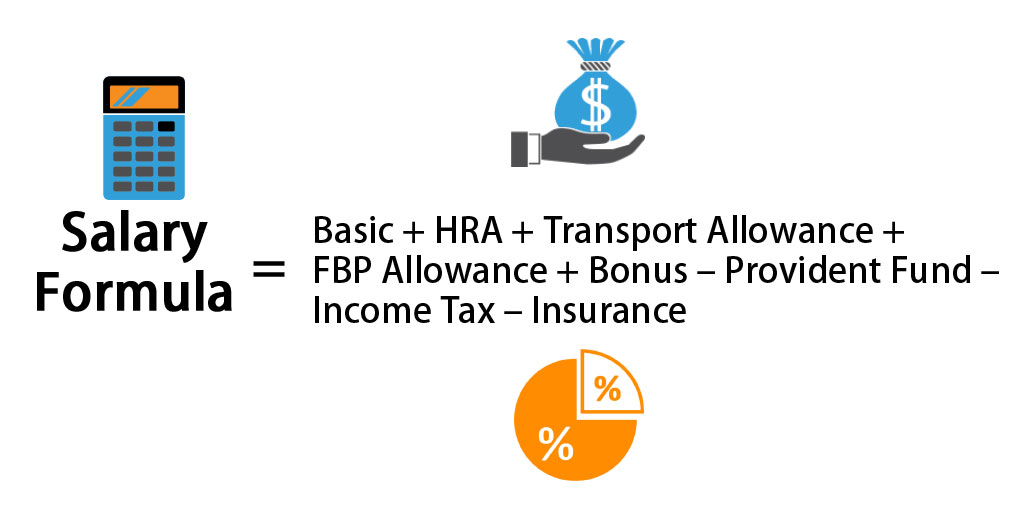
- Total Deductions = Federal Tax + State Tax + FICA + Pre-Tax Voluntary + Post-Tax Voluntary:
- $366.35 + $73.27 + $198.24 + $150 + $10 = $797.86
- Net Pay = Gross Pay – Total Deductions: $2,592.31 – $797.86 = $1,794.45 per pay period.
This example highlights how pre-tax deductions reduce the amount of income subject to federal and state income taxes, but not necessarily FICA taxes which might apply to the full gross amount up to a limit.
The Role of Payroll Software and HR Departments
Thankfully, most employees don’t have to perform these complex calculations manually for every paycheck. Modern payroll software systems, managed by HR or finance departments, automate the entire process. These systems factor in:
- Employee’s base pay, hours worked, and any variable earnings.
- Tax withholding information (W-4 forms in the U.S., or equivalent).
- Applicable federal, state, and local tax laws and rates.
- Employee benefit elections and contribution amounts.
- Garnishments or other mandatory withholdings.
Payroll specialists ensure compliance with ever-changing tax laws and regulations, minimizing errors and ensuring employees are paid accurately and on time. Their expertise is invaluable in navigating the intricacies of salary calculation.
Understanding Your Pay Stub: Your Personal Financial Statement
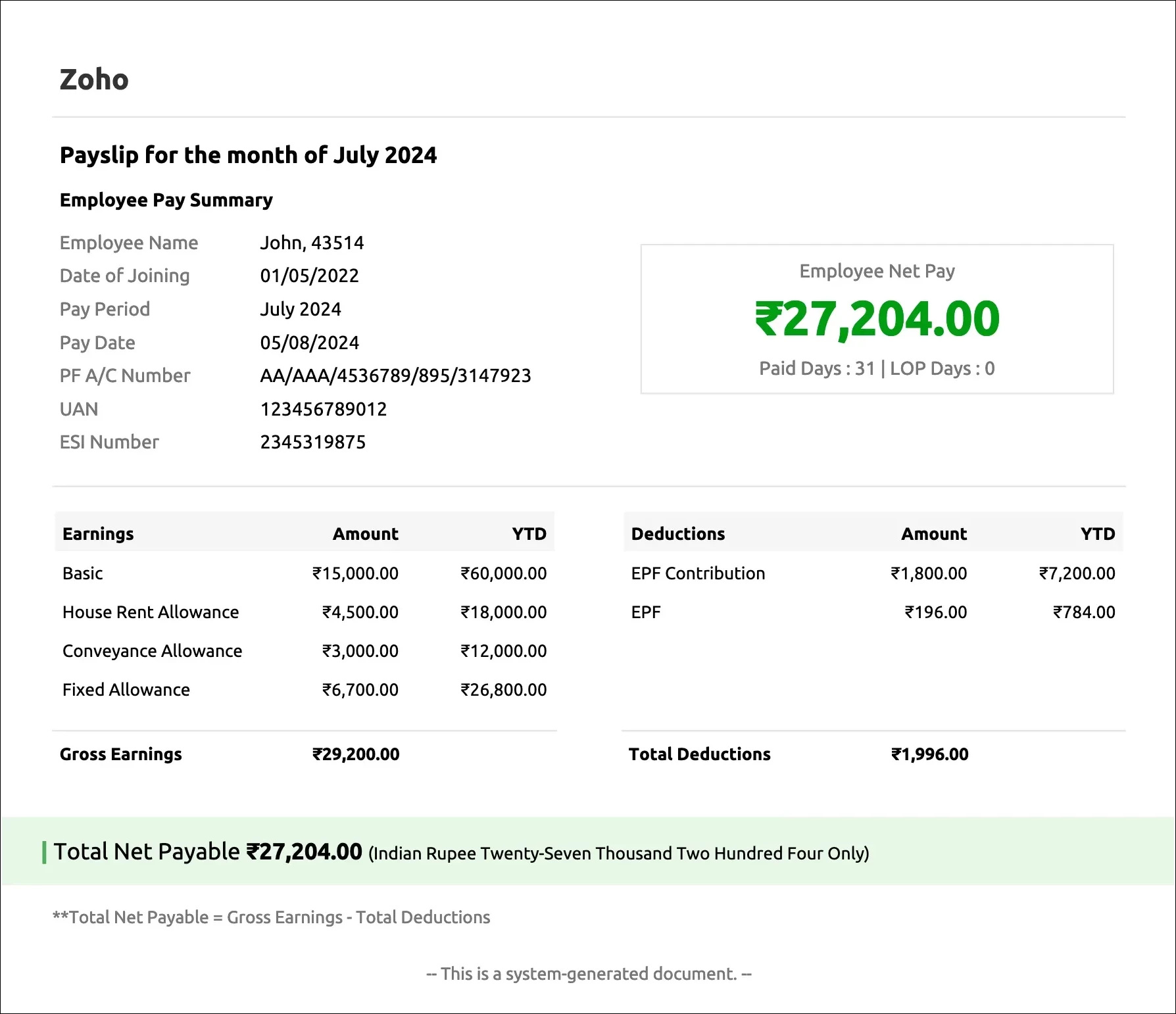
Your pay stub (or payslip) is more than just a receipt of payment; it’s a detailed financial statement that outlines all aspects of your salary calculation for a specific pay period. Learning to read and understand your pay stub is crucial for several reasons:
- Verification: It allows you to verify that your gross pay, hours worked, and deductions are correct.
- Budgeting: It shows your exact net pay, which is the figure you use for budgeting and financial planning.
- Tax Planning: It details your year-to-date earnings and taxes withheld, helping you track your tax obligations and avoid surprises at tax time.
- Benefit Review: It confirms your contributions to retirement plans, health insurance, and other benefits, ensuring they align with your elections.
A typical pay stub will clearly list:
- Gross earnings for the current period and year-to-date.
- Breakdown of all mandatory and voluntary deductions.
- Net pay for the current period and year-to-date.
- Personal information, tax filing status, and employer details.
Regularly reviewing your pay stub empowers you to spot discrepancies, understand your financial position, and make informed decisions about your money.
Beyond the Basics: Factors Influencing Salary Calculation and Negotiation
While the mechanics of calculating gross to net pay are universal, the amount of salary you earn is influenced by a myriad of factors. Understanding these can be crucial during job searches, performance reviews, and salary negotiations.
Geographical Impact and Cost of Living Adjustments
Where you work significantly impacts your salary. Salaries are often adjusted to reflect the local cost of living. A salary that provides a comfortable lifestyle in a low-cost area might be insufficient in a high-cost metropolitan city. Companies often conduct market research to set competitive salaries based on regional economic data, housing costs, transportation, and consumer prices. This also influences decisions about remote work, with some companies adjusting salaries based on the employee’s location rather than the company’s headquarters.
Industry Standards and Market Value
Different industries have vastly different pay scales, even for similar roles. Factors like the demand for specific skills, the industry’s profitability, and the level of specialization required all play a role. For instance, a software engineer in the tech industry typically earns significantly more than a marketing specialist in a non-profit organization, even with comparable experience levels. Researching industry benchmarks and understanding the market value for your specific role and skill set is essential for evaluating job offers and negotiating effectively. Resources like salary aggregators, industry surveys, and professional networks can provide valuable insights into market rates.
Education, Experience, and Skills Premium
Your educational background, years of professional experience, and the specialized skills you possess are primary drivers of your earning potential.
- Education: Higher levels of education (e.g., Master’s degrees, PhDs) often correlate with higher salaries, particularly in fields requiring advanced theoretical knowledge or research capabilities.
- Experience: As you gain more experience, you typically command higher salaries, reflecting your increased expertise, proven track record, and ability to handle more complex responsibilities. Each year of experience often adds a measurable premium to your salary.
- Skills: Highly sought-after or niche skills (e.g., specific programming languages, data analytics, project management certifications, foreign languages) can create a “skills premium,” allowing you to negotiate for higher compensation. Continuous learning and skill development are therefore direct investments in your earning potential.
Total Compensation Package: Beyond Base Salary
While base salary is a critical component, it’s vital to consider the entire “total compensation package” when evaluating an offer. This holistic view includes:
- Benefits: Health, dental, vision insurance; life and disability insurance.
- Retirement Plans: 401(k)s, pensions, employer matching contributions.
- Paid Time Off: Vacation days, sick leave, holidays, parental leave.
- Equity: Stock options, restricted stock units (RSUs), particularly common in tech startups.
- Perks: Wellness programs, professional development stipends, tuition reimbursement, flexible work arrangements, company vehicles, meal programs.
A lower base salary might be offset by a robust benefits package, significant equity potential, or generous paid time off. Understanding the monetary value of these non-salary components is crucial for making a comprehensive assessment of your overall compensation and financial well-being.
Why Understanding Your Salary Calculation Matters
Mastering the intricacies of salary calculation is not merely an academic exercise; it has profound practical implications for your financial health and career trajectory.
Budgeting and Financial Planning
Your net pay is the real money you have available to spend, save, and invest. A clear understanding of how this figure is derived allows you to create an accurate and realistic budget. Without knowing your true take-home pay, budgeting becomes a guessing game, potentially leading to overspending, debt, or missed savings goals. It also enables you to project future earnings more accurately, facilitating long-term financial planning for major life events like buying a home, retirement, or funding education.
Tax Planning and Optimization
Knowing your gross income and the various pre-tax deductions you utilize helps you understand your taxable income. This knowledge is empowering for tax planning. You can make informed decisions about increasing contributions to pre-tax retirement accounts or HSAs to potentially lower your taxable income. It also helps you estimate your annual tax liability and adjust your W-4 (or equivalent) withholdings to avoid either overpaying (giving the government an interest-free loan) or underpaying (facing penalties).
Empowering Career Decisions and Negotiation
When you understand how salary is calculated and what factors influence it, you gain a powerful advantage in career decision-making and salary negotiations. You can:
- Evaluate Job Offers Critically: Move beyond the headline gross salary to assess the true value of a compensation package, considering all benefits and deductions.
- Negotiate Effectively: Armed with knowledge about market rates, industry standards, and the value of your skills and experience, you can negotiate for a salary that accurately reflects your worth.
- Plan for Growth: Identify how increasing your skills, education, or experience can directly translate into higher earning potential.
- Understand Career Transitions: Accurately compare financial outcomes of different career paths, geographic moves, or employment types (e.g., salaried vs. contract work).
In conclusion, “how do you calculate salary” is a question with a multi-faceted answer, extending from base pay to complex tax implications. By breaking down your gross earnings and meticulously examining all deductions, you transform a seemingly opaque process into a transparent understanding of your financial landscape. This knowledge is an indispensable tool for personal finance, enabling you to budget effectively, optimize your taxes, and make strategic career choices that pave the way for long-term financial security and prosperity.
aViewFromTheCave is a participant in the Amazon Services LLC Associates Program, an affiliate advertising program designed to provide a means for sites to earn advertising fees by advertising and linking to Amazon.com. Amazon, the Amazon logo, AmazonSupply, and the AmazonSupply logo are trademarks of Amazon.com, Inc. or its affiliates. As an Amazon Associate we earn affiliate commissions from qualifying purchases.