
Securing a small business loan can be a pivotal moment for entrepreneurs, providing the capital needed to start a new venture, expand operations, purchase equipment, or manage cash flow. However, the application process can often seem daunting, a maze of paperwork, financial jargon, and strict eligibility requirements. Understanding each step, from initial preparation to final approval, is crucial for navigating this landscape successfully. This guide demystifies the small business loan application process, offering a clear, insightful, and professional roadmap for entrepreneurs seeking vital financial resources.
Understanding Small Business Loans: Types and Benefits
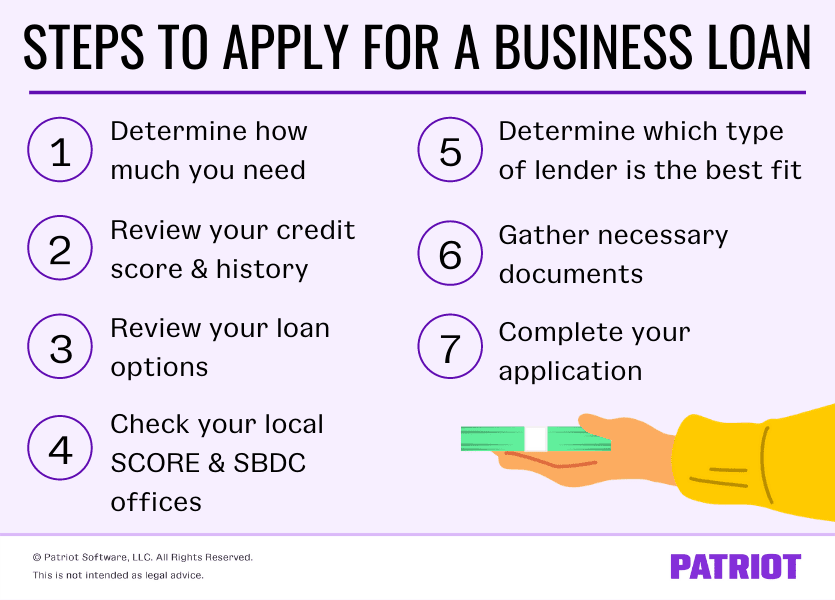
Before embarking on the application journey, it’s essential to understand the diverse landscape of small business loans available. Not all loans are created equal, and the best fit for your business depends on your specific needs, financial situation, and growth stage. Each type comes with its own set of advantages, disadvantages, and application nuances.
Traditional Bank Loans
Traditional banks remain a cornerstone for business financing. They typically offer a range of products, including term loans, lines of credit, and commercial mortgages. These loans often come with competitive interest rates and longer repayment terms, making them attractive for established businesses with strong credit histories and substantial collateral. However, the application process can be rigorous, requiring extensive documentation, a solid business plan, and a proven track record of financial stability. Banks are generally more risk-averse, meaning newer businesses or those with volatile revenues might find it harder to qualify. The benefits, however, include lower borrowing costs and established relationships that can lead to additional financial services.
SBA-Backed Loans
The U.S. Small Business Administration (SBA) does not lend money directly but rather guarantees a significant portion of loans made by commercial lenders (banks, credit unions, and other financial institutions). This guarantee reduces the risk for lenders, making them more willing to provide financing to small businesses that might not qualify for conventional loans. SBA loans, such as the popular 7(a) loan program, CDC/504 loans for real estate and equipment, and Microloans, often feature lower down payments, longer repayment periods, and competitive interest rates. They are particularly beneficial for startups, businesses in underserved communities, or those looking to expand. The application process for an SBA loan involves satisfying both the lender’s requirements and the SBA’s specific eligibility criteria, which can add layers of complexity but open doors to capital otherwise unavailable.
Alternative Lenders and Online Loans
The rise of financial technology (fintech) has led to a proliferation of alternative and online lenders. These platforms often offer quicker application processes and faster funding times compared to traditional banks. They cater to a wider spectrum of businesses, including those with shorter operating histories, lower credit scores, or urgent capital needs. Examples include short-term loans, merchant cash advances, invoice factoring, and equipment financing from online providers. While their accessibility is a major draw, borrowers should be mindful that these loans often come with higher interest rates, shorter repayment periods, and sometimes less transparent fee structures. They can be an excellent option for bridging immediate funding gaps or for businesses that don’t meet strict traditional lending criteria, but careful comparison of terms and total cost of borrowing is essential.
Lines of Credit vs. Term Loans
Beyond the lender type, understanding the loan structure is vital. A term loan provides a lump sum of money upfront, which is then repaid over a fixed period with regular installments. This is ideal for specific, one-time investments like purchasing machinery, expanding a facility, or launching a major project. A line of credit, on the other hand, offers flexibility, allowing a business to draw funds up to a certain limit as needed, repaying what they use, and then redrawing again. It functions much like a business credit card, making it excellent for managing fluctuating cash flow, covering unexpected expenses, or funding ongoing operational needs. The interest is typically only paid on the amount borrowed. Choosing between these depends on whether your need is for a large, one-time capital injection or ongoing, flexible access to funds.
Preparing Your Application: Key Documentation
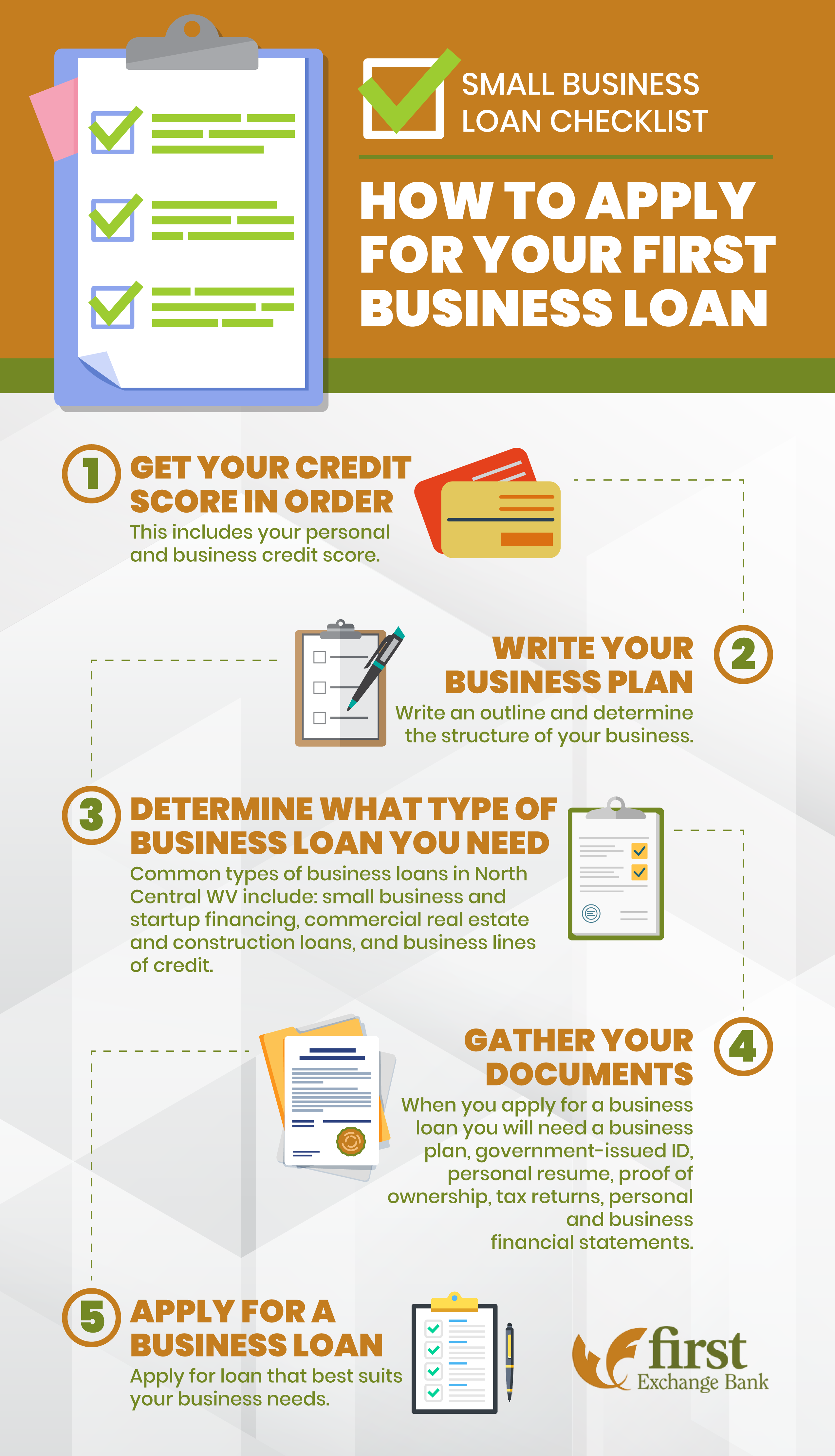
The success of your loan application hinges significantly on the thoroughness and accuracy of your preparation. Lenders require a comprehensive view of your business’s health, its potential, and your personal financial stability. Gathering and organizing the necessary documentation beforehand will streamline the process and present your business in the best possible light.
Business Plan and Projections
A well-articulated business plan is more than just a formality; it’s a strategic document that outlines your business’s mission, market analysis, organizational structure, products/services, marketing and sales strategies, and, crucially, your financial projections. For lenders, it demonstrates your understanding of your industry, your competitive advantage, and your realistic pathway to profitability. Financial projections, including revenue forecasts, profit and loss statements, and cash flow projections for the next 3-5 years, are particularly critical. These should be well-researched, justifiable, and demonstrate how the loan funds will contribute to your business’s growth and ability to repay the debt.
Financial Statements (P&L, Balance Sheet, Cash Flow)
Lenders will meticulously examine your historical financial performance. You’ll typically need to provide:
- Profit and Loss (P&L) Statements: Also known as income statements, these show your revenues, costs, and profits over a specific period (e.g., quarterly, annually). Lenders want to see consistent profitability or a clear path toward it.
- Balance Sheets: A snapshot of your business’s financial health at a specific point in time, detailing assets (what you own), liabilities (what you owe), and owner’s equity. It reflects your business’s solvency and financial structure.
- Cash Flow Statements: These track the movement of cash in and out of your business, categorized by operating, investing, and financing activities. Positive cash flow is vital as it directly relates to your ability to make loan repayments.
Typically, lenders will request statements for the past 2-3 years, along with interim statements if your most recent annual statement is old.
Personal Financial Information and Credit Scores
Lenders often look beyond the business’s financials, especially for smaller businesses or startups, to assess the owner’s financial responsibility. You will likely need to provide:
- Personal Financial Statements: Details of your personal assets (e.g., real estate, savings, investments) and liabilities (e.g., mortgages, personal loans, credit card debt).
- Personal Tax Returns: Typically for the past 2-3 years, to verify income and financial obligations.
- Personal Credit Score (FICO Score): Your personal credit history is a strong indicator of your reliability in managing debt. A higher score (generally above 680-700 for traditional lenders) significantly improves your chances. Businesses without a long credit history often rely on the owner’s personal credit.
Legal Documents and Business Registration
To ensure your business is legitimate and legally capable of entering into a loan agreement, lenders will require various legal and administrative documents:
- Business Legal Structure: Proof of your business’s legal entity (e.g., sole proprietorship, partnership, LLC, corporation) and relevant registration documents.
- Employer Identification Number (EIN): Your business’s federal tax ID, essential for financial transactions.
- Business Licenses and Permits: Proof that your business is legally authorized to operate in its industry and location.
- Articles of Incorporation/Organization or Partnership Agreement: These documents outline the legal framework and ownership structure of your business.
- Copies of Contracts and Leases: Any significant business contracts, such as commercial leases or major client agreements, might be requested.
The Application Process: Step-by-Step
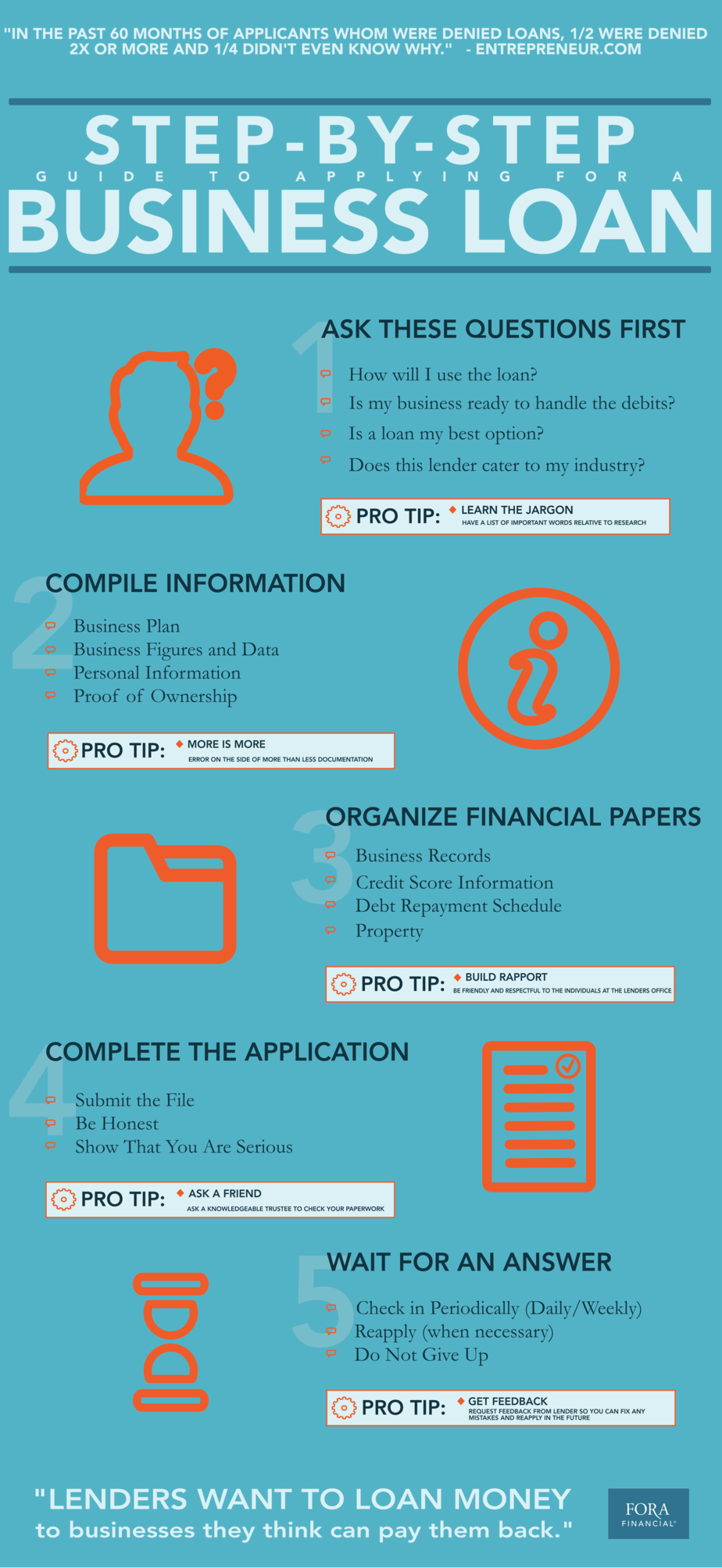
Once your documentation is meticulously prepared, the actual application process unfolds through a series of structured steps, each requiring attention to detail and proactive engagement.
Researching Lenders
This is a critical initial step. Don’t simply apply to the first bank you find. Research different types of lenders (banks, credit unions, online lenders, SBA-preferred lenders) and their specific loan products. Consider factors such as:
- Eligibility Requirements: Do you meet their minimum credit score, time in business, and revenue criteria?
- Loan Amounts and Terms: Do they offer the amount you need with suitable repayment terms?
- Interest Rates and Fees: Compare the Annual Percentage Rate (APR) and any associated origination fees, closing costs, or prepayment penalties.
- Application Process: Is it online, in-person, or a hybrid? How long does it typically take?
- Lender Reputation and Customer Service: Read reviews and seek recommendations. Matching your business needs with the right lender can save you time, money, and frustration.
Submitting Your Application
With your chosen lender, complete the application form thoroughly and accurately. Provide all requested documentation. In some cases, lenders may use online portals that allow for electronic submission, while others might prefer paper applications or a combination. Ensure all financial statements are current and reconcile with your tax returns. Be honest and transparent; misrepresenting information can lead to immediate rejection or even legal repercussions. If you have questions about any part of the application, don’t hesitate to ask the loan officer.
Underwriting and Due Diligence
Once submitted, your application enters the underwriting phase. This is where the lender’s team reviews all provided documentation to assess your creditworthiness, the viability of your business, and your capacity to repay the loan. They will scrutinize your financials, business plan, and personal credit history. They may also conduct background checks, verify your business’s legal standing, and potentially request additional information or clarification on certain items. This stage can take anywhere from a few days for online lenders to several weeks for traditional banks or SBA loans. Be prepared to respond promptly to any requests for further information.
Loan Approval and Closing
If your application passes the underwriting process, you will receive a loan offer or a commitment letter detailing the loan amount, interest rate, repayment schedule, terms, conditions, and any covenants (e.g., maintaining certain financial ratios). Carefully review this document with a clear understanding of all obligations. It’s often advisable to consult with an attorney or financial advisor at this stage. If you accept the terms, you will then proceed to the closing, where all final paperwork is signed, and the funds are disbursed. This final step legally binds you to the loan agreement.
Maximizing Your Chances of Approval
Securing a small business loan isn’t just about meeting minimum requirements; it’s about presenting a compelling case that instills confidence in potential lenders. Proactive strategies can significantly enhance your approval prospects.
Improving Your Creditworthiness
Both your personal and business credit scores play a vital role. Before applying, obtain copies of your personal credit report (from Experian, Equifax, TransUnion) and your business credit report (from Dun & Bradstreet, Experian Business, Equifax Business). Rectify any errors, pay down existing debts to improve your debt-to-income ratio, and ensure timely payments on all accounts. A strong credit history signals reliability and reduces perceived risk for lenders. If your business is new, focus on building business credit by registering with credit bureaus, maintaining separate business accounts, and ensuring vendors report your payment history.
Strong Business Fundamentals
Lenders are primarily interested in your business’s ability to generate sufficient cash flow to repay the loan. Demonstrate strong fundamentals by:
- Consistent Profitability: Show a history of stable or growing revenues and profits.
- Positive Cash Flow: Prove that your business consistently generates more cash than it spends.
- Low Debt-to-Equity Ratio: A healthy balance between owner’s equity and borrowed capital indicates financial stability.
- Collateral (if applicable): While not always required, offering collateral (e.g., real estate, equipment, inventory, accounts receivable) can significantly strengthen your application, especially for larger loans or if your business is newer.
Professional Presentation
The way you present your information speaks volumes about your business acumen.
- Organized Documentation: Ensure all documents are neatly organized, clearly labeled, and easy to review.
- Clear and Concise Business Plan: Present a well-written, professional business plan that articulates your vision, strategy, and financial projections persuasively.
- Be Prepared for Questions: Anticipate questions about your financials, market, competition, and how the loan will be used. Have well-thought-out answers ready. Your ability to confidently discuss your business instills trust.
Seeking Professional Guidance
Don’t hesitate to leverage external expertise.
- Accountants/CFOs: Can help you prepare accurate financial statements, create realistic projections, and interpret complex financial data for lenders.
- Small Business Mentors/Advisors: Organizations like SCORE, Small Business Development Centers (SBDCs), or industry-specific associations offer free or low-cost counseling, helping you refine your business plan and navigate the loan process.
- Loan Brokers: Can connect you with various lenders and help you find the best loan product for your needs, often for a fee.
Common Pitfalls and How to Avoid Them
Even with thorough preparation, missteps can derail a loan application. Awareness of common pitfalls can help you steer clear of them.
Insufficient Preparation
The most frequent reason for rejection is inadequate preparation. This includes incomplete documentation, outdated financial statements, a poorly articulated business plan, or a lack of understanding of your own financials. Avoid this by: Starting your documentation gathering early, using professional templates for financial projections, and thoroughly reviewing every piece of information before submission.
Unrealistic Expectations
Many entrepreneurs overestimate the amount they can borrow or underestimate the time it takes to get approval. Applying for more than your business can realistically repay, or expecting instant funding from traditional sources, can lead to disappointment. Avoid this by: Conducting a realistic assessment of your borrowing capacity based on your current financials, and being patient with the process, especially for larger or more complex loans.
Ignoring Loan Terms and Conditions
Failing to read and understand the fine print of a loan agreement can lead to unexpected costs, restrictive covenants, or difficult repayment terms. Avoid this by: Carefully reviewing the entire loan offer, asking questions about anything you don’t understand, and considering professional legal or financial advice before signing. Ensure you understand all fees, interest calculation methods, prepayment penalties, and collateral requirements.
Applying for a small business loan is a strategic endeavor that requires diligence, detailed preparation, and a clear understanding of financial requirements. By meticulously preparing your documentation, understanding the various lending options, and presenting your business in a professional and compelling manner, you significantly enhance your chances of securing the capital needed to fuel your entrepreneurial ambitions. While the path may seem challenging, successful navigation can unlock significant growth opportunities for your small business.
aViewFromTheCave is a participant in the Amazon Services LLC Associates Program, an affiliate advertising program designed to provide a means for sites to earn advertising fees by advertising and linking to Amazon.com. Amazon, the Amazon logo, AmazonSupply, and the AmazonSupply logo are trademarks of Amazon.com, Inc. or its affiliates. As an Amazon Associate we earn affiliate commissions from qualifying purchases.