
In the hyper-competitive landscape of casual dining, where flavor profiles often blend into a sea of mid-tier steaks and standardized appetizers, creating a distinct brand identity is an uphill battle. Yet, Texas Roadhouse has managed to achieve something most corporations spend millions on consultants to replicate: they have turned a simple yeast roll into a global brand icon. When consumers ask how places like Texas Roadhouse get such soft rolls, they aren’t just asking about the chemistry of gluten and yeast; they are inadvertently highlighting a masterstroke in sensory branding and operational strategy.
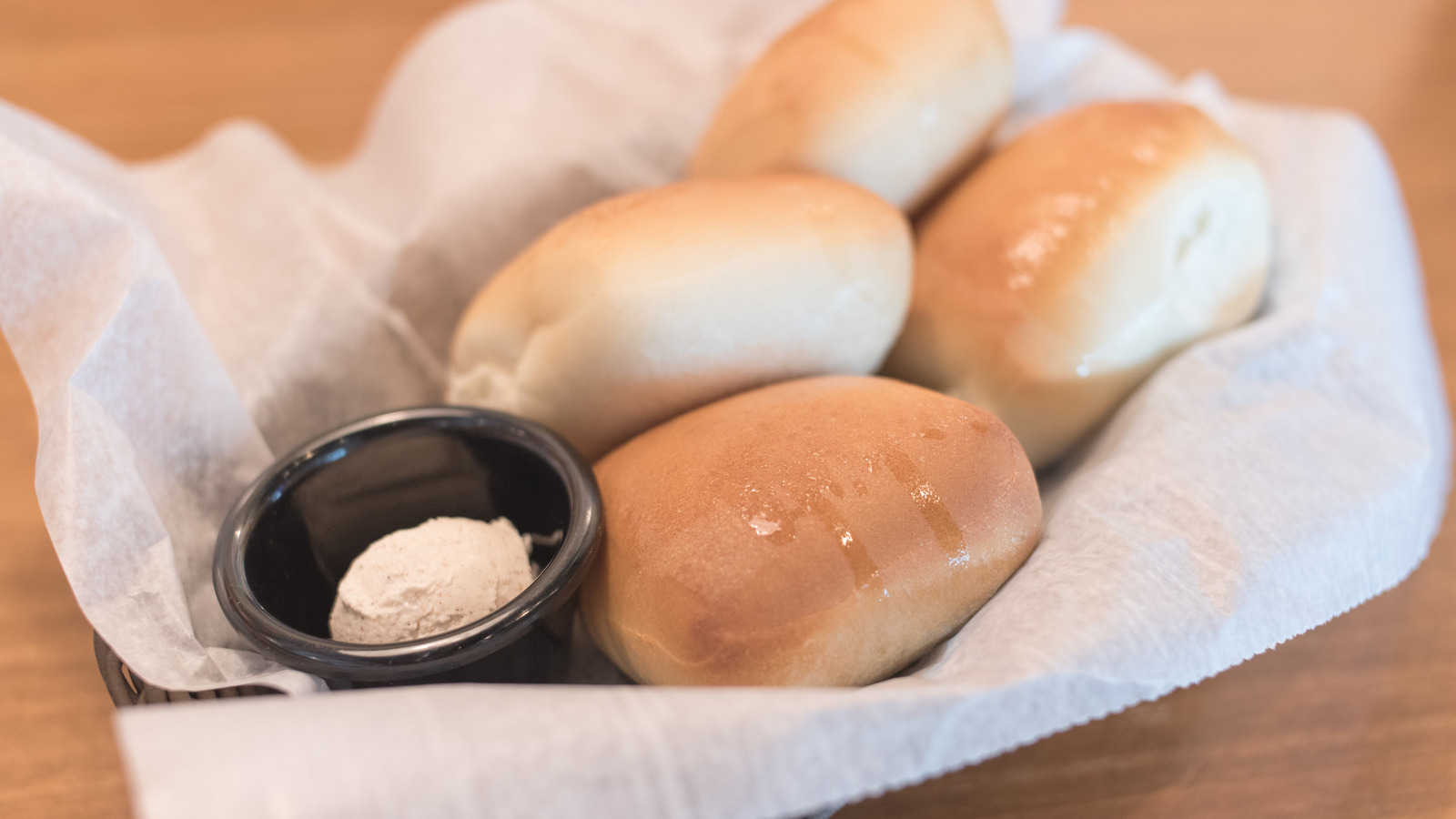
The softness of the Texas Roadhouse roll is not an accident of the kitchen; it is a calculated brand asset. From the moment a guest walks through the door, the rolls serve as the primary touchpoint for the brand’s promise of hospitality, value, and freshness. By analyzing the “Soft Roll Strategy,” we can uncover how specific brand decisions regarding product quality, sensory marketing, and operational consistency create a competitive moat that is nearly impossible for rivals to cross.
The Sensory Blueprint: Why the Roll is More Than Food
In brand strategy, “Sensory Branding” refers to the process of engaging a customer’s five senses to create a lasting emotional connection. Most brands focus on sight (logos) and sound (jingles), but Texas Roadhouse dominates through smell, touch, and taste. The softness of the roll is the tactile centerpiece of this strategy.
The Power of Olfactory Marketing
Long before a guest takes their first bite, the brand begins its work. By baking rolls in small batches every five to ten minutes, Texas Roadhouse ensures that the scent of yeast and honey cinnamon butter permeates the lobby. This is a deliberate brand move. This olfactory cue signals “freshness” and “home-style cooking” more effectively than any billboard ever could. In the world of brand positioning, “fresh” is a high-value attribute that is difficult to maintain at scale. By making the scent of fresh bread the literal atmosphere of the restaurant, the brand solidifies its identity as a “from-scratch” kitchen.
Creating a Tactile Signature
The specific “softness” of the roll serves as a tactile signature. In the same way that the click of a high-end car door or the weight of an iPhone suggests quality, the pillowy texture of the roll communicates a specific brand message: comfort. In a fast-paced world, the brand offers a reprieve through texture. This softness is achieved through a high-fat dough enriched with milk and honey, but from a branding perspective, it functions as a “comfort hook.” It lowers the guest’s psychological defenses and prepares them for an indulgent, high-satisfaction dining experience.
The Psychology of the “Free” Brand Asset
One of the most profound elements of the Texas Roadhouse brand strategy is the decision to provide these rolls for free and in unlimited quantities. This is a classic application of the “Loss Leader” principle, but with a psychological twist known as the Law of Reciprocity.
Reciprocity and the Guest Experience
When a brand gives something of high perceived value to a customer immediately upon arrival, it triggers a psychological need to reciprocate. By delivering warm, soft rolls and honey cinnamon butter to the table before the guest has even looked at the menu, Texas Roadhouse establishes a relationship of generosity. This shifts the guest’s mindset from a transactional one (“How much will this cost?”) to an experiential one (“I am being taken care of”). This early win in the customer journey often leads to higher check averages, as guests are more likely to order appetizers or premium cocktails when they feel they have already received “extra” value.
Lowering Barriers to Entry
The roll serves as a brand equalizer. Whether a customer is there for a $30 ribeye or a $12 burger, everyone receives the same premium-quality rolls. This inclusivity is core to the Texas Roadhouse corporate identity. They have positioned themselves as a “people’s steakhouse,” and the roll is the tangible evidence of that promise. It ensures that the brand remains accessible while still maintaining a “craveable” status that drives repeat traffic. In branding, consistency across all customer segments is vital for building a cohesive community of brand advocates.
Operational Excellence as Brand Identity
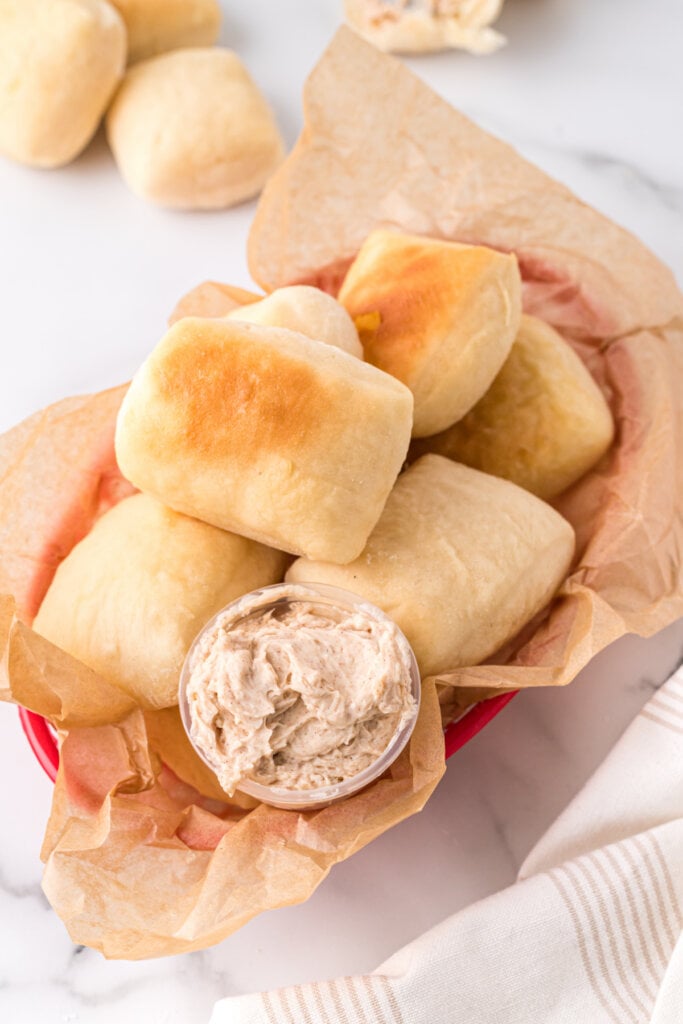
A brand is only as strong as its ability to deliver on its promise. For Texas Roadhouse, the promise is “soft, fresh rolls.” Delivering this consistently across more than 600 locations is an operational feat that reinforces the brand’s reliability.
The In-House Production Model
Unlike many of its competitors who use frozen, par-baked, or commissary-produced breads to save on labor costs, Texas Roadhouse employs dedicated bakers in every single location. From a brand management perspective, this is an expensive and risky move. It requires more square footage in the kitchen, higher labor costs, and more complex training. However, it is this commitment to operational difficulty that creates the “Soft Roll” moat. The softness that guests crave is a direct result of the rolls being shaped and baked on-site throughout the day. By refusing to outsource this process, the brand protects its most valuable asset from being commodified or diluted.
Training for Quality Control
To maintain the “softness” that defines the brand, the company has developed rigorous internal standards. Bakers are trained in the nuances of proofing times, oven temperatures, and dough hydration. This level of detail-oriented training ensures that a guest in New York has the same sensory experience as a guest in Texas. In corporate branding, this is known as “Brand Uniformity.” When a product is so tied to the brand’s reputation, any deviation in quality becomes a threat to the brand’s equity. Texas Roadhouse treats the roll not as a side dish, but as a core product that requires its own specialized “department” within the kitchen.
Competitive Moats and the “Craveability” Factor
In marketing, a “moat” is a structural advantage that protects a company from competitors. For Texas Roadhouse, the soft roll is a significant part of that moat. While competitors can attempt to replicate their steaks or their decor, replicating the “Soft Roll + Honey Butter” experience at scale is incredibly difficult.
Differentiation in a Crowded Market
The casual dining sector is notorious for its lack of differentiation. Most “Western” or “American” style grills offer similar menus. Texas Roadhouse uses the roll to create a “Craveable Anchor.” A craveable anchor is a specific item that customers think of when they are deciding where to eat. It isn’t necessarily the main course; it’s the thing they can’t get anywhere else. By perfecting a high-quality, high-softness bread product, Texas Roadhouse has ensured that they are the only brand that can satisfy that specific craving. This drives brand preference in a way that generic advertising never could.
Building a Community Around a Product
The rolls have reached a level of “cult status” in digital spaces. Social media is filled with copycat recipes, memes about “eating too many rolls,” and videos of guests receiving their baskets. This organic brand engagement is the holy grail of modern marketing. The brand doesn’t need to tell people how good the rolls are; the customers do it for them. This community-driven brand growth is only possible because the product itself—the soft roll—is consistently high-performing. It serves as a social currency that guests are happy to share, further cementing Texas Roadhouse’s position in the cultural zeitgeist.
Lessons for Modern Brand Strategy
The success of the Texas Roadhouse roll offers several vital lessons for any organization looking to build a resilient brand identity.
Finding Your “Roll”
Every brand needs a “Soft Roll”—a high-value, low-cost (for the brand), high-impact touchpoint that delights the customer early and often. Whether it is a software company offering a robust free tool or a retail store providing exceptional in-store service, identifying that one thing that guests “crave” is the first step in building a dominant brand.

Sustaining Long-Term Brand Equity
The lesson of Texas Roadhouse is that brand equity is built through consistency and a refusal to cut corners on the things that matter most to the customer. It would be easy for the company to switch to frozen rolls to improve profit margins in the short term, but doing so would destroy the brand’s core identity. Long-term brand success requires a commitment to the “from-scratch” philosophy, even when it is operationally challenging.
In conclusion, the reason places like Texas Roadhouse get such soft rolls is a combination of high-fat dough chemistry and relentless operational focus. But the reason we talk about how soft they are is because the company has successfully integrated that texture into its very DNA. The soft roll is not just a side item; it is a strategic brand pillar that drives traffic, builds loyalty, and creates an emotional anchor that keeps millions of guests coming back for more. In the battle for the consumer’s heart (and stomach), the brand that offers the softest welcome often wins the day.
aViewFromTheCave is a participant in the Amazon Services LLC Associates Program, an affiliate advertising program designed to provide a means for sites to earn advertising fees by advertising and linking to Amazon.com. Amazon, the Amazon logo, AmazonSupply, and the AmazonSupply logo are trademarks of Amazon.com, Inc. or its affiliates. As an Amazon Associate we earn affiliate commissions from qualifying purchases.