
In the modern landscape of retail investing, Robinhood has democratized access to the stock market, allowing millions of users to trade equities, options, and cryptocurrencies with the tap of a screen. However, the true test of any financial platform is not just how easily you can deposit and invest your money, but how efficiently you can access your capital when you need it. Whether you are locking in profits, rebalancing your portfolio, or liquidating assets for a major life purchase, understanding the mechanics of withdrawing money from Robinhood is essential for any disciplined investor.
Navigating the withdrawal process requires more than just knowing which buttons to click; it requires an understanding of federal regulations, settlement periods, and the specific policies that govern brokerage accounts. Moving funds from a digital brokerage back into your traditional banking ecosystem involves several layers of verification and timing that can catch unprepared users off guard.
Understanding the Mechanics of Capital Liquidity on Robinhood
Before you initiate a transfer, it is vital to understand that brokerage accounts do not function like standard checking accounts. When you sell an asset, the proceeds are not immediately available for withdrawal. This delay is rooted in the “settlement” process, a standard practice across the entire financial industry.
The Settlement Period: Why You Can’t Always Withdraw Immediately
In the United States, the Securities and Exchange Commission (SEC) mandates specific settlement cycles for securities transactions. For most stocks and ETFs, the standard is known as “T+1,” meaning the transaction settles one business day after the trade date. Until this settlement is complete, the cash generated from a sale is considered “unsettled.”
Robinhood allows you to use unsettled funds to purchase other securities immediately—a feature often referred to as instant reinvestment—but federal anti-money laundering (AML) regulations and brokerage policies prevent you from withdrawing that cash to an external bank account until the settlement period has concluded. If you sell a stock on Tuesday, do not expect that cash to be withdrawable until Wednesday or Thursday, depending on the specific time of the trade and the asset class involved.
Cash Management vs. Standard Brokerage Withdrawals
If you have opted into Robinhood’s cash management features or use their spending account, your liquidity options are slightly different. Funds held in the spending account, which often earns interest through a network of program banks, are generally more accessible for immediate use via the Robinhood Cash Card. However, moving large sums of money out of the brokerage side still requires adherence to the aforementioned settlement rules. Understanding where your money “sits” within the Robinhood ecosystem—whether in the brokerage account, the spending account, or tied up in unsettled trades—is the first step toward a successful withdrawal.
Step-by-Step Guide to Executing a Withdrawal
Once your funds have settled and are listed as “Withdrawable Cash” in your account profile, the physical process of moving that money is straightforward. Robinhood offers two primary paths: transferring to a linked bank account via the Automated Clearing House (ACH) network or using their debit card for more immediate needs.
Withdrawing to a Linked Bank Account
The most common method for significant withdrawals is the ACH transfer. This method is secure and allows for the movement of large balances back to your primary financial institution.
-
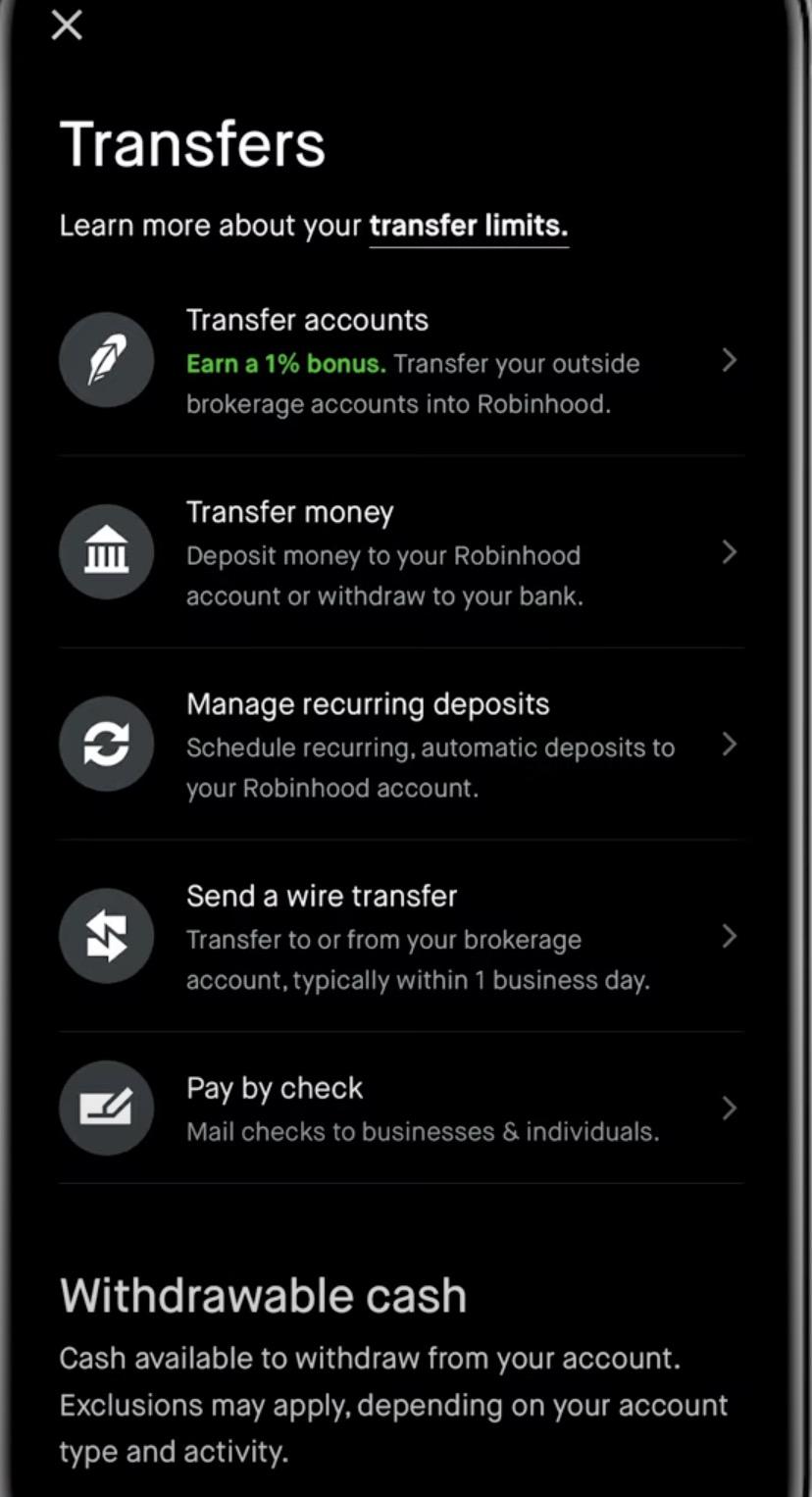
Access the Transfer Menu: Open the Robinhood app and tap the “Account” icon (usually a person silhouette) in the bottom right corner. On the web interface, this is found in the top right menu.
-
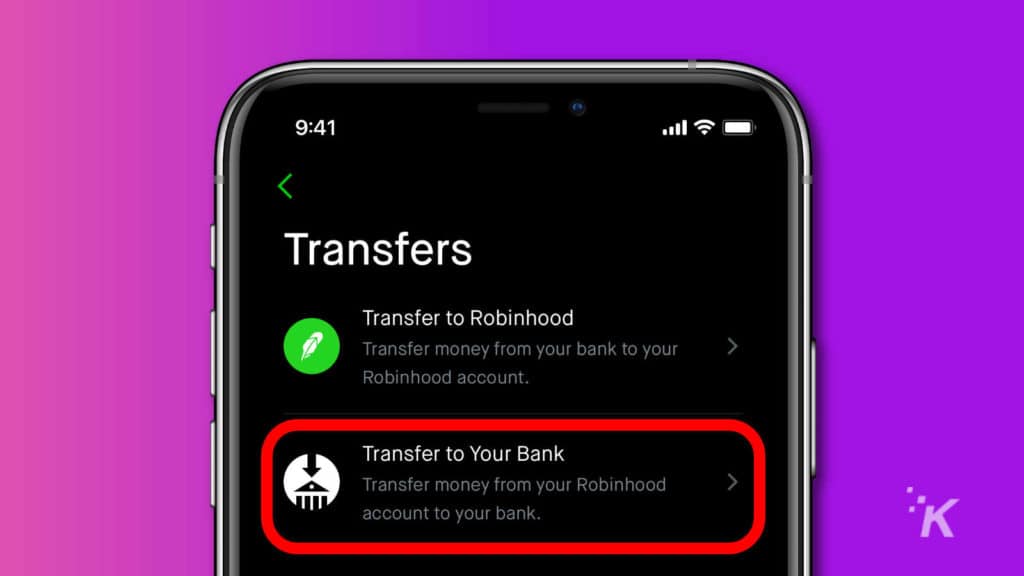
Select Transfers: Choose the “Transfers” or “Move Money” option.
-
Initiate Transfer to Bank: Select “Transfer to Your Bank.”
-
Enter Amount: Input the specific dollar amount you wish to withdraw. Ensure this amount does not exceed your “Withdrawable Cash” balance.
-
Confirm the Source and Destination: Verify that the money is coming from your Robinhood brokerage account and heading to the correct linked bank.
-
Review and Submit: Confirm the transaction.
ACH transfers typically take three to five business days to appear in your bank account. It is important to note that weekends and federal holidays do not count as business days, which can extend the wait time if you initiate a transfer on a Friday afternoon.
Withdrawing via Robinhood Debit Card and Instant Transfers
For users who require faster access to their capital, Robinhood offers “Instant Transfers” to a linked debit card. Unlike ACH transfers, which can take days, instant transfers often complete within minutes. However, this convenience comes with a trade-off: Robinhood typically charges a small percentage fee for instant transfers, whereas standard ACH transfers are free.
To use this feature, you must have a compatible debit card linked to your account. This is particularly useful for smaller, more urgent financial needs, but for high-net-worth withdrawals, the percentage-based fee may make the traditional ACH route more economically sound.
Limits and Transaction Timelines
Robinhood imposes certain limits on withdrawals to protect against fraud and comply with banking regulations. Currently, most users are limited to five withdrawals per business day and a maximum daily withdrawal limit (often around $50,000 for standard accounts). If you are attempting to move a significant windfall—such as proceeds from a major stock rally—you may need to spread the withdrawals over several days or contact their support team for higher-limit authorizations.
Overcoming Common Obstacles and Withdrawal Holds
It is not uncommon for investors to encounter a “zero” withdrawable balance even when their total account value is high. This is rarely a glitch and is usually the result of specific security protocols or pending transactions.
Account Restrictions and Identity Verification
If your account has been flagged for a security review, or if you haven’t completed all required “Know Your Customer” (KYC) documentation, Robinhood may temporarily restrict your ability to move funds. This often happens if you attempt to withdraw to a bank account that is in a different name than your Robinhood account. To ensure a smooth process, always ensure that your destination bank account is held in your name and that your Robinhood profile is fully verified with a current government ID.
Unsettled Funds and Recent Deposits
One of the most frequent points of confusion involves the “six-day hold” on new deposits. To prevent “kiteing” and other forms of bank fraud, Robinhood often requires that funds deposited into the app remain there for at least six business days before they can be withdrawn back out. This applies even if you haven’t invested the money. If you deposit $1,000 on Monday, decide you need it back on Wednesday, you will likely find that money “locked” until the following Tuesday.
Bonus Credit and Promotional Balance Restrictions
Robinhood frequently offers incentives, such as free fractional shares or deposit bonuses, to attract new users. It is important to read the fine print of these promotions. Often, the cash value of a free stock or a promotional credit must remain in the account for a specific period (sometimes 30 to 90 days) before it becomes withdrawable. Attempting to “cash out and run” immediately after receiving a bonus is generally prohibited by the platform’s terms of service.
Strategic Financial Considerations Before You Cash Out
While the technical process of withdrawing money is simple, the financial implications are complex. Moving money out of an investment vehicle is a significant decision that carries tax and opportunity costs.
Navigating Capital Gains Taxes
Every time you sell a security for a profit in a standard brokerage account, you trigger a taxable event. If you have held the asset for less than a year, you will be subject to short-term capital gains tax, which is taxed at your ordinary income rate. If you have held it for more than a year, you qualify for the lower long-term capital gains rate.
Before withdrawing, calculate your potential tax liability. If you withdraw $10,000 in profit, you must remember that a portion of that money technically belongs to the IRS. Smart investors often set aside a percentage of their withdrawals in a high-yield savings account to cover the tax bill come April.
Rebalancing Your Portfolio Post-Withdrawal
Withdrawing a large sum of money can inadvertently shift your portfolio’s risk profile. For example, if you sell off your tech stocks to fund a withdrawal, your remaining portfolio might be heavily weighted in bonds or energy stocks. Before finalizing a sale for withdrawal, consider how the exit affects your overall asset allocation. It may be wiser to sell a small portion of several different assets rather than liquidating a single position entirely.
The Impact of Opportunity Cost
Finally, consider the opportunity cost of withdrawal. In a compounding environment, money removed today is money that cannot grow tomorrow. If you are withdrawing funds for a non-essential purchase, evaluate whether the utility of that purchase outweighs the potential long-term growth of that capital.
Managing your money on Robinhood is about more than just picking winning stocks; it is about mastering the flow of capital. By understanding settlement times, tax implications, and the technical steps of the withdrawal process, you can ensure that your hard-earned investment gains are available to you whenever—and however—you choose to use them. Whether you are moving toward a more traditional brokerage or simply funding your daily life, a strategic approach to withdrawals is the hallmark of a sophisticated investor.
aViewFromTheCave is a participant in the Amazon Services LLC Associates Program, an affiliate advertising program designed to provide a means for sites to earn advertising fees by advertising and linking to Amazon.com. Amazon, the Amazon logo, AmazonSupply, and the AmazonSupply logo are trademarks of Amazon.com, Inc. or its affiliates. As an Amazon Associate we earn affiliate commissions from qualifying purchases.