
Embarking on the journey of starting an online business is an exciting prospect, brimming with potential for independence, innovation, and significant financial reward. However, the path to sustainable success is paved with diligent financial planning, strategic decision-making, and disciplined management. Far beyond simply having a good idea or a captivating product, the true longevity of an online venture hinges on its financial health, from initial funding to scaling profits. This comprehensive guide is designed to provide you with a robust financial roadmap, ensuring that your online business not only takes off but thrives for years to come. We will delve into the critical monetary aspects, from budgeting and funding to cash flow management and long-term financial growth strategies, equipping you with the insights needed to transform your entrepreneurial vision into a profitable reality.
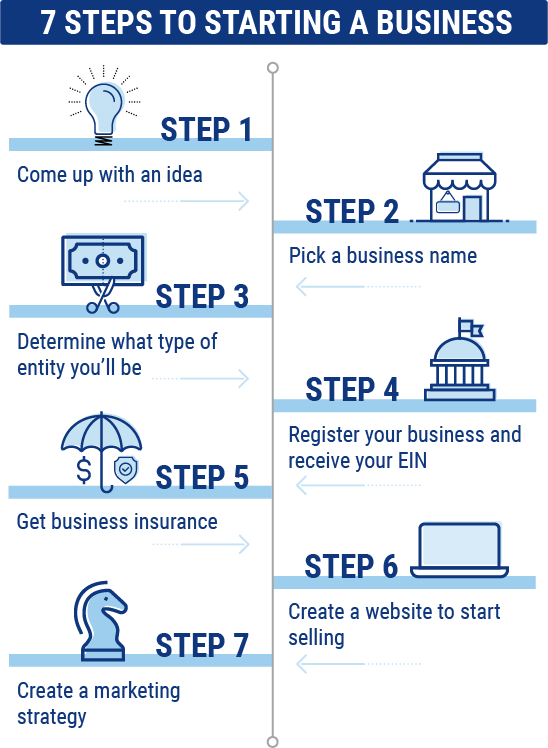
Laying the Financial Foundation: Pre-Launch Planning
Before your online business even sees the light of day, its financial backbone must be meticulously constructed. This pre-launch phase is critical for establishing a realistic economic framework, identifying potential revenue streams, and accurately forecasting initial expenditures. Neglecting this foundational work can lead to avoidable financial pitfalls, threatening the viability of your venture before it even begins.
Defining Your Business Model and Revenue Streams
The first step in financial planning is to clearly articulate how your online business will generate income. Different business models come with distinct financial implications, start-up costs, and scalability potential. Will you be:
- Selling physical products (e-commerce/dropshipping): This involves managing inventory (or outsourcing it with dropshipping), payment gateways, shipping costs, and returns. Revenue comes from product sales.
- Offering digital products (e.g., courses, e-books, templates): These typically have high-profit margins after initial development, as replication costs are minimal. Revenue is generated per sale.
- Providing services (freelancing, consulting): Your income is directly tied to your time and expertise, often billed hourly, project-based, or on retainer.
- Subscription services: Customers pay recurring fees for access to content, software (SaaS), or curated products. This model offers predictable recurring revenue.
- Affiliate marketing: Earning commissions by promoting other companies’ products or services. Revenue scales with traffic and conversion rates.
Each model requires a different financial approach, influencing everything from pricing strategies to marketing budgets. Understanding your primary and secondary revenue streams is paramount for accurate financial forecasting. Consider the scalability of your chosen model; can your income grow without a linear increase in your direct costs or time investment?
Budgeting for Start-up Costs
Every new business, even one operating entirely online, incurs start-up costs. A detailed budget prevents nasty surprises and helps you secure appropriate funding. Categorize your expenses into essential and desirable:
- Essential Costs:
- Domain Name & Web Hosting: The digital address and home for your website (annual).
- Website Design/Development: Templates, platforms (Shopify, WordPress), or professional designers.
- Software & Subscriptions: Email marketing tools, CRM, project management, accounting software, payment gateway fees.
- Legal & Administrative: Business registration, licenses, professional advice (attorney, accountant).
- Initial Inventory/Product Development: If selling physical or digital products.
- Desirable/Scalable Costs:
- Marketing & Advertising: Initial ad campaigns, SEO, social media promotions.
- Branding & Design: Logo, brand guidelines, professional imagery.
- Professional Services: Virtual assistants, content writers, specialized consultants.
Embrace lean startup principles by prioritizing essential costs and deferring non-critical expenditures until your business generates revenue. Calculate a conservative estimate for your first 3-6 months of operating expenses, even if you anticipate no income during that period. This “runway” fund is crucial for survival.
Funding Your Venture: Options and Strategies
Once you have a clear picture of your start-up and initial operating costs, the next question is how to fund them. Various avenues exist, each with its own advantages and considerations:
- Self-Funding (Bootstrapping): This is often the preferred method for online businesses due to lower initial overheads. Using personal savings allows you to maintain full ownership and control, avoiding debt or equity dilution. It demands stringent budgeting and a focus on immediate profitability.
- Friends and Family: A common source of early-stage capital, often more flexible than traditional lenders. However, it’s crucial to formalize these arrangements with clear terms to avoid damaging personal relationships.
- Small Business Loans/Micro-loans: Banks, credit unions, and online lenders offer various loan products for small businesses. These typically require a solid business plan, a good personal credit score, and sometimes collateral. Micro-loans are excellent for smaller capital needs.
- Grants: Government agencies or private organizations offer grants for specific types of businesses (e.g., women-owned, minority-owned, environmentally friendly). These are non-repayable but highly competitive.
- Crowdfunding: Platforms like Kickstarter or Indiegogo allow you to raise funds from a large number of individuals, often in exchange for early access to products or other rewards. This can also serve as a powerful market validation tool.
Carefully evaluate the cost of capital (interest rates, equity given up) and ensure your chosen funding method aligns with your business’s financial structure and long-term goals.
Managing Your Business Finances: Operational Excellence
With your online business launched and initial funding secured, the focus shifts to day-to-day financial management. This operational phase is where profitability is forged, requiring meticulous tracking, strategic pricing, and vigilant cash flow management. Poor financial hygiene here can derail even the most promising ventures.
Setting Up Financial Systems
The foundation of sound financial operations lies in establishing robust systems from the outset. This minimizes errors, simplifies tax preparation, and provides clear insights into your business’s performance:
- Dedicated Business Bank Account: Crucial for separating personal and business finances. This simplifies accounting, improves professionalism, and is essential for legal and tax purposes.
- Accounting Software: Tools like QuickBooks Online, Xero, or Wave (for free options) automate bookkeeping, track expenses, generate invoices, and provide financial reports. Investing in one early on saves significant time and prevents headaches.
- Expense Tracking: Develop a system for meticulously categorizing and tracking every business expense. This is vital for tax deductions and understanding where your money is going.
- Payment Processors: Integrate reliable and secure payment gateways (e.g., Stripe, PayPal, Square) to accept online payments. Understand their transaction fees and payout schedules, as these directly impact your revenue.
Consistent use of these systems provides a clear, real-time snapshot of your financial health, allowing for proactive adjustments rather than reactive damage control.
Pricing Strategies for Profitability
Setting the right price for your products or services is a delicate balance. Price too low, and you undervalue your offering and struggle with profitability; price too high, and you risk alienating potential customers. Consider these strategies:
- Cost-Plus Pricing: Calculate your total costs (production, marketing, operational overhead) and add a desired profit margin. Simple, but doesn’t account for market demand or perceived value.
- Value-Based Pricing: Price based on the perceived value your product or service delivers to the customer, rather than just its cost. This often allows for higher margins.
- Competitive Pricing: Benchmark your prices against competitors. This is useful for understanding market expectations but be cautious not to solely rely on it if your offering has unique value.
- Tiered Pricing: Offer different packages or versions of your product/service at varying price points to cater to different customer segments and needs.
Always understand your break-even point—the sales volume needed to cover all your costs. Regularly review your pricing strategy in response to market changes, customer feedback, and evolving costs. High gross profit margins are key to a healthy online business.
Cash Flow Management and Forecasting
Cash flow is the lifeblood of any business. It refers to the movement of money in and out of your business. Positive cash flow means more money is coming in than going out, while negative cash flow can quickly lead to insolvency, even if your business is technically profitable.

- Monitor Cash Inflows and Outflows: Regularly review your bank statements and accounting reports to understand your cash position.
- Project Cash Flow: Create short-term (monthly) and long-term (quarterly/annually) cash flow forecasts. Anticipate periods of high expenses (e.g., inventory purchases, marketing campaigns) and low income.
- Strategies for Positive Cash Flow: Offer early payment discounts, manage inventory efficiently (if applicable), negotiate favorable payment terms with suppliers, and build a cash reserve for lean periods.
- Managing Debt: If you take on debt, ensure you have a clear repayment plan and that interest payments are factored into your cash flow.
Proactive cash flow management prevents liquidity crises and allows you to seize growth opportunities when they arise.
Scaling for Sustainable Growth: Long-Term Financial Vision
Once your online business is generating consistent revenue, the next challenge is to scale sustainably. Growth requires strategic financial planning to ensure that expansion efforts translate into increased profitability, not just increased expenses. This phase is about making informed investments and navigating complex financial responsibilities.
Reinvesting Profits Strategically
Deciding how and when to reinvest profits is a critical financial decision. Thoughtful reinvestment fuels growth; haphazard spending drains resources:
- Marketing & Advertising: Allocating funds to effective campaigns can significantly boost customer acquisition.
- Technology & Infrastructure: Upgrading software, improving website speed, or investing in new tools can enhance efficiency and user experience.
- Product Development: Investing in new features, expanding product lines, or creating complementary offerings can open new revenue streams.
- Team Expansion: Hiring employees or contractors (e.g., virtual assistants, customer support, content creators) can free up your time and scale operations.
- Education & Training: Investing in your own or your team’s skills can lead to greater efficiency and innovation.
Balance reinvestment with building a healthy cash reserve. It’s often wise to have several months of operating expenses in savings before making significant growth investments. Don’t be afraid to take a modest owner’s draw or salary once profitability is stable, but prioritize the business’s long-term health.
Monitoring Key Financial Metrics (KPIs)
To make informed growth decisions, you must continually monitor key performance indicators (KPIs) that extend beyond basic revenue and expenses. These metrics offer deeper insights into your business’s financial efficiency and potential:
- Customer Acquisition Cost (CAC): How much it costs to acquire a new customer. Essential for evaluating marketing ROI.
- Customer Lifetime Value (LTV): The total revenue you expect to generate from a customer over their relationship with your business. A high LTV relative to CAC indicates a sustainable business model.
- Return on Investment (ROI): For specific marketing campaigns, product launches, or technology investments. Measures the financial gain relative to the cost.
- Conversion Rates: The percentage of website visitors or leads that complete a desired action (e.g., make a purchase, sign up for a newsletter). Directly impacts revenue generation.
- Average Order Value (AOV): The average amount customers spend per transaction. Strategies to increase AOV (e.g., upsells, cross-sells) can boost overall revenue.
- Gross Profit Margin & Net Profit Margin: Track these to understand the efficiency of your core operations and overall profitability after all expenses.
Regularly analyzing these KPIs allows you to identify trends, optimize strategies, and make data-driven decisions for scaling.
Tax Planning and Legal Compliance
As your online business grows, so do its tax obligations and legal complexities. Proactive planning is essential to avoid penalties and optimize your financial position:
- Business Structure: Your chosen legal structure (sole proprietorship, LLC, S-Corp, C-Corp) significantly impacts your tax liabilities and personal liability. Consult with an attorney and accountant to choose the best structure for your long-term goals.
- Income Tax: Understand your federal, state, and local income tax obligations. As a business owner, you’ll likely need to make estimated quarterly tax payments.
- Sales Tax: If you sell physical products or certain digital goods/services, you may be required to collect and remit sales tax, depending on your business’s nexus (physical or economic presence) in various states. This is a complex area and often requires specialized software or professional advice.
- Self-Employment Tax: If you’re a sole proprietor or partner, you’ll pay self-employment taxes (Social Security and Medicare) in addition to income tax.
- Professional Advisers: Engage a qualified accountant or tax professional early. They can help with tax planning, ensure compliance, and identify potential deductions or credits.
Maintaining meticulous financial records is crucial for smooth tax preparation and audit readiness.
Beyond the Basics: Advanced Financial Considerations
For online businesses aiming for long-term resilience and maximal value, considering more advanced financial strategies becomes vital. These measures can enhance stability, diversify risk, and ultimately increase the business’s overall worth.
Diversifying Income Streams
Reliance on a single product, service, or revenue model can be precarious. Diversifying your income streams creates financial stability and opens new avenues for growth:
- Complementary Products/Services: Offer additional items or services that naturally align with your core offering. For example, an e-commerce store selling fitness apparel could add workout guides or meal plans.
- Affiliate Programs: Integrate affiliate marketing into your content or platform, earning commissions on products or services relevant to your audience that you don’t directly sell.
- Advertising/Sponsorships: If you have significant traffic or a strong audience, consider opportunities for direct advertising or sponsored content.
- Membership Tiers: Introduce premium membership options with exclusive content, features, or support for a recurring fee.
Diversification hedges against market fluctuations and changes in consumer preferences, spreading financial risk across multiple channels.
Exit Strategies and Valuation
Even if you’re just starting, thinking about an eventual exit strategy can profoundly influence your financial decisions today. Whether you plan to sell the business, pass it on, or simply close it, understanding its potential valuation is key:
- Building Transferable Assets: Focus on building systems, processes, and a brand that are not solely reliant on your personal involvement. This makes the business more attractive and valuable to potential buyers.
- Recurring Revenue: Businesses with strong, predictable recurring revenue streams (e.g., subscriptions) typically command higher valuations.
- Profitability and Growth Potential: Demonstrating consistent profitability and a clear path for future growth are major drivers of business value.
- Clean Financial Records: Well-maintained and audited financial statements are critical for due diligence during a sale.
Understanding what makes an online business valuable allows you to build it with an eye toward maximizing its future worth, providing a clear financial objective beyond just monthly income.

Conclusion
Starting an online business is a powerful step towards financial independence and personal fulfillment. However, its success is inextricably linked to sound financial management. From the initial budgeting and funding to the intricate processes of cash flow management, strategic pricing, and long-term tax planning, every decision carries a monetary implication. By prioritizing financial literacy, establishing robust systems, and continually monitoring key performance indicators, you can navigate the complexities of the online business world with confidence.
Embrace the journey of continuous learning in finance, seek expert advice when needed, and consistently adapt your strategies to market dynamics. With a solid financial roadmap guiding your way, your online venture will not only launch successfully but will also be poised for sustainable growth and lasting profitability, securing your financial future.
aViewFromTheCave is a participant in the Amazon Services LLC Associates Program, an affiliate advertising program designed to provide a means for sites to earn advertising fees by advertising and linking to Amazon.com. Amazon, the Amazon logo, AmazonSupply, and the AmazonSupply logo are trademarks of Amazon.com, Inc. or its affiliates. As an Amazon Associate we earn affiliate commissions from qualifying purchases.