
Starting a company is often romanticized as a journey of innovation and creative freedom. However, at its core, a successful business is a financial entity designed to generate value and manage capital efficiently. When you ask, “How do I start a company?” from a financial perspective, you are asking how to build a sustainable economic engine. Moving from a conceptual idea to a registered, profitable organization requires a disciplined approach to capital allocation, tax planning, and revenue modeling.
The transition from an individual with an idea to a corporate entity involves complex financial decisions that will dictate your long-term viability. This guide explores the “Money” niche of entrepreneurship, focusing on the fiscal architecture required to launch and sustain a new venture in today’s economy.

Laying the Financial Foundation: Budgeting and Capital Requirements
The first hurdle every entrepreneur faces is the “barrier to entry” cost. Before a single product is sold or a service is rendered, capital must be deployed. Understanding your initial financial requirements is the difference between a controlled launch and a premature collapse.
Estimating Initial Burn Rates and Startup Costs
Every new company has a “burn rate”—the rate at which it spends money before achieving positive cash flow. To start your company, you must first categorize your costs into two buckets: fixed and variable. Fixed costs include legal registration fees, initial software subscriptions, and equipment. Variable costs include marketing spend, inventory, and freelance labor.
A professional financial plan starts with a “pre-launch budget.” This budget should cover at least six to twelve months of operating expenses. Many founders underestimate the “lag time” between launching and receiving their first payment. By calculating your “Zero-Revenue Runway,” you can determine exactly how much liquidity you need to survive the first year.
Bootstrap vs. External Funding
One of the most critical financial decisions you will make is how to fund your venture. “Bootstrapping” involves using personal savings and early revenue to grow. This method allows the founder to retain 100% equity and total control over financial decisions, but it often limits the speed of growth.
Conversely, seeking external capital—through “Friends and Family” rounds, angel investors, or small business loans—provides a larger pool of capital to accelerate operations. However, this comes at the cost of equity or debt obligations. When starting, you must weigh the cost of capital against the potential for rapid market capture. If your business model requires high upfront research and development costs, external funding is often a necessity rather than a choice.
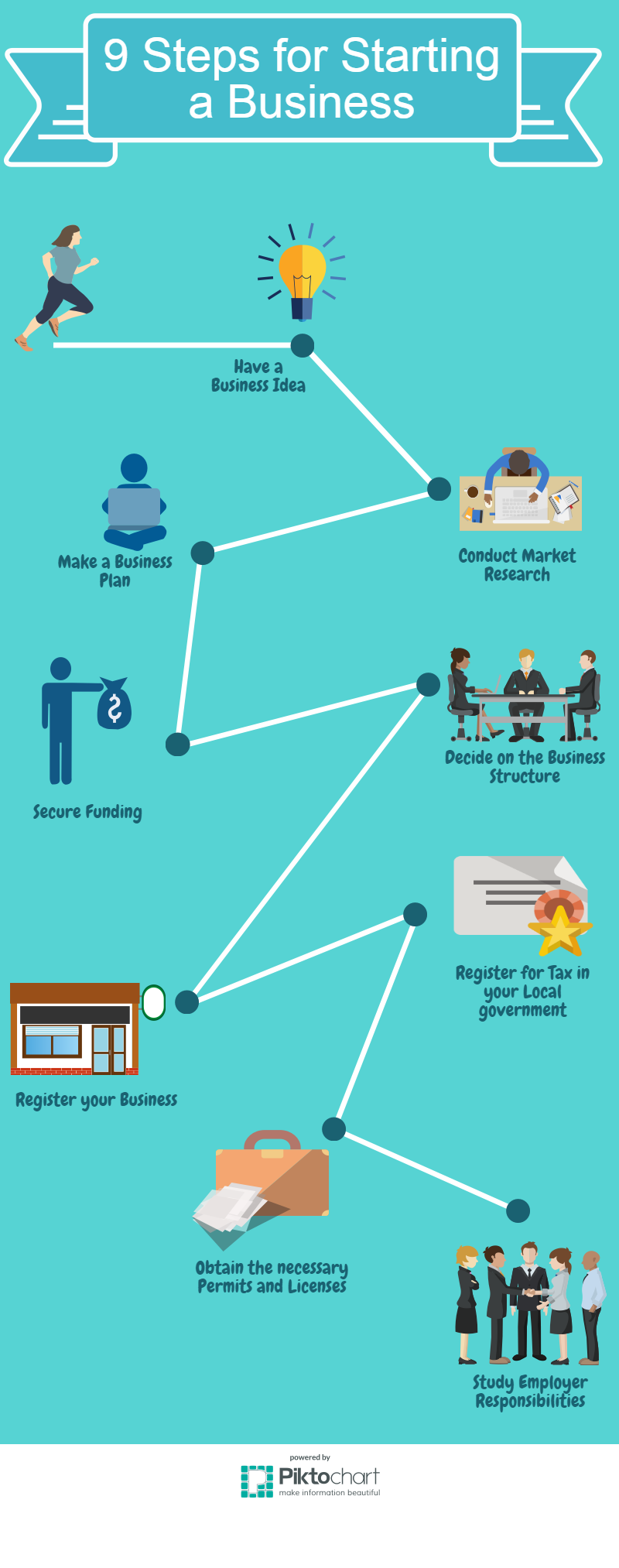
Choosing the Right Business Structure for Tax Efficiency
The legal structure of your company is not just a formality; it is a financial strategy. The way you register your business determines your personal liability, your tax obligations, and your ability to raise capital in the future.
Sole Proprietorships and Partnerships
For many side hustles or solo consultants, a sole proprietorship is the simplest way to start. It involves the least amount of paperwork and the lowest initial cost. Financially, however, it offers no separation between personal and business assets. In the eyes of the law and the tax man, you and the business are one and the same. While “pass-through taxation” (where business income is reported on your personal tax return) simplifies filing, it exposes your personal savings to business debts and lawsuits.
Partnerships follow a similar financial logic but involve two or more people. While they allow for pooled capital and shared financial risk, they require rigorous “Operating Agreements” to dictate how profits are distributed and how financial disputes are settled.
The Strategic Benefits of LLCs and Corporations
As your company grows, or if you are starting a venture with significant risk, a Limited Liability Company (LLC) or a Corporation (C-Corp or S-Corp) becomes essential. From a money management perspective, these entities provide a “corporate veil” that protects your personal net worth.
An LLC is often the “Goldilocks” of business structures for new entrepreneurs. It offers the legal protection of a corporation with the tax flexibility of a partnership. On the other hand, if your goal is to eventually go public or seek venture capital, a C-Corporation is the industry standard. While it involves “double taxation” (tax on corporate profits and tax on shareholder dividends), it allows for complex share structures and is preferred by institutional investors. Choosing the right structure at the beginning prevents expensive “re-incorporation” costs later.

Mastering Cash Flow Management and Revenue Streams
Cash flow is the lifeblood of a new company. It is a common misconception that “profit” and “cash” are the same thing. A company can be profitable on paper but fail because it lacks the liquid cash to pay its bills.
Implementing Robust Accounting Systems
To start a company correctly, you must implement professional accounting software from day one. Tools like QuickBooks, Xero, or FreshBooks allow you to track every penny moving in and out of the business.
Modern business finance relies on three primary statements: the Balance Sheet (what you own vs. what you owe), the Income Statement (your profit and loss), and the Cash Flow Statement (the actual movement of money). By reviewing these monthly, an entrepreneur can identify “leaks” in their budget and optimize their spending. Furthermore, organized books are a prerequisite for any business loan or investment round; no bank or investor will provide capital to a founder who cannot demonstrate financial transparency.
Diversifying and Optimizing Income Models
How your company makes money is just as important as how much it makes. Modern businesses are moving away from one-off sales in favor of recurring revenue models. Subscription-based income (SaaS), retainer agreements, and tiered pricing strategies provide financial predictability.
When starting, you should analyze your “Customer Acquisition Cost” (CAC) against the “Lifetime Value” (LTV) of a customer. If it costs you $50 in marketing to acquire a customer who only spends $40, your business model is financially unsustainable. Aim for an LTV that is at least three times your CAC. This ratio ensures that you have enough margin to cover overhead and reinvest in growth.
Navigating the World of Business Credit and Investment
Once the company is operational, the focus shifts from survival to expansion. This requires a sophisticated understanding of how to leverage other people’s money to scale.
Building a Business Credit Profile
Just as individuals have credit scores, businesses have credit profiles (often tracked by agencies like Dun & Bradstreet). To start a company on the right foot, you should open a dedicated business bank account and apply for a business credit card immediately.
Using business credit responsibly helps establish a “Paydex” score. A strong business credit score allows you to secure larger loans with lower interest rates and negotiate better terms with suppliers (such as “Net 30” or “Net 60” payment terms). This leverage is a powerful tool for managing cash flow, as it allows you to obtain inventory or services today and pay for them using the revenue they generate a month later.
Pitching to Angel Investors and Venture Capitalists
If your company has the potential for high-scale growth, you may look toward the private equity market. This is the “Major Leagues” of business finance. Starting a company with the intent to raise VC money requires a “Pitch Deck” that focuses heavily on financial projections, market size (TAM/SAM/SOM), and exit strategies.
Investors are not just looking for a good idea; they are looking for a return on investment (ROI). You must be able to articulate how their $500,000 investment will turn into $5,000,000 within a five-to-seven-year window. This involves understanding “Valuation”—the process of determining what your company is worth today based on its future earnings potential. Mastering these financial conversations is essential for any founder who wants to transition from a small business owner to a high-growth CEO.
Conclusion
Starting a company is an exercise in financial engineering. While passion and product-market fit are vital, the structural integrity of your business depends on your ability to manage money. By carefully calculating your startup costs, choosing a tax-efficient legal structure, maintaining a hawk-like focus on cash flow, and building a strong credit profile, you position your venture for long-term success.
The journey from a simple question—”How do I start a company?”—to a thriving financial entity is paved with spreadsheets, tax codes, and investment strategies. In the world of business, those who master the money are the ones who earn the right to keep innovating. Treat your capital with respect, plan for the lean months, and always keep your eye on the bottom line.
aViewFromTheCave is a participant in the Amazon Services LLC Associates Program, an affiliate advertising program designed to provide a means for sites to earn advertising fees by advertising and linking to Amazon.com. Amazon, the Amazon logo, AmazonSupply, and the AmazonSupply logo are trademarks of Amazon.com, Inc. or its affiliates. As an Amazon Associate we earn affiliate commissions from qualifying purchases.