
In an increasingly interconnected world, the ability to manage our finances efficiently and securely has become paramount. Gone are the days when stacks of paper bills and meticulously stamped envelopes dominated our financial routines. Today, “how do I pay bills online?” is a question that leads to a gateway of convenience, control, and ultimately, enhanced financial well-being. This guide delves deep into the mechanisms, advantages, and best practices of online bill payment, positioning it as an indispensable tool in modern personal finance management. By embracing digital payment solutions, individuals can streamline their financial lives, minimize errors, and gain greater insight into their spending habits, all while contributing to a more sustainable future.

The Undeniable Advantages of Online Bill Payment
The transition from traditional paper-based bill payment to digital methods offers a plethora of benefits that extend far beyond mere convenience. It’s a shift that fundamentally redefines how we interact with our financial obligations, injecting efficiency and transparency into a process that was once cumbersome and opaque.
Enhanced Convenience and Accessibility
Perhaps the most immediately recognizable benefit of online bill payment is its unparalleled convenience. Imagine settling your electricity bill from your couch at 10 PM, paying your credit card while on vacation, or scheduling a car payment during your lunch break. Online platforms break free from geographical and temporal constraints, allowing you to manage your finances 24/7, from virtually anywhere with an internet connection. This eradicates the need for physical checks, stamps, envelopes, and trips to the post office, saving precious time and effort in your busy schedule. For many, this flexibility translates into reduced stress and a greater sense of control over their financial obligations.
Improved Financial Control and Tracking
Online bill payment systems are powerful tools for gaining a clearer picture of your financial landscape. Every transaction is digitally recorded, creating an accessible, searchable history of your payments. This digital trail makes it infinitely easier to track spending patterns, reconcile accounts, and monitor budget adherence. Many platforms also offer features like payment alerts and reminders, significantly reducing the risk of late fees, which can accumulate rapidly and negatively impact your credit score. Furthermore, the ability to view upcoming bills and payment due dates in one centralized location empowers proactive financial planning, helping you avoid overdrafts and manage cash flow more effectively.
Environmental Responsibility
Beyond the personal financial benefits, choosing to pay bills online also carries an environmental advantage. By opting for paperless billing and digital payments, you contribute to a significant reduction in paper consumption and waste. This seemingly small individual choice, when scaled across millions of users, translates into a substantial positive impact on our planet, conserving natural resources and minimizing the carbon footprint associated with paper production and physical mail delivery. It’s a simple way to align your financial practices with a commitment to sustainability.
Security Features
While some might initially harbor concerns about the security of online transactions, modern online payment systems are built with robust security protocols. Banks and billers employ sophisticated encryption technologies, multi-factor authentication, and fraud detection systems to protect your sensitive financial information. When used responsibly, online payment can often be more secure than mailing a check, which is susceptible to mail theft and forgery. This digital fortress provides a strong defense against unauthorized access, offering peace of mind that your payments are processed safely and your personal data remains protected.
Essential Methods for Paying Bills Online
Navigating the landscape of online bill payment requires an understanding of the various methods available. Each offers distinct advantages and caters to different preferences, allowing individuals to choose the approach that best suits their financial ecosystem.
Direct Payments via Biller Websites
The most straightforward method often involves paying directly through the biller’s own website. Whether it’s your utility company, internet provider, credit card issuer, or student loan servicer, most organizations now offer dedicated online portals. To use this method, you typically register an account on the biller’s website, link your bank account or credit/debit card, and then initiate payments. These platforms usually allow for one-time payments or the setup of recurring auto-payments, providing maximum control over individual bills. This direct approach ensures that your payment goes straight to the source, often with real-time confirmation.
Bank’s Online Bill Pay Service
Many financial institutions provide a comprehensive online bill pay service as part of their internet banking package. This method allows you to consolidate all your bill payments through a single platform – your bank’s website or app. Instead of logging into multiple biller websites, you add each payee (e.g., your landlord, electricity company, credit card) to your bank’s system, providing their account details. Your bank then takes responsibility for sending the payment, either electronically or, in some rare cases, by mailing a physical check on your behalf. This centralized approach simplifies management, giving you a holistic view of all outgoing payments from a single dashboard and making it easier to track your overall cash flow.
Third-Party Payment Processors & Apps
Beyond direct biller sites and bank services, a growing ecosystem of third-party payment processors and apps facilitates online bill payments. Platforms like PayPal, Venmo, or dedicated bill management apps (e.g., Prism, Mint) can offer alternative ways to send money or track bills. While PayPal might be used for certain online purchases or sending money to individuals, some apps are specifically designed to aggregate all your bills and allow payments from within their interface. These services can be particularly useful for those who want an extra layer of organization or prefer a more streamlined user experience. However, it’s crucial to be aware of any associated fees and to ensure the platform’s security measures are robust before entrusting them with your financial data.
Autopay and Scheduled Payments
A cornerstone of efficient online bill management is the strategic use of autopay and scheduled payments. Autopay automatically deducts the bill amount from your designated bank account or credit card on the due date. This feature is invaluable for recurring bills with fixed amounts, such as loan payments, subscriptions, or rent, virtually eliminating the risk of late payments. For variable bills like utilities, you can often set up autopay with a maximum threshold to prevent unexpected charges. Scheduled payments, on the other hand, allow you to set up payments in advance for specific dates, offering flexibility without requiring immediate action on the due date. Both options empower automation, freeing up mental bandwidth and reducing the chances of human error, provided they are set up and monitored correctly.
Setting Up Your Online Bill Payment System: A Step-by-Step Approach
Embarking on the journey of online bill payment might seem daunting at first, but with a structured approach, it becomes a seamless process. The key is to gather necessary information, choose your preferred platforms, and meticulously configure each payment.
Gathering Your Information
Before you begin, compile all the essential details for each bill you intend to pay online. This includes: the biller’s name, your account number with them, the exact amount due, the due date, and your preferred payment method (bank account number and routing number, or credit/debit card details). Having these readily available will make the setup process much quicker and minimize errors. It’s also wise to have a recent statement for each bill, as it often contains all the necessary enrollment information.
Choosing Your Primary Platform
Decide whether you prefer to pay bills directly through each biller’s website, centralize them through your bank’s bill pay service, or utilize a third-party app. Your choice might depend on the number of bills you have, your comfort level with different interfaces, and whether you prefer consolidating your financial activities. Many individuals use a hybrid approach – direct payments for credit cards and loans, and their bank’s service for utilities and smaller, recurring expenses.
Enrolling and Linking Accounts
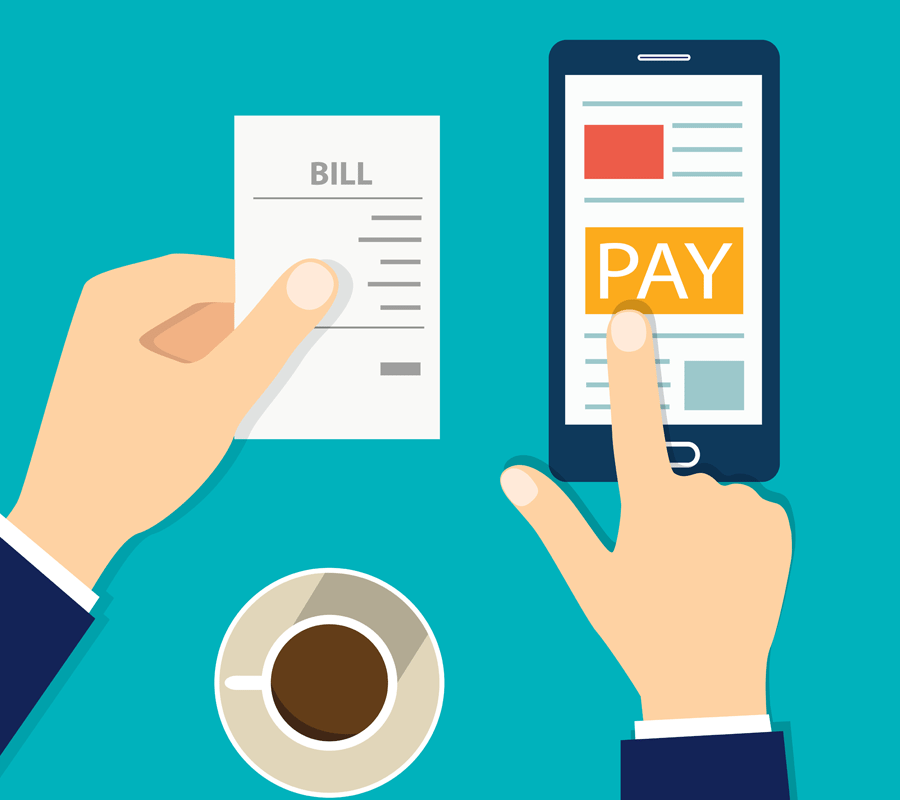
Once you’ve chosen your platform, begin the enrollment process. For biller websites, you’ll typically create a user account, link your bank account or card, and enroll in paperless billing. For your bank’s bill pay service, you’ll add each payee individually, providing their name, your account number with them, and sometimes their mailing address if the bank needs to send a physical check. Always double-check the entered information to ensure accuracy and prevent misdirected payments.
Configuring Payment Schedules
After linking your accounts, configure your payment schedules. For fixed, recurring bills, setting up autopay is highly recommended. For variable bills, you might opt for manual payments or schedule a payment reminder to log in and pay closer to the due date. Be mindful of processing times; some payments might take a few business days to clear, so schedule them a few days before the actual due date to avoid late fees. Review the payment options carefully, distinguishing between full payments, minimum payments, and custom amounts.
Confirming and Verifying
Before your first online payment goes through, take a moment to confirm all the details. After scheduling a payment, look for a confirmation message or email. For autopay, verify the setup details and check your bank statement after the first payment to ensure it was processed correctly. Periodically logging into your biller accounts or bank portal to review upcoming payments and past transactions is a crucial step in ensuring your system is working as intended. This verification habit can prevent potential issues before they escalate into financial problems.
Best Practices for Secure and Efficient Online Bill Management
While online bill payment offers unparalleled convenience, its full potential can only be realized through adherence to best practices that prioritize security, accuracy, and proactive management.
Prioritizing Digital Security
Security must be at the forefront of your online bill payment strategy. Always use strong, unique passwords for each of your online financial accounts and enable two-factor authentication (2FA) wherever available. 2FA adds an extra layer of protection by requiring a second verification step, usually a code sent to your phone, in addition to your password. Avoid making payments on public Wi-Fi networks, as they are often unsecured and vulnerable to eavesdropping. Be vigilant against phishing scams; never click on suspicious links in emails or texts purporting to be from your bank or biller, and always navigate directly to their official websites. Regular security software updates on your devices are also crucial.
Regular Monitoring and Reconciliation
Online bill payment simplifies transactions, but it doesn’t eliminate the need for vigilance. Regularly monitor your bank and credit card statements, as well as your biller accounts, to ensure all payments are processed correctly and on time. Check for any unauthorized transactions or discrepancies. Reconcile your records against official statements to catch errors or potential fraud early. Many financial apps can help automate this by consolidating your accounts and alerting you to unusual activity. This proactive approach is vital for maintaining financial health and detecting issues before they become significant problems.
Keeping Records
Even in a paperless world, maintaining records of your online payments is a best practice. While digital transaction histories are generally robust, having a backup can be invaluable. This could mean saving confirmation emails in a dedicated folder, printing out payment confirmations, or exporting transaction data from your bank or biller portals. These records serve as proof of payment in case of disputes or technical glitches and are essential for tax purposes or auditing your financial accounts. A consistent system for organizing these digital records will save you time and stress in the long run.
Handling Exceptions and Disputes
Despite the best planning, exceptions can occur. A payment might fail, an amount might be incorrect, or a service might be disputed. Familiarize yourself with each biller’s process for handling payment issues and disputes. Keep documentation of all communications regarding issues. If a payment doesn’t go through, act immediately to rectify it to avoid late fees or service interruptions. If a charge is incorrect, contact the biller first; if unresolved, you might need to involve your bank or credit card company to dispute the charge. Knowing these procedures can significantly reduce stress and financial fallout when unexpected events arise.
Reviewing and Adjusting Autopay Settings
While autopay is a powerful tool for convenience, it’s not a “set it and forget it” solution. Periodically review your autopay settings. Your utility bill might change significantly, your insurance premium might increase, or you might switch service providers. Ensure that the amounts being deducted are correct and that the payment method is still valid (e.g., an expired credit card). This regular review prevents unexpected deductions, ensures you’re always aware of your financial commitments, and allows you to make adjustments as your financial situation or service agreements evolve.
The Future of Online Bill Payment and Financial Management
The evolution of online bill payment is far from over. As technology continues to advance, we can anticipate even more sophisticated, secure, and integrated financial management tools. The future promises a landscape where paying bills is not just convenient, but intelligently optimized for individual financial well-being.
AI and Predictive Analytics
Artificial intelligence (AI) and predictive analytics are poised to transform how we manage bills. Imagine a system that not only pays your bills but also analyzes your spending patterns, predicts future expenses, and offers personalized recommendations to optimize your cash flow. AI-powered tools could identify potential late fees before they occur, suggest the best time to pay certain bills based on your income cycles, and even recommend strategies to save money on recurring expenses. This intelligent automation will move beyond simple transaction processing to active financial guidance.
Integrated Financial Dashboards
The vision of a truly integrated financial dashboard, where all your bank accounts, investments, credit cards, loans, and bills are accessible and manageable from a single, intuitive interface, is rapidly approaching. These platforms will offer a holistic view of your entire financial life, allowing for comprehensive budgeting, net worth tracking, and bill payment all in one place. This consolidation will simplify financial oversight, making it easier to see how all components of your finances interrelate and empowering more informed decision-making.
Enhanced Security Measures
As digital threats evolve, so too will security measures. We can expect an increase in biometrics (fingerprint, facial recognition) for authentication, further enhancing the security and convenience of accessing financial accounts. Blockchain technology, with its decentralized and immutable ledger, also holds promise for creating even more secure and transparent payment systems, reducing fraud and increasing trust in online transactions. These innovations will aim to make online bill payment virtually impregnable while maintaining ease of use.
Real-Time Payments and Notifications
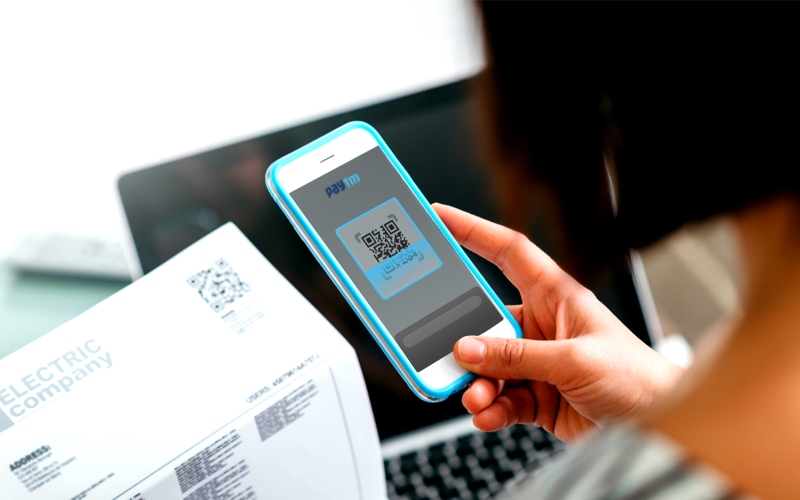
The current system often involves a delay between initiating a payment and its final processing. The future will likely bring widespread real-time payment capabilities, allowing transactions to clear instantly, 24/7. This will provide immediate clarity on account balances and payment statuses, enhancing financial control and eliminating the anxiety of pending transactions. Coupled with intelligent, real-time notifications, users will receive instant alerts for successful payments, upcoming due dates, and any unusual activity, ensuring they are always abreast of their financial situation.
In conclusion, “how do I pay bills online?” is a question whose answer unlocks a world of financial empowerment. From the fundamental convenience of paying bills anytime, anywhere, to the sophisticated security measures protecting your data, and the promise of AI-driven financial insights, online bill payment is an indispensable facet of modern personal finance. By understanding the available methods, diligently setting up your system, and adhering to best practices, you can transform a once-tedious chore into an efficient, secure, and proactive component of your journey towards financial mastery. Embrace the digital age of finance; your wallet and your peace of mind will thank you.
aViewFromTheCave is a participant in the Amazon Services LLC Associates Program, an affiliate advertising program designed to provide a means for sites to earn advertising fees by advertising and linking to Amazon.com. Amazon, the Amazon logo, AmazonSupply, and the AmazonSupply logo are trademarks of Amazon.com, Inc. or its affiliates. As an Amazon Associate we earn affiliate commissions from qualifying purchases.