
For many individuals, tax season is an annual event that culminates in a single filing in April. However, for a growing segment of the population—including freelancers, independent contractors, small business owners, and those with significant investment income—tax responsibilities follow a much more frequent cadence. The United States operates on a “pay-as-you-go” tax system, meaning the Internal Revenue Service (IRS) expects to receive a portion of your income as you earn it throughout the year.
Failure to adhere to this schedule can result in unexpected year-end debt and costly underpayment penalties. Fortunately, the digital era has simplified what used to be a cumbersome process of mailing paper vouchers and checks. Making quarterly tax payments online is now the most efficient, secure, and trackable way to manage your financial obligations. This guide explores the mechanics of estimated taxes, the digital tools available for payment, and the strategic financial habits required to stay compliant while optimizing your cash flow.

Understanding the “Pay-As-You-Go” System and Who It Affects
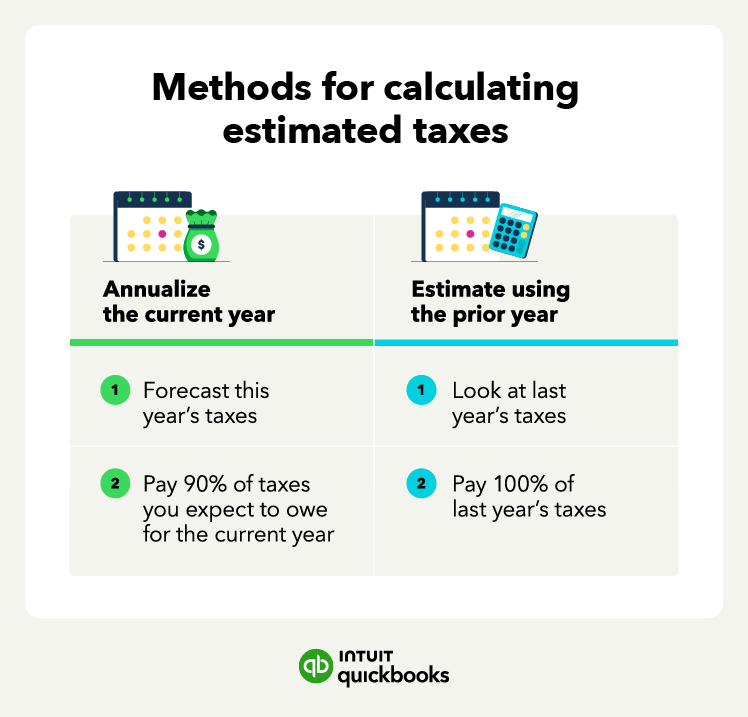
The IRS requires that you pay at least 90% of your current year’s tax liability or 100% of the previous year’s tax liability (110% for high-income earners) through withholding or estimated tax payments. While W-2 employees have these taxes automatically deducted from their paychecks, those who are self-employed or have diverse income streams must take the initiative to send these payments themselves.
The Threshold for Estimated Payments
Generally, you are required to make quarterly estimated tax payments if you expect to owe at least $1,000 in tax for the current year after subtracting your withholding and refundable credits. This applies to several types of income earners:
-
The Self-Employed and Freelancers: Without an employer to withhold taxes, 100% of the tax burden—including the 15.3% self-employment tax—falls on the individual.
-
Business Owners: Partners in partnerships and S-corporation shareholders often receive distributions that are not subject to withholding.
-
Investors: Significant capital gains, dividends, or interest income can trigger the need for estimated payments.
-
Landlords: Rental income is typically paid without tax being withheld at the source.
The Safe Harbor Rules
To avoid underpayment penalties, savvy taxpayers rely on “Safe Harbor” rules. If you pay at least 100% of the total tax shown on your previous year’s return, the IRS will not penalize you, even if you owe a significant amount when you file your current year’s return. For those whose adjusted gross income (AGI) was more than $150,000 (or $75,000 if married filing separately), the safe harbor threshold increases to 110% of the prior year’s tax.
Important Quarterly Deadlines
Quarterly payments are not actually spaced three months apart. The IRS schedule follows a specific timeline that every entrepreneur should mark on their calendar:
-
Q1 (Jan 1 – March 31): Payment due April 15.
-
Q2 (April 1 – May 31): Payment due June 15.
-
Q3 (June 1 – Aug 31): Payment due September 15.
-
Q4 (Sept 1 – Dec 31): Payment due January 15 of the following year.
Calculating Your Quarterly Liability
Before logging into an online portal, you must determine exactly how much to pay. Overpaying results in an interest-free loan to the government until you receive your refund, while underpaying leads to penalties.
Utilizing Form 1040-ES
The IRS provides Form 1040-ES, “Estimated Tax for Individuals,” which contains a worksheet to help you estimate your tax liability. You will need your prior year’s tax return as a baseline. You must estimate your expected adjusted gross income, taxable income, taxes, deductions, and credits for the year.
Accounting for Self-Employment Tax
If you are self-employed, you must calculate both your income tax and your self-employment tax (Social Security and Medicare). The self-employment tax rate is 15.3%, consisting of 12.4% for Social Security and 2.9% for Medicare. Because you act as both the employer and the employee, you are responsible for the full amount, though you can deduct the “employer” half of this tax when calculating your adjusted gross income.
Adjusting for Fluctuating Income
One of the greatest challenges for those in the “gig economy” or seasonal businesses is income volatility. If your income is uneven throughout the year, you may use the “annualized income installment method.” This allows you to pay an amount based on what you actually earned during each specific quarter, rather than paying four equal installments. This prevents you from having to pay a large tax bill in a quarter where your cash flow was low.

The Primary Online Portals for Federal Tax Payments
The IRS offers several digital channels for submitting payments. Each has specific benefits depending on whether you are an individual, a business owner, or someone who values speed over record-keeping.
IRS Direct Pay
Direct Pay is the most popular option for individuals. It allows you to pay your estimated tax directly from your checking or savings account without any service fees.
-
Pros: No registration required; immediate confirmation; free of charge.
-
Cons: Only available for individuals (not businesses with EINs); cannot be used to pay with a credit card.
-
Process: You select “Estimated Tax” as the reason for payment, choose the “1040-ES” form, and verify your identity using information from a previous year’s tax return.
Electronic Federal Tax Payment System (EFTPS)
EFTPS is a robust, free service provided by the Department of the Treasury. It is the preferred method for many small business owners and those who want a high level of tracking.
-
Pros: Allows you to schedule payments up to 365 days in advance; maintains a comprehensive 16-month history of payments; available for both individuals and businesses.
-
Cons: Requires a formal registration process. After signing up, the IRS mails a PIN to your physical address, which can take five to seven business days. You cannot use it for “last minute” payments if you haven’t already registered.
Debit or Credit Card Payments
The IRS utilizes third-party payment processors to handle card transactions. While the IRS does not charge a fee, these processors do.
-
Pros: Ability to earn credit card rewards or points; allows for short-term financing if cash flow is tight.
-
Cons: Convenience fees usually range from 1.8% to 2.0% for credit cards and a flat fee of around $2.50 for debit cards. In most cases, the fee outweighs the value of any points earned unless you are meeting a “minimum spend” requirement for a high-value sign-up bonus.
Digital Wallets and Modern Fintech
In recent years, the IRS has expanded its reach to include PayPal and Click to Pay via their third-party processors. This is often the fastest way for those who have their business funds sitting in a digital wallet to transfer them directly to the Treasury.
Best Practices for Tax Liquidity and Financial Planning
Managing quarterly taxes is as much about cash flow management as it is about compliance. Without a strategy, the mid-month deadlines can cause significant financial strain.
The “Tax Sinking Fund” Strategy
The most effective way to ensure you have the funds ready for your quarterly payment is to treat tax as a non-negotiable expense. Open a separate, high-yield savings account specifically for taxes. Every time you receive a payment from a client or a distribution from your business, immediately transfer a percentage (usually 25% to 30%) into this account.
-
Why this works: It removes the temptation to spend money that doesn’t actually belong to you.
-
The Bonus: By using a high-yield savings account, you earn interest on your tax money until the day you send it to the IRS.
Leveraging Accounting Software
Tools like QuickBooks, FreshBooks, or Wave can be integrated with your bank accounts to track income and expenses in real-time. Many of these platforms offer an “Estimated Tax” feature that calculates your quarterly liability based on your actual net profit. This reduces the guesswork and ensures that your payments are as accurate as possible.
Don’t Forget State Obligations
While this guide focuses on federal payments, most states also require quarterly estimated tax payments if they have a state income tax. The thresholds and deadlines often mirror the federal system, but the online portals will be specific to your state’s Department of Revenue. Ensure you have bookmarked your state’s payment portal alongside the IRS site to avoid missing state-level deadlines.
Keeping Meticulous Records
When you make an online payment, the system provides a confirmation number. You must save this. Whether you print it to a PDF or log it in a spreadsheet, this confirmation is your only proof of payment if the IRS claims a payment was missed. At the end of the year, provide these confirmation numbers and the total amounts paid to your CPA or tax preparer to ensure you receive full credit on your final return.
By mastering the online payment ecosystem and implementing a disciplined savings strategy, you transform a potentially stressful quarterly event into a routine administrative task. Staying ahead of your taxes not only keeps the IRS at bay but also provides a clearer, more professional picture of your business’s true profitability.
aViewFromTheCave is a participant in the Amazon Services LLC Associates Program, an affiliate advertising program designed to provide a means for sites to earn advertising fees by advertising and linking to Amazon.com. Amazon, the Amazon logo, AmazonSupply, and the AmazonSupply logo are trademarks of Amazon.com, Inc. or its affiliates. As an Amazon Associate we earn affiliate commissions from qualifying purchases.