
For many individuals, a car payment represents one of the most significant recurring expenses in their monthly budget. Economic fluctuations, unexpected life events, or simply a reevaluation of financial priorities can quickly transform a manageable payment into a source of considerable stress. If you find yourself asking, “How do I lower my car payment?”, rest assured that you’re not alone, and there are several strategic approaches you can take. This guide will walk you through the essential steps to understand your current situation, explore viable solutions, and make informed decisions to alleviate your financial burden, all while keeping your broader financial health in mind.
Understanding Your Current Auto Loan Landscape
Before you can effectively tackle the challenge of lowering your car payment, it’s crucial to have a clear and comprehensive understanding of your existing loan agreement and your personal financial standing. This foundational knowledge will empower you to identify the most suitable and impactful strategies.
Deconstructing Your Loan Agreement: Interest Rate, Term, and Principal
Your auto loan agreement is a legally binding document that outlines the terms of your debt. To begin, gather your loan paperwork or access your account online to identify these critical components:
- Interest Rate (APR): This is perhaps the most significant factor influencing your monthly payment and the total cost of your loan. A higher interest rate means more of your payment goes towards interest, rather than reducing the principal. Understanding your current APR is paramount for exploring refinancing options.
- Loan Term: This refers to the duration over which you’ve agreed to repay the loan, typically expressed in months (e.g., 36, 48, 60, 72 months). A longer loan term generally results in lower monthly payments but often leads to paying more interest over the life of the loan.
- Principal Balance: This is the remaining amount of money you owe on the car itself, excluding any accrued interest. Knowing your principal balance is vital for calculating potential new payments or understanding your equity position if you consider selling.
- Monthly Payment Amount: The exact figure you pay each month. This is the number you’re aiming to reduce.
- Payment History: Reviewing your payment history can reveal if you’ve made timely payments, which is important for your credit score and for potential negotiations.
Assessing Your Credit Health: The Key to Better Terms
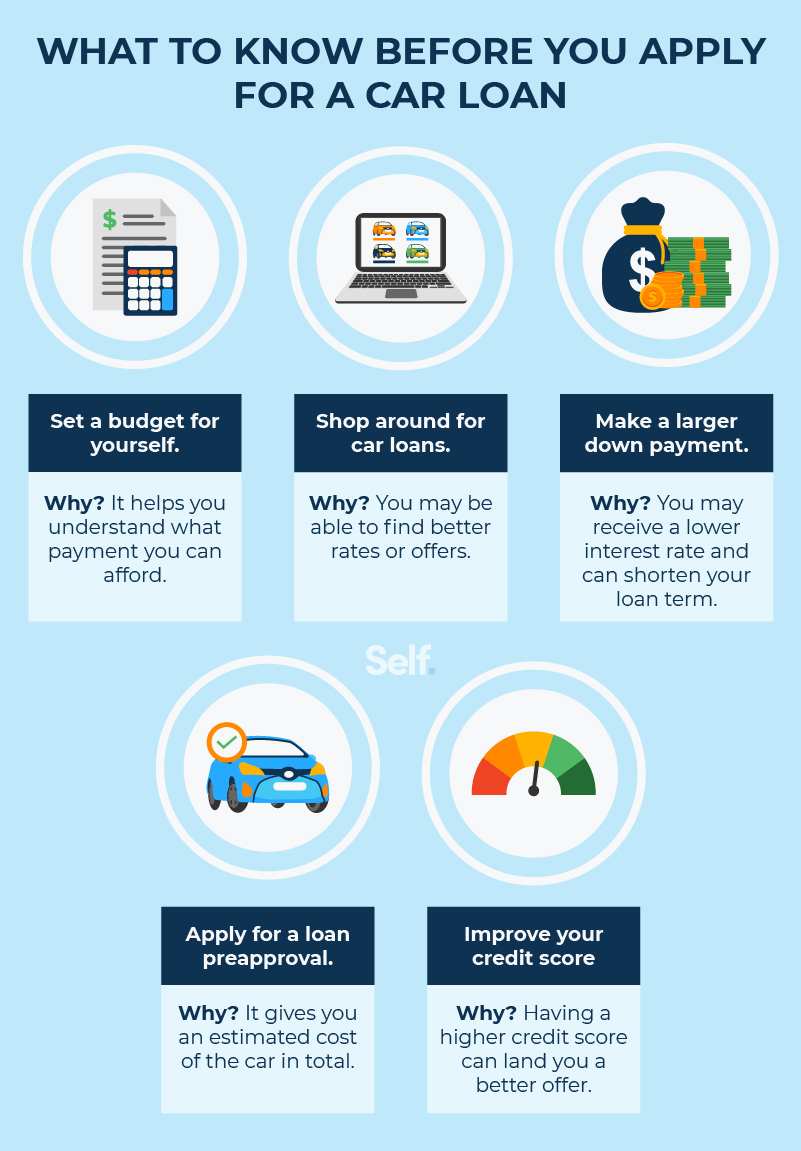
Your credit score plays a pivotal role in determining the interest rates and terms you qualify for on any loan, including auto loans. Lenders use your score to assess your creditworthiness and the risk associated with lending to you. Before pursuing options like refinancing, it’s wise to:
- Obtain Your Credit Report: You are entitled to a free credit report from each of the three major credit bureaus (Equifax, Experian, TransUnion) once a year at AnnualCreditReport.com. Review it carefully for any inaccuracies or fraudulent activity.
- Check Your Credit Score: Many credit card companies, banks, and financial apps now offer free access to your credit score. A higher credit score (generally above 670, with excellent scores being 800+) signals to lenders that you are a reliable borrower, potentially qualifying you for significantly lower interest rates. If your score has improved since you first took out the loan, you’re in a strong position for refinancing.
The Value of Your Vehicle: Loan-to-Value Ratio Matters
The loan-to-value (LTV) ratio is a crucial metric, especially when considering refinancing or selling. It compares the amount you owe on your car to its current market value.
- Calculate Your LTV: Divide your outstanding loan balance by the car’s current estimated value. You can estimate your car’s value using resources like Kelley Blue Book (KBB.com) or Edmunds.com.
- Understand Its Implications: If your LTV is above 100% (meaning you owe more than the car is worth, also known as being “upside down” or having “negative equity”), refinancing can be more challenging. Lenders prefer to lend against an asset that is worth at least as much as, if not more than, the loan itself. However, even with negative equity, some specialized lenders or strategies might still be available.
Strategic Approaches to Reducing Your Monthly Payment
Once you have a clear picture of your current situation, you can explore the various strategies designed to lower your monthly car payment. Each option comes with its own set of advantages and disadvantages.
The Power of Refinancing: Securing a Lower Interest Rate
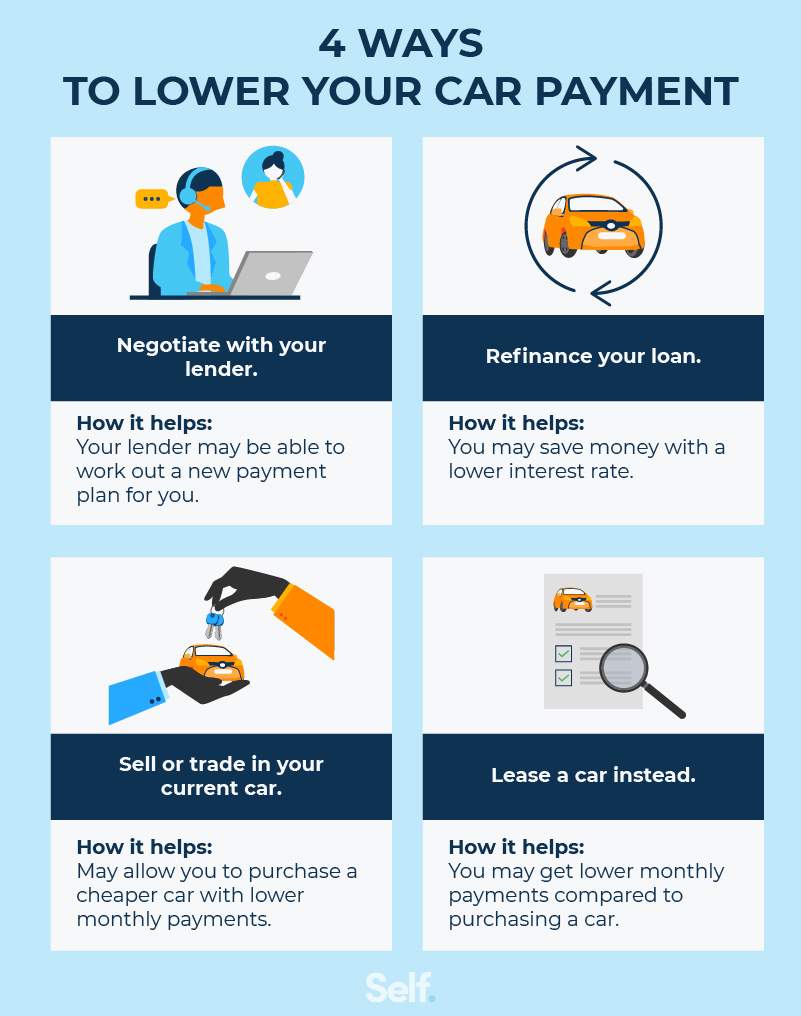
Refinancing involves taking out a new loan to pay off your existing one, ideally with a lower interest rate, a different loan term, or both. This is often the most effective way to reduce your monthly payment without changing vehicles.
- How it Works: You apply for a new auto loan, typically with a different lender than your original one. If approved, the new lender pays off your old loan, and you begin making payments to the new lender under the new terms.
- When It’s Beneficial:
- Improved Credit Score: If your credit score has significantly improved since you first took out the loan, you might qualify for a much better interest rate.
- Market Interest Rates Have Dropped: General interest rates can fluctuate. If they have declined since your original loan, refinancing can capitalize on lower rates.
- High Original Interest Rate: If your initial loan had a high APR due to a lower credit score at the time or an unfavorable dealership loan, refinancing is a prime opportunity for savings.
- Considerations: Be aware of any refinancing fees or early payoff penalties on your existing loan. While a lower interest rate typically leads to lower monthly payments, you’ll need to calculate if the savings outweigh any new costs.
Extending Your Loan Term: Spreading Out the Financial Burden
Another common strategy to lower your monthly payment is to extend the term of your loan. This can be done through refinancing or, in some cases, by negotiating with your current lender.
- How it Works: By stretching the repayment period over a longer duration (e.g., from 48 months to 60 or 72 months), the principal amount is divided into more installments, resulting in smaller individual monthly payments.
- When It’s Beneficial: This is primarily a solution for immediate cash flow relief. If you are struggling to meet your current monthly payments, extending the term can make your budget more manageable.
- Considerations: While your monthly payment will decrease, you will almost certainly pay more in total interest over the life of the loan. This is because the interest accrues for a longer period. Always calculate the total cost implications before opting for a longer term. It’s a trade-off between short-term relief and long-term expense.
Negotiating with Your Current Lender: Exploring Modifications
Sometimes, your existing lender may be willing to work with you, especially if you have a good payment history and are facing temporary financial hardship. It never hurts to ask.
- How it Works: Contact your lender’s customer service or loan modification department directly. Explain your situation and inquire about potential options.
- Potential Outcomes: They might offer:
- A temporary payment deferral: Allowing you to skip a payment or two and add it to the end of your loan term (be aware that interest usually still accrues during this period).
- A minor adjustment to your loan terms: While less common than a full refinance, some lenders might be open to slight modifications, especially to prevent default.
- Guidance on refinancing: They might even be able to offer competitive refinancing options themselves.
- Considerations: Be prepared to explain your situation clearly and provide any requested financial information. This approach is often most successful for those with a solid payment history who are experiencing a temporary setback.
Leveraging a Cosigner: A Path to Better Terms
If your credit score is the primary barrier to securing a lower interest rate or favorable terms, adding a creditworthy cosigner to a new loan (or even in some refinancing situations) could be a viable option.
- How it Works: A cosigner with a strong credit history agrees to be equally responsible for the loan. Their good credit rating can help you qualify for better rates and terms that you might not be eligible for on your own.
- When It’s Beneficial: When your credit score is low, or you have a limited credit history, and you need to secure a more affordable loan.
- Considerations: This is a significant responsibility for the cosigner, as their credit will be affected if you miss payments. It should only be pursued with someone you trust implicitly and who fully understands the implications.
Exploring Alternatives and Long-Term Solutions
If the above strategies aren’t sufficient or suitable for your situation, it might be time to consider more drastic changes or focus on improving your long-term financial health.
Selling Your Car and Buying a Cheaper One
This is arguably the most impactful way to lower your car payment – by getting rid of the car that’s causing the high payment.
- How it Works: You sell your current vehicle and use the proceeds to pay off your outstanding loan. Then, you purchase a more affordable used car, ideally one you can buy outright or finance with a much smaller loan and lower monthly payments.
- When It’s Beneficial:
- Significant Negative Equity: If you’re severely upside down on your loan, selling the car might require you to pay the difference out of pocket. However, if you have positive equity, this strategy can provide immediate relief.
- High Maintenance Costs: If your current car is expensive to maintain in addition to having high payments, downsizing can save you money on both fronts.
- Lifestyle Change: Perhaps you no longer need such an expensive vehicle, or your commuting needs have changed.
- Considerations: Be realistic about your car’s market value. Factor in selling costs (e.g., detailing, advertising) and the hassle involved. Ensure you have a plan for a replacement vehicle that genuinely fits your budget.
Understanding the Implications of Payment Deferral (Use with Caution)
While not a long-term solution, a payment deferral can offer temporary relief during extreme financial hardship. This is typically an option offered by lenders during emergencies (e.g., natural disasters, widespread economic crises) or on a case-by-case basis.
- How it Works: The lender allows you to skip one or more payments, often adding those payments to the end of your loan term.
- When It’s Beneficial: When you face an unexpected, short-term financial crisis (e.g., job loss, medical emergency) that temporarily prevents you from making your car payment.
- Considerations: Interest often continues to accrue on the outstanding balance during the deferral period, meaning you will ultimately pay more over the life of the loan. It also extends the duration of your debt. This should be viewed as a last resort for short-term crises, not a routine strategy for lowering payments.
Improving Your Overall Financial Standing for Future Savings
While these actions won’t immediately lower your current car payment, they are crucial for setting yourself up for financial success and avoiding similar situations in the future.
- Building a Stronger Credit Score: Consistently making all your payments on time, reducing other debts, and avoiding new credit applications will steadily improve your credit score. This will be invaluable for securing better rates on future loans (including your next car) and other financial products.
- Budgeting and Debt Management: Create a detailed monthly budget to understand exactly where your money goes. Identify areas where you can cut expenses to free up cash. If you have other high-interest debts, prioritizing their repayment can improve your overall financial health, indirectly making your car payment feel less burdensome.
- Building an Emergency Fund: Having a robust emergency fund (3-6 months of living expenses) provides a crucial safety net. It can prevent you from defaulting on payments or needing to defer them during unexpected financial downturns.
Crucial Considerations Before Making a Decision
Making a change to your car loan is a significant financial decision that requires careful thought. Don’t rush into an option without fully understanding its broader implications.
Analyzing the Impact on Total Cost of Ownership
While your immediate goal is to lower your monthly payment, it’s vital to consider the total cost of ownership over the life of the loan.
- Longer Terms vs. Total Interest: Extending your loan term will almost certainly increase the total amount of interest you pay, even if the monthly payment is lower. Always ask for a comparison of the total amount repaid under different scenarios.
- Refinancing Costs: Factor in any fees associated with a new loan, such as application fees, origination fees, or title transfer fees, to ensure they don’t negate the savings from a lower interest rate.
- Depreciation: Your car is a depreciating asset. The longer you stretch out payments, the longer you’ll be paying for an asset that is losing value.
Protecting Your Credit Score During the Process
Any significant financial transaction has the potential to impact your credit score, positively or negatively.
- Hard Inquiries: Applying for a new loan (like refinancing) typically results in a “hard inquiry” on your credit report, which can temporarily ding your score by a few points. However, if you shop for rates within a short window (typically 14-45 days, depending on the scoring model), multiple inquiries for the same type of loan will usually only count as one.
- Payment History: Missing payments or defaulting on a loan will severely damage your credit score. This is why addressing a high car payment proactively is so important.
- New Account Management: If you refinance, ensure you make all payments on time to your new lender to continue building a positive credit history.
Weighing Short-Term Relief Against Long-Term Financial Goals
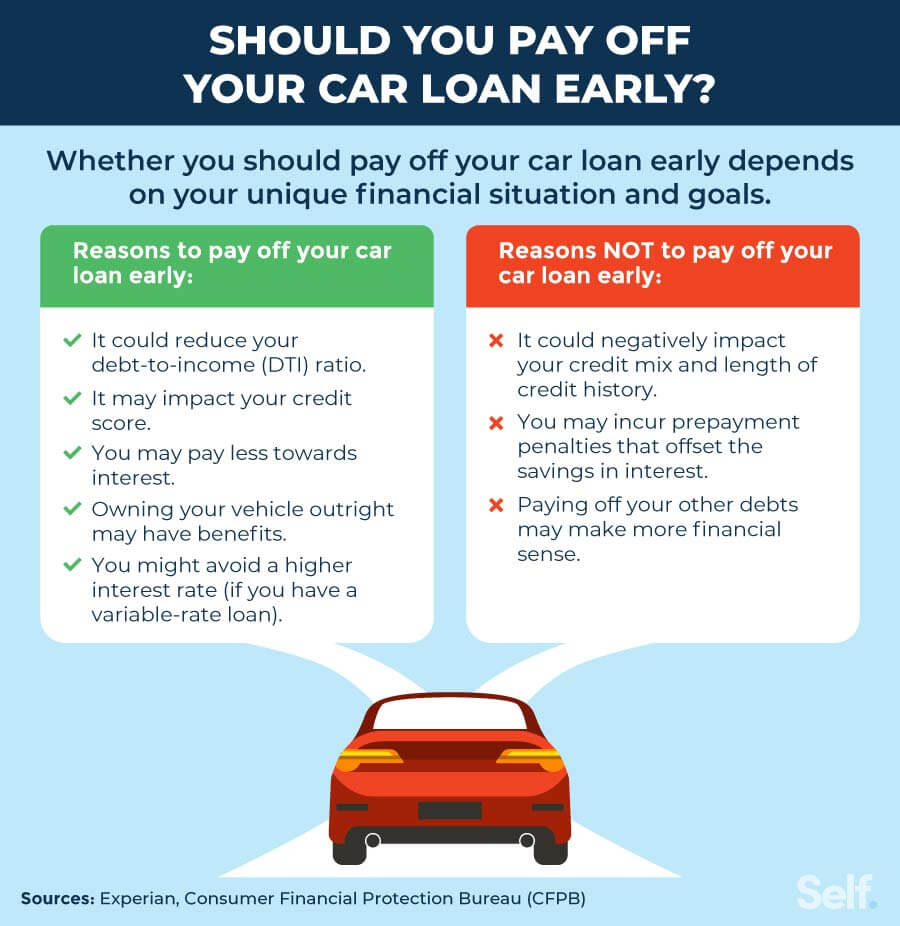
Ultimately, the best strategy for lowering your car payment will depend on your individual circumstances, financial goals, and risk tolerance.
- Immediate Needs vs. Future Savings: Are you seeking immediate relief to make ends meet, even if it means paying more in the long run? Or are you looking for a more financially savvy solution that saves you money over the entire loan term?
- Budgetary Constraints: How much can you realistically afford each month? Be honest with yourself about your income and expenses.
- Future Plans: Do you plan to keep the car for a long time, or do you intend to sell it in a few years? Your future plans can influence whether a longer loan term is acceptable.
Lowering your car payment is an attainable goal, but it requires careful consideration, research, and a clear understanding of your financial situation. By systematically evaluating your options and considering the long-term implications, you can make an informed decision that brings you closer to your financial objectives and provides much-needed relief from a burdensome car payment.
aViewFromTheCave is a participant in the Amazon Services LLC Associates Program, an affiliate advertising program designed to provide a means for sites to earn advertising fees by advertising and linking to Amazon.com. Amazon, the Amazon logo, AmazonSupply, and the AmazonSupply logo are trademarks of Amazon.com, Inc. or its affiliates. As an Amazon Associate we earn affiliate commissions from qualifying purchases.