
In an era defined by subscriptions, from streaming services to software and everything in between, keeping track of your recurring expenses can feel like a full-time job. Amazon Prime stands as one of the most pervasive and multifaceted subscription services globally, offering a dizzying array of benefits from expedited shipping to digital entertainment. For many, it’s an indispensable part of their daily lives; for others, it might be a forgotten charge lingering on a bank statement, or a service they think they have but aren’t entirely sure.
Understanding your Amazon Prime membership status isn’t just about accessing benefits; it’s a fundamental aspect of sound personal finance. Every subscription represents a financial commitment, and knowing exactly what you’re paying for – and whether you’re actively using it – is crucial for budgeting, avoiding unnecessary expenditures, and maximizing the value of your hard-earned money. This guide will walk you through the practical steps to ascertain your Prime status and help you make financially savvy decisions about this ubiquitous service.
The Financial Imperative of Knowing Your Prime Status
In the landscape of modern personal finance, managing subscriptions has become as important as tracking utility bills or mortgage payments. A significant portion of household budgets is now allocated to these recurring charges, and a lack of awareness can lead to significant financial leakage over time. For Amazon Prime, a service that can cost over a hundred dollars annually, this awareness is not just helpful—it’s imperative.
Avoiding Unnecessary Charges
One of the most common pitfalls in personal finance is the “ghost subscription”—a service you signed up for, perhaps on a free trial, and then forgot to cancel. These small, recurring charges, when multiplied across several services, can silently erode your disposable income. Amazon Prime, with its automatic renewal policy, is a prime candidate for becoming such a ghost if you no longer need or use it. Regularly checking your Prime status ensures you aren’t paying for a service you don’t want or aren’t actively utilizing. This vigilance directly impacts your cash flow, freeing up funds that can be better allocated towards savings, debt repayment, or other financial goals. Each dollar saved from an unwanted subscription is a dollar earned for your financial freedom.
Maximizing Value from Your Investment
Conversely, if you are paying for Amazon Prime, knowing your status empowers you to extract maximum value from that financial commitment. Prime isn’t cheap, but its extensive suite of benefits—including free two-day shipping, Prime Video, Amazon Music, exclusive deals, and more—can offer substantial savings and convenience. However, these benefits only translate into value if you use them. If you’re paying for Prime but rarely use the shipping, never stream content, or forget about the exclusive sales, you’re not getting a full return on your investment. By confirming your membership, you can then consciously evaluate whether you’re leveraging its features to their fullest potential, ensuring that your financial outlay is truly serving your needs and saving you money in other areas. This proactive approach transforms a simple subscription into a strategic financial tool.
Budgeting and Financial Planning
Accurate budgeting relies on a clear understanding of your income and expenses. Subscriptions, including Amazon Prime, are fixed or semi-fixed expenses that must be accounted for. When you’re unsure about your Prime status, it creates a blind spot in your budget. Are you budgeting for a monthly charge? An annual one? Or no charge at all? Knowing definitively allows you to integrate this expense accurately into your financial plan, whether it’s part of your “entertainment” budget, “household” budget, or simply a line item under “subscriptions.” This precision is vital for long-term financial health, enabling you to set realistic spending limits, save more effectively, and make informed decisions about future financial commitments. Regular checks of your subscription landscape should be a staple of any robust personal finance routine.
Step-by-Step: Verifying Your Amazon Prime Membership
Fortunately, Amazon makes it relatively straightforward to check your Prime status. The primary methods involve navigating your account settings on their website or app, reviewing past transactions, or, if all else fails, reaching out to their customer service. Each method offers a slightly different avenue to confirmation, catering to various user scenarios.
Checking Via the Amazon Website
This is arguably the most common and comprehensive method. To verify your Prime status through the Amazon website:
-
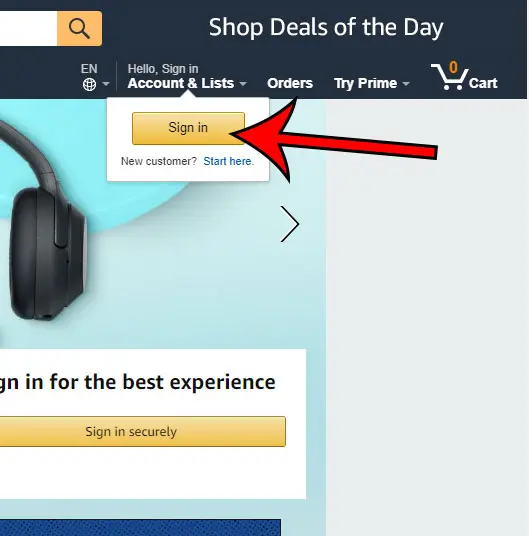
Log In: Go to Amazon.com and log in to your account. Ensure you’re using the correct credentials for the account you suspect might have Prime.
-
Navigate to Your Account: Hover over “Accounts & Lists” in the top right corner of the homepage.
-
Access Prime Membership Settings: In the dropdown menu, click on “Your Prime Membership.”
-
Review Your Status: This page is your central hub for all things Prime. It will clearly state your membership status (e.g., “Prime Membership” or “You are not a Prime member”). If you are a member, it will also display your next billing date, the payment method on file, and the option to manage, pause, or cancel your membership. This page is crucial for understanding your financial commitment, including the upcoming charge amount and when it will occur.
Using the Amazon App
For those who primarily use Amazon on their mobile devices, the process is equally simple through the Amazon Shopping app:
-
Open the App and Log In: Launch the Amazon Shopping app on your smartphone or tablet and ensure you’re logged into the correct account.
-
Access Account Settings: Tap the three horizontal lines (menu icon) in the bottom right (iOS) or top left (Android) corner.
-
Go to Your Account: Scroll down and tap on “Account.”
-
Find Prime Membership: Under “Account Settings,” look for and tap “Manage Prime Membership.”
-
Confirm Status: Similar to the website, this screen will display your current Prime status, renewal date, and payment information. This mobile accessibility allows for quick financial checks on the go.
Reviewing Your Purchase History and Email Confirmations
Sometimes, checking your account directly isn’t feasible, perhaps due to forgotten passwords or account access issues. In such cases, your transaction history and email inbox can provide valuable clues:
-
Order History: Log in to your Amazon account (if possible) and go to “Your Orders.” Filter your orders by year and look for charges labeled “Prime Membership,” “Prime Fee,” or “Amazon Prime.” These entries will confirm if and when you were charged.
-
Email Search: Search your email inbox (and spam folder) for emails from Amazon containing terms like “Amazon Prime,” “Prime Membership,” “Your Prime renewal,” or “Welcome to Prime.” Amazon sends confirmation emails upon signup and before annual or monthly renewals. The dates and amounts in these emails can help you piece together your membership history.
Contacting Amazon Customer Service

If you’ve tried the above methods and are still unsure, or if you suspect an unauthorized charge, Amazon’s customer service is your final recourse. They can directly access your account information (with proper verification) and provide definitive answers regarding your Prime status, billing history, and any associated financial queries. This is particularly useful if you have multiple Amazon accounts or if you believe someone else might have used your payment information.
Understanding Your Prime Billing and Payment Structure
Knowing you have Prime is one thing; understanding how you’re paying for it and what options you have is another layer of financial management. Amazon offers flexibility, but this also means you need to be aware of the nuances to optimize your spending.
Monthly vs. Annual Subscriptions
Amazon Prime offers two primary billing cycles: monthly and annual.
-
Monthly: This option provides flexibility, allowing you to cancel anytime without a large upfront commitment. However, it’s generally more expensive in the long run.
-
Annual: Paying annually typically results in a lower overall cost compared to paying month-to-month. This is a common strategy by subscription services to encourage longer commitments.
Financial Consideration: If you are a consistent Prime user, switching from a monthly to an annual plan can lead to significant savings over a year. Your “Your Prime Membership” page will show your current billing cycle and often offers the option to switch, presenting the potential financial benefit clearly.
Payment Methods and Automatic Renewals
Amazon Prime subscriptions are set up for automatic renewal. This convenience can become a financial trap if you forget about the service.
-
Linked Payment Method: The subscription charges will be debited from the primary payment method associated with your Amazon account. It’s crucial to regularly check which card or bank account is linked, especially if cards expire or are replaced, to avoid unexpected declines or delays in service.
-
Managing Payment: On your “Your Prime Membership” page, you can update your payment information. Regularly reviewing this helps prevent disruptions to service and allows you to control which financial instrument is used for the charge.
Special Prime Programs (Student, EBT, etc.)
Amazon offers reduced-price Prime memberships for specific demographics, presenting a substantial financial benefit:
-
Prime Student: Students can often get a trial period and then a reduced monthly or annual rate for several years. This is a significant saving compared to standard Prime.
-
Prime EBT/Medicaid: Individuals receiving government assistance like EBT or Medicaid are also eligible for a discounted monthly rate.
Financial Impact: If you qualify for one of these programs, ensure you are utilizing it. The savings can be substantial over the life of the membership. Your “Your Prime Membership” page should indicate if you are currently on a special plan, or provide options to explore eligibility if you are not. This is a key area for potential financial optimization.
Identifying Unauthorized or Accidental Charges
Discovering a Prime charge you don’t recognize can be unsettling. If this happens:
-
Check Your Accounts: First, verify all your Amazon accounts (if you have more than one) and family members’ accounts to ensure it’s not a legitimate charge you simply forgot about.
-
Review Payment Method: Look at the specific debit/credit card statement for the charge. Does it match a card you’ve linked to Amazon?
-
Contact Amazon: If you still can’t identify the charge, immediately contact Amazon customer service. They can investigate the charge and, if it’s truly unauthorized, help with refunds and security measures. Proactive monitoring of your bank statements is a vital habit for catching such discrepancies early.
Making Smart Financial Decisions with Your Prime Membership
Beyond simply knowing your status and billing, the ultimate goal is to integrate Amazon Prime management into your broader personal finance strategy. This involves a critical evaluation of its worth, active management of your subscription, and regular financial audits.
Is Prime Worth the Investment for You?
The annual or monthly fee for Amazon Prime is an investment. Like any investment, it should yield a return—whether that’s financial savings, convenience, or entertainment value.
-
Cost-Benefit Analysis: Tally up how much you actually save through Prime’s benefits. Do you frequently use free two-day shipping for items you would have bought anyway (and paid shipping for)? Do you use Prime Video enough to justify replacing a separate streaming service? Do the exclusive deals save you money on purchases you planned to make?
-
Usage Patterns: If you only use Prime once a year for holiday shopping, the annual fee might not be worth it. Consider signing up for a month when you anticipate heavy usage and then canceling.
-
Opportunity Cost: What else could you do with the money you spend on Prime? Could it go into an emergency fund, investment, or pay down high-interest debt? A frank assessment helps determine if the financial outlay aligns with your personal priorities.
Managing Your Subscription for Optimal Value
Once you’ve assessed its value, actively manage your Prime membership to ensure it continues to serve your financial interests.
-
Pausing or Cancelling: If you decide Prime isn’t worth it, or if you anticipate a period of low usage, you can cancel your membership. Amazon typically offers a prorated refund if you cancel mid-period and haven’t used many benefits. If you just need a break, you might be able to pause your membership, allowing you to retain historical data and settings without incurring charges. Always cancel before your next renewal date to avoid unwanted charges.
-
Downgrading: If you’re on a full Prime membership but only use a few benefits, consider if a more limited (and cheaper) service like a standalone Prime Video subscription would suffice. While not truly a “downgrade” from Prime, it reflects optimizing for specific needs.
Integrating Prime Management into Your Personal Finance Routine
Proactive management is key. Don’t wait until you see a charge you don’t recognize.
-
Regular Subscription Audits: Make it a habit to review all your recurring subscriptions—not just Prime—at least once a quarter. Many financial apps and budgeting tools can help you track these automatically.
-
Calendar Reminders: Set a calendar reminder a week before your Prime (and other major subscriptions) are due to renew. This gives you time to evaluate your usage and decide whether to continue or cancel, preventing last-minute rushed decisions or forgotten renewals.
-
Financial Tracking Apps: Utilize personal finance apps that categorize your spending and alert you to upcoming bills. Many can identify recurring charges, making it easier to keep a watchful eye on your Prime membership and other subscriptions.
Conclusion
Knowing whether you have Amazon Prime, and understanding the financial implications of that membership, is more than just a trivial detail—it’s a critical component of effective personal finance. In an economy increasingly driven by subscription models, being an informed and proactive consumer is paramount. By taking the time to verify your status, scrutinize your billing, and critically evaluate the value you receive, you empower yourself to make smart financial decisions. This vigilance not only prevents unnecessary spending but also ensures that every dollar you invest in services like Amazon Prime genuinely contributes to your convenience, savings, and overall financial well-being. Take control of your subscriptions, and by extension, take control of your money.
aViewFromTheCave is a participant in the Amazon Services LLC Associates Program, an affiliate advertising program designed to provide a means for sites to earn advertising fees by advertising and linking to Amazon.com. Amazon, the Amazon logo, AmazonSupply, and the AmazonSupply logo are trademarks of Amazon.com, Inc. or its affiliates. As an Amazon Associate we earn affiliate commissions from qualifying purchases.