
In an increasingly digital world, the once-daunting realm of stock market investing has become more accessible than ever before. Gone are the days when investing was exclusively the domain of wealthy individuals with direct access to floor traders or expensive financial advisors. Today, with just a computer or smartphone and an internet connection, virtually anyone can begin their journey to building wealth through online stock investing. This guide will demystify the process, providing a clear roadmap for how you can start investing in stocks online, build a robust portfolio, and work towards your financial aspirations.

Understanding the Fundamentals of Online Stock Investing
Before diving into the mechanics, it’s crucial to grasp the foundational concepts of stock investing and why the online avenue has become so popular. Investing in stocks means buying small pieces of ownership, called shares, in publicly traded companies. When you own a stock, you have a claim on a portion of the company’s assets and earnings. The goal is simple: buy low, sell high, or hold for long-term growth and potential dividends.
What is Stock Investing?
At its core, stock investing is about participating in the growth and profitability of businesses. Companies issue stocks to raise capital, which they use to fund operations, expand, innovate, or pay off debt. As an investor, you become a shareholder, hoping the company’s value increases over time, leading to an appreciation in your stock’s price. Beyond price appreciation, some companies also pay dividends, which are distributions of a portion of their earnings to shareholders, providing a regular income stream. Stocks are considered a growth asset, offering the potential for higher returns than traditional savings accounts or bonds, but they also come with inherent risks.
Why Invest in Stocks Online?
The shift to online investing has revolutionized access to financial markets. There are several compelling reasons why digital platforms have become the preferred choice for millions:
- Accessibility: Online brokerages have democratized investing. You no longer need significant capital to start; many platforms allow you to begin with just a few dollars, sometimes even offering fractional shares, where you can buy a portion of a single share.
- Cost-Efficiency: Online brokers typically charge significantly lower commissions per trade compared to traditional full-service brokers. Many now even offer commission-free trading for stocks and ETFs (Exchange Traded Funds), drastically reducing the cost barrier.
- Control and Convenience: You have direct control over your investment decisions, allowing you to execute trades whenever the market is open, from anywhere with an internet connection. This empowers investors to manage their portfolios on their own terms, at their own pace.
- Educational Resources: Most online platforms provide a wealth of educational materials, research tools, market data, and analytical insights, equipping new investors with the knowledge needed to make informed decisions.
- Diversification Options: Online platforms offer access to a vast array of investment products, including individual stocks, ETFs, mutual funds, and sometimes even options or cryptocurrencies, enabling extensive portfolio diversification.
Key Terminology to Know
Navigating the investment world requires understanding its language. Here are a few essential terms:
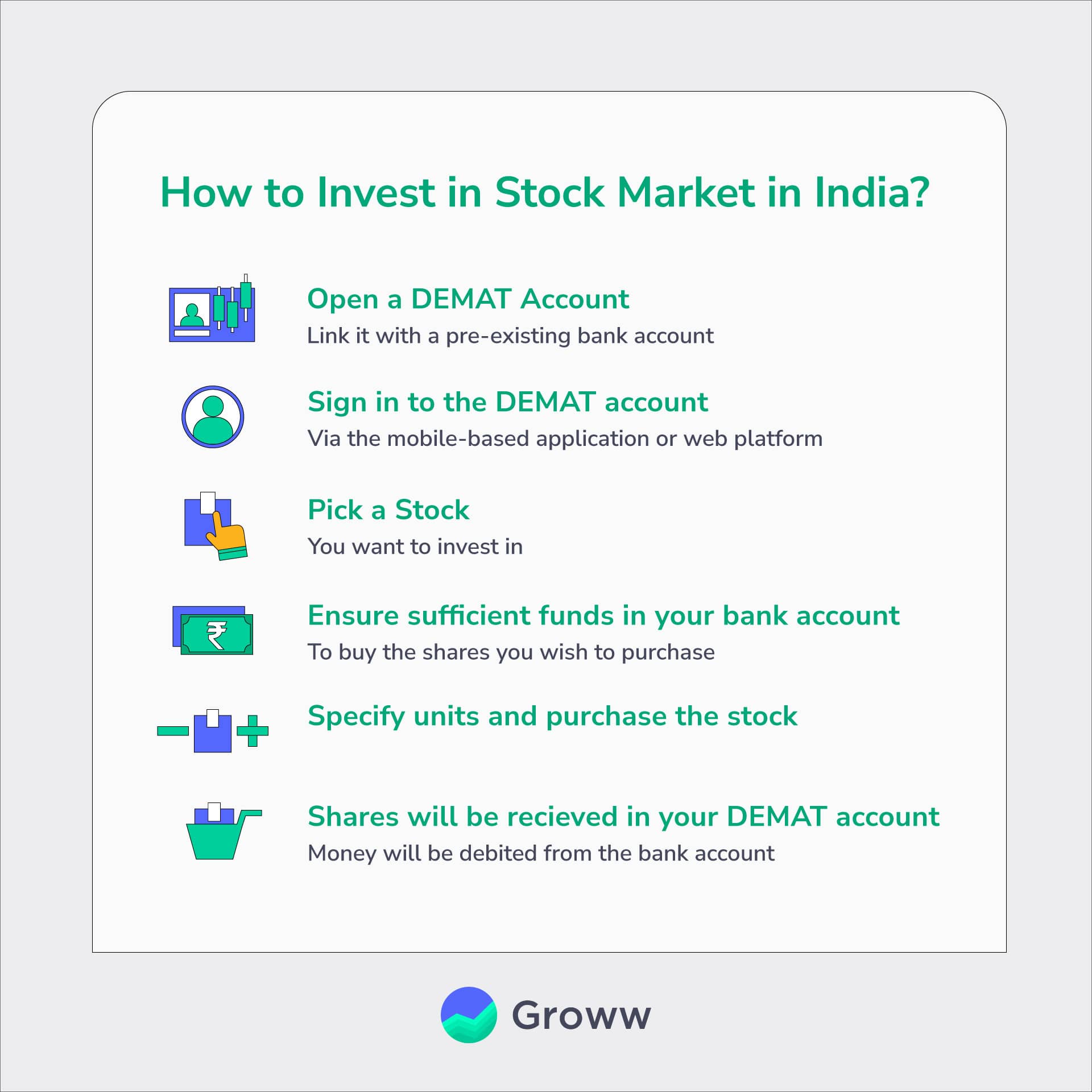
- Brokerage Account: This is the account you open with an online broker to hold your investments (stocks, bonds, funds) and manage your trades.
- Shares: Units of ownership in a company.
- ETFs (Exchange Traded Funds): A type of investment fund that holds a collection of underlying assets (like stocks or bonds) and trades on stock exchanges like individual stocks. They offer instant diversification.
- Market Order: An instruction to buy or sell a stock immediately at the best available current price.
- Limit Order: An instruction to buy or sell a stock at a specific price or better. It allows more control over the execution price.
- Dividend: A payment made by a corporation to its shareholders, usually out of its profits.
- Portfolio: The collection of all your investments.
Setting Up Your Online Investment Journey
With a foundational understanding in place, the next step involves practical preparation – defining your goals, choosing the right tools, and funding your account.
Define Your Financial Goals and Risk Tolerance
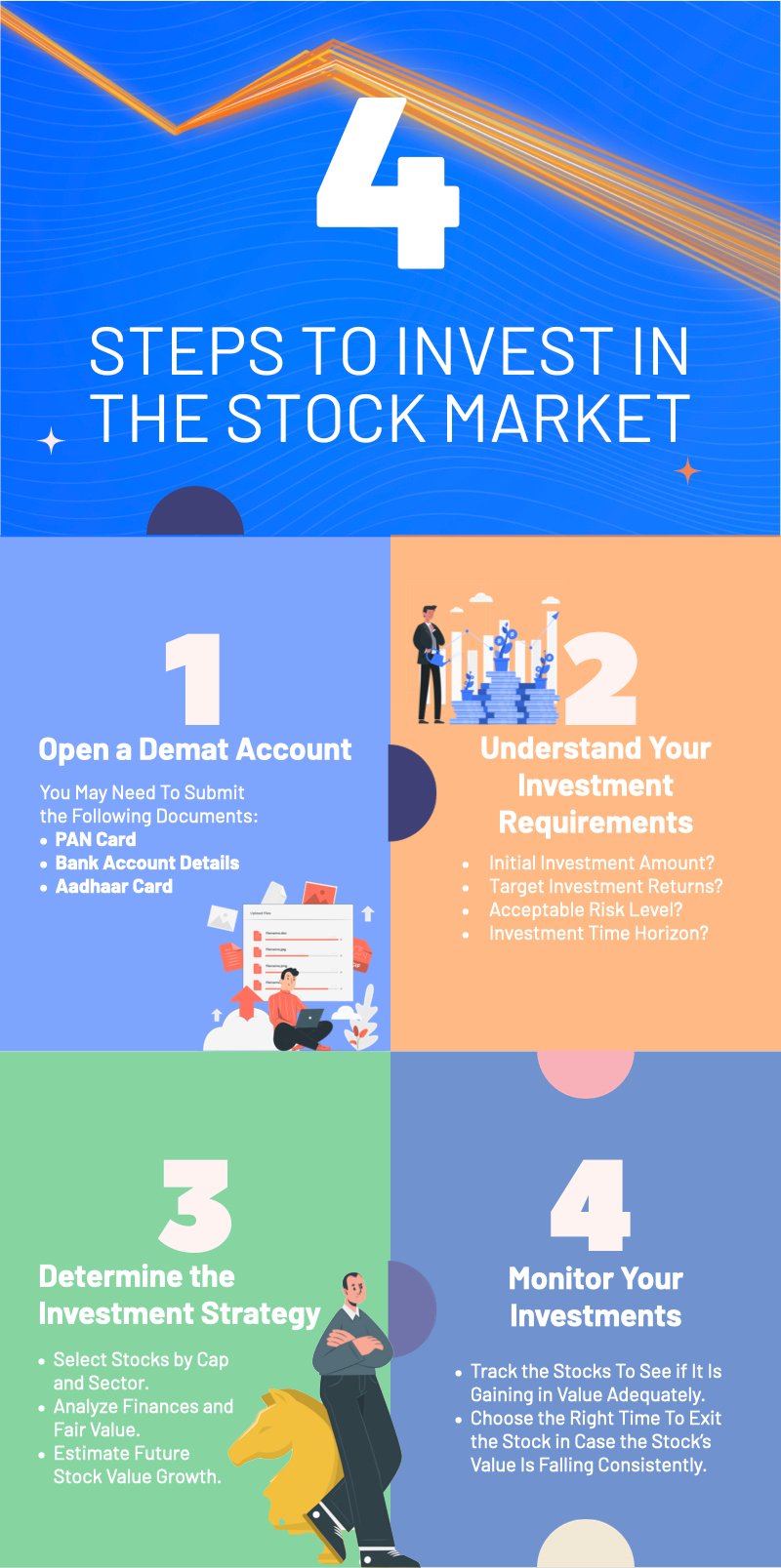
Before you invest a single dollar, clearly articulate why you are investing and what you hope to achieve. Are you saving for retirement in 30 years, a down payment on a house in five years, or a shorter-term goal? Your goals will dictate your investment horizon and the level of risk you should be comfortable taking.
- Investment Horizon: The longer your time horizon, the more risk you can typically afford to take, as market fluctuations tend to smooth out over extended periods.
- Risk Tolerance: This is your psychological comfort level with potential losses. Are you comfortable with significant swings in your portfolio’s value for the potential of higher returns, or do you prefer more stability even if it means lower growth? Most online brokers offer questionnaires to help you assess your risk tolerance, which is crucial for selecting appropriate investments.
Choosing the Right Online Brokerage Account
Selecting an online brokerage is perhaps the most critical practical decision. There are numerous reputable options, each with slightly different features, fees, and services. Consider the following:
- Fees and Commissions: Look for commission-free stock and ETF trades. Be aware of other potential fees like account maintenance fees, inactivity fees, or fees for transferring funds.
- Minimum Deposit: Some brokers require a minimum deposit to open an account, while others have no minimum.
- Investment Options: Ensure the broker offers the types of investments you’re interested in (e.g., individual stocks, ETFs, mutual funds).
- User Interface and Tools: A user-friendly platform, robust research tools, real-time data, and educational resources are invaluable, especially for beginners.
- Customer Support: Accessible and responsive customer service can be a lifesaver when you encounter issues or have questions.
- Security: Ensure the brokerage is regulated by bodies like the Securities and Exchange Commission (SEC) in the US and is a member of the Securities Investor Protection Corporation (SIPC), which protects your investments up to $500,000 in case the brokerage fails.
Popular options include Fidelity, Charles Schwab, Vanguard, E*TRADE, Robinhood, and Interactive Brokers, among many others. Take your time to compare and read reviews before making a choice.
Funding Your Investment Account
Once you’ve opened your brokerage account, the next step is to fund it. Most online brokers offer several convenient methods:
- Electronic Funds Transfer (EFT): This is the most common method, linking your bank account directly to your brokerage account for easy transfers.
- Wire Transfer: Faster than EFT but often involves fees.
- Check Deposit: Slower and less common for initial funding, but an option for some.
- Account Transfer: If you’re moving an existing investment account from another institution.
Remember that funds usually need a few business days to clear before they are available for trading.
Strategies for Effective Online Stock Selection
With your account set up, it’s time to consider what to invest in. This involves research, understanding diversification, and choosing an investment approach.
Researching Stocks: Fundamental vs. Technical Analysis
Making informed investment decisions requires research. Broadly, there are two main approaches:
- Fundamental Analysis: This involves evaluating a company’s intrinsic value by examining its financial statements (income statement, balance sheet, cash flow statement), management quality, industry position, competitive advantages, and macroeconomic factors. The goal is to identify undervalued companies with strong growth potential. Key metrics include P/E ratio, earnings per share (EPS), revenue growth, and debt-to-equity ratio.
- Technical Analysis: This approach focuses on analyzing past market data, primarily price and volume charts, to identify patterns and predict future price movements. Technical analysts believe that all relevant information is already reflected in the stock price. This method is often used for short-term trading decisions.
As a beginner, a combination of fundamental analysis to pick quality companies and understanding basic chart patterns can be beneficial. Most online brokers offer robust research platforms with analyst reports, news feeds, and screening tools to help you with this process.
Diversification: The Golden Rule of Investing
Perhaps the most important principle in investing is diversification. This means spreading your investments across various assets, industries, and geographies to reduce risk. The adage “don’t put all your eggs in one basket” perfectly encapsulates this.
- Why Diversify? If one investment performs poorly, the impact on your overall portfolio is mitigated by the performance of your other investments.
- How to Diversify:
- Across Companies: Invest in multiple companies rather than just one or two.
- Across Industries: Don’t just invest in tech; consider healthcare, finance, consumer goods, etc.
- Across Asset Classes: While this guide focuses on stocks, a truly diversified portfolio might also include bonds, real estate, or other assets.
- Geographical Diversification: Invest in companies from different countries.
- ETFs and Mutual Funds: These are excellent tools for instant diversification, as they automatically hold a basket of many different stocks or other securities.
Understanding Different Investment Approaches
Your goals and risk tolerance will also influence your investment approach:
- Long-Term Investing: This strategy involves holding investments for many years (e.g., 5, 10, 20+ years). It emphasizes growth over time, riding out short-term market volatility. This is generally recommended for most individual investors.
- Value Investing: Inspired by Warren Buffett, this involves finding stocks that appear to be trading for less than their intrinsic value, often overlooked by the broader market.
- Growth Investing: Focuses on companies expected to grow at an above-average rate compared to other companies, often in emerging industries or with innovative products.
- Dividend Investing: Aims to generate income from stocks that regularly pay dividends, often mature, stable companies.
For most beginners, a long-term, diversified approach focusing on quality companies or broad-market ETFs is the most prudent strategy.
Placing Your First Online Stock Order and Managing Your Portfolio
Once you’ve done your research and decided on your first investment, the actual trading process is straightforward. However, careful execution and ongoing management are key.
Navigating the Brokerage Platform
Online brokerage platforms are designed to be user-friendly, but they can still feel a bit overwhelming initially. Spend some time exploring the different sections:
- Dashboard/Homepage: Overview of your account balance, portfolio performance, and recent news.
- Research/Quotes: Where you can look up specific stock symbols, view charts, financial data, and analyst reports.
- Trade/Order Entry: The section where you will place your buy or sell orders.
- Account/History: To view your transaction history, statements, and tax documents.
Many platforms also offer virtual trading accounts (paper trading) where you can practice buying and selling stocks with fake money, which is an excellent way to get comfortable before using real capital.
Executing Trades (Market vs. Limit Orders Explained)
When you’re ready to buy a stock, you’ll typically be presented with different order types:
- Market Order: This is the simplest option. You instruct your broker to buy or sell shares immediately at the best available price in the market. While convenient, the exact price you pay or receive might differ slightly from the real-time quote due to market fluctuations. It’s generally suitable for highly liquid stocks.
- Limit Order: This gives you more control over the price. For a buy order, you specify the maximum price you’re willing to pay. For a sell order, you specify the minimum price you’re willing to accept. Your order will only execute if the stock reaches your specified price or a better one. This can be useful for volatile stocks or when you want to buy/sell at a particular valuation.
- Stop Order: (Less common for beginners’ first trades but good to know) An order to buy or sell a stock once its price reaches a specified price (the “stop price”), at which point it becomes a market order. Often used to limit potential losses (stop-loss order).
For your first few trades, a market order for highly liquid stocks or a limit order for more control are common choices. Always double-check the ticker symbol, number of shares, and order type before confirming your trade.
Monitoring and Rebalancing Your Portfolio
Investing is not a “set it and forget it” activity, especially in the initial stages. While long-term investors don’t need to check their portfolio daily, regular monitoring is important:
- Review Performance: Periodically check how your investments are performing against your goals.
- Stay Informed: Keep an eye on the news, especially for the companies you own or industries you’re invested in. Understand broad economic trends.
- Rebalancing: Over time, some of your investments may grow faster than others, causing your portfolio’s asset allocation to drift from your target. Rebalancing involves selling some of the overperforming assets and buying more of the underperforming ones to bring your portfolio back to your desired risk level and allocation. This can be done annually or semi-annually.
Remember that market fluctuations are normal. Avoid making impulsive decisions based on short-term news or emotions.
Common Pitfalls and Best Practices for Online Investors
As you embark on your online investing journey, being aware of common mistakes and adopting best practices will significantly increase your chances of success.
Avoiding Emotional Decisions
The stock market is a roller coaster of emotions. Fear of missing out (FOMO) can lead to buying at market peaks, while panic selling during downturns can lock in losses. Greed can push investors to take excessive risks. Successful investing requires discipline and a rational approach.
- Stick to Your Plan: Develop an investment plan based on your goals and risk tolerance, and adhere to it.
- Avoid Chasing Trends: Hot stocks often cool down quickly. Focus on sound fundamentals rather than fleeting popularity.
- Don’t Panic: Market corrections are normal. Historically, markets have always recovered from downturns.
Staying Informed and Continuously Learning
The financial world is dynamic. What worked yesterday might not work tomorrow.
- Read Reputable Sources: Follow financial news from trusted outlets.
- Utilize Brokerage Resources: Leverage the educational content, webinars, and research tools provided by your online broker.
- Understand Economic Indicators: Familiarize yourself with how economic data (inflation, interest rates, GDP) can impact the market.
- Learn from Mistakes: Every investor makes mistakes. Analyze them, learn, and adjust your strategy.
The Importance of Tax Planning for Investments
Investing comes with tax implications that are crucial to understand, as they can significantly impact your net returns.
- Capital Gains Tax: Profits from selling investments are subject to capital gains tax. These can be short-term (for assets held one year or less, taxed at your ordinary income tax rate) or long-term (for assets held over a year, usually taxed at lower preferential rates).
- Dividend Tax: Dividends received from stocks are also taxable.
- Tax-Advantaged Accounts: Utilize retirement accounts like 401(k)s and IRAs (Traditional or Roth) if available to you. These accounts offer significant tax benefits, such as tax-deferred growth or tax-free withdrawals in retirement, making them powerful tools for long-term wealth building.
- Tax-Loss Harvesting: This strategy involves selling investments at a loss to offset capital gains and potentially a limited amount of ordinary income. Consult with a tax professional to understand how investment taxes apply to your specific situation.
Online stock investing offers an unparalleled opportunity for individuals to take control of their financial future. By understanding the fundamentals, setting clear goals, choosing the right tools, employing sound strategies, and committing to continuous learning, you can navigate the complexities of the market with confidence. Remember, investing is a marathon, not a sprint. Patience, discipline, and a long-term perspective are your most valuable assets on the path to financial prosperity.
aViewFromTheCave is a participant in the Amazon Services LLC Associates Program, an affiliate advertising program designed to provide a means for sites to earn advertising fees by advertising and linking to Amazon.com. Amazon, the Amazon logo, AmazonSupply, and the AmazonSupply logo are trademarks of Amazon.com, Inc. or its affiliates. As an Amazon Associate we earn affiliate commissions from qualifying purchases.