
Investing in the stock market can feel daunting, especially when targeting a behemoth like Amazon (AMZN). Yet, for many, the allure of owning a piece of a company that has fundamentally reshaped e-commerce, cloud computing, and digital entertainment is strong. Amazon’s journey from an online bookstore to a global technology and logistics powerhouse makes its stock a perennial point of interest for both novice and seasoned investors. This comprehensive guide will demystify the process, offering a clear, step-by-step approach to investing in Amazon stock, alongside crucial considerations to help you make informed decisions.
Understanding Amazon as an Investment
Before diving into the mechanics of purchasing shares, it’s vital to grasp what you’re investing in. Amazon is more than just an online store; it’s a diverse ecosystem with multiple high-growth segments.
A Brief History of Amazon’s Growth
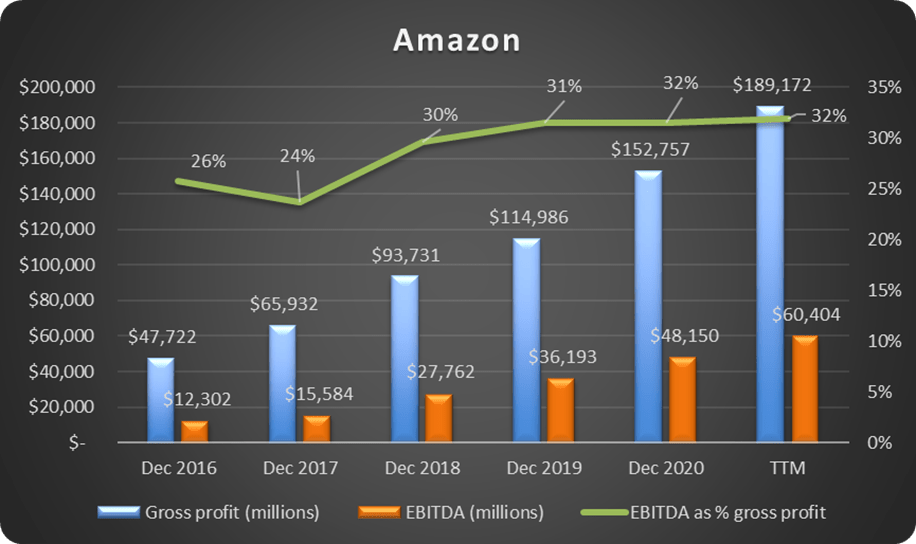
Founded by Jeff Bezos in 1994, Amazon started as an online bookstore, quickly expanding its product offerings to become the “everything store.” Its relentless focus on customer experience, aggressive expansion into new markets, and willingness to reinvest profits for long-term growth have been hallmarks of its strategy. Over the decades, Amazon has consistently innovated, disrupting traditional retail and pioneering new industries. This history of sustained growth and market leadership underpins much of its investment appeal.
Key Drivers of Amazon’s Business Model
Amazon’s revenue streams are incredibly diversified, making it a resilient company even amidst economic fluctuations. Understanding these drivers is key to appreciating its investment potential:
- E-commerce (Online Stores & Third-Party Seller Services): This remains Amazon’s most visible business, encompassing its vast online marketplace, logistics network, and services for third-party sellers who account for a significant portion of sales.
- Amazon Web Services (AWS): AWS is the world’s leading cloud computing platform, providing on-demand cloud services to individuals, companies, and governments. It’s a high-margin, rapidly growing segment that consistently drives a substantial portion of Amazon’s operating income.
- Advertising Services: Leveraging its massive user base and rich consumer data, Amazon has built a formidable advertising business, competing directly with Google and Meta for digital ad spend. This segment is also high-margin and growing quickly.
- Subscription Services (Amazon Prime): Prime offers a bundle of benefits, including fast shipping, video streaming (Prime Video), music, and more. It fosters customer loyalty and provides a steady, recurring revenue stream.
- Other Ventures: Amazon continues to explore new frontiers, including physical stores (Whole Foods Market, Amazon Go), healthcare (Amazon Pharmacy), devices (Echo, Kindle), and aerospace (Blue Origin, a separate entity but indicative of Bezos’s vision).
Why Consider Investing in AMZN?
Investing in Amazon offers several potential benefits: continued exposure to multiple high-growth sectors, market leadership in key areas, a strong track record of innovation, and substantial cash flow generation. Its ability to pivot and expand into new markets provides a degree of future-proofing that many companies lack. However, like any investment, it comes with risks, including intense competition, regulatory scrutiny, and market volatility.
Essential Steps to Investing in Amazon Stock
The process of buying Amazon stock is streamlined, but it requires careful execution of a few fundamental steps.
Open a Brokerage Account
The first and most critical step is to open an investment account with a reputable brokerage firm. A brokerage account acts as your gateway to the stock market. You have several options:
- Traditional Brokerage Firms: Companies like Fidelity, Charles Schwab, Vanguard, or Merrill Edge offer comprehensive services, including research tools, educational resources, and customer support.
- Online Discount Brokers: Platforms such as Robinhood, E*TRADE, or TD Ameritrade (now Schwab) offer lower fees, commission-free trading, and user-friendly interfaces, often catering to self-directed investors.
- Robo-Advisors: Services like Betterment or Wealthfront use algorithms to manage your investments based on your risk tolerance and financial goals. While they typically invest in ETFs (Exchange Traded Funds) that may hold AMZN, direct stock purchases are less common through these.
When choosing a broker, consider factors such as fees (commissions, account maintenance), minimum deposit requirements, available investment products, research tools, and customer service quality. Ensure the firm is regulated by the Securities and Exchange Commission (SEC) and is a member of the Financial Industry Regulatory Authority (FINRA).
Fund Your Account
Once your brokerage account is open, you’ll need to deposit money into it. Common methods for funding include:
- Electronic Funds Transfer (ACH): This is the most common method, linking your bank account to your brokerage account. It’s usually free but can take a few business days for funds to clear.
- Wire Transfer: Faster than ACH, wire transfers are suitable for larger sums and typically incur a fee.
- Check Deposit: You can mail a check to your brokerage firm, though this is the slowest funding method.
- Account Transfer: If you have an investment account at another firm, you can transfer your holdings directly to your new brokerage account.
Research and Due Diligence
While Amazon is a well-known company, responsible investing demands thorough research. Don’t just buy because you like the brand or hear it’s a good stock.
- Financial Statements: Review Amazon’s quarterly and annual reports (10-Q and 10-K filings with the SEC). Pay attention to revenue growth, profitability (or lack thereof, as Amazon often reinvests heavily), cash flow, and debt levels.
- Analyst Reports: Many brokerage platforms offer access to analyst reports that provide expert opinions and price targets for AMZN.
- Market Trends: Understand the broader economic environment and how it might impact Amazon’s various business segments. Consider competitive landscape and regulatory risks.
- Company News: Stay updated on Amazon’s latest announcements, product launches, earnings calls, and strategic decisions.
Place Your Order
With funds in your account and research under your belt, you’re ready to buy. When placing an order, you’ll typically specify:
- Ticker Symbol: For Amazon, it’s AMZN.
- Number of Shares: Decide how many shares you want to buy.
- Order Type:
- Market Order: Instructs your broker to buy shares immediately at the best available price. While simple, the price you pay might differ slightly from the last quoted price, especially in volatile markets.
- Limit Order: Allows you to specify the maximum price you’re willing to pay per share. Your order will only execute if the stock hits or falls below your specified limit price. This offers more control over the purchase price but isn’t guaranteed to execute immediately.

Review all details before confirming your order. Once executed, the shares will appear in your brokerage account.
Different Ways to Invest in Amazon
Beyond simply buying individual shares, there are several avenues to gain exposure to Amazon, each with its own risk/reward profile.
Buying Individual Shares
This is the most direct method, granting you full ownership of Amazon stock. You directly benefit from the company’s performance, but also bear the full risk. If you have a high conviction in Amazon’s future and are comfortable with potentially higher volatility, this might be your preferred route. You can buy as many shares as your budget allows, from a single share to hundreds.
Investing via ETFs or Mutual Funds
If you prefer diversification or professional management, consider Exchange Traded Funds (ETFs) or mutual funds that include Amazon in their holdings.
- ETFs: Many tech-focused ETFs (e.g., QQQ, FTEC, XLK) or broad market index ETFs (e.g., SPY, VOO) will have Amazon as a significant component due to its large market capitalization. Investing in an ETF provides instant diversification across many companies, reducing the impact of any single stock’s poor performance.
- Mutual Funds: Similar to ETFs, actively managed mutual funds may hold Amazon. With mutual funds, you typically invest through a fund manager who makes buying and selling decisions.
These options are suitable if you want exposure to Amazon’s growth without the concentrated risk of holding only its stock. Always check the fund’s expense ratio and top holdings to understand its composition and costs.
Fractional Shares
Historically, buying stock meant purchasing whole shares. For high-priced stocks like Amazon, this could mean a significant upfront investment. Many brokerages now offer fractional shares, allowing you to invest a specific dollar amount (e.g., $50 or $100) to buy a fraction of an Amazon share. This democratizes investing, making expensive stocks accessible to investors with smaller budgets. It’s an excellent option for dollar-cost averaging, where you invest a fixed amount regularly, regardless of the stock price.
Options Trading
For advanced investors, options trading offers another way to potentially profit from Amazon’s stock movements, albeit with significantly higher risk. Options contracts give you the right, but not the obligation, to buy or sell shares at a specific price by a certain date. This strategy is complex and can lead to substantial losses if not understood thoroughly. It is generally not recommended for beginners. If you’re considering options, ensure you have a deep understanding of options strategies, volatility, and risk management, and consult with a financial advisor.
Important Considerations Before Investing
Investing in any stock, including Amazon, comes with inherent risks and requires a strategic approach.
Volatility and Market Risk
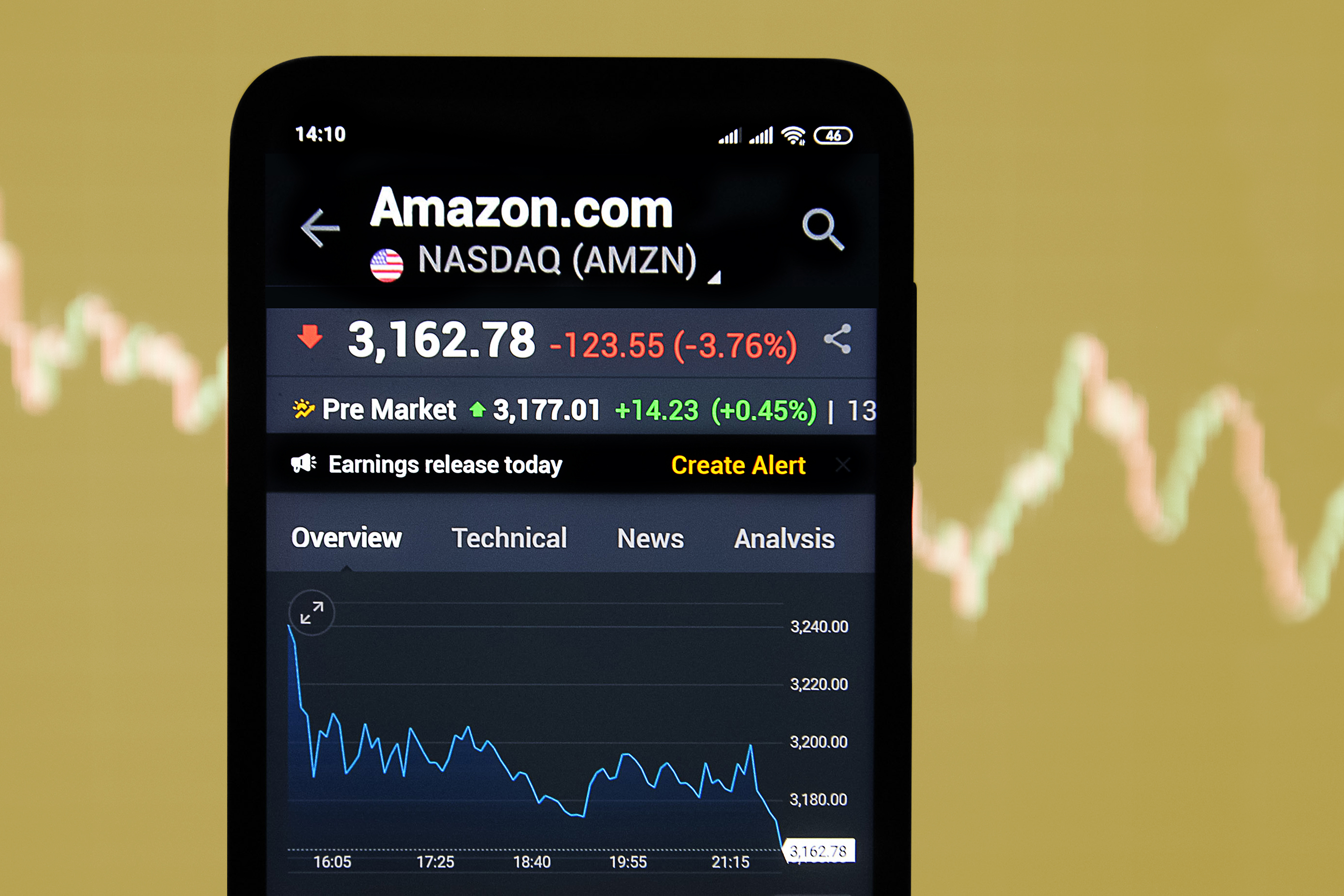
Amazon stock, like many growth stocks, can be volatile. Its price can fluctuate significantly based on company news, earnings reports, industry trends, economic indicators, and broader market sentiment. While Amazon has demonstrated strong long-term growth, there’s no guarantee past performance will predict future results. A market downturn could impact Amazon’s stock price, even if the company’s fundamentals remain strong. Be prepared for potential short-term dips and understand that investing in individual stocks always carries more risk than diversified portfolios.
Diversification is Key
One of the golden rules of investing is not to put all your eggs in one basket. While Amazon might be an attractive investment, it should ideally be part of a diversified portfolio. Diversification involves spreading your investments across various asset classes (stocks, bonds, real estate), industries, and geographies to mitigate risk. If Amazon’s stock underperforms, other investments in your portfolio might compensate, balancing out your overall returns. Consider your overall asset allocation strategy and how Amazon fits into it.
Long-Term vs. Short-Term Investing
Amazon is generally considered a growth stock, often favored by long-term investors who believe in its sustained innovation and market dominance over many years. Short-term trading strategies involving Amazon are possible but are often highly speculative and require significant expertise, market timing, and risk management. For most retail investors, a long-term horizon (5+ years) is more aligned with the investment thesis for a company like Amazon, allowing time for compounding returns and riding out market fluctuations.
Tax Implications
Understand the tax implications of your investments. When you sell stock for a profit, you’ll typically owe capital gains taxes.
- Short-term capital gains: Apply to investments held for one year or less and are usually taxed at your ordinary income tax rate.
- Long-term capital gains: Apply to investments held for more than one year and are often taxed at preferential rates.
If Amazon ever starts paying dividends (which it currently does not), those would also be taxable income. Consult with a tax professional to understand how stock investments impact your specific tax situation.
Stay Informed
The investment landscape is dynamic. Continuously educate yourself about Amazon’s business, its competitors, industry trends, and macroeconomic factors that could influence its performance. Follow financial news, read company reports, and reassess your investment thesis periodically. This ongoing engagement ensures your investment decisions remain informed and aligned with your financial goals.
Conclusion
Investing in Amazon stock can be a compelling opportunity to own a piece of a global innovator with a history of remarkable growth. By following the essential steps—opening a brokerage account, funding it, conducting thorough research, and placing your order—you can navigate the process with confidence. Remember to consider the various ways to invest, from individual shares to diversified funds, and always keep in mind the crucial considerations of risk, diversification, and long-term planning. While no investment is without risk, a well-informed and strategic approach can significantly enhance your journey toward building a robust investment portfolio.
aViewFromTheCave is a participant in the Amazon Services LLC Associates Program, an affiliate advertising program designed to provide a means for sites to earn advertising fees by advertising and linking to Amazon.com. Amazon, the Amazon logo, AmazonSupply, and the AmazonSupply logo are trademarks of Amazon.com, Inc. or its affiliates. As an Amazon Associate we earn affiliate commissions from qualifying purchases.