
Embarking on the journey of stock market investing can seem daunting, a complex world filled with jargon, charts, and seemingly unpredictable movements. Yet, for many, it represents one of the most powerful avenues for building long-term wealth and achieving financial independence. Whether you dream of early retirement, a down payment on a home, or simply growing your savings beyond what a traditional bank account offers, understanding how to invest in the stock market is a fundamental skill for modern financial literacy. This guide aims to demystify the process, breaking down the essential steps to help you confidently make your first foray into the world of investing.
Laying the Groundwork: Before You Invest
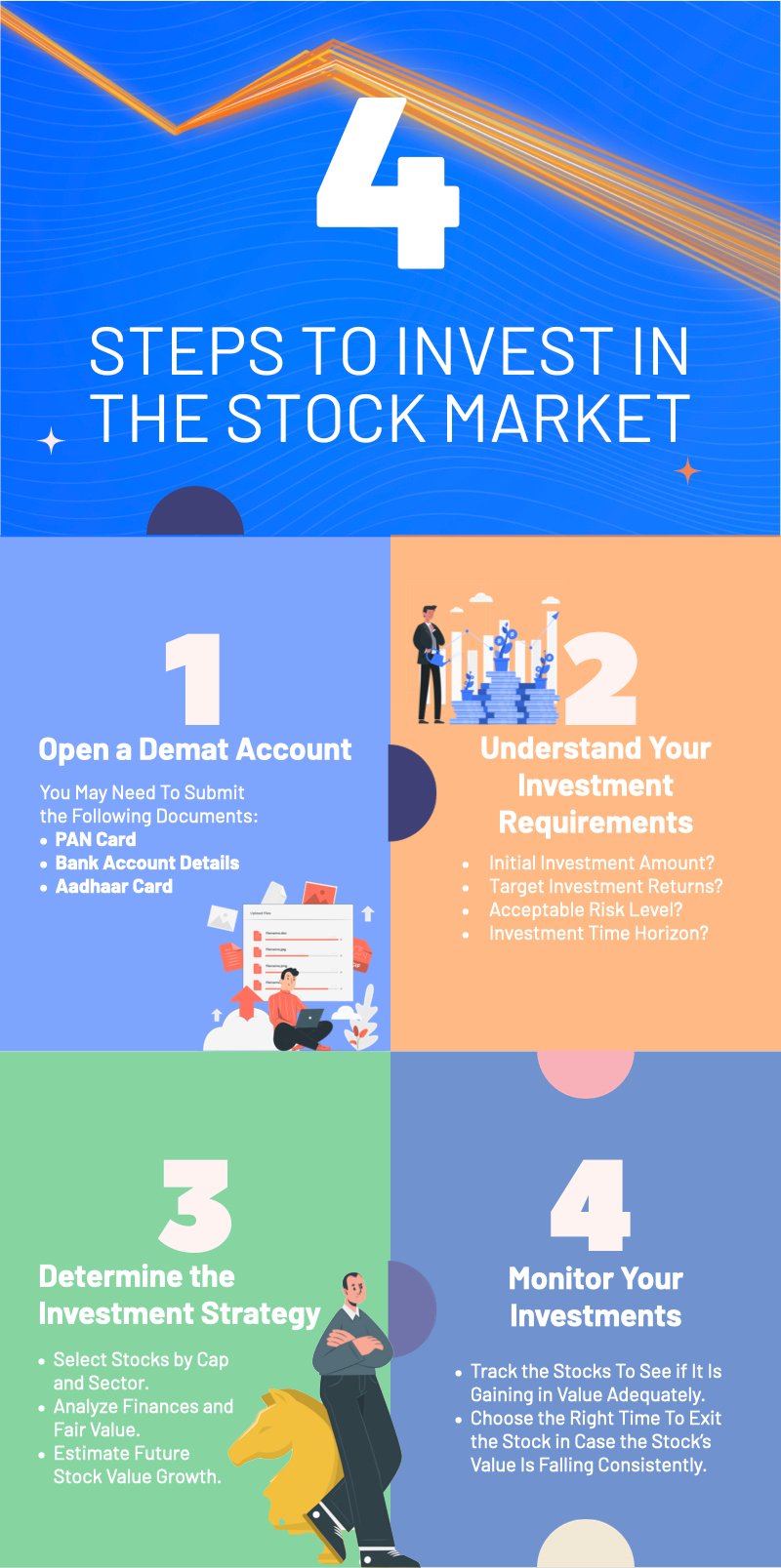
Before you even think about buying your first share, it’s crucial to establish a solid financial foundation. Investing in the stock market involves risk, and you want to ensure your personal finances are robust enough to handle potential fluctuations without jeopardizing your immediate well-being. This preparatory phase is not just about readiness; it’s about setting yourself up for sustainable success.
Define Your Financial Goals and Time Horizon
What are you investing for? The answer to this question profoundly influences your investment strategy. Are you saving for a down payment in five years, retirement in thirty years, or something in between?
- Short-Term Goals (1-5 years): For goals with a shorter time horizon, like a new car or a wedding, the stock market might be too volatile. Capital preservation often takes precedence, suggesting lower-risk options like high-yield savings accounts or short-term bonds.
- Medium-Term Goals (5-15 years): This range offers more flexibility. A diversified portfolio with a moderate allocation to stocks could be appropriate.
- Long-Term Goals (15+ years): This is where the stock market truly shines. With a long time horizon, you have the benefit of time to ride out market downturns and benefit from the power of compounding. Aggressive growth strategies with a higher stock allocation are often suitable.
Clearly defining your goals will help you select appropriate investments and stay disciplined during market ups and downs.
Understand Your Risk Tolerance
Risk tolerance is your psychological comfort level with the potential for investment losses. It’s a critical factor because an investment strategy that keeps you awake at night is unsustainable.
- Conservative Investors prioritize capital preservation and are uncomfortable with significant price swings. They might favor bonds, money market funds, or dividend stocks.
- Moderate Investors seek a balance between growth and risk, willing to accept some fluctuations for better returns. They often diversify across stocks and bonds.
- Aggressive Investors are comfortable with higher levels of volatility in pursuit of maximum long-term growth. They might allocate a larger portion of their portfolio to growth stocks or emerging markets.
It’s important to be honest with yourself about your risk tolerance. Don’t let the fear of missing out (FOMO) push you into investments that will cause undue stress.
Build an Emergency Fund and Pay Down High-Interest Debt
Before directing funds to the stock market, ensure you have a robust financial safety net. An emergency fund, typically 3-6 months’ worth of living expenses, held in an easily accessible savings account, is non-negotiable. This fund prevents you from having to sell investments at a loss during unforeseen circumstances, like job loss or medical emergencies.
Additionally, tackle high-interest debt, such as credit card balances or personal loans. The guaranteed return from paying off debt with 15-25% interest often far surpasses the average historical returns of the stock market. Eliminating these liabilities frees up cash flow and significantly reduces financial stress, allowing you to invest with greater peace of mind.
Educate Yourself on Investment Basics
You don’t need a finance degree to start investing, but a basic understanding of key concepts is invaluable. Familiarize yourself with:
- Compound Interest: The magic of earning returns on your returns.
- Diversification: Spreading investments across different assets to reduce risk.
- Inflation: The erosion of purchasing power over time.
- Asset Classes: Stocks, bonds, real estate, commodities, etc.
- Market Volatility: The natural ups and downs of the market.
Books, reputable financial websites, podcasts, and online courses are excellent resources. The more you learn, the more confident and informed your decisions will be.
Choosing the Right Investment Vehicles
Once your financial foundation is solid, it’s time to explore the various investment vehicles available in the stock market. Each comes with its own risk-reward profile, suitability for different goals, and level of management required.
Stocks: Direct Ownership in Companies
When you buy a stock, you’re purchasing a small piece of ownership in a public company. Stocks offer the potential for significant capital appreciation (the stock price going up) and sometimes provide income through dividends.
- Growth Stocks: Companies expected to grow faster than the overall market. Often reinvest profits back into the business, so may not pay dividends.
- Value Stocks: Companies that appear to be undervalued by the market, trading below their intrinsic worth. Often mature companies that may pay dividends.
- Dividend Stocks: Companies that regularly distribute a portion of their earnings to shareholders. Can provide a steady income stream.
While individual stocks offer high growth potential, they also carry higher risk due to concentration. A single company’s poor performance can significantly impact your portfolio.
Bonds: Lending Money to Entities
Bonds are essentially loans made to corporations or governments. In return, the issuer promises to pay you interest periodically (coupon payments) and return your principal at maturity.
- Corporate Bonds: Issued by companies to raise capital. Riskier than government bonds but offer higher yields.
- Government Bonds: Issued by national governments (e.g., U.S. Treasury bonds). Generally considered very low risk, especially for stable economies, but offer lower yields.
Bonds are generally less volatile than stocks and are often used to diversify a portfolio, providing stability and income, particularly during stock market downturns.
Mutual Funds and ETFs: Diversification Made Easy
For most beginners, mutual funds and Exchange Traded Funds (ETFs) are excellent starting points. These are professionally managed collections of stocks, bonds, or other securities, offering instant diversification even with a small investment.
- Mutual Funds: You buy shares in a fund that holds a diversified portfolio. Traded once a day after market close based on their Net Asset Value (NAV). Can be actively managed (higher fees) or passively managed (index funds, lower fees).
- ETFs: Similar to mutual funds but trade like individual stocks on an exchange throughout the day. Often passively managed, tracking an index like the S&P 500, leading to lower expense ratios.
Both allow you to own a piece of many companies or bonds, significantly reducing the risk associated with individual stock picking. Index funds and ETFs tracking broad market indices are often recommended for beginners due to their low costs and consistent performance over the long term.
Robo-Advisors vs. Traditional Brokerages
When it comes to managing your investments, you have a couple of primary options:
- Robo-Advisors: Automated, algorithm-driven financial planning services. They build and manage diversified portfolios based on your goals and risk tolerance, often using low-cost ETFs. Ideal for beginners due to low minimums, low fees, and hands-off management. Examples include Betterment and Wealthfront.
- Traditional Brokerages: Platforms that allow you to buy and sell investments yourself. Offer a wide range of investment options, research tools, and educational resources. Some offer access to human financial advisors. Suitable for those who want more control and are comfortable making their own investment decisions. Examples include Fidelity, Charles Schwab, and Vanguard.
Opening an Investment Account
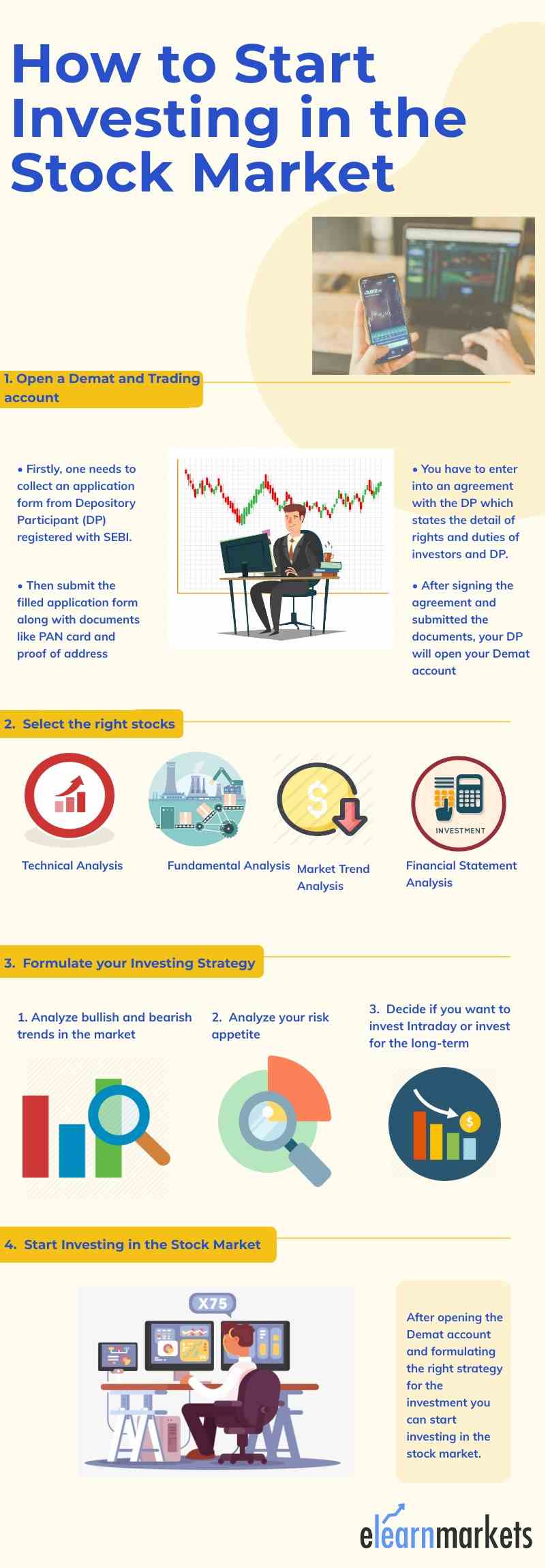
Once you’ve decided on your approach, the next practical step is opening an account where you’ll hold your investments. This is your gateway to the stock market.
Brokerage Accounts: The Gateway to Investing
A brokerage account is a standard investment account that allows you to buy and sell various securities like stocks, bonds, mutual funds, and ETFs.
- Taxable Accounts: These are flexible as there are no contribution limits and funds can be withdrawn at any time. However, investment gains (capital gains and dividends) are subject to taxes in the year they are realized.
Choosing a reputable brokerage is key. Look for platforms with low or zero commission fees, a user-friendly interface, robust research tools, strong customer service, and a wide selection of investment options that align with your strategy.
Retirement Accounts: Tax-Advantaged Growth
For long-term investing, especially for retirement, tax-advantaged accounts offer significant benefits that can accelerate your wealth growth.
- 401(k) / 403(b): Employer-sponsored retirement plans. Contributions are often pre-tax, reducing your taxable income in the present. Many employers offer matching contributions, which is essentially free money – always contribute enough to get the full match!
- Individual Retirement Accounts (IRAs):
- Traditional IRA: Contributions may be tax-deductible, and earnings grow tax-deferred until retirement when withdrawals are taxed.
- Roth IRA: Contributions are made with after-tax money, but qualified withdrawals in retirement are entirely tax-free. Ideal for those who expect to be in a higher tax bracket in retirement.
These accounts have annual contribution limits and rules regarding withdrawals, but their tax benefits can be incredibly powerful over decades of investing.
What to Look for in a Brokerage
When selecting a platform, consider:
- Fees: Look for zero-commission stock and ETF trades. Be aware of expense ratios for mutual funds and ETFs, and any account maintenance or inactivity fees.
- Minimums: Some accounts require a minimum deposit to open, while others allow you to start with any amount.
- Investment Offerings: Ensure the brokerage offers the types of investments you want to buy (e.g., specific ETFs, individual stocks, fractional shares).
- User Experience: The platform should be intuitive and easy to navigate, especially for beginners.
- Customer Support: Accessible and helpful customer service is crucial when you have questions or encounter issues.
- Educational Resources: Many brokerages offer tutorials, articles, and webinars to help you learn more about investing.
Making Your First Investments
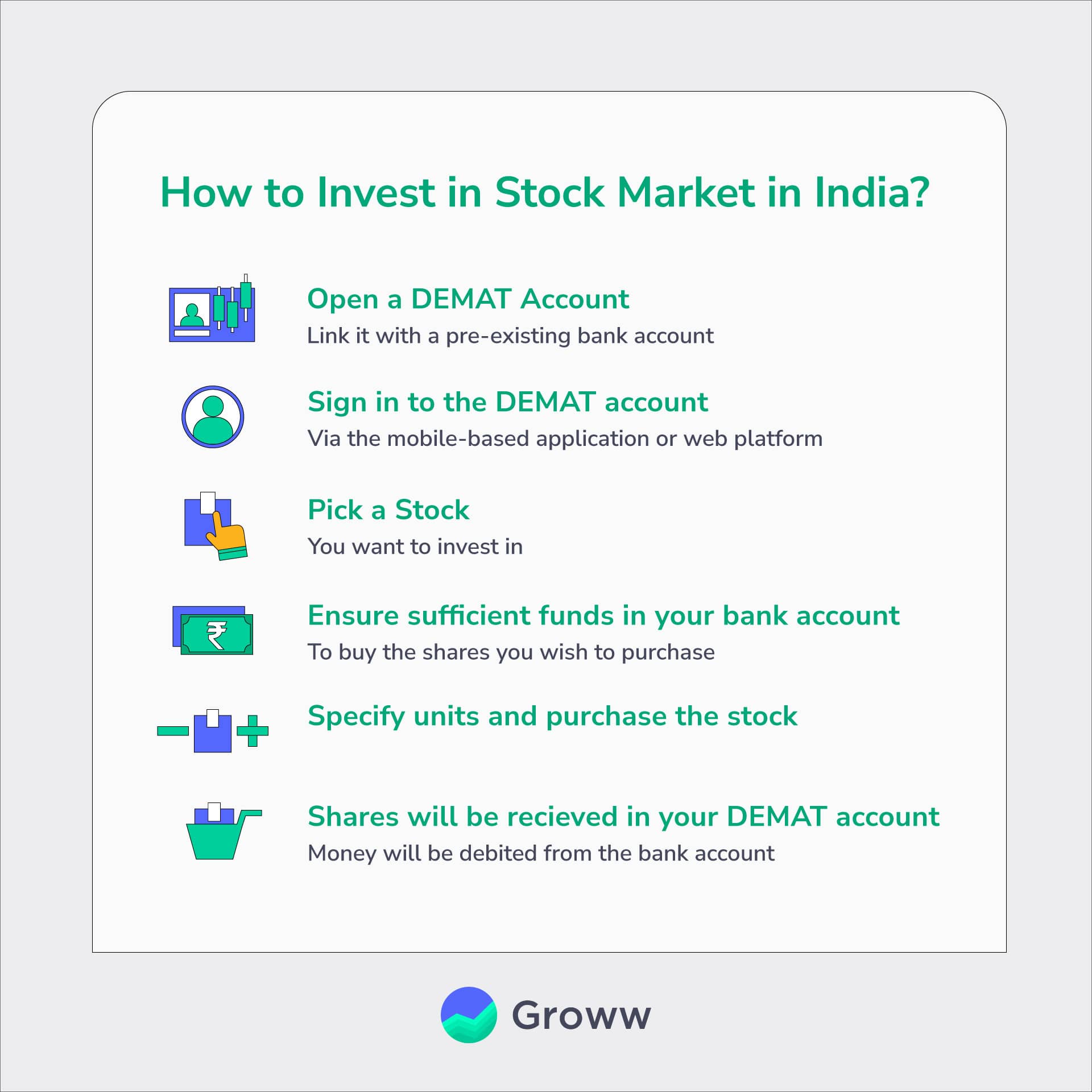
With your account set up, it’s time for the exciting part: making your first investment. Remember the principles you’ve learned and resist the urge to chase quick riches.
Start Small and Invest Consistently
You don’t need a large sum to start. Many brokerages now offer fractional shares, allowing you to invest small amounts (e.g., $50 or $100) into expensive stocks or ETFs. The most important thing is to start and to keep investing regularly. Set up automatic transfers from your bank account to your investment account, and commit to investing a fixed amount each pay period or month. This consistent approach builds good habits and leverages the power of dollar-cost averaging.
Diversify Your Portfolio
Diversification is the cornerstone of risk management. Don’t put all your eggs in one basket.
- Asset Diversification: Invest across different asset classes (stocks, bonds, real estate).
- Sector Diversification: Within stocks, invest in companies from various industries (tech, healthcare, consumer goods, financials, etc.).
- Geographic Diversification: Consider international stocks to reduce reliance on a single economy.
- Company Size Diversification: Mix large-cap, mid-cap, and small-cap companies.
ETFs and mutual funds are excellent tools for achieving broad diversification with minimal effort.
Embrace Dollar-Cost Averaging
Dollar-cost averaging (DCA) is an investment strategy where you invest a fixed amount of money at regular intervals, regardless of the asset’s price.
- When prices are high, your fixed amount buys fewer shares.
- When prices are low, your fixed amount buys more shares.
Over time, this strategy helps to average out your purchase price, reducing the risk of investing a large sum at an unfortunate market peak. It removes emotion from investing and encourages discipline.
Avoid Market Timing
Trying to predict the market’s short-term movements (“buy low, sell high”) is notoriously difficult, even for seasoned professionals. Consistently successful market timing is largely a myth. Instead, focus on “time in the market” rather than “timing the market.” Long-term investors benefit most from staying invested through various market cycles, allowing their investments to grow over decades.
Ongoing Management and Long-Term Strategies
Investing is not a one-time event; it’s an ongoing process. Once your initial investments are made, your focus shifts to monitoring, adjusting, and maintaining a disciplined approach to achieve your long-term goals.
Monitor and Rebalance Your Portfolio
Periodically review your portfolio (e.g., annually or semi-annually) to ensure it still aligns with your financial goals and risk tolerance. Over time, different asset classes may perform better or worse, causing your portfolio’s original allocation to drift.
- Rebalancing involves selling assets that have grown to become a larger percentage of your portfolio than desired and using those funds to buy assets that have shrunk, bringing your portfolio back to its target allocation. This helps manage risk and maintain your intended investment strategy.
Stay Informed, But Don’t Overreact
It’s wise to stay generally informed about economic trends and significant market news, but avoid making impulsive decisions based on daily headlines or social media chatter. The stock market is prone to emotional swings, and reacting to every piece of news often leads to poor investment outcomes. Stick to your long-term plan, remember why you invested in the first place, and trust the power of compounding.
The Power of Compounding
Albert Einstein reportedly called compound interest the eighth wonder of the world. It’s the process of earning returns on your initial investment and on the accumulated returns from previous periods. The longer your money stays invested, the more powerful compounding becomes. Small, consistent investments made early in life can grow into substantial sums over decades, thanks to this exponential growth.
Seek Professional Advice When Needed
While this guide provides a solid starting point, complex financial situations or a lack of confidence might warrant professional assistance. A qualified financial advisor can help you:
- Develop a personalized financial plan.
- Choose suitable investments.
- Optimize tax strategies.
- Plan for retirement or other major life events.
Ensure any advisor you consider is a fiduciary, meaning they are legally obligated to act in your best interest.
Getting started with stock market investing is a journey of learning and discipline. By laying a strong foundation, choosing appropriate investment vehicles, opening the right accounts, and adhering to sound long-term strategies, you can harness the power of the market to build significant wealth and secure your financial future. Remember, the best time to start investing was yesterday; the next best time is today.
aViewFromTheCave is a participant in the Amazon Services LLC Associates Program, an affiliate advertising program designed to provide a means for sites to earn advertising fees by advertising and linking to Amazon.com. Amazon, the Amazon logo, AmazonSupply, and the AmazonSupply logo are trademarks of Amazon.com, Inc. or its affiliates. As an Amazon Associate we earn affiliate commissions from qualifying purchases.