
In an era of fluctuating inflation and rising living costs, managing a household budget has become an increasingly complex mathematical challenge. For many, the cost of essentials—specifically groceries—has outpaced wage growth, leading to a phenomenon known as food insecurity. Accessing a food bank is not merely a social service interaction; it is a strategic financial move designed to preserve liquidity and protect a family’s long-term fiscal health. Understanding how to navigate this system is a vital component of modern personal finance management for those facing temporary or chronic budget shortfalls.
Understanding the Economic Role of Food Banks in Your Financial Strategy
A food bank serves as a critical buffer in a comprehensive financial plan. When the cost of housing, utilities, and debt obligations consumes a disproportionate share of monthly income, food is often the first “variable” expense to be cut. However, nutritional deficits can lead to long-term health costs, decreased productivity, and further financial instability. By utilizing a food bank, individuals can reallocate limited cash flow toward fixed obligations, preventing defaults on high-interest debt or essential utility payments.
The Math of Grocery Savings
The average household spends a significant percentage of its after-tax income on food. By supplementing even 25% to 50% of a monthly grocery list through a food bank, a household can effectively “earn” an extra $200 to $400 per month. In the context of personal finance, this is equivalent to a tax-free side hustle or a significant raise. This recovered capital can then be used to pay down credit card balances or bolster an emergency savings account that has been depleted.
Identifying the Need for Intervention
Many people wait until they are in a state of total financial collapse before seeking assistance. From a financial management perspective, it is more effective to use food banks as a proactive tool. If your “debt-to-income” ratio is climbing or if you find yourself using credit cards to pay for basic caloric needs, it is time to integrate food assistance into your budget. Recognizing the difference between a “want” and a “need” is fundamental, but recognizing when your income cannot cover “needs” is a hallmark of sophisticated financial awareness.
The Logistics of Accessing Food Assistance: A Step-by-Step Approach
Navigating the charitable food system requires a systematic approach similar to applying for a loan or a government grant. While the barriers to entry are lower than those for traditional financial products, there are still specific protocols to follow to ensure you receive the maximum benefit.
Locating the Right Resource
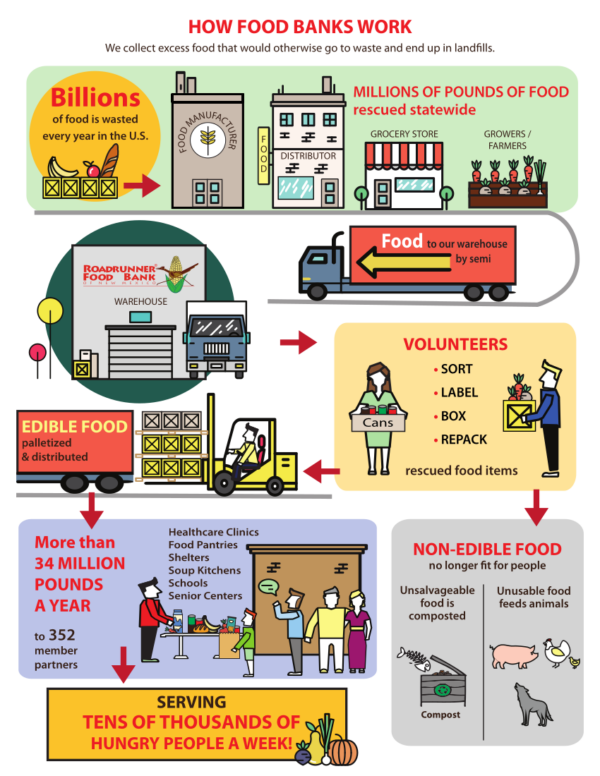
The first step is identifying the distribution points in your area. It is important to distinguish between “food banks” and “food pantries.” A food bank is typically a large-scale regional warehouse that supplies smaller agencies. A food pantry is the front-facing organization where individuals actually receive food. To find these, you can use national databases, local 211 services, or regional non-profit maps. From a logistics standpoint, choosing a pantry that is geographically convenient is essential to minimize the transportation costs—such as fuel or public transit fares—that could negate the financial benefits of the free food.
Documentation and Eligibility Requirements
While every organization has its own bylaws, most require some level of proof regarding residency and financial need. To prepare, you should treat the visit like a financial audit. Common requirements include:
-
Proof of Identity: A driver’s license, state ID, or passport.
-
Proof of Residency: A recent utility bill or lease agreement that confirms you live within the service area of that specific pantry.
-
Income Verification: While many pantries operate on “self-declaration” (where you sign a form stating your income is below a certain threshold), some may ask for pay stubs or a tax return.
-
Household Composition: Information on the number of people in your home, which dictates the volume of food you are eligible to receive.
The Intake Process
Upon arrival, you will typically undergo a brief intake interview. This is not just about vetting your need; it is an opportunity for the organization to identify other financial stressors you might be facing. Many food banks now offer “wrap-around services,” including help with utility bills, tax preparation, or enrollment in government programs like SNAP (Supplemental Nutrition Assistance Program). Engaging fully with this process can unlock additional financial resources you may not have known were available.
Maximizing the Financial Impact of Supplemental Food
Getting the food is only half of the equation; the other half is integrating that resource into your broader financial recovery plan. To make the most of the assistance, you must treat the food received as a high-value asset.
Reallocating Recovered Cash Flow
Once you have secured a reliable source of supplemental food, you must be disciplined about where the saved money goes. If you save $100 on groceries this week, that $100 should be immediately directed toward your most pressing financial vulnerability. This might mean making an extra payment on a high-interest credit card, which effectively yields a “return on investment” equal to the card’s interest rate. Alternatively, it can be used to prevent a late fee on a rent payment, which is often a significant percentage of the total bill.
Strategic Meal Planning and Waste Reduction
From a business efficiency standpoint, waste is lost capital. Food bank offerings can be unpredictable—often consisting of a mix of shelf-stable goods, fresh produce, and proteins. Maximizing this resource requires creative meal planning. Using “first-in, first-out” inventory management in your pantry ensures that nothing spoils. By building your weekly menu around the food bank’s donations first and only buying the missing ingredients at the store, you optimize your personal food supply chain.
Long-Term Budgeting with Variable Resources
Because food bank inventories fluctuate, you cannot rely on them for 100% of your nutritional needs indefinitely. A sound financial strategy involves using these resources to bridge a specific gap—such as a period of unemployment or a medical emergency. You should continue to track your “market-value” food costs so that when your financial situation improves, your budget can absorb the full cost of groceries without triggering a new crisis.
Leveraging Digital Tools and Government Systems
In the modern financial landscape, technology plays a massive role in connecting individuals with resources. There are several digital tools designed to streamline the process of obtaining food assistance and managing the associated logistics.
Tech-Enabled Resource Location
Apps like “FindHelp” or the Feeding America website allow users to filter resources by zip code, hours of operation, and types of food offered (e.g., gluten-free, halal, or fresh produce). Using these tools saves time and reduces the “search cost” associated with finding help. For those managing a tight schedule—perhaps working multiple side hustles—efficiency in locating resources is a form of time-management that has a direct impact on earning potential.
Intersection with SNAP and EBT
Food banks are often the first line of defense, but government programs like SNAP provide a more consistent form of “currency” for food. Most food banks have staff dedicated to helping visitors apply for SNAP. From a personal finance perspective, SNAP is a monthly debit-based benefit that provides significant purchasing power. Navigating the application can be bureaucratic, but the “return” on the time spent applying is high. It is a vital tool for long-term financial stabilization.
Data Privacy and Security
When using digital tools to find assistance, it is important to be mindful of digital security. Only use reputable platforms and be cautious about sharing sensitive financial data over unencrypted channels. Legitimate food banks and government agencies will have clear privacy policies and will not ask for sensitive information like your social security number over a standard text message or unsecured email.
Navigating the Stigma: Food Security as a Strategic Move
Perhaps the greatest barrier to accessing food banks is the psychological stigma associated with “charity.” However, in a professional financial context, this stigma is counterproductive.
Reframing Charity as a Resource
High-net-worth individuals and corporations frequently utilize tax breaks, subsidies, and government incentives to protect their capital. Utilizing a food bank is conceptually similar: it is an available resource designed to prevent a total financial breakdown. By removing the emotional weight from the decision and viewing it through the lens of asset protection and expense management, you can make a clearer, more effective decision for your household’s future.

Economic Resilience and the Community
Participating in the food bank ecosystem also contributes to a more resilient local economy. When individuals can stay in their homes and avoid predatory lending because they were able to offset their food costs, the entire community benefits. Many people who use food banks eventually return as donors or volunteers when their financial situation stabilizes. This “circular economy” of support ensures that the safety net remains intact for everyone.
Accessing food from a food bank is a pragmatic, tactical response to financial pressure. By understanding the logistics, preparing the necessary documentation, and strategically reallocating the saved funds, you can transform a moment of crisis into a turning point for your personal finances. In the complex world of money management, utilizing every available tool is not just a sign of need—it is a sign of financial intelligence.
aViewFromTheCave is a participant in the Amazon Services LLC Associates Program, an affiliate advertising program designed to provide a means for sites to earn advertising fees by advertising and linking to Amazon.com. Amazon, the Amazon logo, AmazonSupply, and the AmazonSupply logo are trademarks of Amazon.com, Inc. or its affiliates. As an Amazon Associate we earn affiliate commissions from qualifying purchases.