
In the modern financial landscape, your checking account number serves as the primary identifier for nearly every automated transaction in your life. Whether you are setting up a direct deposit for a new job, authorizing an electronic bill payment for utilities, or linking your accounts to a peer-to-peer payment app, this unique string of digits is the “DNA” of your financial identity. Despite its importance, many consumers find themselves searching for this number at the last minute, often confusing it with other figures like the routing number or the 16-digit number printed on their debit card.

Understanding how to locate and protect your checking account number is a foundational skill in personal finance. This guide explores the multiple methods available for retrieving this information, the technical distinctions between various banking numbers, and the security protocols necessary to keep your assets safe.
Method 1: Deciphering the Standard Paper Check
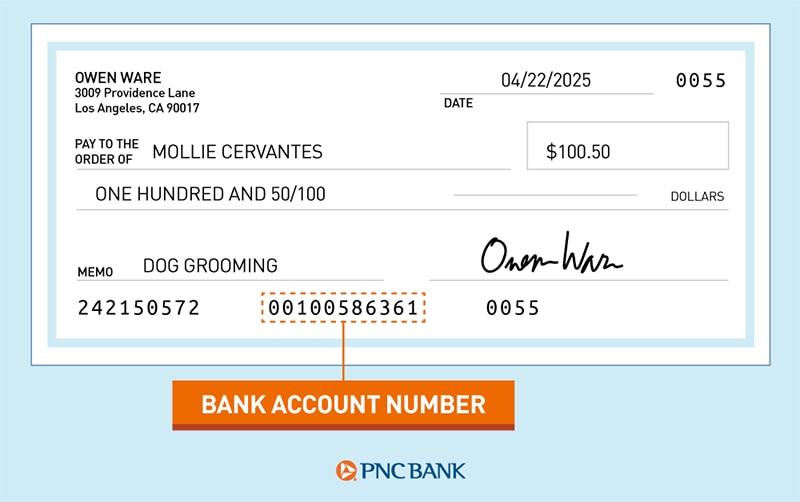
While the world is increasingly moving toward digital-first banking, the physical paper check remains the most reliable blueprint for understanding your account details. Every check issued by a financial institution contains a standardized set of numbers at the bottom, printed in a special font known as MICR (Magnetic Ink Character Recognition). This ink and font allow bank sorting machines to process transactions with high speed and accuracy.
The MICR Line Explained
When you look at a check, you will notice three distinct blocks of numbers at the very bottom. For most U.S.-based banks, the sequence follows a specific order: the routing number, the account number, and the check number.
The first set of nine digits on the left is your ABA (American Bankers Association) routing transit number. This identifies your specific financial institution within the Federal Reserve system. The second set of numbers—usually located in the middle or toward the right—is your checking account number. This sequence is unique to your specific account within that bank. It can range anywhere from 8 to 12 digits, though some institutions use longer formats.
Differentiating the Check Number
It is a common mistake to confuse the account number with the check number. On a standard check, the check number is typically the shortest string of digits and appears both in the top-right corner of the check and at the far right of the MICR line. If you are providing your information for a direct deposit form, ensure you are excluding this check number, as including it will cause the transaction to fail.
Using Deposit Slips
If you have a checkbook, you likely also have deposit slips bound at the back. These slips also contain your routing and account numbers in the MICR line at the bottom. However, be cautious: some banks use a slightly different routing number for electronic transfers than the one printed on deposit slips. When in doubt, the number on the check itself is the more reliable source for outgoing payments and deposits.
Method 2: Leveraging Digital Banking and Mobile Applications
In an era of neobanks and paperless statements, physical checks are becoming a rarity for many consumers. Fortunately, digital banking platforms have made accessing your account details more convenient, provided you can navigate their security layers.
Navigating Mobile Banking Apps
Most major financial institutions have optimized their mobile apps to provide quick access to account details. After logging in via biometric authentication (like FaceID or a fingerprint) or a secure passcode, you typically tap on your “Checking Account” balance to view details.
For security reasons, most apps do not display your full account number on the main dashboard. Instead, they show only the last four digits. To see the full number, you usually need to look for a “Details,” “Settings,” or “Account Info” link. Some apps require an additional layer of authentication—such as re-entering your password—before they will reveal the full sensitive number.
Online Banking Portals
If you are accessing your bank via a desktop browser, the process is similar. Once logged into the secure portal, navigate to the specific account you are inquiring about. Look for a tab labeled “Account Services” or “Account Management.” Many banks include a “Show” button next to a masked account number (e.g., 1234) that, when clicked, reveals the full string.
The Rise of Digital Wallets
If you have already linked your checking account to a digital wallet or a reputable financial management tool (like an investment app or a budgeting platform), you might be able to find the number there. However, most third-party apps also mask this information for your protection. It is always best to go directly to the source—your bank’s official app or website—to ensure accuracy.
Method 3: Utilizing Official Bank Documents and Statements
If you do not have a checkbook and cannot access your online account, official documentation is your next best resource. These documents serve as legal proof of your account ownership and are often required when verifying information for large transactions like mortgage applications.
Monthly Account Statements
Whether you receive your statements in the mail or as a PDF via email, your checking account number will be clearly listed near the top of the document. Usually, it is located in the header alongside your name, address, and the statement period. If you are downloading a digital statement, ensure you are looking at a “Full Statement” and not just a “Recent Activity” summary, as the latter may hide sensitive details.
Direct Deposit Authorization Forms
Many banks provide a pre-filled direct deposit form within their online banking portal. This is a highly effective way to find your account number because the document is designed specifically to be handed to an employer or a government agency. These forms explicitly label the routing number and the account number, eliminating any guesswork.
Tax Documents and Year-End Summaries
During tax season, your bank issues documents such as the 1099-INT (if you earned interest on your checking account). These official IRS forms include your account number as a reference. While these are reliable, they are only generated once a year, so they may not reflect the most current state of your account if you have recently changed account types.
Protecting Your Account Information in the Digital Age
Knowing how to find your checking account number is only half the battle; knowing how to protect it is essential for your financial health. Unlike a credit card, which has robust consumer protection laws for fraudulent charges, a compromised checking account can lead to more immediate and stressful liquid assets being drained.
Account Numbers vs. Debit Card Numbers
A frequent point of confusion for consumers is the difference between a checking account number and a debit card number. Your debit card is a tool used to access your account, but the 16-digit number on the card is not your account number. If you lose your debit card and the bank issues a new one, your card number changes, but your checking account number remains the same. Never use your debit card number when a form asks for an “Account Number.”
Best Practices for Sharing Information
You should treat your checking account number with the same level of confidentiality as your Social Security number. Only share it with trusted entities.
-
Avoid Email: Never send your full account number or a photo of a check through unencrypted email. Scammers frequently monitor email traffic for such sensitive data.
-
Verify the Source: Before entering your account details on a website, ensure the URL begins with “https://” and displays a padlock icon.
-
Secure Storage: If you keep a digital copy of a voided check or a bank statement on your computer, ensure the file is password-protected or stored in an encrypted vault.

What to Do if Your Number is Compromised
If you suspect that an unauthorized individual has gained access to your checking account number, time is of the essence. You should contact your bank’s fraud department immediately. In many cases, the bank will recommend closing the current account and opening a new one with a different account number. They will then help you transition your legitimate direct deposits and automatic payments to the new account.
Managing your checking account number effectively is a hallmark of financial literacy. By knowing where to find this information—whether through a physical check, a mobile app, or an official statement—and understanding the security protocols surrounding it, you position yourself to navigate the modern financial world with confidence and precision. Regardless of the method you choose, always double-check the digits; a single misplaced number can be the difference between a seamless transaction and a significant financial headache.
aViewFromTheCave is a participant in the Amazon Services LLC Associates Program, an affiliate advertising program designed to provide a means for sites to earn advertising fees by advertising and linking to Amazon.com. Amazon, the Amazon logo, AmazonSupply, and the AmazonSupply logo are trademarks of Amazon.com, Inc. or its affiliates. As an Amazon Associate we earn affiliate commissions from qualifying purchases.