
Navigating the landscape of modern personal finance requires a blend of digital literacy and an understanding of traditional banking structures. JPMorgan Chase, as one of the “Big Four” banks in the United States, provides a sophisticated infrastructure for its customers to manage their wealth. However, even with the most intuitive interfaces, finding specific sensitive data—like your full account number—can sometimes feel like a security-conscious scavenger hunt. Whether you are setting up a direct deposit for a new career opportunity, establishing an automated mortgage payment, or linking your accounts to a high-yield savings vehicle, knowing exactly where to find your account details is a fundamental skill in financial management.
Why Your Chase Account Number Matters in Modern Banking
In the ecosystem of personal finance, your account number serves as the unique identifier for your specific “vault” within the larger institution. While your debit card number is a public-facing tool used for point-of-sale transactions, your account number is part of the “plumbing” of the financial system. It is used primarily for Automated Clearing House (ACH) transfers, wire transfers, and internal banking movements.
The Critical Distinction Between Account and Routing Numbers
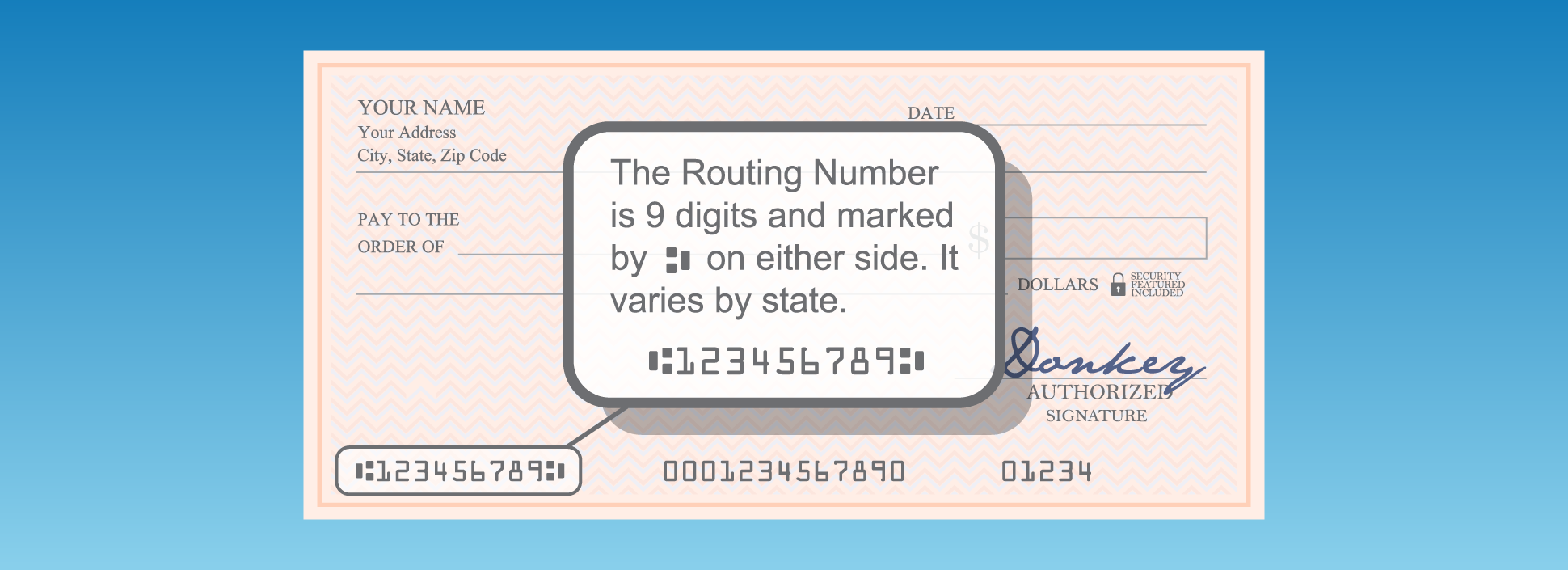
A common point of confusion for many retail banking customers is the difference between an account number and a routing number. Think of the routing number as the zip code for the bank itself. Every Chase customer in a specific region typically shares the same routing number, which directs funds to the correct financial institution. Your account number, conversely, is your specific “street address” within that bank.
For Chase customers, the routing number is a nine-digit code that varies depending on the state where the account was opened. The account number is generally between 9 and 12 digits. When setting up financial integrations, providing the wrong number can lead to “Return to Sender” scenarios, which may incur fees or delay critical payments like payroll.
When You Will Need Your Account Number
The necessity for your account number usually arises during major financial transitions or when optimizing your cash flow. You will frequently need this information for:
-
Direct Deposit Enrollment: Ensuring your salary or government benefits are deposited directly into your checking or savings account.
-
Automatic Bill Pay: Connecting utilities, credit card issuers, or insurance providers directly to your liquid assets to avoid late fees.
-
External Transfers: Moving money between Chase and an external brokerage or another banking institution.
-
Tax Documentation: The IRS requires these details for issuing tax refunds or processing owed payments.
Primary Methods to Locate Your Chase Account Number Digitally
In an era defined by fintech innovation, Chase has prioritized digital accessibility. Most customers find that the fastest way to retrieve their sensitive information is through encrypted digital channels. These methods are not only convenient but also include layers of security that protect your data from unauthorized access.
Using the Chase Mobile App
The Chase Mobile app is the most frequently used tool for on-the-go financial management. To find your account number here, security protocols require you to first authenticate your identity via biometrics (FaceID or TouchID) or a secure passcode.
-
Log In: Open the app and authenticate your session.
-
Select the Account: Tap on the specific checking or savings account for which you need the number.
-
Account Details: Look for the “Account Details” section, often found near the top of the screen or under a “See More” menu.
-
Reveal Number: By default, Chase masks the account number for security. You will typically see only the last four digits. Click on the “Show” or “Eye” icon to reveal the full string of numbers.
Accessing the Chase Online Banking Portal
For those working from a desktop or laptop, the Chase website offers a comprehensive view of your financial profile. This is often the preferred method for users who need to copy and paste numbers into digital forms for mortgage applications or investment accounts.
-
Secure Login: Navigate to the official Chase website and log in with your credentials.
-
Dashboard Navigation: From your main dashboard, click on the specific account name.
-
Show Details: Under the account title and current balance, there is usually a link or a dropdown arrow labeled “Account info” or “Show details.”
-
Verification: Once clicked, the site will display the full account number alongside the routing number.
Reviewing Paperless Statements and PDFs
Every month, Chase generates a formal statement of your financial activity. These documents serve as official records and contain all pertinent account information. If you have opted into paperless statements, you can download a PDF version at any time.
Within the “Statements & Documents” tab on the website or app, select the most recent month. The account number is almost always located in the header of the first page, typically in the top-right or top-left corner. This is particularly useful if you need to provide a “voided check” or proof of account ownership for a third-party service, as you can simply print the header of the statement.
Traditional Ways to Retrieve Your Account Information
While digital tools are the standard, traditional banking methods remain reliable backups. These methods are essential for those who may be locked out of their digital accounts or who prefer tangible documentation.
Finding the Number on Your Physical Checks
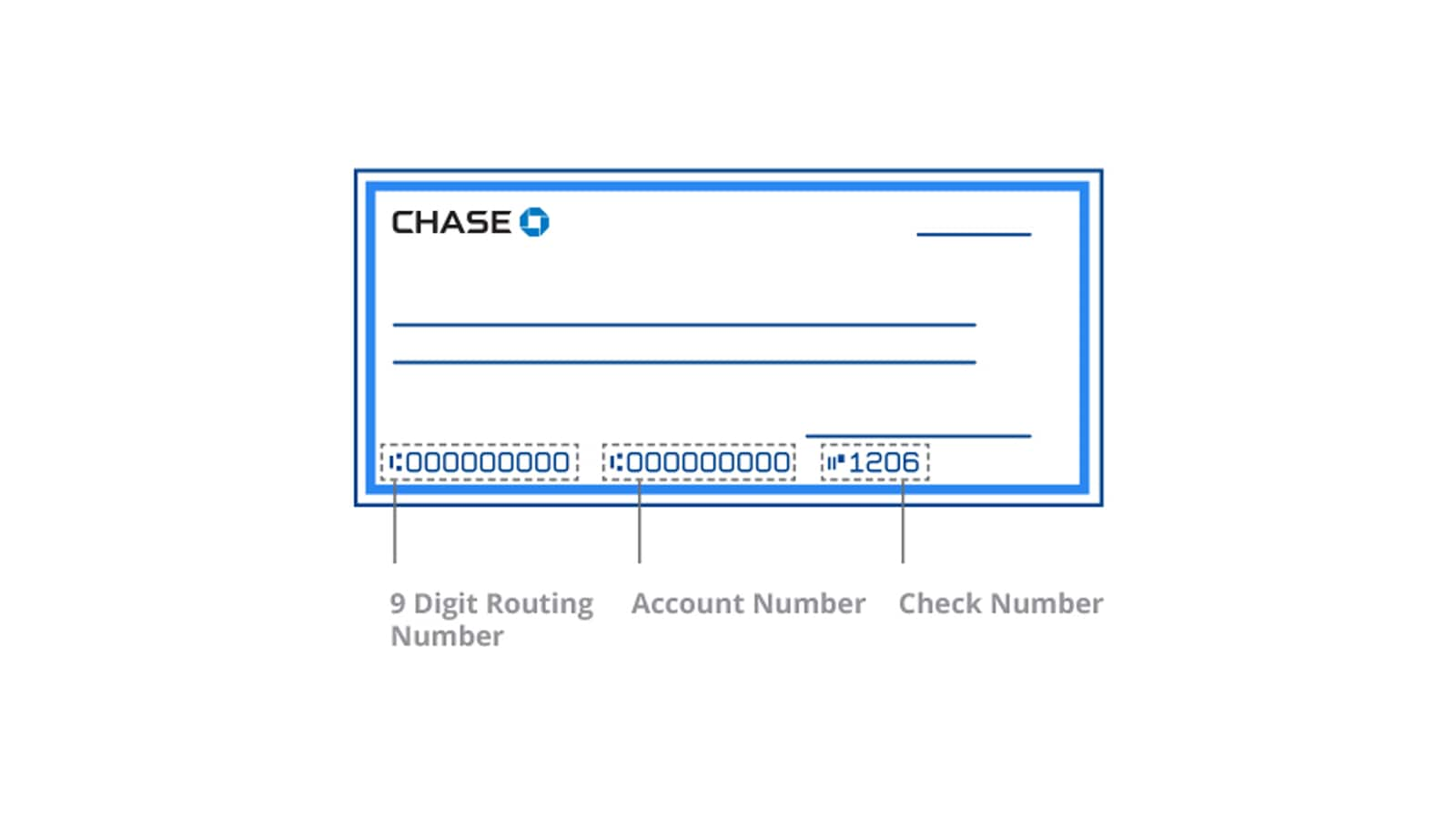
If you maintain a checking account and have a physical checkbook, the information is printed directly on every leaf. At the bottom of a Chase check, you will see three distinct sets of numbers printed in a specialized font known as MICR (Magnetic Ink Character Recognition).
-
The first set is the nine-digit routing number.
-
The second set is your specific account number.
-
The third set is the individual check number.
It is important to note that some newer check designs may place the account number before or after the routing number, but the account number is usually the middle or longest string of digits.
Visiting a Local Chase Branch
For individuals who value face-to-face interaction or who are facing technical difficulties, visiting a physical branch is a secure option. To protect your identity and financial integrity, Chase employees are strictly prohibited from giving out account numbers over the phone.
When you visit a branch, you must bring a valid, government-issued photo ID (such as a driver’s license or passport). A personal banker can then verify your identity and provide you with a printed document containing your full account and routing numbers. This method is the “gold standard” for security, as it ensures the information is handed directly to the verified owner of the assets.
Reviewing Your Welcome Packet
When you first opened your account—whether in person or online—Chase provided a “Welcome Packet” or a series of introductory emails. These documents contain the foundational details of your account. If you have kept your physical filing system organized, your initial signature card or account opening summary will list your full account number.
Essential Security Best Practices for Protecting Your Account Details
Your Chase account number is a gateway to your liquid capital. In the wrong hands, it can be used for unauthorized ACH withdrawals or identity theft. As you learn how to find and use this number, you must also learn how to shield it from the evolving threats in the digital financial space.
Avoiding Phishing Scams and Fake Calls
One of the most common tactics used by bad actors is the “Urgent Verification” scam. You may receive a phone call, text, or email appearing to be from Chase, claiming there is suspicious activity and asking you to “verify” your account number.
Chase will never call you to ask for your full account number. If you receive such a request, hang up and call the number on the back of your Chase debit card. Always initiate contact through known, official channels rather than responding to unsolicited outreach.
Secure Storage of Financial Documents
If you download statements or write down your account number, ensure these items are stored securely. Digital copies should be kept in encrypted folders or password-protected cloud storage with Two-Factor Authentication (2FA) enabled. Physical copies, such as checkbooks or printed statements, should be kept in a locked filing cabinet or a fireproof safe. When disposing of any document containing your account number, use a cross-cut shredder to prevent “dumpster diving” identity theft.
Enabling Multi-Factor Authentication (MFA)
To ensure that you are the only one who can “find” your account number via the app or website, robust MFA is non-negotiable. By requiring a one-time code sent to your mobile device or email in addition to your password, you create a secondary barrier. Even if a hacker obtains your login credentials, they will be unable to access the “Account Details” section where the full number is revealed without that secondary code.
Troubleshooting Common Issues When Accessing Financial Data
Sometimes, despite following the correct steps, you may encounter hurdles in accessing your information. Financial institutions have rigorous safety protocols that can occasionally lead to temporary lockouts.
Handling Locked Accounts and Forgotten Passwords
If you have attempted to log in too many times with incorrect credentials, Chase may lock your digital access to prevent a brute-force attack. In this scenario, you will need to go through the “Forgot Password” or “Account Recovery” flow. This usually involves verifying your Social Security Number and your Chase debit card number. Once access is restored, you can navigate back to the account details section to retrieve your number.
What to Do if You Lose Your Debit Card
Many users rely on their debit card number to log in or verify their identity. If your card is lost or stolen, your first priority should be to “Lock” the card via the mobile app. While a new card will have a different 16-digit card number, your account number remains the same. You do not need to update your direct deposits or automatic bill pays just because you received a new debit card, as those are linked to the underlying account number, which is persistent.

Understanding the Role of Customer Service
If you are traveling or unable to reach a branch, Chase’s customer service line can help with many things, but they are limited by security policies. They can help you reset your online access or mail a physical statement to your address on file, but they will not read your account number over an unencrypted phone line. Understanding these boundaries helps manage expectations and highlights the bank’s commitment to your financial security.
By mastering these digital and traditional tools, you maintain full control over your Chase accounts. This transparency is the cornerstone of effective personal finance, allowing you to move, save, and invest your capital with confidence and precision.
aViewFromTheCave is a participant in the Amazon Services LLC Associates Program, an affiliate advertising program designed to provide a means for sites to earn advertising fees by advertising and linking to Amazon.com. Amazon, the Amazon logo, AmazonSupply, and the AmazonSupply logo are trademarks of Amazon.com, Inc. or its affiliates. As an Amazon Associate we earn affiliate commissions from qualifying purchases.