
Navigating the landscape of higher education often involves a complex web of financial commitments. For many graduates, the transition from the classroom to the professional world is met with the daunting realization that their student debt is scattered across various lenders, platforms, and servicers. Finding your student loans is the critical first step in reclaiming control over your personal finances. Without a clear picture of what you owe, to whom you owe it, and the specific terms of your agreements, creating a sustainable repayment strategy is nearly impossible.
This guide serves as a roadmap for the modern borrower, detailing the precise steps needed to identify every dollar of educational debt. By leveraging federal resources, credit reporting tools, and internal financial records, you can consolidate your data and move toward a debt-free future.
1. Locating Federal Student Loans Through Centralized Government Databases
The vast majority of student debt in the United States is held by the federal government. Fortunately, the Department of Education maintains a centralized system that serves as the single source of truth for federal borrowing.
Accessing the Federal Student Aid (FSA) Dashboard
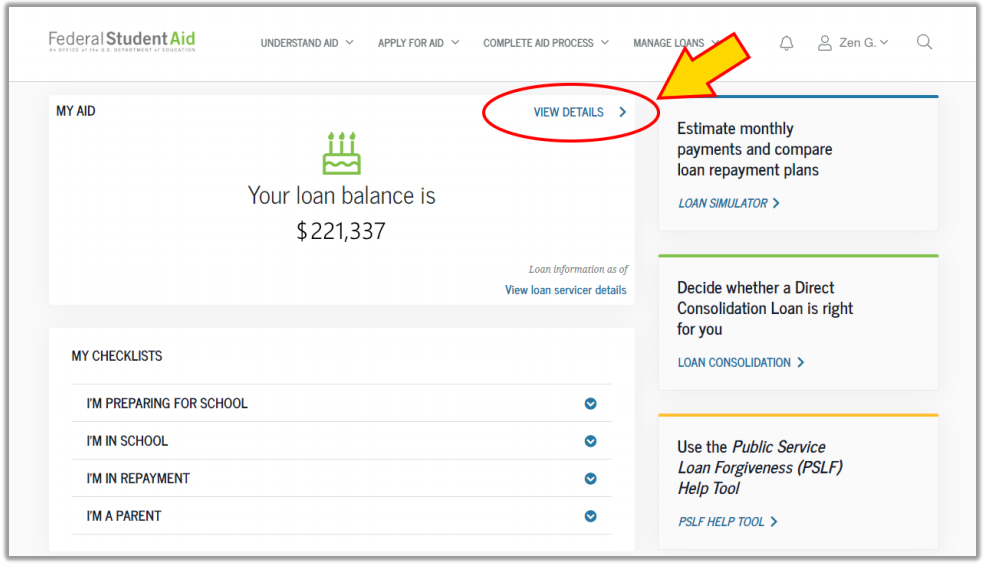
Your first destination should always be StudentAid.gov. This portal acts as the command center for your federal financial aid history. To access your records, you will need your FSA ID—a username and password combination that serves as your legal electronic signature. If you have forgotten your credentials, the site offers robust recovery options via email or SMS.
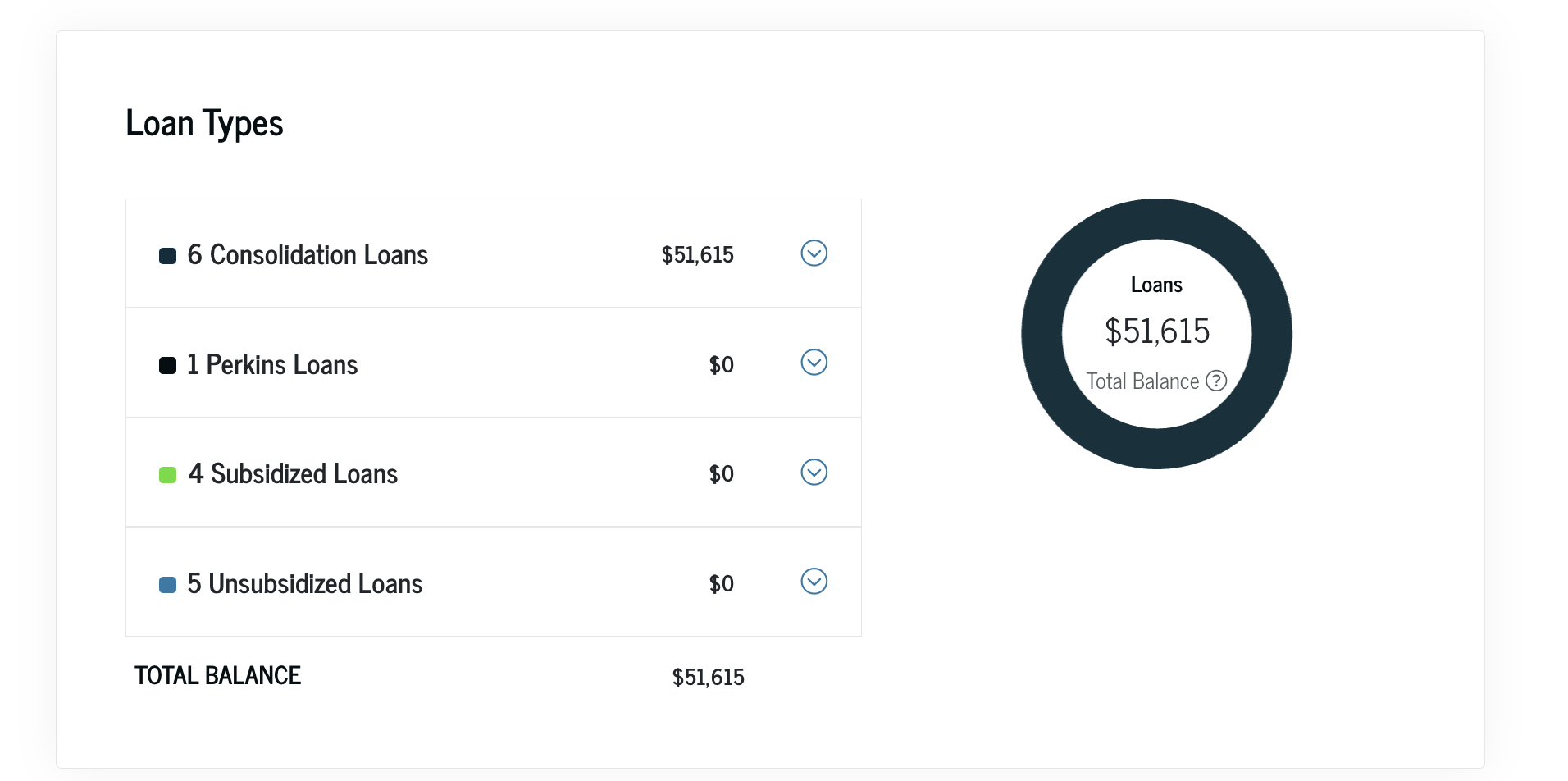
Once logged in, the dashboard provides a “Loan Aid Summary.” This section breaks down your total balance, including both principal and accrued interest. It also categorizes your loans by type, such as Direct Subsidized, Direct Unsubsidized, or Parent PLUS loans. Understanding these categories is essential, as each carries different interest structures and subsidy benefits.
Identifying Your Loan Servicer
One of the most common points of confusion for borrowers is the distinction between the lender (the Department of Education) and the servicer. A loan servicer is a private company assigned by the government to handle billing, customer service, and repayment plans.
Within your FSA dashboard, you can view the specific contact information for your servicer. Companies like Nelnet, MOHELA, and Aidvantage are common players in this space. It is vital to identify your servicer because they are the entity you will interact with to set up autopay, apply for deferment, or change your repayment plan. If your loan has been transferred—a frequent occurrence in the industry—the FSA dashboard will reflect the most current servicer on record.
2. Uncovering Private Student Loans via Credit Reporting
Unlike federal loans, private student loans are not tracked in a single government database. These loans are issued by banks, credit unions, or online lenders, and they operate under traditional consumer credit rules. If you cannot remember which private institution funded your education, your credit report is your most powerful investigative tool.
Utilizing AnnualCreditReport.com
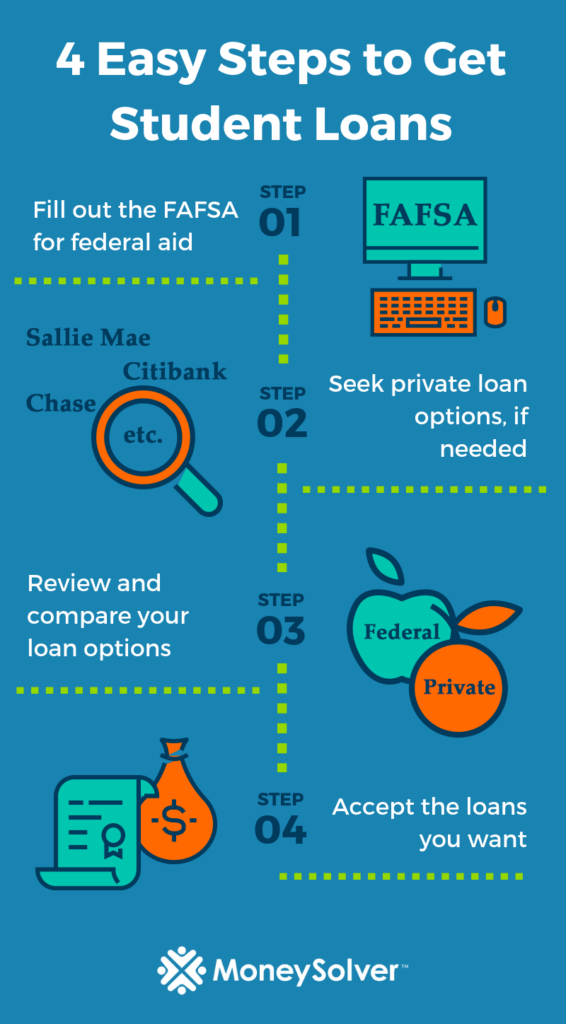
Under federal law, you are entitled to a free credit report from each of the three major credit bureaus: Equifax, Experian, and TransUnion. By visiting AnnualCreditReport.com, you can pull a comprehensive history of your financial obligations.
When reviewing your report, look for the “Account History” or “Trades” section. Private student loans will be listed here, showing the name of the lender (e.g., Sallie Mae, SoFi, or Discover) and the current status of the account. This report will also highlight the original loan amount, the current balance, and your payment history. Because not all lenders report to all three bureaus, it is prudent to check reports from all three to ensure no loan is overlooked.
Analyzing “Zombie Debt” and Closed Accounts
In some instances, a private loan may have been sold to a debt collector or a secondary market investor. If you see a lender name you don’t recognize, look for notes indicating the original creditor. “Zombie debt”—loans that have been dormant for years—can still impact your credit score and financial standing. Identifying these through your credit report allows you to address potential defaults or statute of limitation issues before they escalate into legal or professional hurdles.
3. Reviewing Financial Records and Tax Documentation
If digital databases and credit reports leave gaps in your knowledge, the answer often lies within your own historical financial footprints. Documentation generated during the loan application process and subsequent tax years provides a trail of breadcrumbs to your debt.
Examining the 1098-E Tax Form
One of the most reliable ways to find a student loan servicer is to look at your past tax returns. If you paid more than $600 in student loan interest during a tax year, your servicer is required to send you Form 1098-E (Student Loan Interest Statement).
Reviewing your tax filings from the last two to three years will often reveal the name of every servicer you have dealt with. Even if you didn’t earn enough to file taxes or didn’t claim the deduction, checking your physical or digital mail archives for this specific form is a high-probability tactic for locating “lost” accounts.
Scouring Bank Statements and Email Archives
For many borrowers, student loan payments are automated. Search your bank account history using keywords like “student,” “loan,” “payment,” or the names of common servicers. Even a single historical transaction can lead you to a website where you can recover account access.
Similarly, your email inbox is a repository of financial history. Search for terms like “Master Promissory Note,” “disbursement,” or “loan confirmation.” The Master Promissory Note (MPN) is the legal document you signed promising to repay the loan; it contains the lender’s information and the original terms of the agreement. Finding the digital copy of this document provides absolute clarity on your initial financial obligations.
4. Organizing Your Loan Portfolio for Strategic Repayment
Locating your loans is merely the reconnaissance phase of financial management. Once you have a list of lenders, balances, and interest rates, the next step is to organize this data into a functional portfolio. This structure allows you to apply advanced personal finance strategies to minimize interest and accelerate your path to solvency.
Creating a Centralized Debt Ledger
To manage your debt effectively, create a spreadsheet that includes the following columns for every loan identified:
- Lender/Servicer Name
- Account Number
- Current Balance
- Interest Rate (Fixed vs. Variable)
- Minimum Monthly Payment
- Due Date
- Loan Type (Federal vs. Private)
By visualizing your debt in this manner, you can determine which loans are costing you the most in interest. This is the foundation of the “Debt Avalanche” method, where you prioritize extra payments toward the loan with the highest interest rate, or the “Debt Snowball” method, focusing on the smallest balances first to build psychological momentum.
Evaluating Consolidation and Refinancing Options
With a complete list of your loans, you can now assess whether consolidation or refinancing is a sound financial move. Federal Loan Consolidation allows you to combine multiple federal loans into one, which can simplify payments and help you qualify for certain forgiveness programs like Public Service Loan Forgiveness (PSLF).
Private Refinancing, on the other hand, involves taking out a new loan with a private lender to pay off your existing loans—ideally at a lower interest rate. However, caution is required: refinancing federal loans into a private loan means forfeiting federal protections, such as income-driven repayment plans and potential discharge options. Having your full loan list organized allows you to run “what-if” scenarios to see how much interest you could save over the life of the debt.
5. Taking Action After Locating Your Debt
The final phase of finding your student loans is establishing a proactive relationship with your creditors. Debt thrives in the shadows of neglect; bringing it into the light through active management is the only way to ensure long-term financial stability.
Setting Up Official Communication Channels
Once you have identified your servicers, log in to each portal and update your contact information. Many borrowers miss critical updates about payment pauses, interest rate changes, or forgiveness eligibility because their contact info is linked to an old university email or a former physical address.
Enable electronic notifications to ensure you receive billing statements immediately. Most servicers also offer a small interest rate reduction (typically 0.25%) if you sign up for recurring autopay. While seemingly small, this reduction can save hundreds of dollars over the duration of a 10- or 20-year repayment term.
Investigating Repayment and Forgiveness Eligibility
Finding your loans often reveals opportunities for relief that you may not have known existed. For federal loans, you can now accurately input your total debt into the “Loan Simulator” on StudentAid.gov. This tool helps you calculate payments under various Income-Driven Repayment (IDR) plans, such as the SAVE plan.
Furthermore, by knowing exactly who your loans are with, you can verify if they are held by the Department of Education—a prerequisite for many forgiveness initiatives. If you find your loans are “FFELP” loans held by commercial lenders, you may need to take specific steps to consolidate them into the Direct Loan program to become eligible for modern relief measures.
Conclusion: Empowerment Through Financial Awareness
Finding your student loans is more than an administrative task; it is an act of financial empowerment. The uncertainty of “not knowing” often creates more stress than the debt itself. By systematically using government portals, credit reports, and personal records, you transition from a passive debtor to an active manager of your net worth.
With your complete debt profile in hand, you are no longer guessing. You are equipped with the data necessary to make informed decisions about your budget, your career, and your future. Whether your goal is to pay off the debt as quickly as possible or to manage it through strategic repayment plans, your journey begins with the clarity of a single, comprehensive list.
aViewFromTheCave is a participant in the Amazon Services LLC Associates Program, an affiliate advertising program designed to provide a means for sites to earn advertising fees by advertising and linking to Amazon.com. Amazon, the Amazon logo, AmazonSupply, and the AmazonSupply logo are trademarks of Amazon.com, Inc. or its affiliates. As an Amazon Associate we earn affiliate commissions from qualifying purchases.