
Navigating the intricacies of personal finance often requires quick access to fundamental account details, none more crucial than your bank account number. Whether you’re setting up direct deposit, initiating an online bill payment, or linking accounts for seamless financial management, knowing how to locate your Capital One account number efficiently is paramount. This essential identifier acts as the unique fingerprint for your specific checking, savings, or money market account, distinguishing it from millions of others. Understanding its significance and the various reliable methods for retrieval not only streamlines your financial tasks but also fortifies your understanding of core banking operations, a cornerstone of effective personal finance.

The Indispensable Role of Your Account Number in Personal Finance
Your Capital One account number is far more than just a sequence of digits; it is a critical component of your financial infrastructure, enabling a wide array of transactions and services. Without this unique identifier, many essential financial operations would be impossible, highlighting its central role in your daily money management.
Why Your Account Number Matters
The utility of your account number spans numerous financial activities. For employment, it’s indispensable for setting up direct deposit, ensuring your paycheck lands directly into your chosen account without delay. Similarly, when establishing recurring payments for bills like utilities, rent, or subscriptions, your account number—often paired with your bank’s routing number—facilitates smooth, automatic deductions, preventing late fees and managing cash flow proactively.
Beyond routine transactions, linking external financial applications or investment platforms to your Capital One account invariably requires this number to establish secure data exchange and funds transfer capabilities. Moreover, when you need to receive funds from others, such as a reimbursement or a transfer from a family member, providing your account number ensures the money reaches you accurately. For tax purposes, especially if you receive a refund via direct deposit or need to provide banking details for business income, the account number is a standard requirement. Even in the rare event of a bank error or dispute, your account number serves as the primary reference point for investigation and resolution, underscoring its importance in safeguarding your financial interests.
Distinguishing Between Account and Routing Numbers
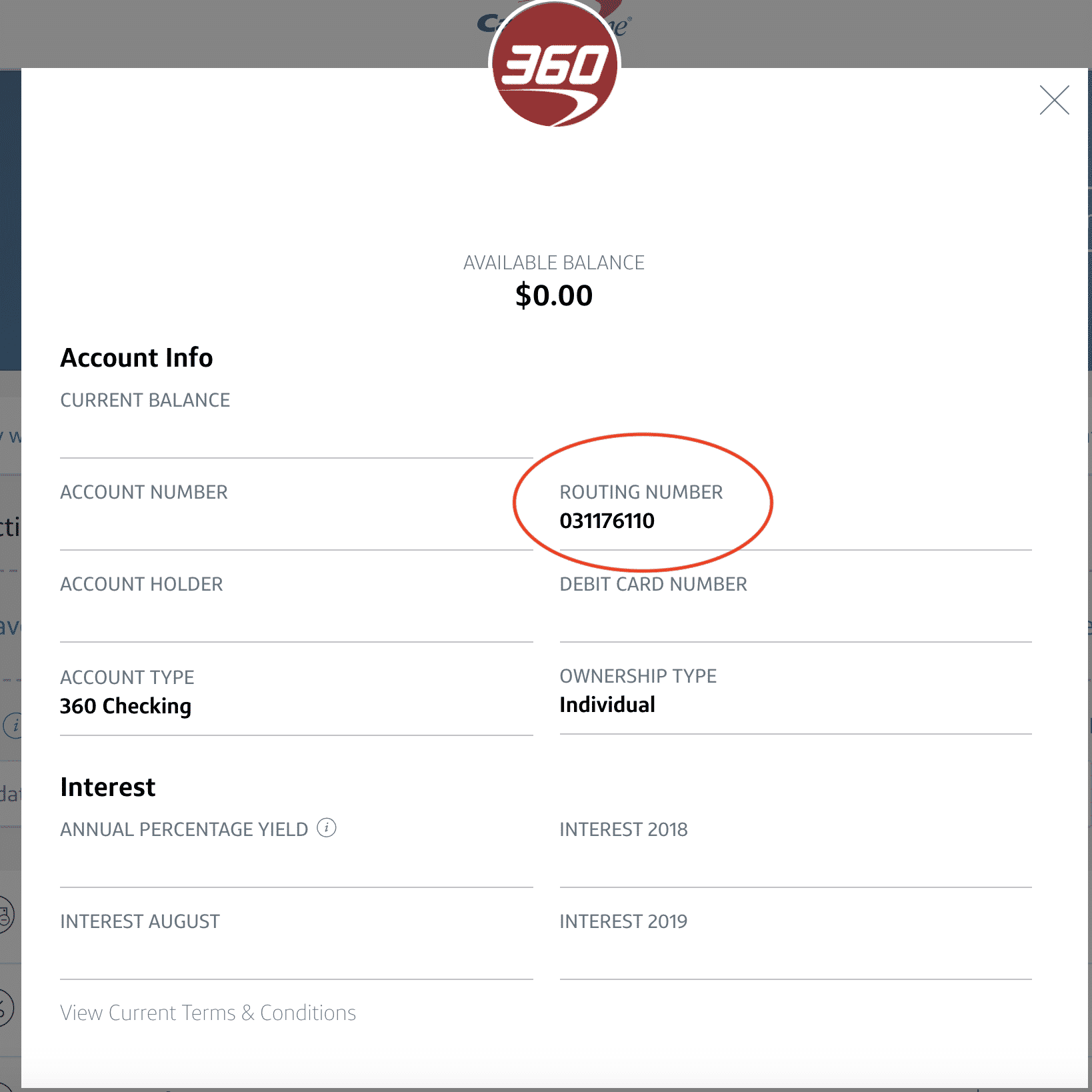
While often discussed together and frequently found in proximity on financial documents, it is crucial to understand the distinct roles of your account number and the bank’s routing number. The routing number, a nine-digit code, identifies the specific financial institution (Capital One, in this case) and its location within the U.S. banking system. Think of it as the bank’s address. This number directs funds to the correct bank. Capital One may have different routing numbers depending on the state where the account was opened or the type of transaction (e.g., wire transfer vs. ACH). For instance, online ACH transfers typically use one routing number, while wire transfers might require a different one.
In contrast, your account number is typically a 10-12 digit sequence that identifies your specific account within that financial institution. Once funds arrive at Capital One via the routing number, the account number guides them to your individual checking or savings balance. Providing the incorrect number can lead to transactions failing, funds being misdirected, or significant delays. Always double-check both numbers when setting up critical financial links to prevent costly errors and maintain the integrity of your financial transactions.
Effortless Retrieval: Online and Mobile Banking
In today’s digital age, the most convenient and often fastest way to find your Capital One account number is through its robust online and mobile banking platforms. These tools are designed for immediate access to your financial information, offering a secure and user-friendly experience from virtually anywhere.
Navigating the Capital One Website
Accessing your account number via the Capital One website is a straightforward process, provided you have your login credentials. Begin by visiting the official Capital One website and entering your username and password to log into your online banking portal. Once logged in, you’ll typically land on a dashboard displaying an overview of your accounts.
To locate your account number, click on the specific checking or savings account for which you need the details. This action will usually take you to a page with more in-depth account information. Look for sections labeled “Account Details,” “Account Services,” or “Statement & Documents.” Within these sections, you should find a clear display of your full account number. Capital One often provides an option to “Show full account number” or similar, requiring an additional click for security reasons to prevent it from being constantly visible. You might also find options to print account details or view an e-statement, which will also contain the number.
Utilizing the Capital One Mobile App
The Capital One mobile app offers a similarly streamlined experience, perfect for on-the-go access. After downloading the app from your device’s app store and logging in with your credentials, your accounts will be displayed. Tap on the specific account you’re interested in (e.g., your checking account).
Once you’ve selected an account, navigate to the “Account Details” or “Account Information” section. This is typically accessed by tapping on an icon (often a gear or three dots) or a direct link on the account summary screen. Similar to the website, the app will then reveal your account number. For security, the app may display only the last few digits and require you to tap to “Show full account number” or verify your identity with a PIN, fingerprint, or facial recognition before displaying the complete sequence. This multi-factor authentication adds an extra layer of protection, which is crucial for safeguarding sensitive financial data on mobile devices.
Security Best Practices for Online Access
While digital platforms offer unparalleled convenience, maintaining robust security practices is critical. Always ensure you are on the official Capital One website or using the authentic Capital One mobile app. Beware of phishing attempts that mimic banking sites. Use strong, unique passwords and enable two-factor authentication (2FA) for your Capital One account if you haven’t already. This adds an extra layer of security, typically requiring a code sent to your phone in addition to your password. Avoid accessing your banking information over unsecured public Wi-Fi networks, which can be vulnerable to eavesdropping. Regularly review your account activity for any suspicious transactions and keep your operating system and anti-malware software up to date on all devices used for banking. Protecting your login credentials and personal information is the first line of defense against unauthorized access to your funds.
Traditional Avenues: Paper Documentation
Despite the prevalence of digital banking, traditional paper documents remain a reliable source for locating your Capital One account number. These physical records offer a tangible backup and can be particularly useful if you temporarily lose access to your online accounts or prefer hard copies for reference.
Locating on Your Checks
For checking accounts, the easiest place to find your account number on a physical document is directly on your personal checks. At the bottom of each check, you’ll see a series of numbers separated by specific symbols. From left to right, these typically represent three distinct sequences: the routing number, your account number, and the check number.

The routing number is almost always the first set of nine digits on the far left. Immediately following that, or sometimes separated by a different symbol, you will find your account number. This sequence is usually between 10 and 12 digits long. The final sequence on the right is the individual check number. Always double-check which set of numbers corresponds to the account number, as the exact placement and separating symbols can vary slightly, though the standard format is quite consistent. If you use starter checks, the format might be slightly different or the account number might be handwritten or stamped on them by the bank.
Deciphering Bank Statements
Your monthly Capital One bank statements, whether received via postal mail or downloaded as e-statements from your online banking portal, are comprehensive records of your account activity and details. Your full account number is prominently displayed on these statements.
Typically, you’ll find the account number near the top of the statement, often close to your name and address, or within an “Account Summary” section. Capital One statements are designed to be clear and organized, making this information readily accessible. If you’re viewing an e-statement online, you can often download it as a PDF, which can then be printed or saved for your records. Remember that e-statements accessed through your secure online banking portal are a reliable and secure source, mirroring the information you would receive via mail. Always ensure you are accessing official statements to protect your financial security.
Leveraging Deposit Slips
Less commonly used than checks or statements, deposit slips also contain your account number. If you have a booklet of deposit slips provided by Capital One, your account number will be pre-printed on them, typically in the same format as on your checks, without the check number. This can be a quick reference point if you happen to have a deposit slip handy and need your account number for a different purpose. While primarily designed for making deposits, their utility extends to acting as a quick reference for your core account details.
Direct Assistance: Reaching Out to Capital One
When digital methods or paper documentation aren’t available or feasible, directly contacting Capital One’s customer service or visiting a branch are reliable alternatives. These methods provide a personalized approach, ensuring you get the correct information directly from the source.
Contacting Customer Service
Reaching out to Capital One’s customer service team is a secure way to obtain your account number. You can find their official customer service phone numbers on the back of your Capital One debit card, on their official website, or on a recent bank statement. Be prepared for a robust identity verification process, which is in place to protect your financial information.
When you call, a representative will ask you several security questions to confirm your identity. These questions might include your full name, date of birth, social security number, address, previous transaction details, or answers to security questions you’ve set up. It’s crucial to have this information readily available to ensure a smooth verification process. Once your identity is confirmed, the representative will be able to provide you with your account number. They can often read it out to you, or in some cases, securely send it to you via email or through your online banking message center, depending on their policy and your preferences. Be patient during the verification process, as it is a vital step in preventing fraud.
Visiting a Local Branch
If you prefer in-person assistance or have more complex banking needs, visiting a Capital One branch is an excellent option. This method provides the highest level of personal interaction and security, as you can speak directly with a banking associate.
Before visiting, check Capital One’s website for branch locations and operating hours. When you arrive, be sure to bring at least one form of valid, government-issued photo identification, such as a driver’s license, passport, or state ID. The branch staff will use this to verify your identity before providing you with any sensitive account information. They may also ask for additional verification details, similar to a phone call. Once your identity is confirmed, a banker can look up your account details and provide you with your account number. This method is particularly reassuring for those who are less comfortable with digital platforms or prefer face-to-face interactions for sensitive financial matters.
Essential Information for Verification
Regardless of whether you call or visit a branch, prepare to provide specific personal identifiers. This typically includes your full legal name, current address, date of birth, and Social Security Number (SSN). You might also be asked for your Capital One customer ID or card number for quicker lookup. For security purposes, never volunteer more information than requested, but always be ready to provide the necessary details promptly and accurately. Having these details handy will expedite the verification process and allow Capital One to provide you with the assistance you need efficiently.
Safeguarding Your Financial Identity
While knowing how to find your Capital One account number is essential for managing your finances, equally important is understanding how to protect this sensitive information. Your account number, particularly when combined with other personal identifiers, can be exploited by fraudsters.
Protecting Your Personal Information
Treat your Capital One account number with the same level of confidentiality as you would your Social Security Number or credit card details. Never write it down on unsecured documents or store it in easily accessible, unencrypted files on your computer or phone. Be cautious when sharing it via email or text message, as these communication methods may not always be secure. Instead, use secure online banking portals for sharing information or engage directly with Capital One representatives through verified channels. Regularly review your Capital One statements and online account activity for any unauthorized transactions. Promptly report any suspicious activity or unrecognized charges to Capital One to mitigate potential fraud.
When and How to Share Your Account Number
There are legitimate instances where you will need to share your account number, primarily for establishing direct deposits, setting up automatic bill payments, or linking to other financial services. In these cases, always verify the legitimacy of the requesting party. For direct deposit with an employer, provide the information on official company forms or through a secure HR portal. When setting up automatic payments, use the biller’s official website or customer service line. If a company or individual requests your account number via an unsolicited email or phone call, exercise extreme caution. Capital One will never ask for your full account number via email. Always initiate contact yourself using official numbers or websites if you suspect a request might be legitimate but want to verify.
Vigilance Against Fraud
The financial landscape is constantly evolving, and so are the methods used by fraudsters. Phishing scams, where criminals impersonate banks or trusted entities to trick you into revealing sensitive information, are common. Be wary of emails or calls that create a sense of urgency, threaten account closure, or ask for your account number to “verify” your identity without you initiating contact. Always check the sender’s email address for legitimacy and look for inconsistencies in grammar or design. If in doubt, do not click on links or provide any information. Instead, independently contact Capital One using the official phone numbers or website to inquire about the communication you received. Your proactive vigilance is your strongest defense against financial fraud and identity theft, ensuring your Capital One account and personal funds remain secure.
aViewFromTheCave is a participant in the Amazon Services LLC Associates Program, an affiliate advertising program designed to provide a means for sites to earn advertising fees by advertising and linking to Amazon.com. Amazon, the Amazon logo, AmazonSupply, and the AmazonSupply logo are trademarks of Amazon.com, Inc. or its affiliates. As an Amazon Associate we earn affiliate commissions from qualifying purchases.