
Navigating the landscape of modern personal finance requires a blend of digital literacy and an understanding of how financial institutions structure their data. For American Express cardholders, the account number is the primary identifier used for everything from setting up automated clearing house (ACH) payments to reconciling business expenses at the end of a fiscal quarter. Unlike a standard bank account, which often remains static for decades, a credit card account number is a dynamic tool that serves as a gateway to your credit line and financial history.
Whether you are trying to link your card to a new budgeting app, pay your bill via a third-party portal, or simply verify your identity during a customer service inquiry, knowing exactly how to retrieve this 15-digit string is essential. This guide explores the multiple avenues available to find your Amex account number while emphasizing the security protocols necessary to keep your financial data safe.

Leveraging the American Express Online Dashboard and Mobile App
In the current era of fintech, the fastest and most secure way to access your financial information is through the official digital channels provided by the issuer. American Express has invested heavily in its user interface to ensure that sensitive data is both accessible to the cardholder and protected from unauthorized viewers.
Using the Official Website
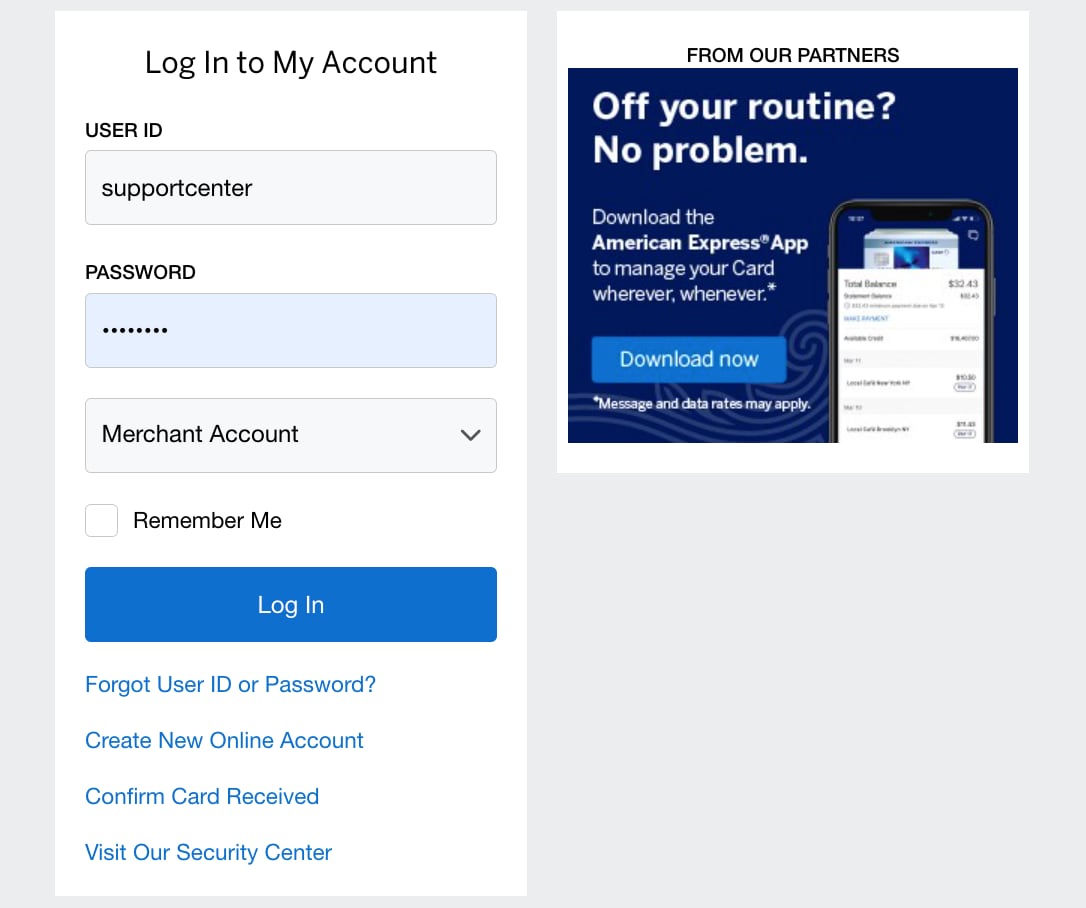
The American Express online portal is a robust command center for your personal or business finances. To find your account number here, you must first navigate to the official login page and provide your credentials. Once you are on the main dashboard, follow these steps:
-
Select the Correct Account: If you hold multiple American Express cards—such as a Platinum Card for personal use and a Blue Business Plus for your side hustle—ensure you have selected the correct card from the toggle menu, usually located in the top right corner of the screen.
-
Navigate to Account Services: Look for the “Account Services” tab in the primary navigation menu.
-
View Account Information: Under the “Card Management” or “Account Profile” section, you will typically find an option to “View Account Number” or “Manage Card.”
-
Security Verification: Because this information is sensitive, Amex will often require a second layer of authentication. You may be prompted to enter your 4-digit Card Identification Code (CID) located on the front of the physical card or receive a one-time passcode via SMS or email.
-
The Masked Number: Note that for security reasons, Amex often displays only the last five digits of your account number by default. To see the full 15 digits, you must explicitly click an “unmask” icon or a link that says “Show Full Account Number.”
Navigating the American Express Mobile App
For those who manage their finances on the go, the Amex mobile app offers a streamlined experience. The process is similar to the desktop version but optimized for biometric security.
-
Biometric Login: Open the app and log in using FaceID, TouchID, or your secure PIN.
-
Select Your Card: Swipe through your cards to find the one you need the number for.
-
Tap “Statements & Activity”: This tab is usually located at the bottom of the screen.
-
Account Details: Within the “Statements” section, look for a link or icon labeled “Account Details” or “Card Management.”
-
Retrieve Number: Much like the website, the app may mask the number initially. Look for the “Show” or “View” option to reveal the full string. The app is particularly useful for copying the number directly to your clipboard if you are trying to paste it into another financial application or payment portal.
Retrieving Information from Statements and Physical Cards
While digital portals are convenient, they are not the only way to find your account number. Traditional methods, such as checking physical cards or digital PDF statements, remain reliable backups, especially when you are offline or facing technical difficulties with the app.
Identifying the Number on Your Physical Credit Card
The most immediate place to find your account number is the physical card itself. However, it is important to understand the specific anatomy of an American Express card, as it differs significantly from Visa or Mastercard.
-
The 15-Digit Format: While most major credit cards use a 16-digit format, American Express utilizes a 15-digit account number. These digits are typically grouped in a 4-6-5 pattern (e.g., 37xx-xxxxxx-xxxxx).
-
Location: On older embossed cards, the number is on the front. On many modern, sleek metal cards, the number has been moved to the back to prevent visual theft by onlookers.
-
The CID vs. Account Number: Do not confuse your 15-digit account number with the 4-digit CID located on the front of the card. The CID is a security code used for transactions, while the 15-digit number is your actual account identifier.
Locating the Number on Monthly Billing Statements
If you do not have your physical card nearby and cannot log in to the live dashboard, your monthly billing statements are an excellent resource. These are legal documents that contain your full financial history for the billing cycle.

-
Accessing PDF Statements: You can download these from the “Statements & Activity” section of the Amex website.
-
Header Information: The account number is usually listed in the top right or top left corner of the first page of the statement.
-
Truncated Numbers: Be aware that some modern “summary” statements may truncate the number for security, showing only the last five digits. However, the official “Monthly Statement” PDF should contain the full details required for financial record-keeping or for providing proof of account ownership to a lender or tax professional.
The Critical Role of Your Account Number in Financial Management
In the realm of personal and business finance, your Amex account number is more than just a sequence of digits; it is a vital component of your financial infrastructure. Understanding why this number is needed helps in managing your cash flow and ensuring that your financial ecosystem remains synchronized.
Setting Up Direct Payments and Autopay
For high-level financial organization, many users prefer to pay their credit card bills directly from a high-yield savings account or a business checking account. To set up an ACH “pull” from your bank’s side, the bank will require your American Express account number and the corresponding routing number for American Express National Bank. Having this number accurate is paramount; an error in a single digit can result in returned payments, late fees, and a potential dip in your credit score.
Integrating with Budgeting Tools and Software
Modern wealth management often involves the use of third-party aggregators like Mint, YNAB (You Need A Budget), or Quicken. These tools use API connections to pull data from your Amex account. While many use a “Plaid” connection that requires only your login credentials, some older or more specialized accounting software requires manual entry of the account number to track liabilities and expenses accurately. For business owners, this is especially critical during tax season when reconciling “Company Reimbursable” expenses versus “Direct Business” expenses.
Safeguarding Your American Express Credentials
Because your account number grants access to your credit limit and financial history, protecting it is a cornerstone of digital security. In the hands of a malicious actor, an account number can be used for fraudulent transactions or identity theft.
Avoiding Phishing Scams and Social Engineering
One of the most common ways account numbers are compromised is through social engineering. You may receive an email or a text message that appears to be from American Express, claiming there is an issue with your account and asking you to “verify your account number.”
Always remember that American Express will never ask you to provide your full account number via an unsolicited email or text. If you are unsure about a communication, the safest course of action is to ignore the link provided and navigate directly to the official Amex website or call the number on the back of your card.
Utilizing American Express Security Features
American Express provides several tools to help you monitor the security of your account number:
-
Instant Alerts: Set up “Card Not Present” alerts. Every time your account number is used for an online or phone transaction, you will receive an instant notification on your mobile device.
-
Virtual Card Numbers: For certain business accounts or through specific browser extensions, Amex offers virtual card numbers. These allow you to make a purchase using a “alias” number that links back to your main account but keeps your actual account number hidden from the merchant. This is a powerful tool for preventing data breaches at the merchant level from affecting your primary account.
What to Do If You Cannot Locate Your Account Information
In some instances, you might find yourself locked out of your digital accounts and without your physical card or statements. This often happens if a card is lost or stolen.
In this scenario, the best path forward is to contact American Express Global Card Member Services. By verifying your identity through other means—such as your Social Security Number, date of birth, and recent transaction history—a representative can confirm your account details. If your card is lost, they will not simply give you the old number; they will close that account number and issue a new one to prevent fraud.
This emphasizes a key financial principle: your account number is your responsibility. By keeping it accessible through secure, encrypted channels and understanding how to retrieve it across various platforms, you ensure that your financial operations remain seamless and your credit profile stays protected. Managing your Amex account number effectively is a small but significant part of a larger strategy for financial health and administrative excellence.
aViewFromTheCave is a participant in the Amazon Services LLC Associates Program, an affiliate advertising program designed to provide a means for sites to earn advertising fees by advertising and linking to Amazon.com. Amazon, the Amazon logo, AmazonSupply, and the AmazonSupply logo are trademarks of Amazon.com, Inc. or its affiliates. As an Amazon Associate we earn affiliate commissions from qualifying purchases.