
Filing taxes is often viewed as one of the most daunting annual tasks for any individual or business owner. However, when viewed through the lens of personal finance management, tax filing is not merely a legal obligation; it is a critical component of your overall financial health. Understanding the nuances of the tax code allows you to protect your wealth, maximize your liquid assets, and avoid the heavy hand of government penalties.
The process of filing taxes involves a systematic review of your income, expenses, and investments over the previous calendar year. Whether you are a traditional employee, a freelancer in the gig economy, or a seasoned investor, the goal remains the same: to accurately report your financial activity to the Internal Revenue Service (IRS) while utilizing every legal avenue to minimize your tax liability. This guide provides a strategic roadmap to help you navigate the complexities of tax season with professional precision.
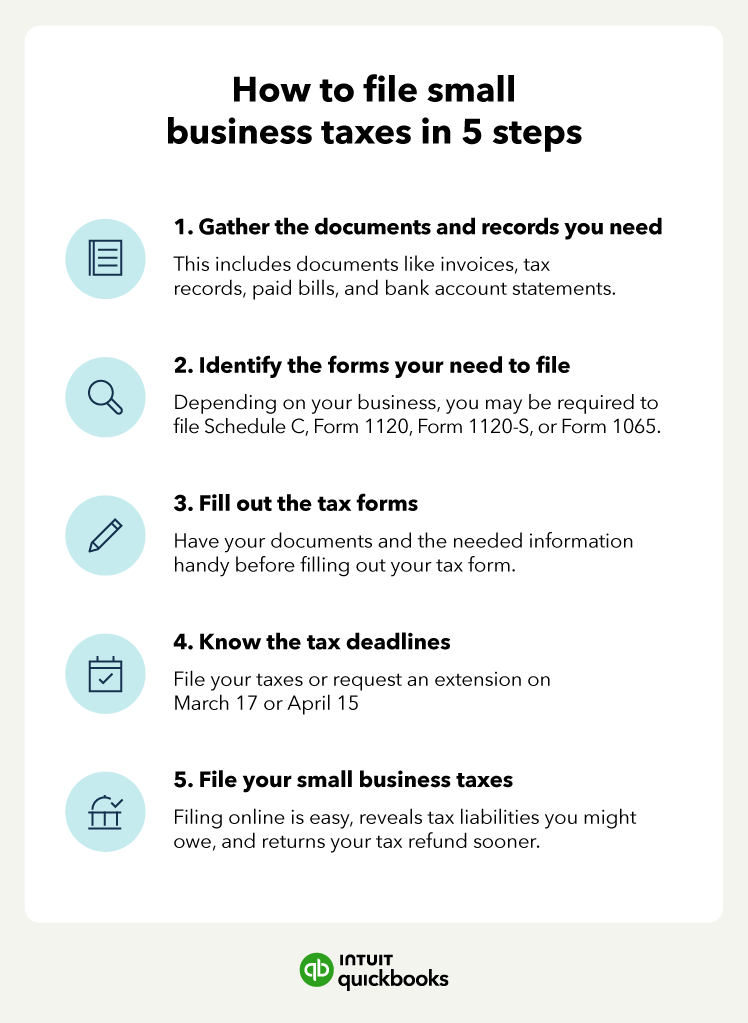
Phase 1: Preparation and Essential Documentation
The foundation of a successful tax filing lies in the quality of your preparation. Jumping into a tax return without the necessary documentation is a recipe for errors, which can lead to audits or missed refund opportunities. In the world of personal finance, organization is the ultimate efficiency tool.
Identifying Your Filing Status
Your filing status is the first major lever that determines your tax bracket and your standard deduction. The IRS recognizes five main statuses: Single, Married Filing Jointly, Married Filing Separately, Head of Household, and Qualifying Surviving Spouse. Choosing the correct status is vital. For instance, the “Head of Household” status often provides more favorable tax rates and a higher standard deduction than filing as “Single,” but it requires meeting specific criteria regarding dependents and household maintenance costs.
Gathering Income Statements (W-2s and 1099s)
Income transparency is the bedrock of tax compliance. You must collect all records of income earned throughout the year. For traditional employees, this is the Form W-2. However, for those with diverse income streams—such as freelance work, dividends, or interest—the 1099 series of forms is essential. Specifically:
- 1099-NEC: For non-employee compensation (freelance/contract work).
- 1099-INT: For interest earned on savings accounts.
- 1099-DIV: For dividends and distributions from investments.
- 1099-B: For proceeds from broker and barter exchange transactions (stock sales).
Choosing Between Standard and Itemized Deductions
One of the most significant financial decisions you will make during filing is whether to take the standard deduction or to itemize. The standard deduction is a flat dollar amount that reduces the income on which you’re taxed. Itemizing, on the other hand, allows you to list specific expenses such as mortgage interest, state and local taxes (SALT), and charitable contributions. If your total itemizable expenses exceed the standard deduction amount set for the year, itemizing will lower your tax bill significantly.
Phase 2: Selecting the Right Filing Method
Once your documents are organized, you must decide on the mechanism for delivery. The method you choose should align with the complexity of your financial portfolio and your comfort level with tax law.
IRS Free File and DIY Software
For individuals with relatively straightforward financial lives—such as those whose primary income is a W-2 and who do not own complex assets—DIY software is an excellent, cost-effective tool. The IRS Free File program provides brand-name tax software for free to taxpayers whose Adjusted Gross Income (AGI) falls below a certain threshold. These platforms use a guided interview format, translating complex tax jargon into simple questions about your life and finances.
Hiring a Professional: CPA vs. Enrolled Agent
As your net worth grows and your financial interests become more complex (e.g., owning rental properties, holding foreign assets, or managing a business), the value of a professional becomes undeniable. A Certified Public Accountant (CPA) or an Enrolled Agent (EA) does more than just input numbers; they provide strategic tax planning. They can identify nuances in the tax code that software might miss and can represent you in front of the IRS should any discrepancies arise. From a “Money” perspective, the fee paid to a tax professional is often recouped through the tax savings they identify.
The New Frontier: IRS Direct File
In recent years, the IRS has introduced “Direct File,” a pilot program allowing taxpayers to file directly with the government for free. This is a significant shift in the financial landscape, aiming to simplify the relationship between the taxpayer and the treasury. While currently limited in scope and geography, it represents a growing movement toward making financial compliance more accessible to the general public.

Phase 3: Navigating Deadlines, Extensions, and Penalties
In personal finance, timing is everything. Missing a tax deadline is essentially giving away money in the form of interest and late-filing penalties.
The April 15th Milestone
For most American taxpayers, April 15th is the definitive deadline to file federal income tax returns and pay any taxes owed. If the 15th falls on a weekend or holiday, the deadline is pushed to the next business day. It is a common misconception that you only need to file by this date; in reality, you must also pay any estimated balance by this date to avoid interest charges.
Understanding Tax Extensions
If you are unable to gather all your documentation by April 15th, you can file for a dynamic six-month extension, moving your filing deadline to October 15th. This is done via Form 4868. However, a critical caveat remains: An extension to file is not an extension to pay. You must estimate your tax liability and pay that amount by April 15th even if you don’t submit the final paperwork until October. Failing to pay by April 15th will result in “failure-to-pay” penalties, which accrue monthly.
The Cost of Non-Compliance
The IRS imposes two primary penalties: failure-to-file and failure-to-pay. The failure-to-file penalty is generally much higher—usually 5% of the unpaid taxes for each month or part of a month that a tax return is late. If you cannot afford to pay your taxes, it is still financially wiser to file your return on time to avoid the steeper filing penalty, then work with the IRS on a payment plan or an “Offer in Compromise.”
Phase 4: Maximizing Wealth Through Credits and Deductions
The difference between an amateur and a professional approach to taxes is the proactive search for credits and deductions. While deductions lower your taxable income, credits are even more powerful because they provide a dollar-for-dollar reduction of your tax liability.
High-Impact Tax Credits
- Earned Income Tax Credit (EITC): A refundable credit for low-to-moderate-income working individuals and couples, particularly those with children.
- Child Tax Credit (CTC): A significant credit for parents that can provide thousands of dollars in relief per qualifying child.
- Education Credits: The American Opportunity Tax Credit (AOTC) and the Lifetime Learning Credit (LLC) help offset the costs of higher education, potentially saving students or parents thousands in taxes.
Strategic Retirement and Health Contributions
From a wealth-building perspective, the tax code rewards those who save for the future. Contributions to a Traditional IRA or a 401(k) are typically “above-the-line” deductions, meaning they reduce your AGI regardless of whether you itemize. Similarly, contributions to a Health Savings Account (HSA) offer a triple tax advantage: contributions are tax-deductible, growth is tax-deferred, and withdrawals for medical expenses are tax-free. Utilizing these tools is a primary strategy for long-term capital preservation.
Phase 5: Post-Filing Management and Future Planning
The tax process does not end the moment you click “submit.” Professional financial management requires a “closed-loop” system where the results of one year inform the strategy for the next.
Tracking Your Refund and Record Keeping
If you are owed a refund, the IRS “Where’s My Refund?” tool provides transparency on the status of your payment. Once the process is complete, you must maintain your records. The general rule of thumb is to keep tax records for at least three years, though seven years is safer if you have complex business deductions or capital loss carryovers. Digital archives are highly recommended for ease of access and security.
Adjusting Your Withholding for the Coming Year
A massive tax refund might feel like a windfall, but in the world of finance, it is actually an interest-free loan you gave to the government. Conversely, a large tax bill at the end of the year can create a liquidity crisis. Use the results of your filing to adjust your Form W-4 with your employer. The goal is to get as close to a $0 balance as possible, allowing you to keep more of your paycheck each month for investing or debt repayment.
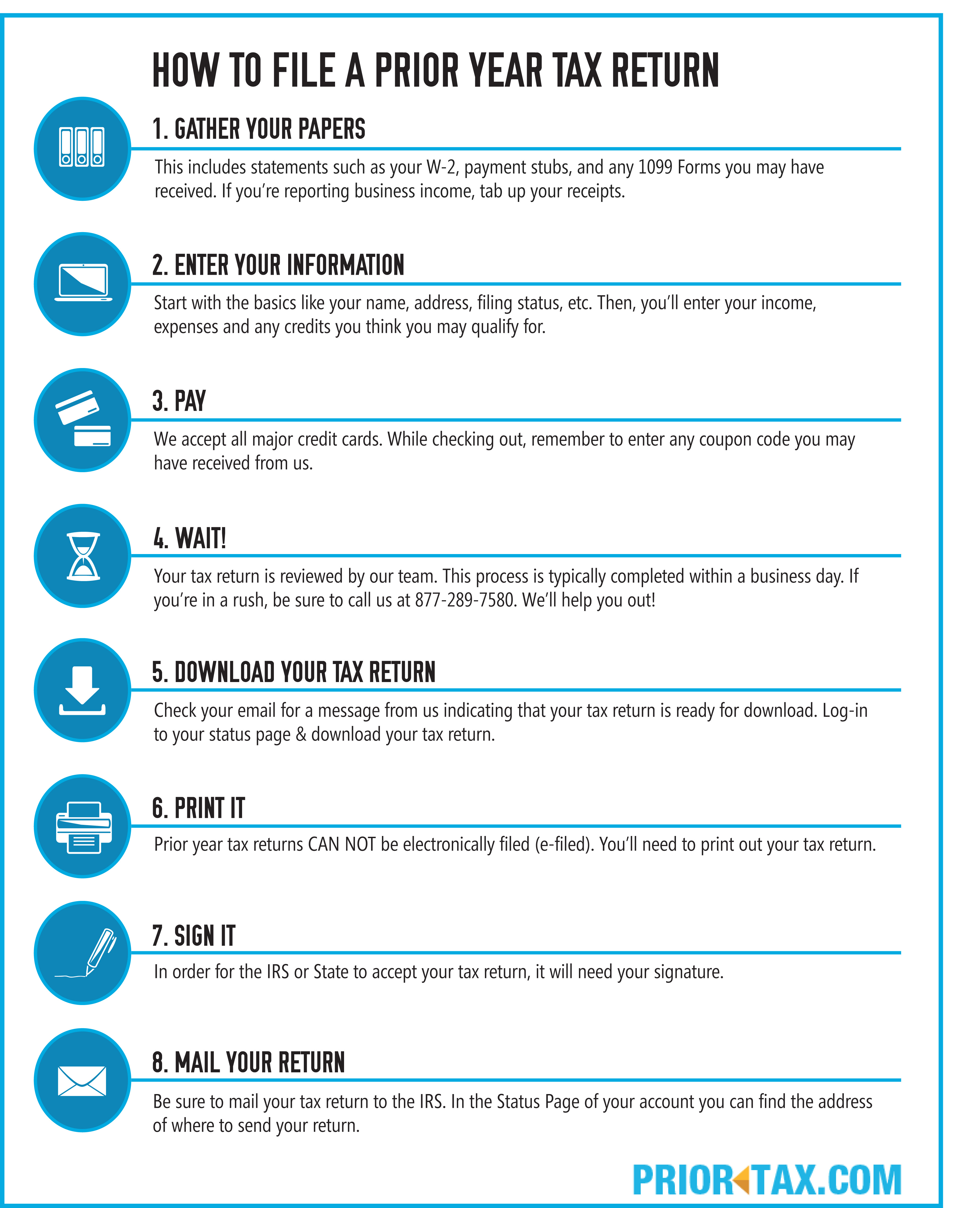
Preparing for the Next Cycle
Tax filing should be a year-round consideration, not a three-week scramble in April. By implementing a system for tracking receipts and expenses throughout the year—perhaps using a dedicated business bank account or financial tracking software—you transform tax filing from a stressful hurdle into a routine administrative check-up. This proactive approach ensures that you are always in control of your money, rather than your money (and the taxes on it) being in control of you.
aViewFromTheCave is a participant in the Amazon Services LLC Associates Program, an affiliate advertising program designed to provide a means for sites to earn advertising fees by advertising and linking to Amazon.com. Amazon, the Amazon logo, AmazonSupply, and the AmazonSupply logo are trademarks of Amazon.com, Inc. or its affiliates. As an Amazon Associate we earn affiliate commissions from qualifying purchases.