
In the modern economic landscape, the shift toward digital-first financial management is no longer a luxury—it is a necessity. For customers of JPMorgan Chase, one of the world’s largest and most established financial institutions, transitioning from traditional branch-based banking to a robust online presence is the first step toward mastering personal liquidity and long-term wealth management. Creating a Chase online account is more than a simple technical hurdle; it is the act of unlocking a comprehensive suite of financial tools designed to streamline budgeting, enhance security, and provide real-time insights into one’s fiscal health.
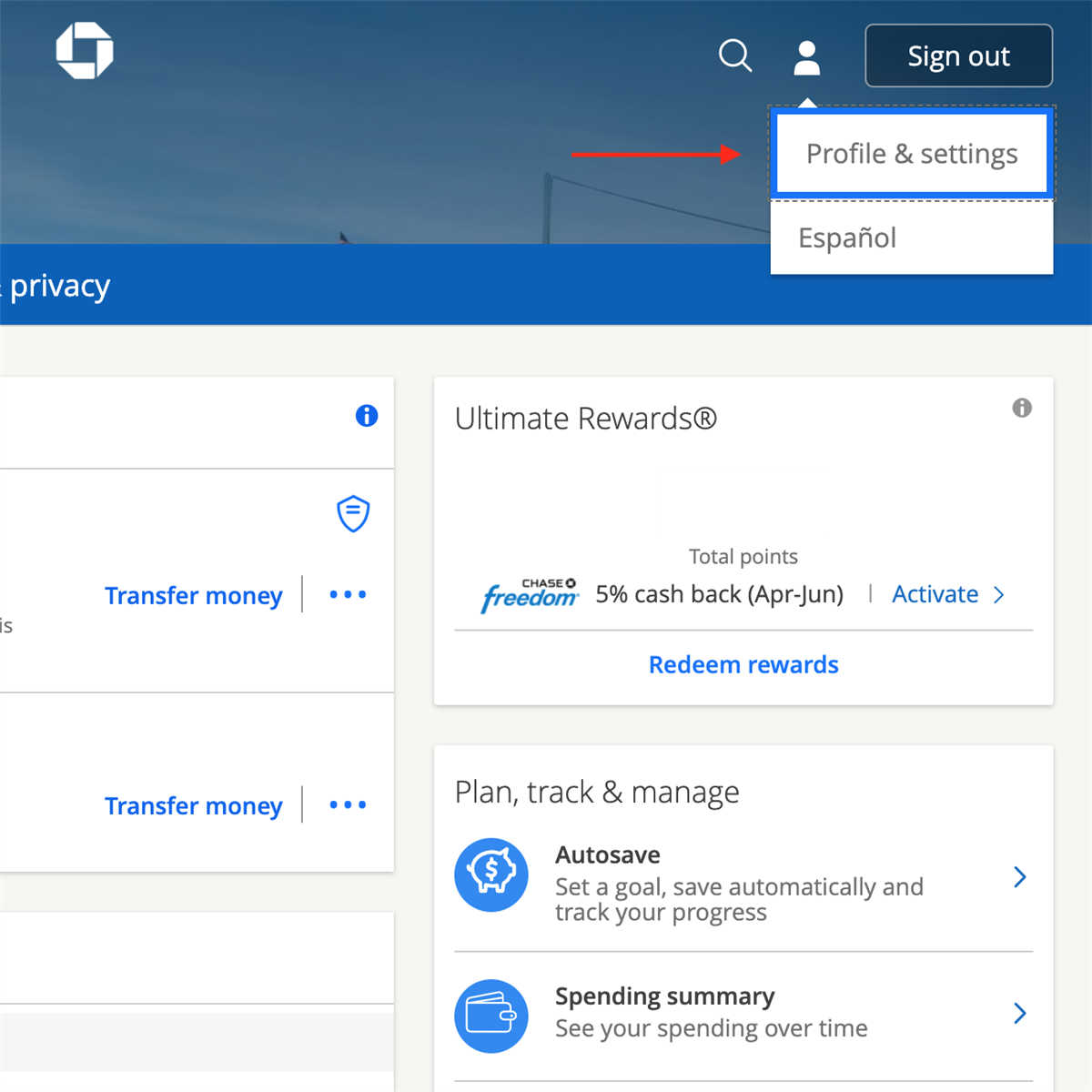
As the world of personal finance becomes increasingly complex, having 24/7 access to your capital allows for more informed decision-making. Whether you are looking to monitor daily expenditures, manage credit scores, or automate savings, the Chase digital ecosystem serves as a centralized hub for your financial life.
The Prerequisites of Digital Enrollment: Preparing Your Financial Data
Before initiating the registration process, it is essential to gather the necessary documentation. Chase, adhering to strict federal regulations and Know Your Customer (KYC) protocols, requires specific identifiers to verify your identity and link your existing physical accounts to a digital profile.
Personal Identification and Account Information
To begin, you will need your Social Security Number (SSN) or your Taxpayer Identification Number (TIN). This is the primary key used to authenticate your identity against the bank’s internal records. Additionally, you must have your Chase account, card, or application number readily available. This could be found on your debit or credit card, a physical bank statement, or the paperwork provided to you when you first opened your account at a branch.
Contact Information and Verification Access
The enrollment process requires a valid email address and a mobile phone number capable of receiving SMS messages. In an era of heightened digital fraud, Chase utilizes multi-factor authentication (MFA) to ensure that the person attempting to access the account is the rightful owner. During the setup, you will be sent a temporary identification code via text or email. Ensuring that your contact information is current in the bank’s offline records will prevent delays in the verification stage.
Step-by-Step Guide to Setting Up Your Chase Online Profile
Once you have your documentation ready, the process can be completed via a desktop browser or the Chase Mobile app. While both platforms offer a seamless experience, the desktop version often provides a broader view of the terms and conditions, which is beneficial for users who prefer to review the legal fine print of their digital banking agreement.
Initiating the Enrollment Process
Navigate to the official Chase website and locate the “Not enrolled? Sign up now” link, usually positioned near the login portal. Upon clicking this, you will be directed to a secure enrollment page. The first prompt will ask for your account, card, or application number, followed by your Social Security Number. You will also be asked to select the type of account you are registering—personal, business, or both. For most individual users, the “Personal” selection is appropriate.
Creating Your Digital Credentials
After the system verifies your identity, you will be prompted to create a username and password. From a financial security standpoint, this is a critical juncture. A strong password should be unique to your financial accounts, avoiding common words or birthdays. Professionals recommend using a mix of alphanumeric characters and symbols to thwart brute-force attacks.
During this stage, you may also be asked to set up “Security Questions.” While these were standard for years, modern best practices suggest using them only as a secondary layer. The primary focus should remain on the “Secure Access Code” system, which Chase uses to verify logins from unrecognized devices.
Confirming Contact Preferences and Legal Agreements
The final stage of the enrollment involves selecting how you wish to receive notifications. You can opt for paperless statements—a choice that is not only environmentally conscious but also reduces the risk of identity theft via physical mail. You will also be presented with the Online Banking Service Agreement. It is prudent to review the sections regarding electronic fund transfers (EFT) and the bank’s liability policies before clicking “Complete.”
Maximizing the Financial Tools Within the Chase Ecosystem
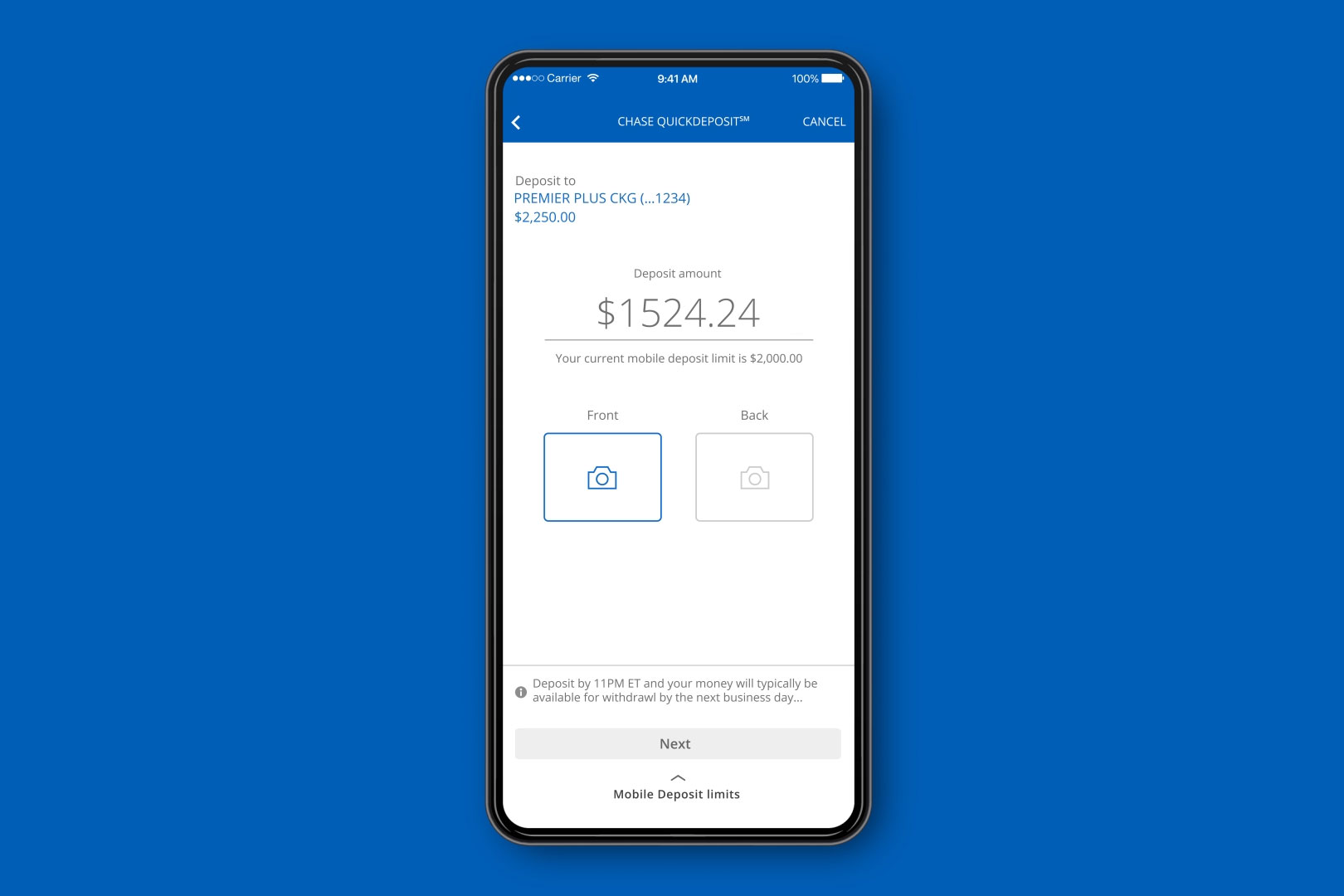
Creating an account is merely the gateway. To truly benefit from online banking, one must understand how to leverage the integrated tools that Chase provides to enhance personal finance management.
The Chase Credit Journey
One of the most valuable features of a Chase online account is the “Credit Journey” tool. This service provides users with their VantageScore® 3.0 (powered by Experian) for free, without impacting their credit score. In the realm of personal finance, your credit score is the gatekeeper to favorable interest rates on mortgages, auto loans, and insurance premiums. By monitoring this score through your online portal, you can track changes in real-time, receive alerts about new inquiries, and use the “Score Simulator” to see how specific financial decisions—like paying down a balance—might improve your standing.
Spending Overviews and Budgeting
Chase’s digital platform automatically categorizes your transactions into sectors such as “Food & Drink,” “Bills & Utilities,” and “Travel.” For the proactive budgeter, this data is invaluable. By reviewing the “Spending” tab, you can identify patterns of lifestyle inflation or unnecessary recurring subscriptions. This transparency allows for more disciplined cash flow management, ensuring that your income is being allocated toward wealth-building assets rather than leaking through small, unnoticed expenses.
Automation: The Key to Long-Term Wealth
Within the online portal, users can access “Chase First Banking” or “Auto-Save” features. Financial independence is often built on the principle of “paying yourself first.” By setting up an automated transfer from your checking account to your savings account on payday, you remove the psychological friction of saving. The online interface allows you to set specific goals—such as an emergency fund or a down payment for a home—and track your progress visually.
Security and Protection in Digital Banking
While the convenience of online banking is unparalleled, it necessitates a sophisticated approach to digital security. Chase employs industry-leading encryption and 128-bit Secure Socket Layer (SSL) technology to protect data in transit, but the user remains the first line of defense.
Implementing Multi-Factor Authentication (MFA)
Upon creating your account, you should immediately verify that MFA is active. This ensures that even if a malicious actor acquires your password, they cannot access your funds without the physical possession of your mobile device to receive the secondary code. Chase also offers biometric login options—such as Touch ID or Face ID—for mobile users, which adds a layer of biological security that is significantly harder to bypass than traditional text-based credentials.
Account Alerts and Fraud Monitoring
One of the most effective ways to manage financial risk is through the “Alerts” menu. You can configure the system to send a push notification or text message every time a transaction exceeds a certain dollar amount, or if your balance drops below a specific threshold. These real-time updates allow you to spot unauthorized activity the moment it happens, rather than discovering it weeks later on a monthly statement. Chase’s fraud monitoring systems also work in the background, but user-defined alerts provide an extra layer of personal oversight.
Integrating Online Banking into Your Long-Term Financial Strategy
A Chase online account should not exist in a vacuum; it should serve as the nerve center for your broader financial strategy. The ability to link external accounts, manage investments through J.P. Morgan Self-Directed Investing, and utilize peer-to-peer payment systems like Zelle makes the platform a versatile engine for capital movement.
Seamless Bill Pay and Cash Flow Management
Late fees and missed payments can damage your credit score and drain your liquidity. The Chase Online Bill Pay service allows you to centralize all your obligations—from utilities to private loans—into a single interface. By scheduling these payments to align with your income cycle, you can maintain a more predictable cash flow and avoid the stress of manual payments.

The Connection to Investment and Growth
For those looking to grow their net worth, the integration between Chase banking and J.P. Morgan brokerage accounts is a significant advantage. Within the same digital environment, you can move excess cash from a low-yield checking account into a diversified portfolio of stocks, ETFs, or mutual funds. This reduced friction between “saving” and “investing” is a hallmark of successful personal finance, as it encourages the movement of capital into productive assets.
In conclusion, creating a Chase online account is a fundamental step in modernizing your relationship with money. It transitions the user from a passive recipient of monthly statements to an active manager of their financial destiny. By leveraging the platform’s security features, budgeting tools, and investment integrations, you position yourself to navigate the complexities of the 21st-century economy with precision and confidence.
aViewFromTheCave is a participant in the Amazon Services LLC Associates Program, an affiliate advertising program designed to provide a means for sites to earn advertising fees by advertising and linking to Amazon.com. Amazon, the Amazon logo, AmazonSupply, and the AmazonSupply logo are trademarks of Amazon.com, Inc. or its affiliates. As an Amazon Associate we earn affiliate commissions from qualifying purchases.