
In the dynamic world of business, whether you’re launching a groundbreaking startup, scaling an existing venture, or pivoting to new markets, a robust business plan is not merely a formality; it is the financial backbone of your enterprise. Far more than a static document, it serves as a living roadmap, charting your course through economic landscapes, securing vital capital, and ensuring the judicious allocation of every dollar. For entrepreneurs and established businesses alike, understanding how to construct a comprehensive business plan is paramount to achieving and sustaining financial health. This guide will delve into the essential elements, focusing squarely on the financial implications and strategic monetary decisions inherent in its creation.

The Indispensable Value of a Business Plan for Financial Prosperity
At its core, a business plan is an operational and financial blueprint. It forces you to scrutinize every facet of your venture, compelling you to make realistic financial projections and anticipate potential challenges. Without it, you are navigating the intricate waters of commerce without a compass, risking both solvency and growth.
Securing Capital and Investment
Perhaps the most universally recognized purpose of a business plan is its role in attracting funding. Lenders, investors, and venture capitalists require a clear, coherent, and financially grounded document to assess your venture’s viability and their potential return on investment. A well-articulated plan demonstrates:
- A Clear Funding Request: Precisely how much capital you need and for what specific purposes (e.g., equipment, inventory, marketing, working capital).
- Credible Financial Projections: Detailed forecasts of revenue, expenses, profitability, and cash flow, convincing investors of your business’s potential for financial returns.
- Risk Mitigation Strategies: Your understanding of potential financial risks and how you plan to manage them, assuring investors of your prudence.
- Exit Strategies: For investors, clarity on how they will realize their return, whether through acquisition, IPO, or profit distribution.
The absence of a compelling financial narrative within your business plan can be an immediate deal-breaker, regardless of how innovative your product or service may be.
Guiding Strategic Financial Decisions
Beyond external funding, a business plan acts as an internal compass for financial decision-making. It enables you to:
- Establish Realistic Budgets: By outlining expected revenues and expenses, it allows for the creation of practical budgets that align with your strategic goals.
- Optimize Cash Flow Management: Understanding your projected inflows and outflows is critical for maintaining liquidity, preventing shortfalls, and identifying surplus cash for reinvestment.
- Allocate Resources Efficiently: It helps in prioritizing where financial resources should be directed, ensuring that investments yield the greatest possible return and support core business objectives. For small businesses or side hustles, this means every dollar spent is strategic.
Mitigating Financial Risks
Every business faces risks, but a comprehensive business plan empowers you to identify and mitigate them proactively. This includes:
- Identifying Potential Financial Pitfalls: Through sensitivity analysis and scenario planning, you can anticipate economic downturns, market shifts, or unforeseen expenses.
- Developing Contingency Plans: Preparing for worst-case scenarios with pre-defined financial buffers or alternative revenue streams protects the business from insolvency.
- Assessing Viability: By rigorously evaluating market conditions and financial assumptions, you can determine if your business model is truly sustainable and profitable before committing significant capital.
Benchmarking Performance and Growth
Once your business is operational, the plan transforms into a critical tool for performance measurement. It provides:
- A Baseline for Performance: You can compare actual financial results against your projections, identifying discrepancies and understanding their root causes.
- Metrics for Growth: Key performance indicators (KPIs) derived from your plan help track progress towards financial goals, such as revenue targets, profit margins, and return on assets.
- Flexibility for Adjustment: As market conditions evolve, your business plan encourages regular review and adaptation, ensuring that your financial strategy remains agile and responsive. This iterative process is crucial for long-term financial health.
Core Components of a Financially Sound Business Plan
While specific sections may vary, a robust business plan consistently includes several key components, each interwoven with financial considerations. Understanding these will help you construct a document that speaks the language of money.
Executive Summary: Your Financial Snapshot
This is often the first, and sometimes only, section potential investors or lenders will read. It must concisely summarize your entire plan, with a strong emphasis on financial highlights. This includes your mission, a brief overview of your products/services, target market, competitive advantages, management team, and, most crucially, your funding request, projected revenues, and anticipated profitability. Think of it as an investor-centric elevator pitch in written form, underscoring financial viability and return.
Company Description: The Business Model’s Foundation
This section describes what your business does, its legal structure, and its mission. From a financial perspective, it lays the groundwork for understanding the revenue model (how money is made), cost structure (what drives expenses), and scalability (potential for financial growth). For instance, a subscription-based model has different revenue predictability and cost implications than a one-time product sale.
Market Analysis: Understanding Revenue Potential
Here, you detail your target market, market size, trends, and competition. Financially, this section justifies your revenue projections by demonstrating:
- Market Opportunity: The financial potential of your chosen market segment.
- Pricing Strategy: How your pricing positions you against competitors and ensures profitability.
- Market Share: Realistic assumptions about the percentage of the market you can capture, directly impacting sales forecasts.
- Barriers to Entry and Exit: Financial costs associated with entering or leaving the market.
Organization and Management: Operational Costs and Efficiency
This section outlines your organizational structure, key personnel, and their roles. Financially, it’s critical for:
- Salaries and Wages: A major operational cost that must be accurately projected.
- Overhead Costs: Expenses related to office space, utilities, and administrative support.
- Operational Efficiency: How your team structure and management processes will contribute to cost-effectiveness and productivity, impacting the bottom line.
Service or Product Line: Pricing and Profitability
Detail your products or services, their features, benefits, and lifecycle. Financially, this section clarifies:
- Cost of Goods Sold (COGS): The direct costs attributable to the production of the goods or services sold.
- Pricing Strategy: How your products/services are priced to achieve desired profit margins while remaining competitive.
- Revenue Streams: Identifying all avenues through which your business will generate income.
- Research and Development (R&D) Costs: Investments required for developing new offerings, impacting early-stage financial projections.
Marketing and Sales Strategy: Driving Revenue Growth
This outlines how you will attract customers and sell your products/services. Its financial implications are vast:
- Customer Acquisition Cost (CAC): The cost of marketing and sales efforts required to acquire a new customer, critical for profitability.
- Marketing Budget: Allocation of funds to various channels (digital, traditional, PR).
- Sales Forecasts: How marketing activities are expected to translate into concrete sales figures, forming the basis of your revenue projections.
- Return on Marketing Investment (ROMI): The anticipated financial return from your marketing expenditures.

The Financial Projections: The Heart of Your Business Plan
This is arguably the most critical section for any stakeholder focused on the “Money” aspect of your business. It transforms your strategic vision into concrete financial figures, demonstrating viability and potential returns. Accuracy, realism, and clarity are paramount here.
Startup Costs and Funding Request
This details all initial expenses required to get your business off the ground. It covers:
- One-time Expenses: Legal fees, permits, equipment, initial inventory, website development.
- Working Capital: Funds needed to cover operational costs before revenue streams stabilize.
- Detailed Funding Request: A clear articulation of how much money you need and a precise breakdown of how every dollar will be utilized, justifying the investment.
Sales Forecast
A realistic projection of your revenue over the next three to five years. It should be based on thorough market research, your marketing strategy, pricing, and operational capacity. This section explains the assumptions behind your numbers, showing a credible path to generating income.
Profit and Loss Statement (Income Statement)
This statement summarizes your revenues, costs, and expenses over a period (e.g., monthly, quarterly, annually), leading to your net profit or loss. It is a vital indicator of your business’s financial performance and profitability. Key elements include:
- Gross Profit: Revenue minus COGS.
- Operating Expenses: Costs not directly tied to production (e.g., salaries, rent, marketing).
- Net Profit/Loss: The ultimate measure of your financial success for the period.
Cash Flow Statement
Crucial for understanding your business’s liquidity, this statement tracks the actual movement of cash in and out of your business from operating, investing, and financing activities. It answers the fundamental question: “Do I have enough cash to pay my bills?” A profitable business can still fail if it runs out of cash. This projection typically spans three to five years, highlighting potential cash shortages or surpluses.
Balance Sheet
This provides a snapshot of your business’s financial health at a specific point in time. It lists your:
- Assets: What the business owns (cash, accounts receivable, inventory, property, equipment).
- Liabilities: What the business owes (accounts payable, loans, deferred revenue).
- Owner’s Equity: The residual value of assets after liabilities are deducted.
The balance sheet adheres to the fundamental accounting equation: Assets = Liabilities + Owner’s Equity.
Break-Even Analysis
This calculation determines the point at which your total costs (fixed and variable) equal your total revenue, meaning your business is neither making nor losing money. It’s an essential metric for understanding how much you need to sell to cover your expenses and begin generating a profit.
Crafting Your Plan: Practical Steps and Best Practices
Developing a comprehensive business plan can seem daunting, but by adhering to best practices, you can create a powerful document that propels your financial objectives forward.
Research Thoroughly and Realistically
Your financial projections are only as good as the data they’re built upon. Invest time in:
- Market Research: Understand industry trends, customer spending habits, and competitor pricing.
- Industry Benchmarks: Compare your projected financials against established norms for similar businesses to ensure realism.
- Realistic Assumptions: Avoid overly optimistic sales forecasts or underestimating costs. Be conservative in your projections to build credibility.
Keep it Concise and Clear
While detail is necessary, particularly in financial appendices, the main body of your plan should be succinct and easy to understand. Potential investors and lenders have limited time. Use clear language, avoid jargon where possible, and present complex financial data using tables, charts, and graphs to enhance readability and impact. Focus on key takeaways and the financial implications.
Seek Expert Feedback
Don’t write your business plan in a vacuum. Solicit input from:
- Accountants/Financial Advisors: To review your financial projections for accuracy, consistency, and compliance.
- Mentors/Industry Experts: For validation of your market assumptions and operational strategies.
- Experienced Entrepreneurs: Who can offer insights into common pitfalls and opportunities.
This external scrutiny can uncover weaknesses and strengthen your financial arguments.
Treat it as a Living Document
A business plan is not a static artifact; it is a dynamic tool. Review and update it regularly—at least annually, or whenever significant changes occur in your business model, market, or financial performance. Adjust your financial projections, reassess market conditions, and refine your strategies to ensure the plan remains relevant and continues to guide your financial decisions effectively.
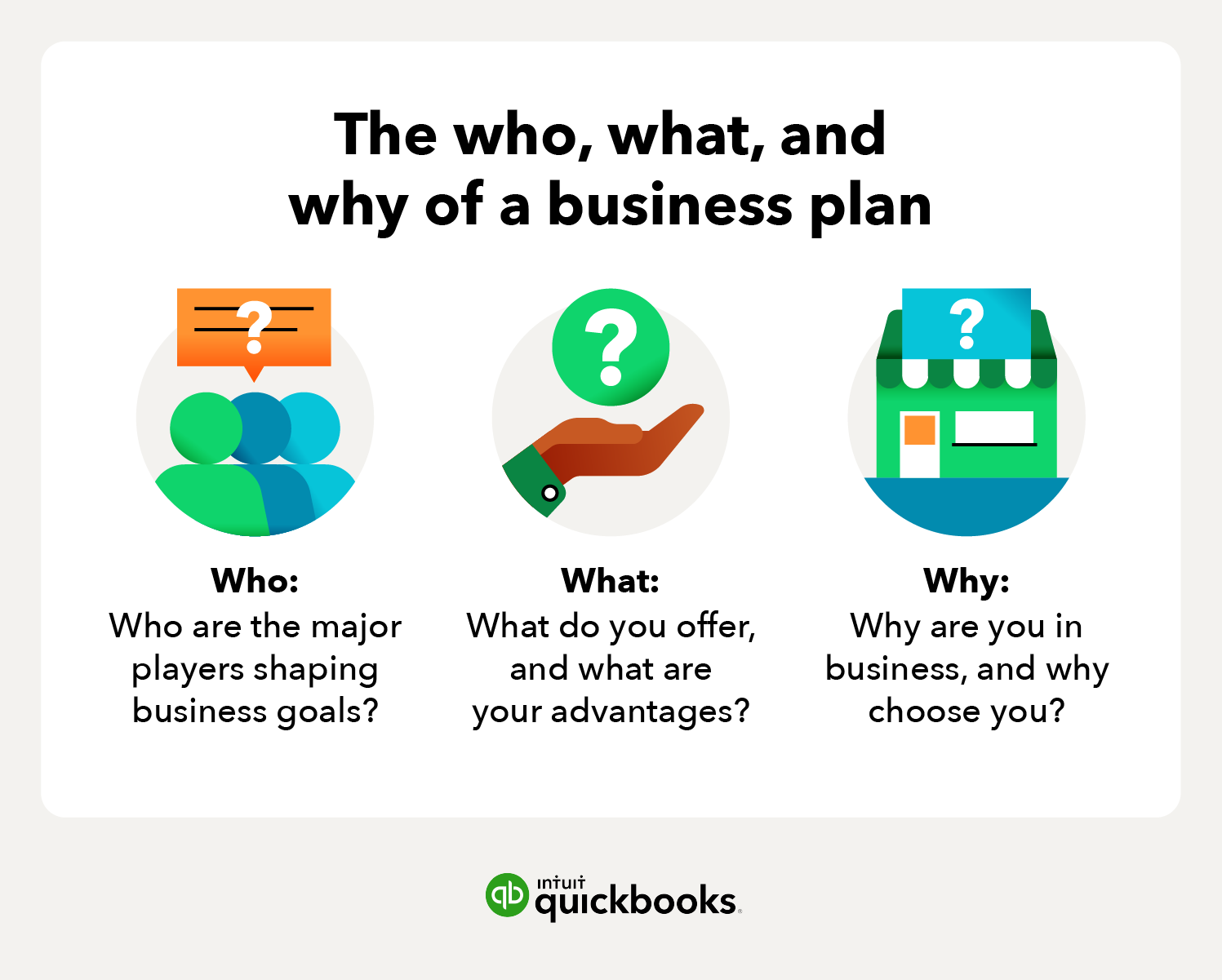
Understand Your Audience
Tailor your plan’s emphasis based on who will read it.
- For Banks (Debt Financing): Emphasize cash flow, collateral, and your ability to repay loans.
- For Investors (Equity Financing): Focus on scalability, market potential, profitability, and potential returns on their investment.
- For Internal Use: Prioritize operational details, budget allocation, and performance metrics.
While the core financial data remains consistent, the narrative and emphasis can be adjusted to resonate with specific financial stakeholders.
In conclusion, creating a business plan is an exercise in meticulous financial planning and strategic foresight. It’s a journey that transforms an idea into a quantifiable path to profitability, securing necessary capital, guiding resource allocation, and ultimately, ensuring the sustainable financial success of your venture. By diligently crafting each component, particularly the robust financial projections, you equip your business with the ultimate tool for navigating the complexities of the market and achieving its monetary ambitions.
aViewFromTheCave is a participant in the Amazon Services LLC Associates Program, an affiliate advertising program designed to provide a means for sites to earn advertising fees by advertising and linking to Amazon.com. Amazon, the Amazon logo, AmazonSupply, and the AmazonSupply logo are trademarks of Amazon.com, Inc. or its affiliates. As an Amazon Associate we earn affiliate commissions from qualifying purchases.