
In the current era of digital consumption, the “streaming wars” have led to an explosion of over-the-top (OTT) media services. While this abundance provides consumers with unprecedented access to diverse libraries of content, it has also introduced a significant technical challenge: subscription fatigue and the complex management of digital accounts. Paramount+, a major player in the streaming landscape, offers a robust catalog ranging from live sports to cinematic archives. However, there comes a time for many users when the utility of the service no longer matches its monthly cost, or they simply wish to rotate their digital subscriptions to maintain a streamlined tech stack.
Canceling a service like Paramount+ is not always as straightforward as clicking a single button. Because the service integrates with various mobile ecosystems, third-party billing partners, and hardware devices, the “how-to” varies significantly based on how you initially registered. Understanding the technical architecture of these subscriptions is essential for any modern tech user looking to maintain control over their digital footprint and financial software integrations.
Navigating the Direct Billing Architecture: Web and Desktop
For users who signed up directly through the Paramount+ website, the cancellation process is handled through the platform’s native administrative interface. This is often the most transparent method, as it removes third-party intermediaries and allows for direct communication with the service’s billing servers.
The Step-by-Step Web Protocol
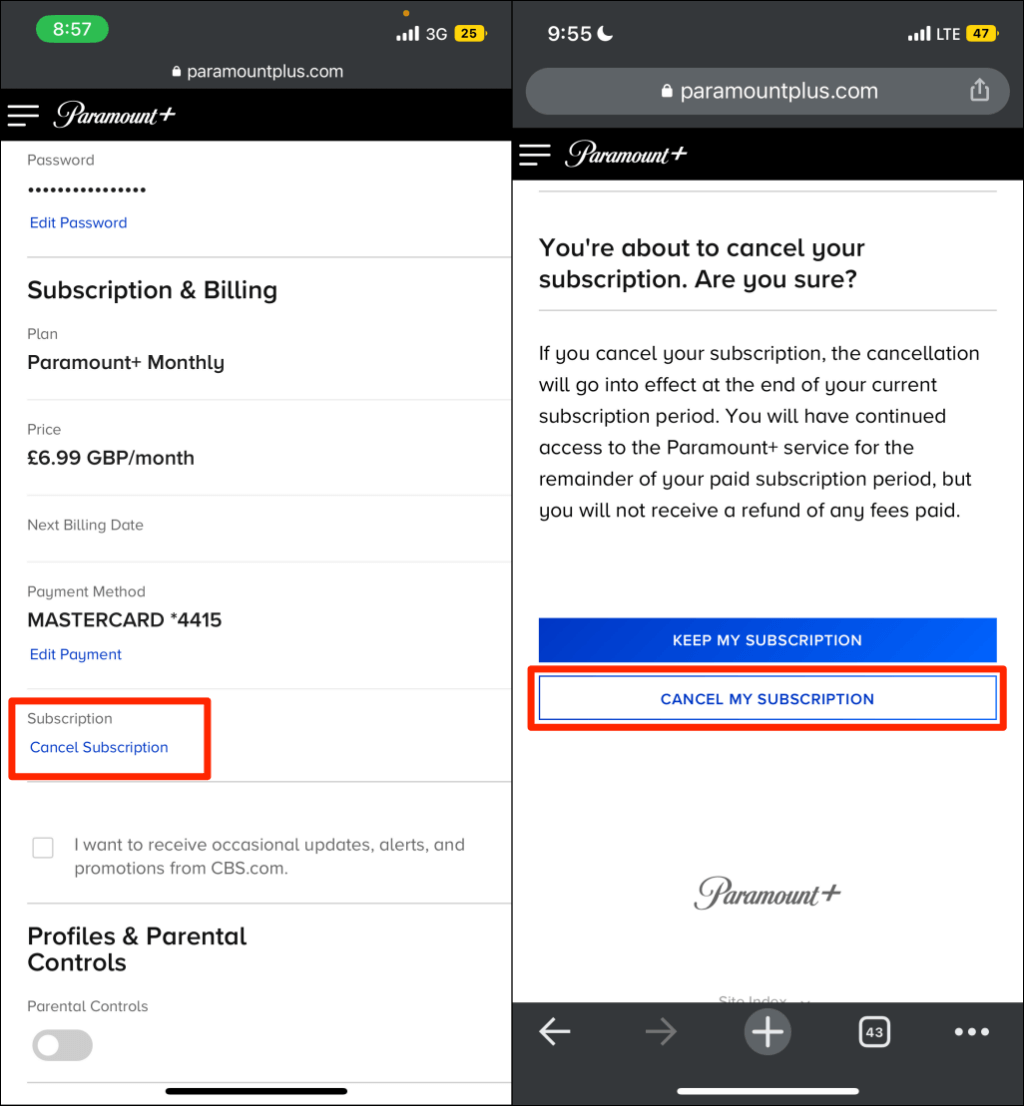
To initiate a cancellation via a desktop or mobile browser, you must first authenticate your session. Once logged in, navigating to the “Account” section is the primary objective. Within this dashboard, the system displays your plan details, payment method, and next billing date. The “Cancel Subscription” link is typically located in the Subscription & Billing subsection.
It is important to note that most modern SaaS (Software as a Service) platforms, including Paramount+, utilize “retention UI” patterns. During the cancellation flow, the system may offer technical incentives to stay, such as a discounted rate for the subsequent three months or a temporary “pause” of the service. From a technical standpoint, choosing to cancel will trigger a status update in their database from “Active” to “Pending Cancellation.” Your access will generally persist until the end of the current billing cycle, as the entitlement is pre-paid.
Confirming the Digital Handshake
After completing the on-screen prompts, the final step is ensuring you receive an automated confirmation email. This digital receipt serves as your proof of transaction in case of a billing discrepancy. If the email does not arrive within a few minutes, it is advisable to check the “Account” page again to ensure the “Resume Subscription” button is now visible—a key indicator that the cancellation request was successfully processed by the server.
Managing Subscriptions within Mobile Ecosystems (iOS and Android)
A significant portion of streaming users subscribe through “In-App Purchases” via the Apple App Store or Google Play Store. When you subscribe through these ecosystems, Paramount+ does not hold your billing information; instead, the transaction is managed by the operating system’s respective payment gateway. This architectural layer adds a level of security but also changes the workflow for cancellation.
The Apple Ecosystem (iOS, iPadOS, and macOS)
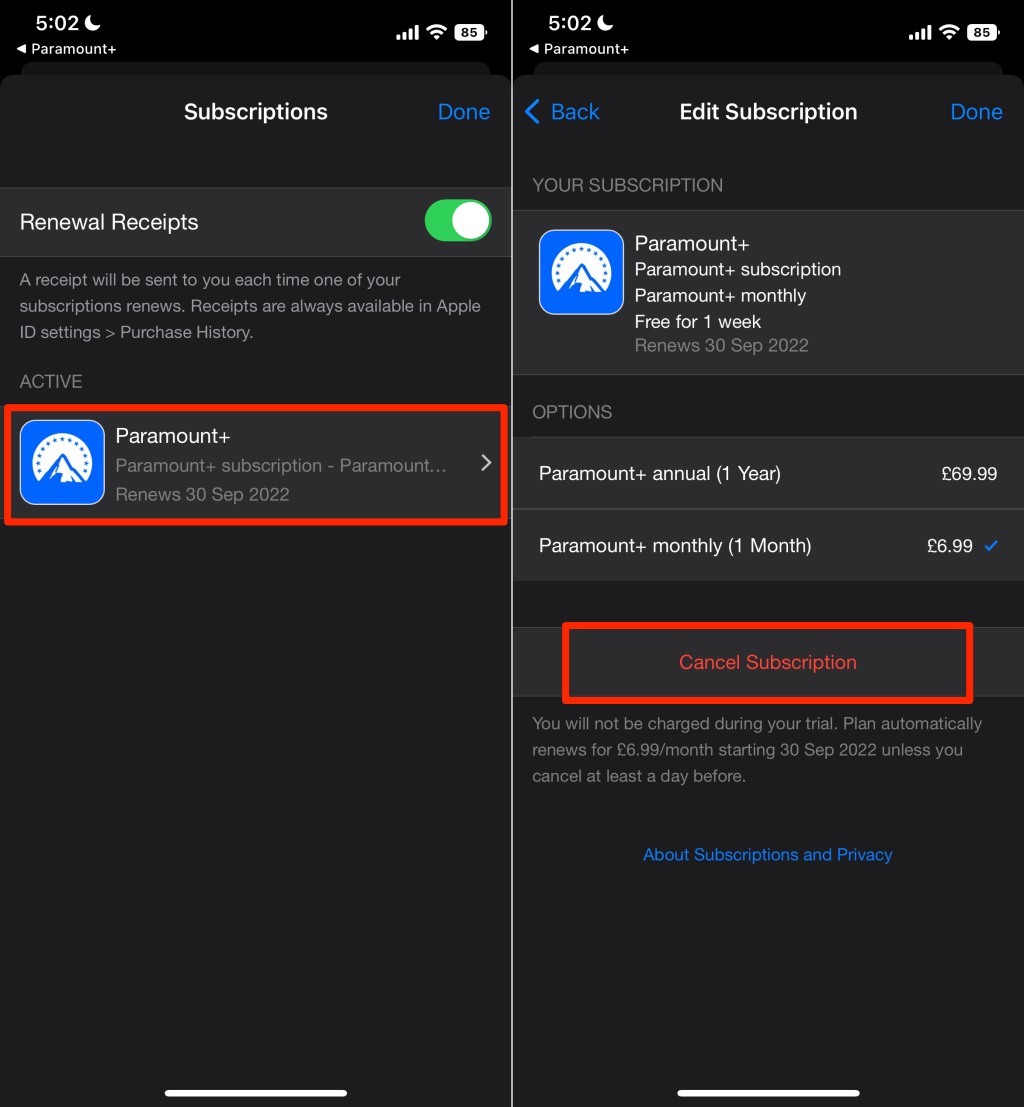
For those using iPhones or Apple TVs, the subscription is tied to your Apple ID. To cancel, you must access the “Subscriptions” menu within your Apple ID settings. Technically, this triggers a “cancel” command to Apple’s App Store Connect API, which then notifies Paramount+ that the subscription will not be renewed.
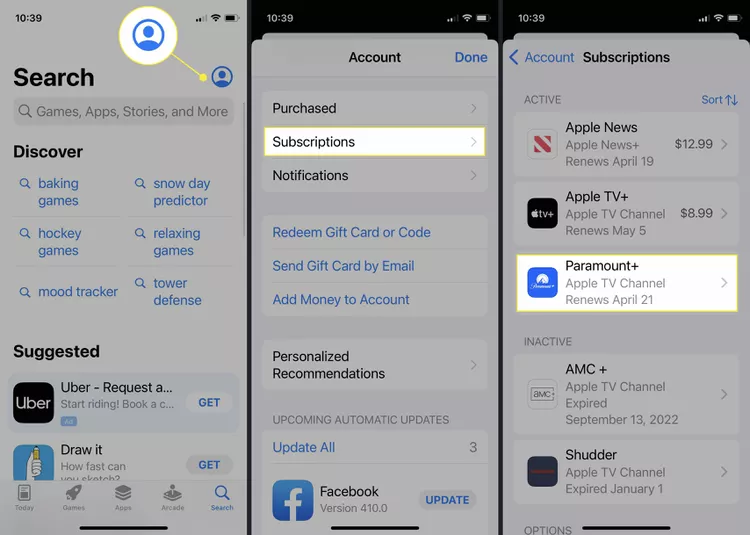
One advantage of this centralized management is that it allows users to see all their active digital services in one list. To cancel, you tap on your name at the top of the Settings app, navigate to Subscriptions, select Paramount+, and confirm the cancellation. The interface is standardized across all apps, which reduces the “dark patterns” often found in individual web-based cancellation flows.
The Android and Google Play Framework
Similarly, Android users manage their Paramount+ status through the Google Play Store. Within the Play Store app, the “Payments & Subscriptions” menu serves as the hub for all recurring digital transactions. When you hit “Cancel” here, Google’s billing API handles the termination of the recurring charge.
A critical technical detail for both iOS and Android users is that simply deleting the app from your device does not cancel the subscription. The app is merely the client-side interface; the subscription is a server-side entitlement managed by the store’s billing engine. Understanding this distinction is vital to avoiding unwanted charges.
Third-Party Aggregators: Amazon Prime, Roku, and Fire TV
The fragmentation of the streaming market has led to the rise of “channels” or aggregators. Many users subscribe to Paramount+ as an add-on to their Amazon Prime Video, Roku, or YouTube TV accounts. In these instances, the cancellation must happen through the aggregator’s platform, as they act as the Merchant of Record.
Amazon Prime Video Channels
If you added Paramount+ through Amazon, your billing is integrated into your Amazon account. To cancel, you must log in to the Amazon website, navigate to “Account & Lists,” and select “Memberships & Subscriptions.” From there, you enter the “Prime Video Channels” settings. This interface allows you to toggle the auto-renew status. This method is particularly efficient for users who prefer to have a single billing point for multiple streaming services, though it does require navigating Amazon’s extensive menu hierarchy.
The Roku Interface
Roku users often subscribe through the Roku Channel Store. Cancellation can be performed directly on the Roku device by highlighting the Paramount+ tile and pressing the asterisk (*) button to open the options menu. Alternatively, it can be managed through the web-based Roku account dashboard. From a technical perspective, Roku manages these entitlements through its own proprietary billing system, and the “unlinking” of the service happens instantly within their ecosystem.
Troubleshooting Friction Points and Digital Security
Even with a clear roadmap, technical hurdles can arise during the cancellation process. These issues often stem from data synchronization delays or account credential conflicts.
Ghost Subscriptions and Multiple Accounts
A common technical issue is the “ghost subscription,” where a user believes they have canceled but continues to see charges. This often occurs when a user has multiple email addresses and unknowingly created two accounts—one direct and one through a third-party like Apple. When auditing your digital spend, it is essential to match the billing descriptor on your bank statement with the specific platform (e.g., “APPL* APPLE.COM” vs “PARAMOUNT+ PLUS”).
Dealing with “Dark Patterns” and UX Friction
In the world of UI/UX design, “dark patterns” are interfaces designed to make it difficult for users to perform certain actions, such as canceling a service. You might encounter multiple confirmation screens, confusing wording (e.g., “Keep my benefits” vs. “Continue to cancel”), or hidden links. Recognizing these as intentional design choices helps you navigate them more effectively. Always look for the most neutral or least highlighted button if you are certain you want to terminate the service.
Data Privacy After Cancellation
Once a subscription is canceled, your account usually remains in a “Deactivated” or “Free” state. This means Paramount+ retains your viewing history and personal data in their database. For those interested in digital hygiene and data minimization, you may want to go a step further and request a full account deletion. This typically requires a separate request under privacy regulations like GDPR or CCPA, which forces the company to purge your PII (Personally Identifiable Information) from their active marketing servers.
Optimizing Your Digital Streaming Stack
Canceling Paramount+ is often part of a broader strategy of “subscription cycling.” Instead of maintaining ten active services simultaneously, savvy tech users often subscribe to one or two for a month, consume the desired content, and then rotate to another.
Leveraging Subscription Management Tools
For enthusiasts with complex digital lives, manual tracking can be cumbersome. Several fintech apps and browser extensions are designed to map your recurring digital transactions. These tools use API integrations with your bank or email to identify active subscriptions and can sometimes even automate the cancellation process by sending legal “stop payment” notices or navigating the cancellation webhooks on your behalf.
The Importance of the “Billing Cycle” Awareness
Technically, most digital services do not offer pro-rated refunds. If you cancel ten days into a thirty-day cycle, you have essentially wasted twenty days of “entitlement.” To optimize your tech budget, set a calendar reminder for 48 hours before the renewal date. This ensures you maximize the utility of the software while avoiding the automated renewal script that triggers at midnight on the anniversary of your sign-up.
By understanding the underlying technical structures of how Paramount+ interacts with various operating systems and billing partners, you can navigate the cancellation process with confidence. Whether you are streamlining your apps for better device performance or managing your digital finances, mastering the “exit flow” of your software subscriptions is a fundamental skill in the modern technology ecosystem.# How to Cancel Paramount+: A Comprehensive Guide to Managing Digital Subscriptions
In the current era of digital consumption, the “streaming wars” have led to an explosion of over-the-top (OTT) media services. While this abundance provides consumers with unprecedented access to diverse libraries of content, it has also introduced a significant technical challenge: subscription fatigue and the complex management of digital accounts. Paramount+, a major player in the streaming landscape, offers a robust catalog ranging from live sports to cinematic archives. However, there comes a time for many users when the utility of the service no longer matches its monthly cost, or they simply wish to rotate their digital subscriptions to maintain a streamlined tech stack.
Canceling a service like Paramount+ is not always as straightforward as clicking a single button. Because the service integrates with various mobile ecosystems, third-party billing partners, and hardware devices, the “how-to” varies significantly based on how you initially registered. Understanding the technical architecture of these subscriptions is essential for any modern tech user looking to maintain control over their digital footprint and financial software integrations.
Navigating the Direct Billing Architecture: Web and Desktop
For users who signed up directly through the Paramount+ website, the cancellation process is handled through the platform’s native administrative interface. This is often the most transparent method, as it removes third-party intermediaries and allows for direct communication with the service’s billing servers.
The Step-by-Step Web Protocol
To initiate a cancellation via a desktop or mobile browser, you must first authenticate your session. Once logged in, navigating to the “Account” section is the primary objective. Within this dashboard, the system displays your plan details, payment method, and next billing date. The “Cancel Subscription” link is typically located in the Subscription & Billing subsection.
It is important to note that most modern SaaS (Software as a Service) platforms, including Paramount+, utilize “retention UI” patterns. During the cancellation flow, the system may offer technical incentives to stay, such as a discounted rate for the subsequent three months or a temporary “pause” of the service. From a technical standpoint, choosing to cancel will trigger a status update in their database from “Active” to “Pending Cancellation.” Your access will generally persist until the end of the current billing cycle, as the entitlement is pre-paid.
Confirming the Digital Handshake
After completing the on-screen prompts, the final step is ensuring you receive an automated confirmation email. This digital receipt serves as your proof of transaction in case of a billing discrepancy. If the email does not arrive within a few minutes, it is advisable to check the “Account” page again to ensure the “Resume Subscription” button is now visible—a key indicator that the cancellation request was successfully processed by the server.
Managing Subscriptions within Mobile Ecosystems (iOS and Android)
A significant portion of streaming users subscribe through “In-App Purchases” via the Apple App Store or Google Play Store. When you subscribe through these ecosystems, Paramount+ does not hold your billing information; instead, the transaction is managed by the operating system’s respective payment gateway. This architectural layer adds a level of security but also changes the workflow for cancellation.
The Apple Ecosystem (iOS, iPadOS, and macOS)
For those using iPhones or Apple TVs, the subscription is tied to your Apple ID. To cancel, you must access the “Subscriptions” menu within your Apple ID settings. Technically, this triggers a “cancel” command to Apple’s App Store Connect API, which then notifies Paramount+ that the subscription will not be renewed.
One advantage of this centralized management is that it allows users to see all their active digital services in one list. To cancel, you tap on your name at the top of the Settings app, navigate to Subscriptions, select Paramount+, and confirm the cancellation. The interface is standardized across all apps, which reduces the “dark patterns” often found in individual web-based cancellation flows.
The Android and Google Play Framework
Similarly, Android users manage their Paramount+ status through the Google Play Store. Within the Play Store app, the “Payments & Subscriptions” menu serves as the hub for all recurring digital transactions. When you hit “Cancel” here, Google’s billing API handles the termination of the recurring charge.
A critical technical detail for both iOS and Android users is that simply deleting the app from your device does not cancel the subscription. The app is merely the client-side interface; the subscription is a server-side entitlement managed by the store’s billing engine. Understanding this distinction is vital to avoiding unwanted charges.
Third-Party Aggregators: Amazon Prime, Roku, and Fire TV
The fragmentation of the streaming market has led to the rise of “channels” or aggregators. Many users subscribe to Paramount+ as an add-on to their Amazon Prime Video, Roku, or YouTube TV accounts. In these instances, the cancellation must happen through the aggregator’s platform, as they act as the Merchant of Record.
Amazon Prime Video Channels
If you added Paramount+ through Amazon, your billing is integrated into your Amazon account. To cancel, you must log in to the Amazon website, navigate to “Account & Lists,” and select “Memberships & Subscriptions.” From there, you enter the “Prime Video Channels” settings. This interface allows you to toggle the auto-renew status. This method is particularly efficient for users who prefer to have a single billing point for multiple streaming services, though it does require navigating Amazon’s extensive menu hierarchy.
The Roku Interface
Roku users often subscribe through the Roku Channel Store. Cancellation can be performed directly on the Roku device by highlighting the Paramount+ tile and pressing the asterisk (*) button to open the options menu. Alternatively, it can be managed through the web-based Roku account dashboard. From a technical perspective, Roku manages these entitlements through its own proprietary billing system, and the “unlinking” of the service happens instantly within their ecosystem.
Troubleshooting Friction Points and Digital Security
Even with a clear roadmap, technical hurdles can arise during the cancellation process. These issues often stem from data synchronization delays or account credential conflicts.
Ghost Subscriptions and Multiple Accounts
A common technical issue is the “ghost subscription,” where a user believes they have canceled but continues to see charges. This often occurs when a user has multiple email addresses and unknowingly created two accounts—one direct and one through a third-party like Apple. When auditing your digital spend, it is essential to match the billing descriptor on your bank statement with the specific platform (e.g., “APPL* APPLE.COM” vs “PARAMOUNT+ PLUS”).
Dealing with “Dark Patterns” and UX Friction
In the world of UI/UX design, “dark patterns” are interfaces designed to make it difficult for users to perform certain actions, such as canceling a service. You might encounter multiple confirmation screens, confusing wording (e.g., “Keep my benefits” vs. “Continue to cancel”), or hidden links. Recognizing these as intentional design choices helps you navigate them more effectively. Always look for the most neutral or least highlighted button if you are certain you want to terminate the service.
Data Privacy After Cancellation
Once a subscription is canceled, your account usually remains in a “Deactivated” or “Free” state. This means Paramount+ retains your viewing history and personal data in their database. For those interested in digital hygiene and data minimization, you may want to go a step further and request a full account deletion. This typically requires a separate request under privacy regulations like GDPR or CCPA, which forces the company to purge your PII (Personally Identifiable Information) from their active marketing servers.
Optimizing Your Digital Streaming Stack
Canceling Paramount+ is often part of a broader strategy of “subscription cycling.” Instead of maintaining ten active services simultaneously, savvy tech users often subscribe to one or two for a month, consume the desired content, and then rotate to another.
Leveraging Subscription Management Tools
For enthusiasts with complex digital lives, manual tracking can be cumbersome. Several fintech apps and browser extensions are designed to map your recurring digital transactions. These tools use API integrations with your bank or email to identify active subscriptions and can sometimes even automate the cancellation process by sending legal “stop payment” notices or navigating the cancellation webhooks on your behalf.
The Importance of the “Billing Cycle” Awareness
Technically, most digital services do not offer pro-rated refunds. If you cancel ten days into a thirty-day cycle, you have essentially wasted twenty days of “entitlement.” To optimize your tech budget, set a calendar reminder for 48 hours before the renewal date. This ensures you maximize the utility of the software while avoiding the automated renewal script that triggers at midnight on the anniversary of your sign-up.
By understanding the underlying technical structures of how Paramount+ interacts with various operating systems and billing partners, you can navigate the cancellation process with confidence. Whether you are streamlining your apps for better device performance or managing your digital finances, mastering the “exit flow” of your software subscriptions is a fundamental skill in the modern technology ecosystem.
aViewFromTheCave is a participant in the Amazon Services LLC Associates Program, an affiliate advertising program designed to provide a means for sites to earn advertising fees by advertising and linking to Amazon.com. Amazon, the Amazon logo, AmazonSupply, and the AmazonSupply logo are trademarks of Amazon.com, Inc. or its affiliates. As an Amazon Associate we earn affiliate commissions from qualifying purchases.