
Canceling a credit card, particularly from a major issuer like Capital One, is a financial decision that requires careful consideration and a structured approach. While it might seem straightforward, failing to follow the correct procedures can lead to lingering balances, unexpected fees, or even adverse impacts on your credit score. This guide delves into the strategic financial steps required to ensure a smooth and financially sound cancellation process, providing insight into managing your personal finance journey effectively.
Preparing for Credit Card Cancellation: A Financial Checklist
Before you initiate the cancellation process, it’s crucial to conduct a thorough financial review. This preparation phase is vital for mitigating potential negative consequences and ensuring you don’t overlook any valuable assets or obligations associated with your Capital One card.
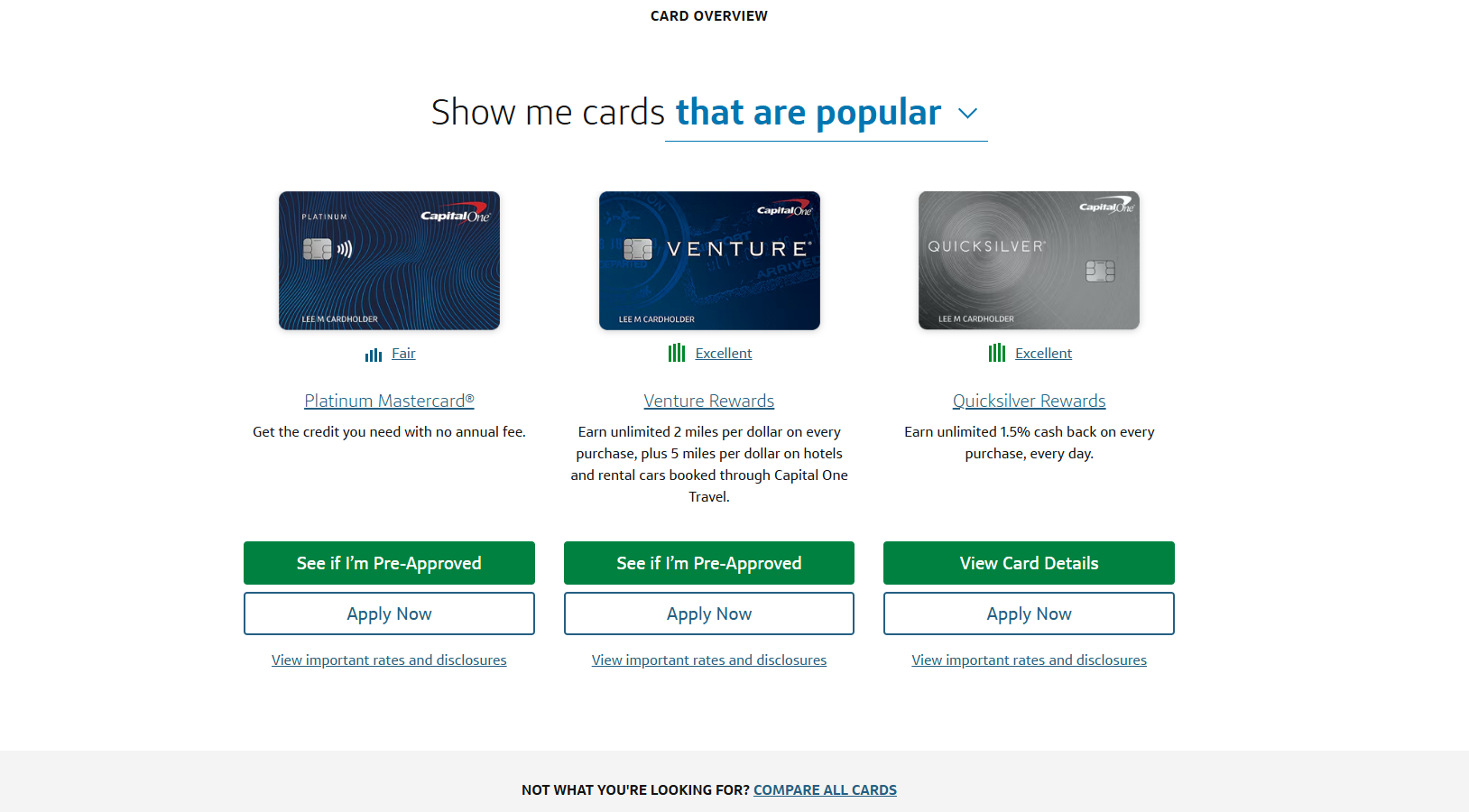
Assess Your Debt and Balance
The most critical first step is to ensure that your credit card balance is fully paid off. Capital One, like most issuers, will not allow you to officially close an account that carries an outstanding balance.
-
Zero Out Your Balance: Make a final payment that covers every penny of your outstanding debt, including any accrued interest or pending charges. Double-check your recent statements for any transactions that might still be processing.
-
Avoid New Charges: Once you’ve decided to cancel, stop using the card immediately to prevent new transactions from appearing and complicating the final balance settlement.
-
Consider a Balance Transfer (with caution): If paying off the balance entirely is not immediately feasible, you might consider transferring the debt to another card with a lower interest rate. However, this strategy should be approached with extreme caution, as it merely shifts the debt rather than eliminating it and often comes with transfer fees. Ensure you have a solid plan to pay off the transferred balance quickly.
Understand the Impact on Your Credit Score
Canceling a credit card can have nuanced effects on your credit score, primarily due to two key factors:
-
Credit Utilization Ratio: This ratio represents the amount of credit you’re using compared to your total available credit. Closing a card reduces your total available credit, which can cause your utilization ratio to increase if you carry balances on other cards. A higher utilization ratio generally lowers your credit score. Aim to keep your overall credit utilization below 30%—ideally below 10%—to maintain a healthy score.
-
Average Age of Accounts: The length of your credit history contributes to your credit score. Closing an old account, especially your oldest one, can reduce the average age of your accounts over time, potentially impacting your score negatively. If the card you’re canceling is relatively new or one of several long-standing accounts, the impact might be minimal. However, closing your oldest account should be a carefully weighed decision.
Redirect Recurring Payments
Many individuals use credit cards for automatic bill payments, subscriptions, and other recurring charges. Before canceling your Capital One card, make an exhaustive list of all such automated payments.
-
Update Payment Information: Contact each service provider (e.g., utility companies, streaming services, gym memberships, insurance providers) and update your payment method to another credit card or bank account.
-
Verify Changes: After updating, monitor your new payment method to ensure the charges are correctly redirected and no payments are missed. Missing payments can lead to late fees and damage your credit score.
Redeem Rewards
If your Capital One card offers rewards points, miles, or cash back, ensure you redeem them before closing the account. Most credit card issuers revoke any accumulated, unredeemed rewards once an account is closed.
-
Check Your Rewards Balance: Log into your Capital One account online or through their app to see your current rewards balance.
-
Redeem Strategically: Choose your redemption option (e.g., statement credit, gift cards, travel, merchandise) before initiating the cancellation call. Don’t leave free money on the table.
Review Alternative Solutions
Cancellation is a definitive step, but it might not always be the optimal financial solution. Consider alternatives that could address your concerns without entirely severing ties with Capital One.
-
Product Change/Downgrade: If you’re looking to avoid an annual fee or want different benefits, Capital One might allow you to switch to a different card product within their portfolio. This is often called a “product change” or “downgrade” and can help you retain your credit history with Capital One without incurring unwanted fees or losing credit line age.
-
Temporary Freeze: If your concern is about security or overspending, but you want to keep the account active for credit history purposes, consider freezing the card temporarily. This can often be done through the Capital One mobile app.
Step-by-Step Guide to Canceling Your Capital One Credit Card
Once your financial preparation is complete, you can proceed with the actual cancellation. Capital One prefers a direct interaction to ensure all aspects are handled correctly.
Contact Capital One Directly
The most effective and secure way to cancel your Capital One credit card is by calling their customer service line. Avoid merely cutting up the card or stopping payments, as this does not close the account and can lead to significant financial repercussions.
-
Locate the Customer Service Number: This is typically found on the back of your credit card, on your monthly statement, or on the official Capital One website.
-
Best Time to Call: Call during off-peak hours (e.g., early morning or late evening) to minimize wait times.
-
Be Prepared for Retention Offers: Customer service representatives are often trained to offer incentives (e.g., bonus points, statement credits, temporary fee waivers) to convince you to keep your account open. Be firm in your decision if you genuinely intend to cancel, but also be open to evaluating an offer if it genuinely addresses your concerns and makes financial sense.
Be Prepared with Your Account Information
When you call, you’ll need to verify your identity. Have the following information readily available:
-
Your Capital One credit card number.
-
Your full name and address.
-
Your Social Security number (last four digits usually suffice).
-
Your date of birth.
-
Security questions you may have set up.
State Your Intention Clearly
Clearly inform the customer service representative that you wish to close your credit card account. Use definitive language.
-
Confirm Zero Balance: Reiterate that you have paid off the entire balance and have no pending charges.
-
Address Reasons (Optional): While you don’t have to provide an extensive explanation, briefly stating your reason for cancellation (e.g., “I no longer need this card,” “I’m consolidating my finances”) can streamline the process.
Handle Any Remaining Balance
Even after paying off your card, there might be a small amount of residual interest that accrues between your last payment and the official closure date.
-
Ask for Final Balance Confirmation: Request the exact final payoff amount, including any last-minute interest or fees.
-
Make Final Payment: If there’s a small residual balance, be prepared to make an immediate payment to completely zero out the account. Confirm that this payment will clear the account fully.
Request a Confirmation
This is a critical step for your financial records.
-
Ask for Written Confirmation: Request an email or letter confirming that your account has been closed and that the balance is zero. This document serves as proof of cancellation should any discrepancies arise later.
-
Note Down Details: Record the date and time of your call, the name of the representative you spoke with, and a reference number for the cancellation request, if provided.
Post-Cancellation Financial Management
Your work isn’t done immediately after hanging up the phone. A few follow-up steps are essential to ensure the cancellation is accurately reflected and to maintain your financial health.
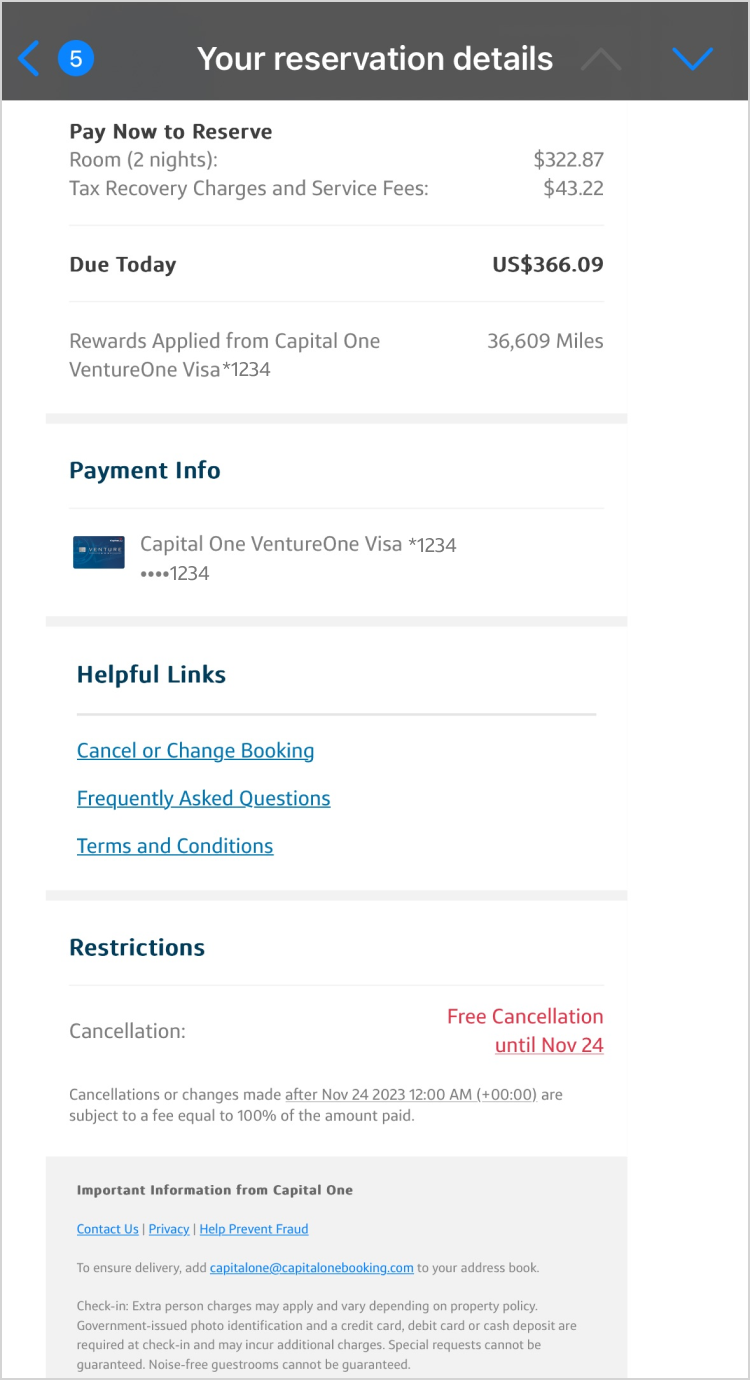
Verify Account Closure
-
Check Future Statements: Even though you’ve canceled, Capital One might send one final statement. Ensure it shows a zero balance and clearly indicates the account is closed.
-
Monitor Your Credit Report: Within 30 to 60 days, check your credit reports from all three major bureaus (Equifax, Experian, and TransUnion) to confirm that the Capital One account is listed as “closed by grantor” or “closed by consumer” with a zero balance. You are entitled to a free credit report from each bureau annually at AnnualCreditReport.com. Any inaccuracies should be disputed immediately.
Securely Dispose of the Card
Once the account is officially closed and you have confirmation, physically destroy the card.
-
Shredding: Use a cross-cut shredder for maximum security.
-
Cutting: Cut through the magnetic stripe, chip, and account number in multiple places if a shredder isn’t available.
Monitor Your Credit Report
Continue to regularly monitor your credit reports for any unexpected activity or errors related to the closed account. This vigilance is a cornerstone of sound personal financial management. Look for signs of identity theft or charges that should not be there.
Re-evaluate Your Financial Habits
The act of canceling a credit card can be a catalyst for a broader financial review.
-
Budgeting: Revisit your budget to account for the absence of this card, especially if it was a primary spending tool.
-
Spending Habits: Reflect on why you chose to cancel the card. Was it due to excessive spending, high fees, or simply wanting to simplify? Use this opportunity to reinforce positive financial habits and avoid repeating past mistakes with other financial products.
-
Credit Card Strategy: Consider your overall credit card portfolio. Do you have the right mix of cards for your spending habits, rewards goals, and credit-building objectives?
Strategic Considerations Before Closing a Credit Card
Beyond the procedural steps, understanding the strategic financial implications of canceling a credit card is crucial for long-term financial well-being.
The “Why” Behind the Cancellation
Your motivation for canceling should align with your broader financial goals.
-
Debt Elimination: If canceling helps you break a cycle of debt, it’s often a financially sound move.
-
Annual Fees: If the card carries an annual fee and you’re not utilizing the benefits enough to justify it, cancellation or a product change makes sense.
-
Unused Card: If the card sits unused and contributes to unnecessary complexity without significant credit history benefit, closing it can simplify your finances.
-
Simplifying Finances: Reducing the number of open credit lines can make managing your budget and tracking spending easier.
Long-Term Credit Health
While immediate impacts on your credit score can occur, the long-term health of your credit profile is paramount.
-
Maintaining a Healthy Mix: A diverse credit mix (e.g., installment loans like mortgages/auto loans, and revolving credit like credit cards) is beneficial. If closing a card significantly reduces your revolving credit options, consider opening another, less costly, card later if needed.
-
Average Age of Accounts: Be particularly mindful if the Capital One card is one of your oldest accounts. Its closure will eventually reduce the average age of your active accounts, which could slightly depress your score over time. If you have several older accounts, the impact might be negligible.
The Opportunity Cost of Cancellation
Every financial decision has an opportunity cost.
-
Losing Benefits: Are you giving up valuable rewards, extended warranty protections, travel insurance, or other perks that you genuinely use and benefit from?
-
Credit Line Access: Having available credit, even if unused, provides financial flexibility in emergencies. Closing a card reduces this safety net.
When to Consider a Downgrade or Product Change Instead
As mentioned earlier, a product change or downgrade can be an excellent alternative if your primary concern is an annual fee or a desire for different features.
-
Retain Credit History: By changing products with the same issuer, you typically retain the credit history of the original account, preserving the age of the account and its positive impact on your credit score.
-
Lower Fees/Better Rewards: You might be able to switch to a no-annual-fee version of your card or a card with different rewards categories that better suit your current spending. This conversation can often be had with Capital One’s customer service team.
Common Pitfalls and Best Practices
Avoiding common mistakes can save you time, money, and potential credit score damage.
Not Redeeming Rewards
A frequently overlooked step, failing to cash in rewards means leaving money on the table. Always check and redeem.
Overlooking Recurring Charges
The risk of missed payments and late fees from forgotten subscriptions is real. A meticulous review of your bank statements for the past 6-12 months can help identify all recurring charges linked to the card.
Ignoring Credit Score Implications
Making an uninformed decision about closing an old or high-limit card can have lasting negative effects. Understand your credit utilization and average account age before proceeding.
Failing to Get Written Confirmation
Verbal confirmation is a good start, but written proof of account closure and a zero balance is your strongest defense against future disputes or erroneous collections. Always request and retain this documentation.
By approaching the cancellation of your Capital One credit card with financial prudence and a strategic mindset, you can navigate the process smoothly, protect your credit health, and align this action with your broader personal finance objectives.
aViewFromTheCave is a participant in the Amazon Services LLC Associates Program, an affiliate advertising program designed to provide a means for sites to earn advertising fees by advertising and linking to Amazon.com. Amazon, the Amazon logo, AmazonSupply, and the AmazonSupply logo are trademarks of Amazon.com, Inc. or its affiliates. As an Amazon Associate we earn affiliate commissions from qualifying purchases.