
In an increasingly data-driven world, the quest for optimal health and fitness has become intimately intertwined with technological innovation. Gone are the days of cumbersome manual calculations and guesswork; today, understanding and managing our calorie intake is more precise, personalized, and accessible than ever, thanks to an array of sophisticated digital tools and platforms. For anyone wondering “how do I calculate my calorie intake,” the answer lies predominantly in harnessing the power of technology – from intuitive smartphone applications and wearable devices to advanced AI-driven analytics. This article delves into the technological landscape that empowers individuals to accurately track, analyze, and optimize their nutritional consumption, transforming a once daunting task into an integrated aspect of modern wellness.
The Digital Transformation of Dietary Tracking
The evolution of dietary tracking mirrors the broader digital revolution, shifting from pen-and-paper food diaries to integrated software solutions. This paradigm shift has not only simplified the process but also enhanced the accuracy and granularity of nutritional data, providing users with actionable insights previously unattainable.
Moving Beyond Manual Calculations: The Rise of Nutrition Apps
Before the advent of widespread digital technology, calculating calorie intake was a laborious process involving food composition tables, portion size estimations, and basic arithmetic. While effective to a degree, this method was prone to human error, time-consuming, and lacked the dynamic feedback necessary for real-time adjustments. The emergence of nutrition tracking applications for smartphones marked a pivotal moment. These apps, acting as digital nutritionists in your pocket, streamlined the entire process. They feature vast databases of food items, complete with their macronutrient and micronutrient profiles, allowing users to simply search, select, and log their meals with a few taps. Beyond mere logging, these applications instantly calculate daily totals, compare them against predefined goals, and often provide visual summaries of dietary patterns. This instant feedback loop is crucial for behavioral change and informed decision-making, offering insights into one’s eating habits that manual methods could never efficiently deliver.
The Core Principles of Calorie Calculation: A Digital Perspective
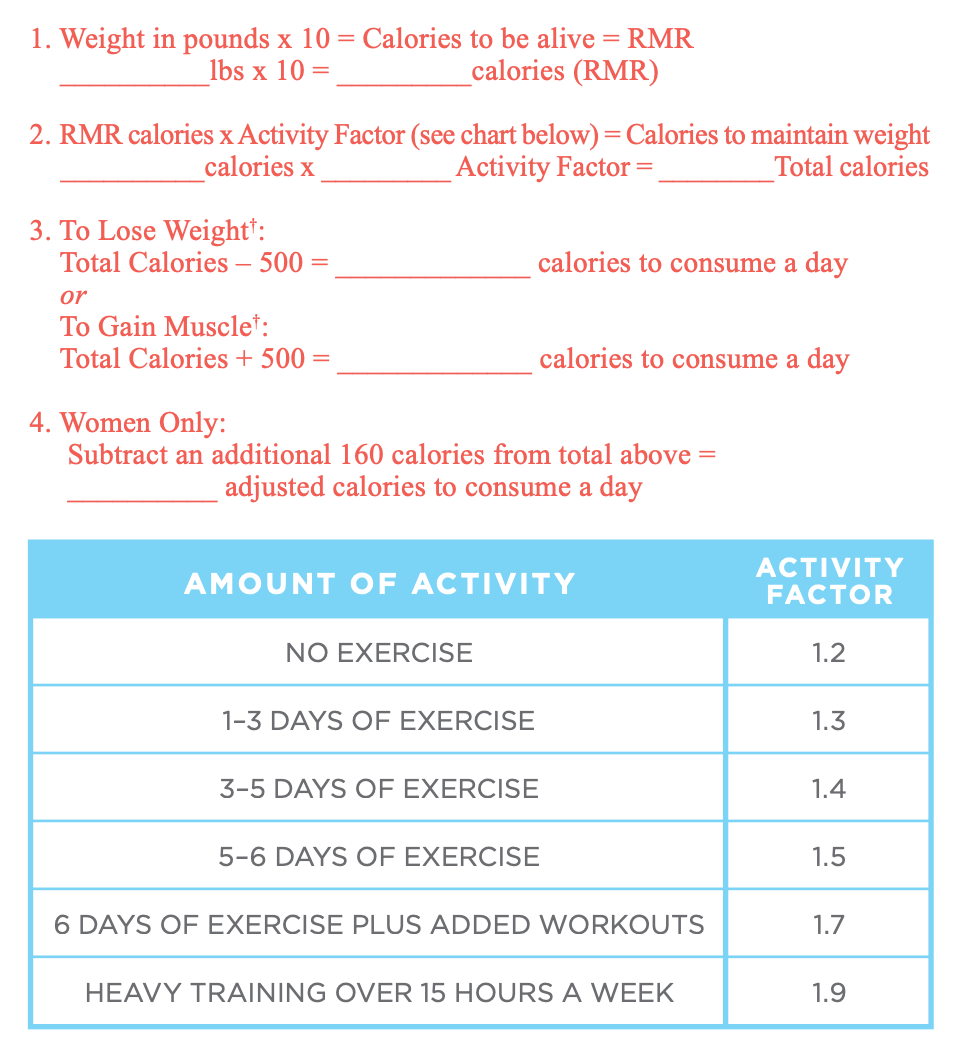
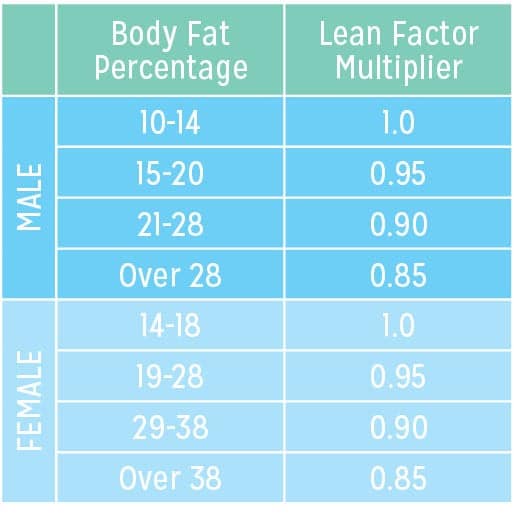
At the heart of any effective calorie tracking technology lies a foundational understanding of energy balance. Calories represent units of energy, and calorie intake refers to the energy consumed through food and beverages. Calculating an individual’s ideal calorie intake typically begins with determining their Basal Metabolic Rate (BMR) – the energy expended at rest to maintain vital bodily functions. Digital tools automate this by prompting users for personal data such as age, gender, height, and weight, then applying established scientific formulas like the Mifflin-St Jeor equation or the Harris-Benedict equation.
Beyond BMR, total daily energy expenditure (TDEE) accounts for physical activity. Tech platforms integrate this by allowing users to select their activity levels (sedentary, lightly active, moderately active, very active, extra active) or, more advanced systems, by directly syncing with wearable devices to gather real-time activity data. Once TDEE is estimated, the desired calorie intake is derived based on the user’s goal: a caloric deficit for weight loss, maintenance for stability, or a surplus for weight gain/muscle building. Digital interfaces simplify these complex calculations, presenting users with a clear, personalized calorie target, allowing them to focus on the input rather than the intricate formulas.
Essential Tech Tools for Calorie Tracking
The digital ecosystem for calorie management is rich and diverse, offering tools tailored to various needs and levels of engagement. From omnipresent smartphone apps to specialized kitchen gadgets, technology offers multiple entry points for precise dietary oversight.
Smartphone Apps: Your Pocket Nutritionist
Smartphone applications remain the cornerstone of digital calorie tracking. Platforms like MyFitnessPal, Cronometer, LoseIt!, and FoodNoms have revolutionized how individuals monitor their food intake. These apps typically feature:
- Extensive Food Databases: Millions of food items, often including restaurant meals, specific brands, and user-generated entries, complete with nutritional breakdowns.
- Barcode Scanners: Simplifying the logging of packaged foods by instantly retrieving nutritional information from a product’s barcode.
- Recipe Builders: Allowing users to input ingredients for homemade meals and automatically calculate per-serving nutritional values.
- Goal Setting and Progress Tracking: Visual dashboards that display daily calorie and macronutrient totals against set goals, often with graphs and charts illustrating progress over time.
- Community Features: Some apps offer social elements, enabling users to share progress, challenges, and tips, fostering a supportive environment.
- Customization: Options to set custom macro targets (protein, fat, carbohydrates) beyond just calories, catering to specific dietary approaches like keto, paleo, or high-protein diets.
These apps act as a comprehensive digital logbook and analytical engine, making daily nutritional accounting efficient and insightful.
Wearable Technology Integration: Activity Meets Intake
The synergy between calorie intake tracking and wearable technology has brought a new dimension to precision nutrition. Smartwatches (e.g., Apple Watch, Garmin, Fitbit) and dedicated fitness trackers continuously monitor physical activity, heart rate, sleep patterns, and in some cases, even stress levels. When integrated with nutrition apps, these devices provide a holistic view of energy balance.
- Real-time Energy Expenditure: Wearables estimate calories burned throughout the day, automatically adjusting the user’s net calorie budget within the connected nutrition app. This dynamic adjustment is crucial, as activity levels can fluctuate daily.
- Automated Data Sync: Eliminating manual input for activity, these devices seamlessly feed data into the chosen nutrition platform, offering a more accurate TDEE.
- Holistic Health Insights: Beyond calories, the combined data from intake and activity allows for more comprehensive analysis of overall health, identifying patterns between diet, exercise, and well-being.
This integration paints a fuller picture of an individual’s energy economy, moving beyond static calculations to a dynamic, responsive tracking system.
Smart Kitchen Gadgets: Precision from Pantry to Plate
For those seeking even greater accuracy, smart kitchen gadgets offer tangible technological assistance.
- Smart Food Scales: These scales go beyond simply measuring weight. Connected via Bluetooth to smartphone apps, they can instantly identify the nutritional content of food placed upon them by integrating with extensive databases. Some can even calculate macros for custom mixtures or track ingredients as they are added to a recipe.
- Food Scanners/Analyzers: Emerging technologies include handheld devices or smartphone attachments that use spectroscopic analysis to estimate the nutritional content of food items, including fresh produce, by scanning their molecular composition. While still evolving, these tools promise unparalleled precision in food data acquisition.
- Smart Blenders/Food Processors: Some advanced kitchen appliances come with integrated scales and connect to apps, offering precise measurement for recipes and automatically calculating nutritional breakdowns of smoothies or meals prepared.
These gadgets bridge the gap between physical food and digital data, reducing estimation and enhancing the reliability of logged calorie intake.
The Role of Artificial Intelligence and Data Science in Personalized Nutrition
The next frontier in calorie management technology involves leveraging artificial intelligence (AI) and data science to move beyond simple tracking to sophisticated prediction, personalization, and recommendation.
AI-Powered Meal Planning and Recommendation Engines
AI algorithms analyze a user’s logged food data, activity levels, goals, dietary preferences, allergies, and even historical responses to certain foods. Based on this vast dataset, AI-powered systems can:
- Generate Personalized Meal Plans: Suggesting specific meals and recipes that fit calorie targets, macro ratios, and dietary restrictions, optimizing for nutrient density and user enjoyment.
- Predict Satiety and Cravings: Learning individual patterns, AI can anticipate times of hunger or cravings and suggest appropriate snacks or meal adjustments to prevent overeating.
- Optimize Nutrient Timing: Recommending when to consume certain macronutrients based on activity levels and physiological needs, particularly relevant for athletes.
These engines move beyond passive tracking, offering proactive guidance and automating the decision-making process for healthier eating.
Predictive Analytics for Calorie Needs and Energy Expenditure
Advanced data science models are being developed to predict an individual’s future calorie needs and energy expenditure with greater accuracy. By analyzing long-term data trends (e.g., how metabolism changes with age, season, or stress levels), AI can refine calorie targets more dynamically than static formulas.
- Adaptive Calorie Goals: Instead of fixed daily targets, AI can suggest ranges or adjustments based on predicted activity levels, sleep quality, and even environmental factors.
- Long-Term Outcome Prediction: Predictive models can forecast weight loss or gain trajectories based on current intake and activity, offering a realistic outlook and motivating users.
This allows for a more fluid and responsive approach to calorie management, reflecting the dynamic nature of human physiology.
Machine Learning for Dietary Pattern Recognition
Machine learning algorithms excel at identifying subtle patterns in large datasets that human observers might miss. In the context of calorie intake, this means:
- Identifying Habits and Triggers: Recognizing recurring unhealthy eating patterns (e.g., late-night snacking, overeating specific types of foods) or environmental triggers for these behaviors.
- Nutrient Deficit Identification: Pinpointing potential micronutrient deficiencies based on logged food choices over time, and suggesting food sources or supplements to address them.
- Behavioral Nudging: Using learned patterns to send timely reminders or motivational messages to reinforce positive eating habits.
This analytical capability provides deep insights into an individual’s relationship with food, facilitating more targeted interventions and sustainable changes.
Ensuring Accuracy and Data Security in Digital Calorie Tracking
While technology offers unprecedented accuracy, the reliability of calorie intake calculations still hinges on user engagement and the integrity of the data. Furthermore, with personal health data at stake, security and privacy are paramount.
Best Practices for Inputting Data
The old adage “garbage in, garbage out” holds true for digital calorie tracking. To maximize accuracy:
- Be Diligent and Consistent: Log every food item and drink, even small snacks or condiments. Consistency builds a reliable dataset.
- Use Exact Measurements: Whenever possible, use a food scale to weigh portions rather than relying on visual estimations or generic serving sizes.
- Be Specific with Food Entries: Choose the most accurate entry from the database (e.g., “grilled chicken breast, skinless” vs. “chicken”). For homemade meals, use the recipe builder feature to account for all ingredients.
- Update Personal Information: Regularly update your weight, activity levels, and goals within the app to ensure BMR and TDEE calculations remain current.
- Review and Adjust: Periodically review your logged data for discrepancies and adjust entries as needed.
Understanding Data Privacy and Security in Nutrition Apps
The collection of highly personal dietary and health data by these apps raises significant privacy concerns. Users should be aware of:
- App Permissions: Understand what data the app requests access to (e.g., location, activity, health data) and why.
- Privacy Policies: Read the app’s privacy policy to understand how your data is collected, stored, used, and shared. Look for explicit statements about data encryption and anonymization.
- Data Sharing: Be mindful of settings that allow data sharing with third-party apps, researchers, or advertisers. Opt out where possible if uncomfortable.
- Secure Accounts: Use strong, unique passwords for your nutrition app accounts and enable two-factor authentication if available.
Choosing reputable apps with strong privacy safeguards is crucial to protect sensitive health information.
The Human Element: Balancing Tech with Self-Awareness
While technology provides invaluable tools, it should augment, not replace, self-awareness and mindful eating. Over-reliance on numerical tracking without understanding one’s body signals can lead to a detached relationship with food.
- Listen to Your Body: Use calorie tracking as a guide, but also pay attention to hunger and fullness cues, energy levels, and how different foods make you feel.
- Avoid Obsession: For some, constant tracking can lead to orthorexia or an unhealthy preoccupation with food numbers. It’s important to find a balance and potentially take tracking breaks.
- Consult Professionals: Technology is a tool, but a registered dietitian or nutritionist can provide personalized advice and interpret your data in a broader health context.
Future Trends in Calorie Management Technology
The landscape of digital nutrition is continuously evolving, with exciting innovations on the horizon that promise even greater personalization and integration.
Hyper-Personalized Nutrition through Genomics and Microbiome Data
The future of calorie calculation and nutritional guidance is moving towards individual biological uniqueness. Technologies are emerging that analyze:
- Genomic Data: Understanding how an individual’s genes influence metabolism, nutrient absorption, and response to certain foods, allowing for genetically tailored calorie and macronutrient recommendations.
- Microbiome Analysis: Investigating the gut microbiome’s composition and function, which plays a crucial role in digestion, nutrient synthesis, and energy extraction from food. Personalized dietary advice based on one’s unique gut flora could optimize nutrient utilization and health outcomes.
These advancements will enable a level of personalization far beyond current capabilities, moving towards truly bespoke dietary plans.
Augmented Reality for Food Recognition and Calorie Estimation
Imagine simply pointing your phone’s camera at a plate of food, and an AR overlay instantly identifies each component, estimates portion sizes, and calculates its calorie and macronutrient content.
- Instant Logging: This technology would drastically reduce the effort of manual logging, making tracking seamless and almost passive.
- Enhanced Accuracy: AR combined with AI could learn to identify specific preparations or ingredients with high precision, improving estimation accuracy.
This innovation promises to make calorie tracking almost effortless, removing a significant barrier for many users.

Integrated Health Ecosystems
The ultimate vision is a fully integrated digital health ecosystem where calorie intake data seamlessly interacts with other health metrics – sleep, stress, blood markers, medical history, and exercise performance.
- Holistic Health Dashboards: A single platform providing a comprehensive overview of all health parameters, with AI identifying correlations and offering integrated recommendations.
- Proactive Health Management: Such systems could predict health risks, suggest preventative measures, and even communicate with healthcare providers, fostering a truly proactive approach to wellness.
In conclusion, calculating calorie intake, once a tedious and imprecise endeavor, has been revolutionized by technology. From intuitive apps and smart gadgets to the burgeoning power of AI and data science, digital tools provide unparalleled precision, personalization, and insight. As technology continues to advance, our ability to understand, manage, and optimize our nutritional intake will only become more sophisticated, paving the way for a future where personalized nutrition is not just a luxury, but an accessible standard for everyone seeking to take control of their health.
aViewFromTheCave is a participant in the Amazon Services LLC Associates Program, an affiliate advertising program designed to provide a means for sites to earn advertising fees by advertising and linking to Amazon.com. Amazon, the Amazon logo, AmazonSupply, and the AmazonSupply logo are trademarks of Amazon.com, Inc. or its affiliates. As an Amazon Associate we earn affiliate commissions from qualifying purchases.