
The financial landscape has undergone a seismic shift over the last decade. What began as an experimental whitepaper in 2008 has evolved into a multi-trillion-dollar asset class that challenges traditional notions of currency, value storage, and banking. For the modern investor, the question is no longer “if” one should consider digital assets, but “how” to navigate the complexities of acquiring them. Buying cryptocurrency is more than a technical transaction; it is a strategic financial move that requires an understanding of market infrastructure, risk management, and regulatory compliance.
This guide serves as a professional roadmap for those looking to integrate cryptocurrency into their investment portfolio, focusing on the financial mechanics and strategic considerations of the digital age.

1. Selecting the Optimal Financial Infrastructure
Before committing capital, an investor must choose a gateway to the crypto market. In the world of finance, the platform you choose acts as your broker, custodian, and clearinghouse. There are two primary avenues for purchasing cryptocurrency, each with distinct implications for liquidity and control.
Centralized Exchanges (CEXs)
Centralized exchanges are the most common entry point for both retail and institutional investors. These platforms, such as Coinbase, Kraken, or Binance, function similarly to traditional stock brokerages. They provide a user-friendly interface, high liquidity, and a wide array of trading pairs. For a beginner, the primary advantage of a CEX is the “on-ramp” capability—the ability to exchange fiat currency (USD, EUR, GBP) directly for digital assets. Furthermore, these entities are often regulated and provide a layer of institutional security, including insurance policies on certain types of deposits.
Decentralized Exchanges (DEXs) and Peer-to-Peer Platforms
For investors prioritizing privacy and self-sovereignty, Decentralized Exchanges (DEXs) like Uniswap or SushiSwap offer a different path. These platforms facilitate trades directly between users via smart contracts without a central intermediary. While they offer a broader range of “altcoins” and lower regulatory hurdles, they require a higher level of technical proficiency and do not typically accept fiat currency. Most investors use a CEX to acquire their first major assets (like Bitcoin or Ethereum) before moving to DEXs for more specialized trading.
Evaluating Fees and Liquidity
From a personal finance perspective, minimizing “slippage” and transaction costs is vital. When choosing an infrastructure, one must analyze the fee schedule. Some platforms charge a flat fee per transaction, while others use a “maker-taker” model. Additionally, liquidity—the ease with which an asset can be converted to cash without affecting its market price—is paramount. High-volume exchanges ensure that you can enter and exit positions at prices that closely track the global market average.
2. Navigating the Onboarding and Acquisition Process
Once a platform is selected, the process of moving capital from the traditional banking system into the crypto ecosystem begins. This phase is governed by strict financial regulations designed to prevent money laundering and ensure the integrity of the global financial system.
Account Verification and KYC Compliance
To comply with “Know Your Customer” (KYC) and Anti-Money Laundering (AML) laws, reputable exchanges require users to verify their identity. This involves providing government-issued identification, proof of residence, and sometimes biometric verification. While this may feel intrusive to those seeking the anonymity often associated with crypto, it is a necessary step for any platform that interfaces with the traditional banking system. This verification ensures that your investment is tied to a legal identity, providing recourse in the event of disputes or tax reporting requirements.
Funding the Investment
After verification, the investor must fund their account. The method of funding significantly impacts the cost-basis of the investment. Wire transfers and SEPA transfers are generally the most cost-effective, though they can take several days to clear. Debit and credit cards offer instantaneous purchasing power but often carry high convenience fees (sometimes upwards of 3-5%). For the disciplined investor, planning ahead with a bank transfer is almost always the superior financial choice, as it preserves more capital for the actual asset purchase.
Executing the Trade: Market vs. Limit Orders
Buying cryptocurrency is not a one-size-fits-all transaction. Investors must understand the types of orders available to them:
- Market Orders: These execute immediately at the current best available price. They are ideal for those who want to acquire the asset quickly and are less concerned about minor price fluctuations.
- Limit Orders: These allow an investor to set a specific price at which they are willing to buy. The trade only executes if the market hits that price. This is a critical tool for value-oriented investors who wish to enter the market during periods of volatility or specific “dips.”
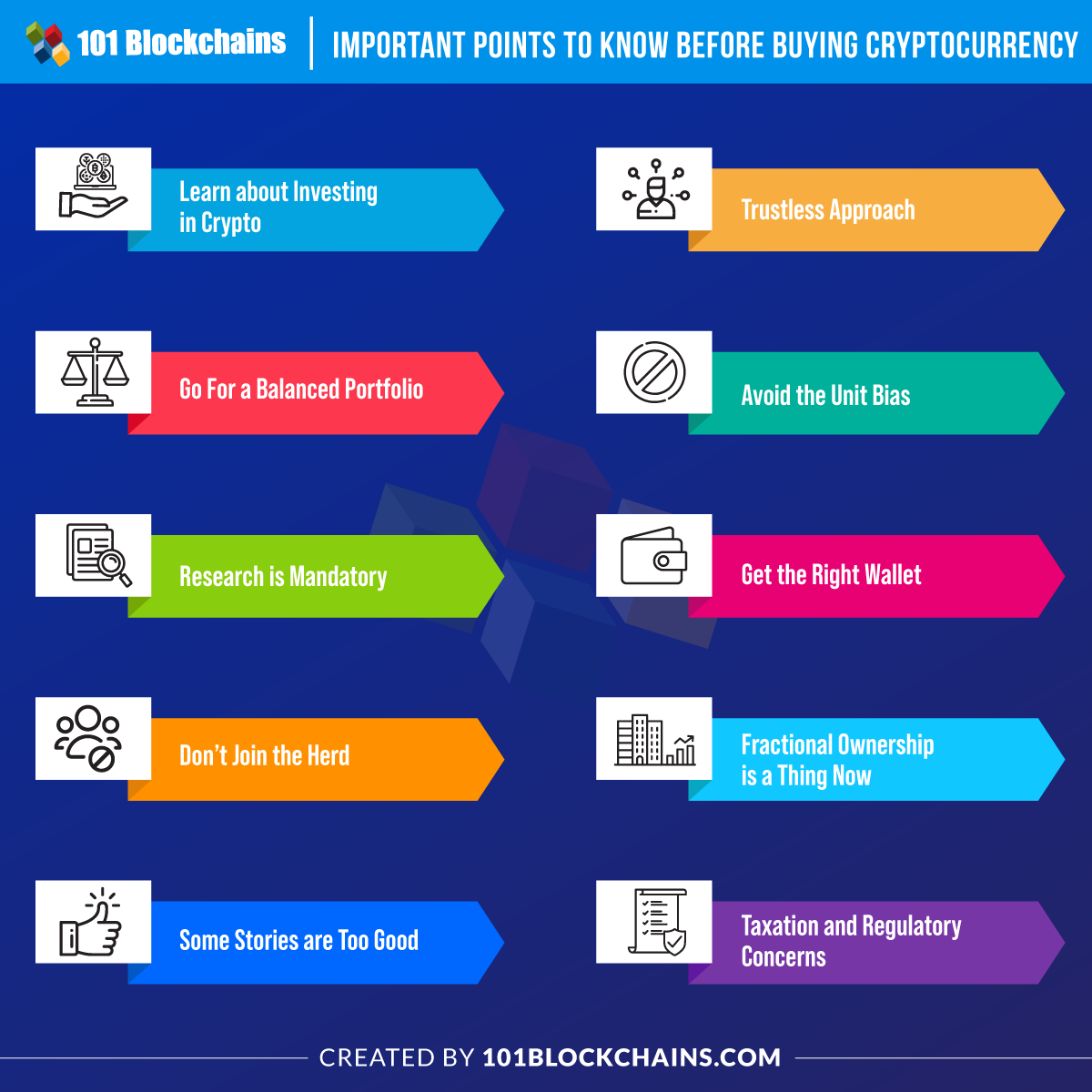
3. Asset Custody and Security Management
In traditional finance, your bank or brokerage is responsible for the safety of your funds. In the cryptocurrency world, the responsibility of “custody” often shifts to the individual. Understanding how to store your assets is as important as knowing how to buy them.
The Trade-off: Exchange Custody vs. Self-Custody
When you buy crypto on an exchange, the exchange holds the “private keys”—the digital codes that authorize transactions. While convenient, this introduces “counterparty risk.” If the exchange is compromised or becomes insolvent, your assets may be at risk. For small amounts or frequent traders, leaving assets on a reputable exchange is often acceptable. However, for significant long-term holdings, many investors move toward self-custody.
Hardware Wallets and “Cold Storage”
The gold standard for securing digital wealth is the hardware wallet, often referred to as “cold storage.” These are physical devices that store your private keys offline, making them immune to online hacking attempts. By using a hardware wallet, you become your own bank. This provides unparalleled security but places the burden of responsibility on you; if you lose your backup “seed phrase” (a series of 12-24 words), your assets are permanently unrecoverable.
Multi-Factor Authentication and Digital Hygiene
Regardless of where your assets are stored, rigorous digital security is non-negotiable. This includes using hardware-based Multi-Factor Authentication (MFA) rather than SMS-based codes, using unique and complex passwords, and remaining vigilant against phishing scams. In the “Money” niche, protecting your capital is the first rule of successful investing.
4. Strategic Allocation and Risk Mitigation
Buying cryptocurrency should not be an impulsive act driven by “Fear Of Missing Out” (FOMO). Instead, it should be treated as a component of a diversified financial strategy.
Portfolio Diversification and Asset Correlation
Cryptocurrencies are high-volatility assets. Financial advisors often suggest that they should comprise a small percentage of a total portfolio—typically ranging from 1% to 10%, depending on an individual’s risk tolerance. Furthermore, it is important to diversify within the crypto space. While Bitcoin is often viewed as “digital gold,” Ethereum provides exposure to smart contract utility, and stablecoins (pegged to the dollar) offer a way to park capital during high volatility.
Dollar-Cost Averaging (DCA)
The “all-in” approach is rarely successful in the volatile crypto market. A more professional strategy is Dollar-Cost Averaging (DCA). This involves investing a fixed amount of money at regular intervals (e.g., $200 every month), regardless of the price. This strategy smoothes out the purchase price over time, reduces the emotional stress of timing the market, and ensures that you buy more units when prices are low and fewer when prices are high.
Understanding Tax Implications
In most jurisdictions, cryptocurrency is treated as property for tax purposes. Every time you sell crypto for fiat, or even trade one cryptocurrency for another, it may trigger a capital gains tax event. Keeping meticulous records of your “cost basis” (the price at which you bought) and the “fair market value” at the time of sale is essential. Professional investors often use specialized software that syncs with their exchanges to automate tax reporting and ensure compliance with national revenue services.

Conclusion: The Disciplined Path to Digital Wealth
Buying cryptocurrency is a gateway into the future of finance, but it is a journey that requires discipline, education, and a structured approach. By choosing the right infrastructure, navigating the acquisition process with care, securing assets through robust custody solutions, and adhering to a sound investment strategy, you can mitigate the inherent risks of this nascent market.
As the lines between traditional finance and digital assets continue to blur, those who treat cryptocurrency with the same rigor as stocks, bonds, or real estate will be best positioned to capitalize on the opportunities of the digital economy. The key is to start small, stay informed, and always prioritize the preservation of capital over the pursuit of speculative gains.
aViewFromTheCave is a participant in the Amazon Services LLC Associates Program, an affiliate advertising program designed to provide a means for sites to earn advertising fees by advertising and linking to Amazon.com. Amazon, the Amazon logo, AmazonSupply, and the AmazonSupply logo are trademarks of Amazon.com, Inc. or its affiliates. As an Amazon Associate we earn affiliate commissions from qualifying purchases.