
Investing in the stock market is one of the most effective ways to build long-term wealth. Historically, the stock market has outperformed savings accounts and bonds over extended periods, offering a hedge against inflation and a path toward financial independence. However, for many beginners, the world of Wall Street can feel like an exclusive club governed by complex jargon and high-risk maneuvers. The reality is that stock investing has become more accessible than ever, thanks to digital platforms and fractional shares.
To begin investing successfully, you do not need to be a math genius or a billionaire. What you need is a clear strategy, a disciplined mindset, and an understanding of the fundamental principles that drive market growth. This guide will walk you through the essential steps to transition from a saver to a confident investor.
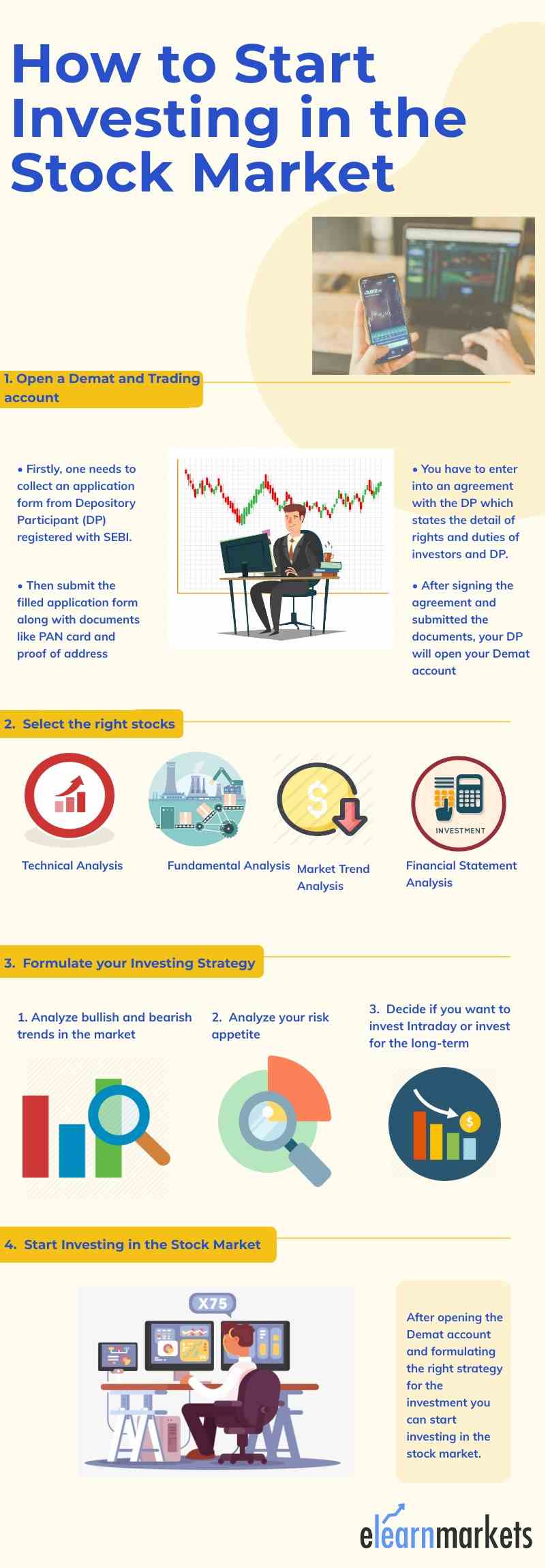
1. Establishing Your Financial Foundation
Before you place your first trade, it is imperative to ensure that your financial “house” is in order. Investing is a long-term endeavor, and you should never invest money that you might need for immediate expenses or emergencies.
Assessing Your Debt and Cash Flow
The first step is to evaluate your current debt profile. Specifically, look at high-interest debt, such as credit card balances. If you are paying 20% interest on a credit card, you are unlikely to find a stock market investment that consistently beats that rate. Paying off high-interest debt is a guaranteed return on your money. Once high-interest liabilities are cleared, ensure you have a positive monthly cash flow—meaning you earn more than you spend.
Building an Emergency Fund
The stock market is volatile. Prices can drop 10%, 20%, or more in a matter of weeks. If you are forced to sell your stocks during a downturn because you need cash for a car repair or medical bill, you lock in those losses. To prevent this, aim to save three to six months of living expenses in a high-yield savings account before you start investing. This “buffer” allows you to leave your investments untouched, giving them the time they need to recover and grow.
Determining Your Risk Tolerance
Risk tolerance is your emotional and financial ability to handle market fluctuations. Are you someone who can stay calm if your portfolio drops 15% in a month? Or would you be tempted to panic-sell? Generally, younger investors can afford higher risk because they have decades to recover from market dips. Older investors nearing retirement often shift toward lower-risk assets to preserve their capital. Understanding your risk profile will dictate which types of stocks or funds you choose to buy.
2. Selecting the Right Account and Brokerage
Once your foundation is solid, you need a gateway to the market. This involves choosing both the type of investment account and the brokerage platform that will host it.
Choosing Between Tax-Advantaged and Taxable Accounts
In the realm of personal finance, how much you keep is just as important as how much you earn.
- Retirement Accounts (IRA/401k): If you are investing for the long term, these accounts offer significant tax benefits. A Traditional IRA may offer tax deductions today, while a Roth IRA allows for tax-free withdrawals in retirement.
- Taxable Brokerage Accounts: If you want the flexibility to withdraw your money at any time without age restrictions or penalties, a standard brokerage account is the way to go. While you will owe taxes on capital gains and dividends, these accounts offer the ultimate liquidity.
Evaluating Brokerage Platforms
The modern investor is spoiled for choice. When selecting a broker, consider the following factors:
- Commission Fees: Most major brokers (like Fidelity, Charles Schwab, and Vanguard) now offer $0 commission trades for stocks and ETFs.
- Account Minimums: Some platforms allow you to start with as little as $1, while others require a larger initial deposit.
- User Experience: If you are a beginner, look for a platform with an intuitive mobile app and robust educational resources. For those who want a “set it and forget it” approach, robo-advisors like Betterment or Wealthfront use algorithms to manage your portfolio for a small fee.
The Role of Fractional Shares
For many years, the high price of a single share of a major company (like Amazon or Berkshire Hathaway) was a barrier to entry. Today, many brokers offer fractional shares, allowing you to buy $5 or $10 worth of a stock regardless of its total share price. This is a game-changer for beginners, as it allows for immediate diversification even with a small starting capital.
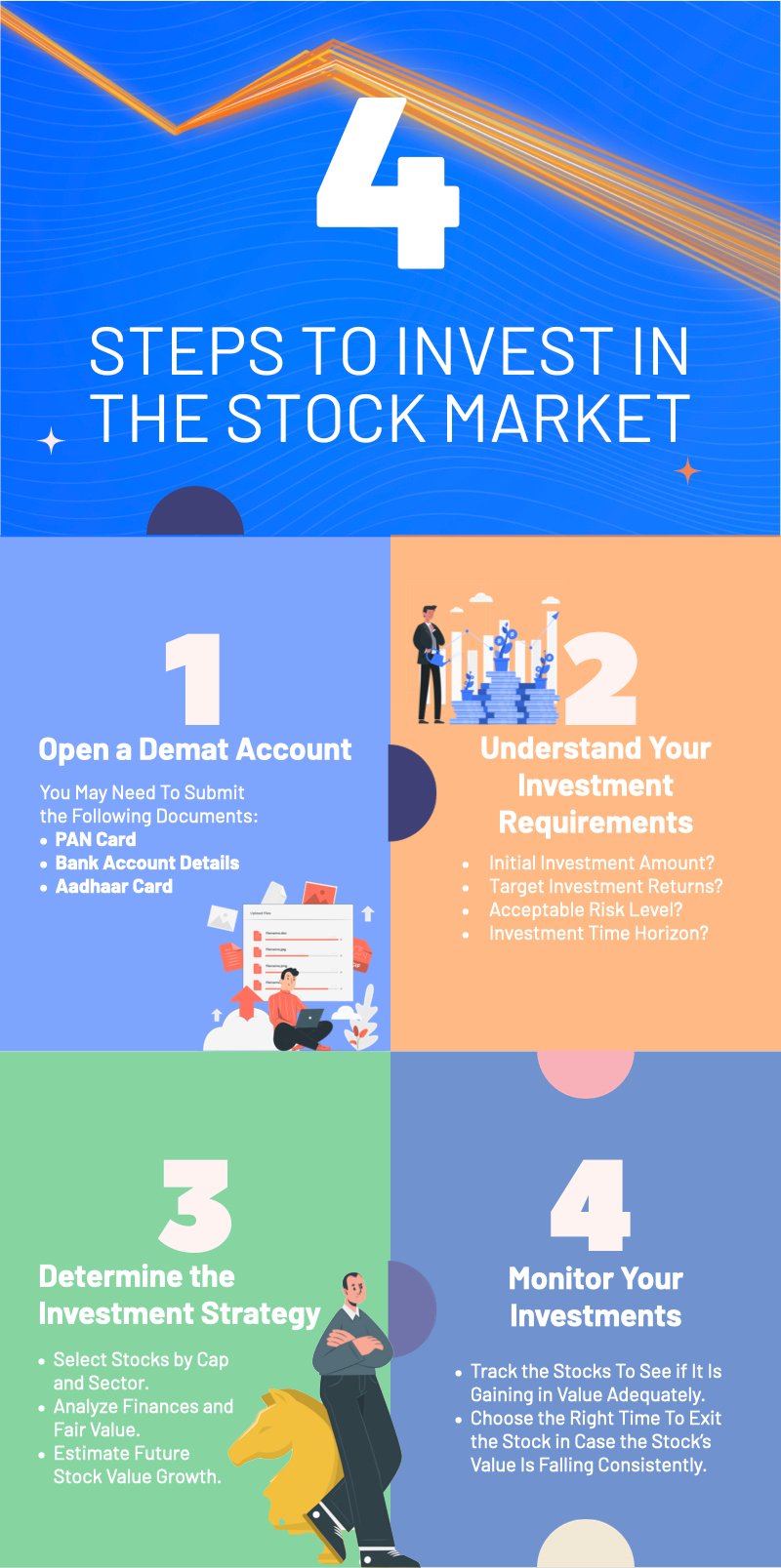
3. Developing an Investment Strategy
Successful investing is not about “picking winners” based on a “gut feeling.” It is about adopting a repeatable strategy that aligns with your goals.
Index Funds vs. Individual Stocks
One of the most important decisions you will make is whether to buy individual stocks or diversified funds.
- Individual Stocks: This involves buying shares in specific companies. It requires significant research and carries higher risk but offers the potential for market-beating returns.
- Exchange-Traded Funds (ETFs) and Index Funds: These are baskets of stocks that track a specific index, like the S&P 500. By buying one share of an S&P 500 ETF, you are instantly invested in 500 of the largest companies in the United States. This is the recommended route for most beginners because it provides instant diversification and requires very little maintenance.
The Power of Dollar-Cost Averaging (DCA)
Market timing—trying to buy at the “bottom” and sell at the “top”—is a losing game for most investors. Instead, professional financial advisors often recommend Dollar-Cost Averaging. This involves investing a fixed amount of money at regular intervals (e.g., $200 every payday), regardless of whether the market is up or down. When prices are low, your $200 buys more shares; when prices are high, it buys fewer. Over time, this lowers your average cost per share and removes the emotional stress of timing the market.
Growth vs. Value vs. Dividend Investing
As you become more comfortable, you may want to niche down.
- Growth Stocks: Companies expected to grow at a rate significantly above the average for the market (e.g., tech startups). They often don’t pay dividends because they reinvest profits into the business.
- Value Stocks: Companies that appear to be trading for less than their intrinsic value.
- Dividend Stocks: Established companies that pay out a portion of their earnings to shareholders regularly. These are excellent for generating passive income.
4. Analyzing Potential Investments
If you decide to venture beyond broad index funds and into individual stocks, you must learn how to evaluate a company’s health.
Fundamental Analysis
Fundamental analysis is the process of looking at a business’s financial health and its position within its industry. You aren’t just looking at a ticker symbol; you are looking at a business.
- P/E Ratio (Price-to-Earnings): This tells you how much investors are willing to pay for every dollar of company earnings. A high P/E might suggest a stock is overvalued or that investors expect high future growth.
- Revenue and Net Income: Is the company actually making money? Is that profit growing year over year?
- Debt-to-Equity: This measures how much the company is financed by debt versus its own equity. Too much debt can be a red flag during economic downturns.
Qualitative Factors
Numbers don’t tell the whole story. You should also consider the “moat”—a term coined by Warren Buffett to describe a company’s competitive advantage. Does the company have a brand that people love? Does it own unique technology? Is the management team experienced and shareholder-friendly? Understanding the “story” behind the stock is just as important as understanding the balance sheet.
Staying Informed without Over-Trading
In the digital age, we are bombarded with financial news. It is easy to see a “breaking news” headline and feel the urge to sell. However, the most successful investors are those who can filter out the “noise.” Check your portfolio periodically, but avoid checking it every hour. High-frequency trading often leads to higher taxes and lower returns due to emotional errors.
5. Managing and Growing Your Portfolio
The work doesn’t end once you hit the “buy” button. Long-term success requires ongoing maintenance and the discipline to stay the course.
The Importance of Diversification
Diversification is often called the “only free lunch in investing.” By spreading your money across different sectors (Tech, Healthcare, Energy, etc.) and different asset classes (Stocks, Bonds, Real Estate), you reduce the impact of any single investment’s failure. If one sector crashes, your other holdings can help buoy the portfolio.
Rebalancing Your Assets
Over time, some of your investments will grow faster than others. This can lead to an “unbalanced” portfolio. For example, if you started with 70% stocks and 30% bonds, a major bull market might leave you with 85% stocks. This increases your risk. Rebalancing involves selling a portion of your winners and buying more of your underperforming assets to return to your original target allocation. This forces you to “buy low and sell high” automatically.
The Psychology of Investing
The greatest obstacle to wealth is often the person in the mirror. Fear and greed drive market cycles. When the market is booming, greed tells you to buy more at the peak. When the market crashes, fear tells you to sell at the bottom. To succeed, you must adopt a long-term perspective. Remind yourself that market downturns are a normal part of the economic cycle. Historically, every major market crash has eventually been followed by a recovery and new all-time highs.
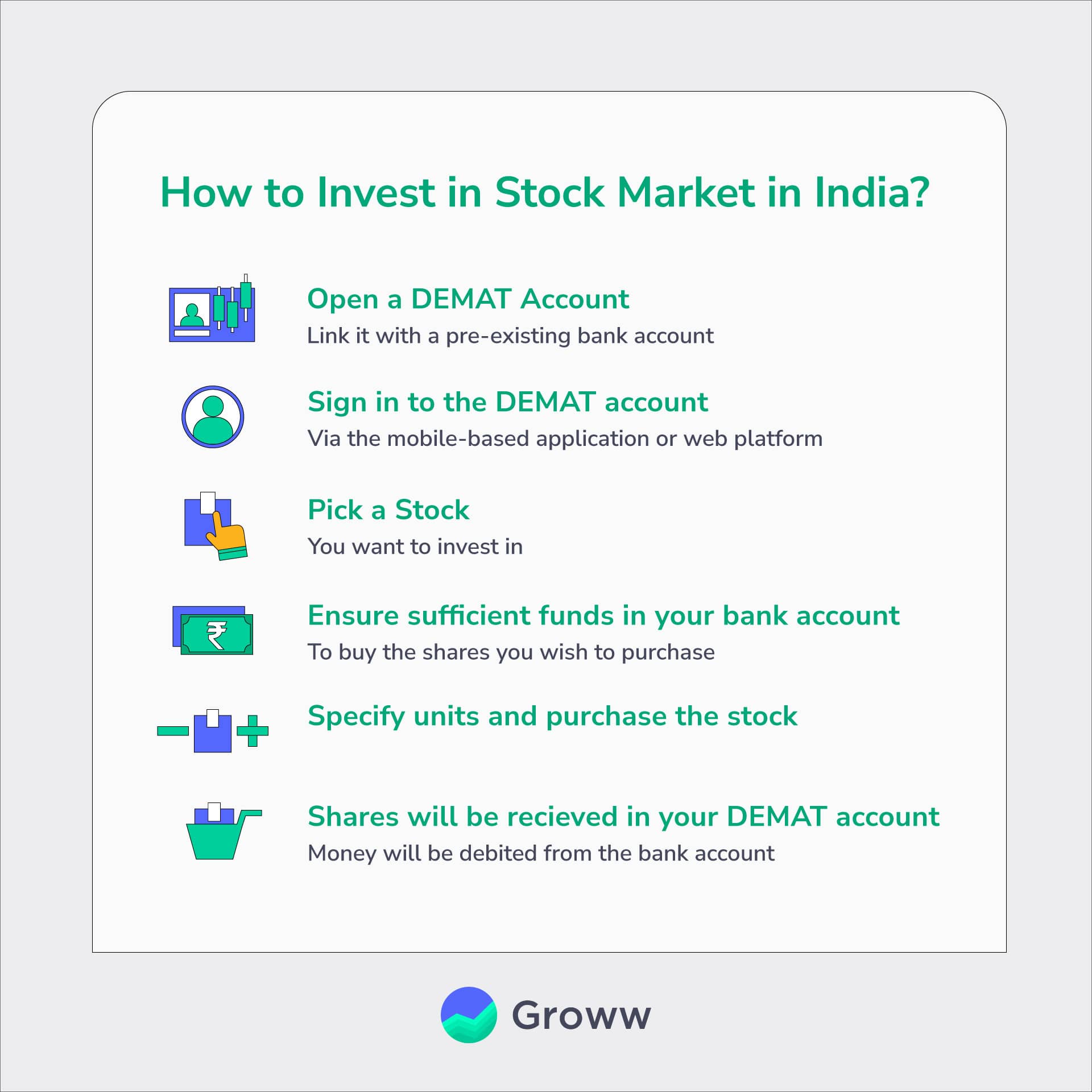
Conclusion
Beginning your journey in stock investing is a transformative step toward financial security. By building a solid financial foundation, choosing a low-cost brokerage, and committing to a consistent, diversified strategy, you position yourself to benefit from the incredible power of compound interest. Remember that investing is a marathon, not a sprint. The goal is not to get rich overnight, but to build a sustainable engine of wealth that will serve you for decades to come. Start small, stay educated, and let time do the heavy lifting.
aViewFromTheCave is a participant in the Amazon Services LLC Associates Program, an affiliate advertising program designed to provide a means for sites to earn advertising fees by advertising and linking to Amazon.com. Amazon, the Amazon logo, AmazonSupply, and the AmazonSupply logo are trademarks of Amazon.com, Inc. or its affiliates. As an Amazon Associate we earn affiliate commissions from qualifying purchases.