
In the landscape of modern personal finance, few line items are as volatile or as potentially devastating as healthcare costs. For the average consumer, the pharmacy counter often represents a black box of pricing where the final total is a mystery until the moment of payment. GoodRx has emerged as a critical financial tool in this ecosystem, functioning less like a traditional “coupon” and more like a gateway to negotiated institutional pricing. Understanding the financial mechanics behind GoodRx is essential for anyone looking to optimize their personal budget and protect their long-term financial health.
Understanding the Financial Architecture of Prescription Discounts
To understand how GoodRx coupons work, one must first look at the opaque world of Pharmacy Benefit Managers (PBMs). PBMs are the middlemen of the pharmaceutical industry, negotiating prices between drug manufacturers, insurance companies, and pharmacies. Historically, these negotiated rates were only available to individuals with high-tier employer-sponsored insurance. GoodRx disrupted this model by aggregating the negotiated rates from multiple PBMs and making them accessible to the general public.
The Role of Negotiated Rates
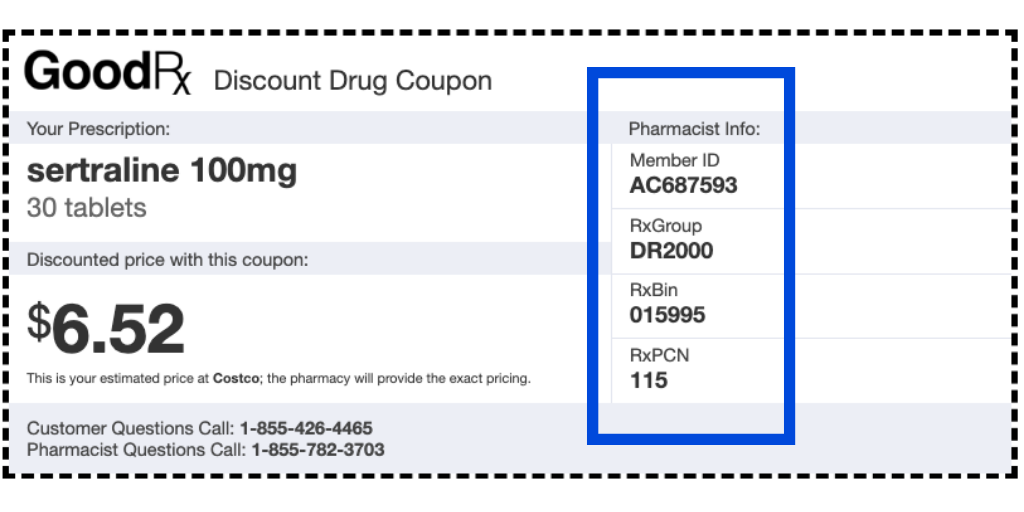
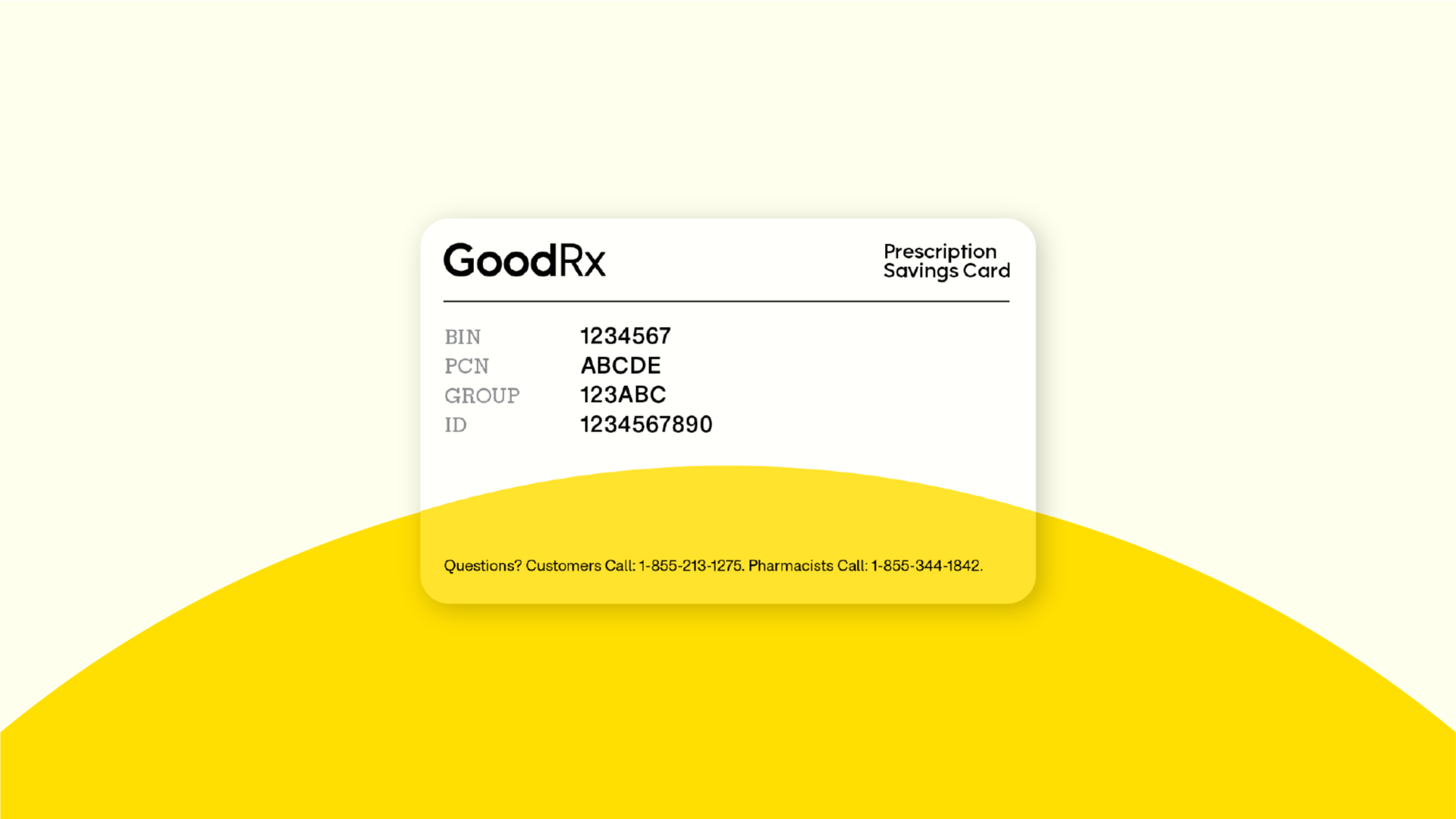
When you use a GoodRx coupon, you are essentially “opting in” to a pre-negotiated contract price. A pharmacy may have a “usual and customary” price—the retail price they charge to uninsured individuals—which is often significantly marked up. However, that same pharmacy also has contracts with various PBMs to accept lower rates for their members. GoodRx displays these various contracted rates, allowing the consumer to choose the most cost-effective option. The “coupon” is actually a set of processing codes (BIN, PCN, Group, and Member ID) that tell the pharmacy’s computer system which PBM contract to apply to the transaction.
Why Prices Vary Between Pharmacies
A common point of confusion in personal finance management is why a medication costs $15 at a grocery store pharmacy but $150 at a national drug store chain down the street. This discrepancy exists because each pharmacy chain negotiates its own contracts with different PBMs. GoodRx acts as a price transparency engine, indexing these variances in real-time. From a wealth-management perspective, this turns prescription shopping into a commodity-comparison task, similar to checking interest rates on a high-yield savings account or comparing brokerage fees.
The Insurance Paradox: GoodRx vs. Traditional Health Coverage
One of the most nuanced aspects of using GoodRx involves its relationship with traditional health insurance. For many, the assumption is that insurance will always provide the lowest price. However, in the current era of high-deductible health plans (HDHPs) and complex formulary tiers, this is frequently not the case.
Navigating the Deductible Dilemma
The primary financial trade-off when using GoodRx is its impact on your insurance deductible. When you use a GoodRx coupon, you are choosing to pay for the medication outside of your insurance plan. Consequently, the money spent does not count toward your annual deductible or your out-of-pocket maximum.
This creates a strategic decision-point for the consumer:
-
The Short-Term Savings Strategy: If the GoodRx price is $20 and the insurance co-pay is $50, the immediate financial benefit is $30. If you are unlikely to hit your deductible for the year, the short-term savings represent a direct win for your monthly cash flow.
-
The Long-Term Liability Strategy: If you have a chronic condition or anticipate major medical procedures, it may be financially wiser to pay the higher insurance co-pay to reach your deductible sooner. Once the deductible is met, the insurance company typically covers a much larger percentage of all medical costs.
Copay vs. Cash Price
Insurance companies often use a “flat copay” system (e.g., $10 for generics, $40 for brand names). However, many generic medications have a market value far below the $10 copay. In these instances, using a discount tool like GoodRx allows the consumer to pay the actual market price—which might be $4 or $5—rather than the arbitrary insurance copay. This is an essential tactic for “micro-optimizing” a budget, as these small savings compound over multiple prescriptions and several months.
Long-Term Wealth Preservation Through Healthcare Cost Transparency
Medical debt remains the leading cause of bankruptcy in the United States. While most people focus on catastrophic events, it is often the “slow bleed” of monthly maintenance medications that erodes a family’s ability to save for retirement or invest in assets. GoodRx serves as a defensive tool in a broader financial strategy aimed at wealth preservation.
Medication Adherence as a Financial Asset
From a business finance perspective, health is a primary asset. Low medication adherence due to high costs leads to “downstream” financial disasters: emergency room visits, lost wages due to illness, and long-term disability. By lowering the barrier to entry for essential medications, GoodRx coupons act as a form of insurance against larger, catastrophic financial losses. Maintaining one’s health is, quite literally, one of the highest-return investments an individual can make.
The Macroeconomic Impact of Price Transparency
Price transparency tools like GoodRx force competition in a market that has historically been shielded from it. When consumers have the power to see that a competitor is offering a 90% discount, it pressures pharmacy chains to keep their “cash prices” competitive. For the savvy investor or budget-conscious individual, participating in this transparent marketplace is a way to exert consumer influence while simultaneously protecting one’s own net worth.
Practical Strategies for Optimizing Out-of-Pocket Medical Spending
To truly leverage GoodRx as a financial tool, one must go beyond simply searching for a drug name. It requires a systematic approach to pharmacy spending.
Comparative Analysis and Pharmacy Hopping
While it is convenient to get all medications at a single pharmacy, a financial audit often reveals that significant savings can be found by splitting prescriptions across two or even three locations. For example, a “Loss Leader” strategy might see one pharmacy offering a steep discount on a common antibiotic to get you in the door, while charging a premium for a maintenance blood pressure medication. Use the GoodRx interface to map out a “pharmacy route” that maximizes savings for your specific “basket” of medications.
Dosage and Quantity Optimization
The way a prescription is written can drastically change its price. Often, a 90-day supply is cheaper per pill than a 30-day supply. Similarly, sometimes a higher-mg pill can be split (with a doctor’s approval) to save 50% of the cost. GoodRx allows you to toggle these variables—quantity and dosage—to find the “sweet spot” in the pricing algorithm. This is analogous to “unit pricing” in grocery shopping and is a hallmark of disciplined personal finance.
Monitoring Price Fluctuations
Prescription prices are not static; they fluctuate based on manufacturer supply, PBM contract renewals, and pharmacy inventory. A price that was $10 last month might be $15 this month. Strategic users check their GoodRx coupons every time they refill. This ensures they are always capturing the current market low rather than relying on outdated pricing structures.

The Future of Consumer-Driven Healthcare Finance
The rise of platforms like GoodRx signals a shift toward a “consumer-driven” healthcare model. In this model, the individual takes on the role of the procurement officer for their own life. By understanding the mechanics of how these coupons work—tapping into PBM networks, bypassing the insurance deductible when advantageous, and utilizing price transparency to force competition—individuals can significantly reduce their cost of living.
In the context of personal finance, every dollar saved at the pharmacy counter is a dollar that can be redirected toward a Roth IRA, a 529 plan, or an emergency fund. GoodRx coupons are not just about “getting a deal”; they are about reclaiming control over a significant and often unpredictable expense. As healthcare continues to evolve, the ability to navigate these financial tools will remain a defining characteristic of the fiscally responsible modern consumer.
Ultimately, the efficacy of a GoodRx coupon lies in the user’s ability to integrate it into a comprehensive financial plan. By treating prescription costs as a negotiable variable rather than a fixed expense, you empower yourself to build a more resilient and sustainable financial future. In a world of rising costs, these tools are the bridge between clinical necessity and financial stability.
aViewFromTheCave is a participant in the Amazon Services LLC Associates Program, an affiliate advertising program designed to provide a means for sites to earn advertising fees by advertising and linking to Amazon.com. Amazon, the Amazon logo, AmazonSupply, and the AmazonSupply logo are trademarks of Amazon.com, Inc. or its affiliates. As an Amazon Associate we earn affiliate commissions from qualifying purchases.