
In an increasingly digital world, cash apps have become indispensable tools, fundamentally reshaping how we manage and transfer money. From splitting a dinner bill with friends to paying rent or receiving a freelance payment, these applications offer unparalleled convenience, speed, and accessibility. Their widespread adoption by millions globally underscores their efficacy and ease of use. However, beneath the sleek user interfaces and seamless transaction flows lies a sophisticated technological architecture that makes these digital exchanges possible and, critically, secure. This article will demystify the intricate mechanisms and core technologies that power cash apps, peeling back the layers to reveal how they connect users, banks, and the broader financial ecosystem.
The Core Technological Infrastructure: From User to Bank
At the heart of every cash app lies a robust and complex technological infrastructure designed to handle billions of transactions, manage vast amounts of user data, and maintain real-time accuracy. This infrastructure forms the backbone, enabling everything from intuitive user interactions to secure financial integrations.
User Interface and Experience (UI/UX)
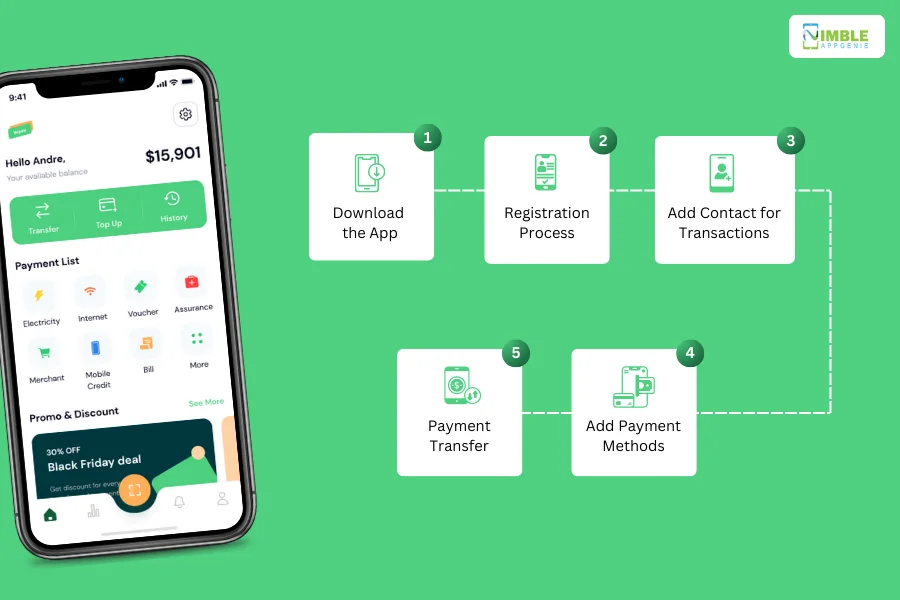
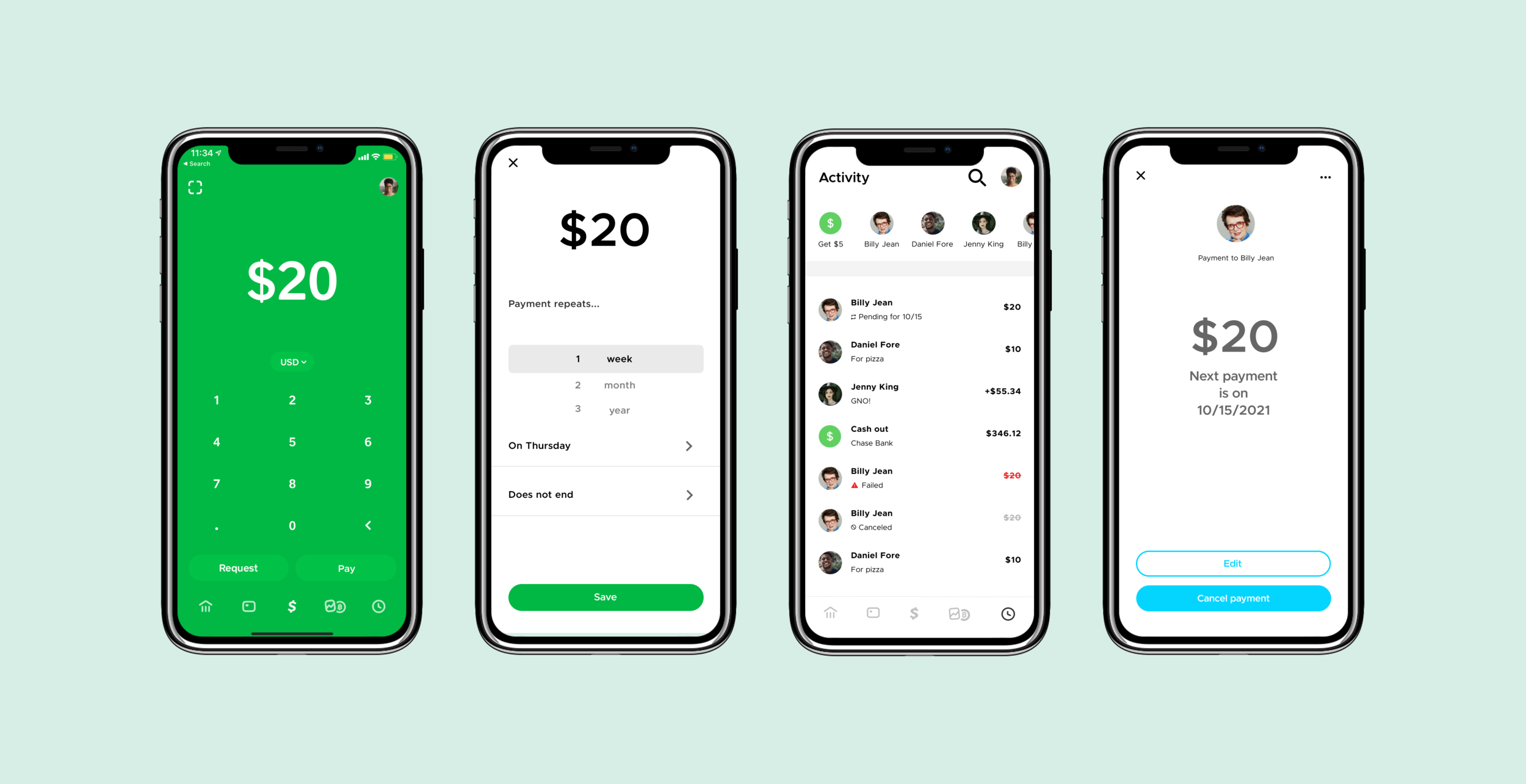
The first interaction point for any user is the application’s interface. Cash apps prioritize simplicity and intuitiveness, crafting a user experience (UX) that makes financial transactions feel effortless. This involves clean designs, clear navigation, and straightforward input methods. Developed for mobile platforms like iOS and Android, these apps leverage the native capabilities of smartphones, including touchscreens, cameras (for QR codes), and biometric sensors for authentication. Users typically identify each other through unique usernames, phone numbers, or email addresses, simplifying the process of sending and receiving funds without needing sensitive bank details for every transaction. The success of a cash app often hinges on its ability to make complex financial operations feel simple and accessible to a broad audience, regardless of their tech-savviness.
Backend Systems and Database Management
Behind the user-facing simplicity is a powerful network of backend systems. These systems are typically hosted on cloud infrastructure services such as Amazon Web Services (AWS), Microsoft Azure, or Google Cloud Platform (GCP). Cloud computing provides the scalability, reliability, and global reach necessary to process millions of concurrent transactions and store vast amounts of data securely. The backend manages critical components including:
-
Transaction Ledgers: Detailed records of every payment, receipt, and balance adjustment.
-
User Profiles: Secure storage of personal information, linked bank accounts, and transaction history.
-
Security Protocols: Implementation of encryption, fraud detection algorithms, and authentication mechanisms.
-
Real-time Processing: Ensuring that transactions are processed and reflected instantly, a crucial factor for user trust and satisfaction.
These systems operate 24/7, continuously monitoring, processing, and safeguarding financial data, making them the silent workhorses of the cash app ecosystem.
API Integration with Financial Institutions
The ability of cash apps to move money between individuals and their traditional bank accounts is powered by sophisticated Application Programming Interface (API) integrations. APIs act as secure digital bridges, allowing different software systems to communicate and exchange data. For cash apps, these APIs facilitate direct communication with banks, credit unions, and other financial institutions. When a user links their bank account or debit card to a cash app, they are typically authorizing the app to use an API (often via third-party providers like Plaid, though many large apps build their own direct integrations) to access account information, verify funds, and initiate transfers. This integration is paramount for:
-
Fund Verification: Confirming the availability of funds before a transaction is executed.
-
Initiating Transfers: Sending instructions to banks for debiting or crediting accounts.
-
Regulatory Compliance: Facilitating Know Your Customer (KYC) and Anti-Money Laundering (AML) checks, which are mandated by financial regulations to prevent illicit activities.
These secure digital handshakes are central to the operational model of cash apps, enabling them to act as intermediaries between users and their established financial services.
The Mechanics of a Transaction: A Step-by-Step Tech Journey
Understanding the underlying infrastructure sets the stage for dissecting the actual flow of a digital payment. A transaction, seemingly instantaneous to the user, involves a series of meticulously coordinated technical steps.
Initiating a Payment
The journey begins when a user decides to send money. They open the app, enter the recipient’s identifier (username, phone number, email), input the amount, and often a short memo. Before confirming, the user is required to authenticate their identity using a PIN, password, or biometric methods like fingerprint or facial recognition. Once authenticated, this payment request, containing encrypted details of the sender, recipient, and amount, is transmitted from the user’s device to the cash app’s secure backend servers.
Authorization and Fund Verification
Upon receiving the payment request, the app’s servers perform several critical checks. First, they verify the sender’s identity and the validity of their linked payment method. If the sender has a balance within the app, the system checks if sufficient funds are available. If the funds need to be pulled from a linked bank account or debit card, the app uses its API integrations to communicate with the sender’s financial institution. This communication verifies that the account is active and has enough funds to cover the transaction. This real-time authorization process is crucial to prevent overdrafts and failed transactions, ensuring the integrity of the payment system.
Fund Transfer and Settlement
Once authorized, the actual “movement” of money occurs. It’s important to note that physical money doesn’t literally move; rather, it’s a series of digital ledger adjustments.
-
Internal Transfers: If both sender and receiver use the same app and have balances within it, the transfer can be near-instantaneous, as it’s primarily an internal ledger update within the app’s database. The sender’s balance is debited, and the recipient’s balance is credited.
-
Bank-to-Bank Transfers: If funds are pulled from or deposited into external bank accounts, the process often involves established interbank payment networks. In the U.S., this is typically the Automated Clearing House (ACH) network for non-urgent transfers, which can take 1-3 business days. However, many cash apps now leverage “faster payment” rails like RTP (Real-Time Payments) in the U.S. or similar systems like the Faster Payments Service (FPS) in the UK and SEPA Instant Credit Transfer in Europe, enabling near-instantaneous transfers between different banks. These systems rely on robust messaging protocols and encryption to ensure data integrity and security during transit.
The settlement process, which finalizes the transfer of funds between financial institutions, may occur in batches or in real-time, depending on the networks used.

Notification and Record Keeping
Upon successful completion of the transaction, both the sender and receiver receive real-time notifications, typically via push notifications within the app or email/SMS. These alerts confirm the transaction details. Concurrently, the app’s backend systems update the transaction history for both users, creating a detailed digital record that includes the date, time, amount, recipient/sender, and a unique transaction ID. This record-keeping is vital for users to track their spending, reconcile accounts, and for the app to maintain an audit trail for regulatory compliance.
Ensuring Digital Security and Trust
Given the sensitive nature of financial transactions, digital security is not merely a feature but a foundational pillar of cash app operations. Robust security measures are integrated at every layer of the technology stack to protect user data and funds from fraud, cyber threats, and unauthorized access.
Encryption and Data Protection
Cash apps employ industry-standard encryption protocols to safeguard data. Data in transit (during transmission between a user’s device and the app’s servers, or between servers and banks) is protected using Transport Layer Security (TLS) or Secure Sockets Layer (SSL) protocols, which encrypt the information, making it unintelligible to eavesdroppers. Sensitive user data, such as bank account numbers, card details, and passwords, is also encrypted at rest when stored in databases. This means that even if a breach were to occur, the stolen data would be unreadable without the decryption key, which is kept separate and highly secured. Regular security audits, penetration testing, and vulnerability assessments are conducted to identify and patch potential weaknesses.
Authentication Protocols
To ensure that only authorized users can initiate transactions, cash apps implement multi-layered authentication protocols. Beyond standard username and password combinations, Multi-Factor Authentication (MFA) or Two-Factor Authentication (2FA) is commonly enforced, requiring users to verify their identity using a second factor, such as a code sent to their phone, an email link, or a confirmation through another trusted device. Biometric authentication, leveraging fingerprint scanners or facial recognition technology available on modern smartphones, provides an even more convenient and secure method of verification, significantly reducing the risk of unauthorized access.
Fraud Detection and Prevention
Sophisticated fraud detection and prevention systems operate continuously in the background. These systems often utilize artificial intelligence (AI) and machine learning (ML) algorithms to analyze transaction patterns, identify anomalies, and flag potentially fraudulent activities in real-time. For instance, an unusually large transaction, a payment to a new recipient in a different geographic location, or a rapid succession of small payments might trigger an alert. Automated systems can temporarily block suspicious transactions or prompt users for additional verification. Many apps also have dedicated fraud investigation teams and provide mechanisms for users to dispute unauthorized transactions, ensuring a safety net for their funds.
Regulatory Compliance and Data Privacy
Operating in the financial sector means cash apps are subject to stringent regulatory compliance. They must adhere to standards like the Payment Card Industry Data Security Standard (PCI DSS) if they handle card data, ensuring secure processing, storage, and transmission of credit card information. Furthermore, global data privacy regulations such as the General Data Protection Regulation (GDPR) in Europe and the California Consumer Privacy Act (CCPA) in the U.S. dictate how personal data is collected, stored, and processed. Cash apps must ensure transparency in their data practices, obtain user consent, and implement robust measures to protect user privacy, avoiding data misuse or unauthorized sharing.
Beyond Simple Transfers: Advanced Features and Future Trends
The technological evolution of cash apps is relentless, continuously expanding their functionalities beyond basic peer-to-peer transfers and adapting to emerging technologies.
Integrated Services
Modern cash apps are transforming into comprehensive financial platforms. Many now offer features like:
-
Bill Splitting: Simplifying group expenses.
-
QR Code Payments: Enabling quick, contactless transactions at merchants.
-
Direct Deposit: Allowing users to receive paychecks directly into their app balance.
-
Investing Features: Some apps integrate micro-investing in stocks or cryptocurrencies, lowering the barrier to entry for novice investors.
-
Business Accounts and Merchant Services: Providing tools for small businesses to accept payments, manage invoices, and track sales, effectively blurring the lines between consumer and business banking. These expansions require intricate API integrations with diverse service providers and sophisticated backend logic to manage the added complexity.
The Role of AI and Machine Learning
AI and ML are becoming increasingly vital in enhancing the user experience and operational efficiency of cash apps. Beyond advanced fraud detection, these technologies are used for:
-
Personalized Insights: Analyzing spending habits to offer personalized financial advice, budgeting tools, and expense categorization.
-
Customer Support: AI-powered chatbots provide instant support, answer FAQs, and resolve common issues, improving response times and reducing the load on human customer service agents.
-
Predictive Analytics: Forecasting user needs and preferences to proactively offer relevant services or features.
Blockchain and Decentralized Finance (DeFi) Implications
The emergence of blockchain technology and decentralized finance (DeFi) presents both opportunities and challenges for traditional cash apps. Blockchain’s promise of greater transparency, immutability, and reduced reliance on intermediaries could potentially revolutionize payment systems. While mainstream cash apps primarily operate on centralized databases, some are exploring or integrating cryptocurrency features, allowing users to buy, sell, and sometimes send digital assets like Bitcoin or Ethereum. The future could see hybrid models where fiat-based cash apps integrate with stablecoins for instant, low-cost international transfers, or even fully embrace decentralized payment protocols. However, challenges related to scalability, regulatory clarity, and user adoption of DeFi concepts remain significant hurdles for widespread integration.
In conclusion, the apparent simplicity of cash apps belies a deeply complex and continuously evolving technological foundation. From the intuitive user interfaces and robust cloud-based backend systems to sophisticated API integrations with financial institutions, every aspect is engineered for speed, reliability, and above all, security. As technology advances, cash apps will undoubtedly continue to innovate, leveraging AI, exploring blockchain, and integrating even more financial services, further cementing their role as central pillars of the digital economy. Understanding these underlying mechanisms not only demystifies their operation but also fosters a deeper appreciation for the digital ingenuity that powers our modern financial interactions.
aViewFromTheCave is a participant in the Amazon Services LLC Associates Program, an affiliate advertising program designed to provide a means for sites to earn advertising fees by advertising and linking to Amazon.com. Amazon, the Amazon logo, AmazonSupply, and the AmazonSupply logo are trademarks of Amazon.com, Inc. or its affiliates. As an Amazon Associate we earn affiliate commissions from qualifying purchases.