
In the span of little over a decade, Bitcoin transitioned from an obscure digital curiosity known primarily to technophiles and libertarians to a global financial phenomenon. Its ascent from fractions of a cent to tens of thousands of dollars per coin has captivated investors, challenged traditional economic thought, and reshaped the landscape of digital finance. To understand how Bitcoin achieved such immense value, one must delve into a complex interplay of economic principles, technological innovation, market psychology, and evolving macroeconomic conditions. This article explores the multifaceted financial drivers behind Bitcoin’s remarkable valuation, anchoring its analysis strictly within the realm of money, investment, and market dynamics.

The Genesis of Scarcity and the Digital Gold Narrative
At the core of Bitcoin’s valuation lies its fundamental design, particularly its fixed supply and decentralized nature, which have fostered its reputation as “digital gold.” These attributes directly address concerns prevalent in traditional financial systems, attracting investors seeking alternative stores of value.
Capped Supply and Deflationary Nature
Unlike fiat currencies, which can be printed indefinitely by central banks, Bitcoin has a hard cap of 21 million coins. This finite supply is programmatically enforced and immutable, creating an absolute scarcity that mirrors precious metals like gold. This deflationary characteristic is a powerful economic driver. As demand for Bitcoin increases while its supply remains fixed and ever-decreasing relative to new issuance, its price naturally tends to appreciate. This mechanism stands in stark contrast to the inflationary tendencies of traditional currencies, where central bank policies of quantitative easing or increased money supply can devalue purchasing power over time. For investors, Bitcoin offers a compelling hedge against inflation and currency debasement, making it an attractive long-term store of value.
Decentralization as a Value Proposition
Bitcoin’s decentralized architecture, meaning it operates without a central authority, bank, or government, is a crucial component of its financial appeal. This decentralization insulates it from political interference, censorship, and the whims of single entities. In an increasingly globalized and sometimes volatile world, this independence offers a unique value proposition. Investors perceive it as a neutral, permissionless asset that cannot be seized or frozen by governments, offering a sanctuary for wealth that transcends national borders. This inherent resistance to control contributes significantly to its perceived security and reliability as a financial asset, especially for individuals and entities in regions prone to economic instability or capital controls.
Early Adoption and Ideological Foundation
While not directly a financial mechanism, the early adoption of Bitcoin by a community of cypherpunks, libertarians, and tech enthusiasts laid a crucial ideological and philosophical foundation that continues to underpin its value. These early adopters were driven by principles of financial sovereignty, privacy, and a distrust of centralized financial institutions. Their belief in Bitcoin as an alternative financial system created an initial, resilient demand base. This early “cult following” fostered a strong network effect and a dedicated user base, ensuring its survival and initial growth, even when its market value was negligible. This foundation allowed it to gradually gain traction and legitimacy, eventually attracting mainstream financial interest.
Market Dynamics and Speculative Interest
Beyond its foundational characteristics, Bitcoin’s value has been significantly shaped by complex market dynamics, including supply-demand forces, programmed issuance adjustments, and the evolving landscape of investor participation.
Supply-Demand Imbalance
The most fundamental economic principle driving Bitcoin’s price is the classic interplay of supply and demand. With a perpetually tightening supply schedule, any significant increase in demand inevitably puts upward pressure on its price. As awareness and acceptance grew, the pool of potential buyers expanded exponentially, from individual retail investors to sophisticated institutional players. This ever-growing demand, chasing a fixed and increasingly scarce asset, has been the primary engine of its parabolic price appreciation. Each new wave of adoption, whether driven by media attention, celebrity endorsement, or fundamental economic shifts, translates into increased buying pressure.
Halving Events and Supply Shocks
Bitcoin’s protocol includes a programmed event known as “halving” (or “the halving”), which occurs approximately every four years. During a halving, the reward for mining new blocks is cut in half, effectively reducing the rate at which new Bitcoins are introduced into circulation. These events create significant supply shocks. Historically, each halving has preceded a substantial bull run, as the reduction in new supply amplifies the scarcity narrative and puts upward pressure on price, assuming demand remains constant or increases. These predictable, pre-programmed events create a unique market dynamic that investors anticipate and often price into their strategies, contributing to Bitcoin’s cyclical volatility and long-term growth.
Retail and Institutional Influx
Initially, Bitcoin’s market was dominated by individual retail investors. However, a significant turning point in its journey to value was the gradual, then rapid, influx of institutional money. Major corporations, hedge funds, sovereign wealth funds, and even public companies began allocating portions of their treasuries to Bitcoin. This institutional validation not only provided massive capital inflows but also conferred a new level of legitimacy and credibility to Bitcoin as a legitimate asset class. The entry of professional money managers, driven by diversification strategies and the search for inflation hedges, signaled to the broader market that Bitcoin was here to stay, further fueling demand and price appreciation.
Network Effects and Liquidity
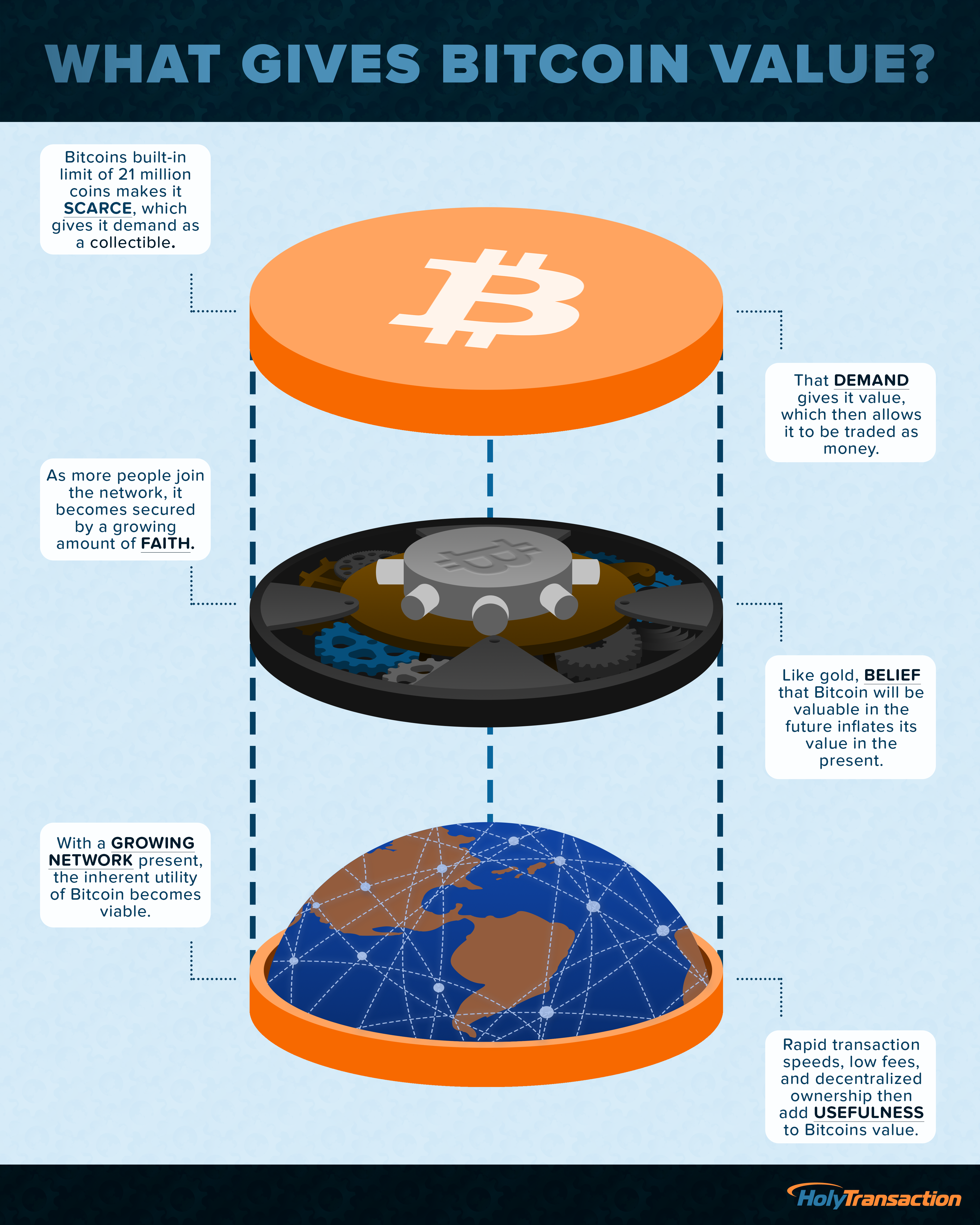
As more individuals and institutions bought, held, and traded Bitcoin, its network effects strengthened. The more users, developers, and businesses that adopted Bitcoin, the more valuable its network became. This growth led to increased liquidity, making it easier to buy and sell large quantities without significantly impacting the price. The proliferation of exchanges, custody solutions, and payment processors specifically designed for cryptocurrencies further enhanced its accessibility and utility as a financial asset. Greater liquidity reduces market friction and attracts even more participants, creating a virtuous cycle that reinforces its market value.
Macroeconomic Tailwinds and Hedging Qualities
Bitcoin’s value proposition has been significantly amplified by prevailing global macroeconomic conditions, positioning it as a potentially robust hedge against instability and a participant in the broader digital transformation of finance.
Inflationary Concerns and Fiat Debasement
The global financial landscape over the past decade has been characterized by unprecedented levels of quantitative easing, expansionary monetary policies, and rising national debts, particularly in the wake of financial crises and global pandemics. These actions have fueled concerns about inflation and the long-term stability of fiat currencies. In this environment, Bitcoin’s fixed supply and decentralized nature have made it an increasingly attractive inflation hedge. Investors, witnessing the erosion of purchasing power in traditional currencies, have increasingly turned to Bitcoin as a “hard asset” – a store of value designed to preserve wealth against inflationary pressures. This narrative has significantly contributed to its appeal and subsequent valuation spikes during periods of economic uncertainty.
Geopolitical Instability and Capital Flight
In times of geopolitical tension, conflict, or economic instability within specific nations, Bitcoin has emerged as a tool for capital flight and wealth preservation. Its borderless nature and resistance to censorship allow individuals and businesses to move value across international boundaries with relative ease, circumventing traditional financial controls and sanctions. This utility makes it particularly valuable in regions experiencing hyperinflation, political unrest, or financial repression. While this use case might represent a smaller segment of overall demand, it underscores a powerful financial utility that contributes to its overall value proposition as a resilient and globally accessible asset.
The Digital Transformation of Finance
Bitcoin’s rise is inextricably linked to the broader digital transformation of finance. As the world becomes increasingly digitized, the demand for digital assets and native digital forms of money grows. Bitcoin represents the vanguard of this shift, demonstrating the viability of decentralized, digital-native value transfer. Its success has paved the way for other cryptocurrencies, blockchain innovations, and the concept of digital ownership. Investors are not just buying a coin; they are investing in a paradigm shift towards a more transparent, efficient, and interconnected financial system. This forward-looking perspective on finance contributes to a long-term valuation model that anticipates its continued integration into the global economy.
Growing Utility and Ecosystem Development
While its primary value lies in its role as a store of value, the expanding utility of Bitcoin and the development of its surrounding ecosystem have also played a crucial role in cementing its financial standing and increasing its perceived worth.
Payments and Remittances (Limited but Growing)
Although often criticized for its volatility and transaction costs as a daily payment method, Bitcoin still offers a compelling solution for cross-border remittances and large-value transfers, especially in areas with limited access to traditional banking. For international payments, its speed and lower fees compared to conventional wire transfers can present a significant advantage. As more merchants and payment processors integrate Bitcoin, its utility as a medium of exchange, albeit specialized, adds another layer to its overall value proposition, moving beyond just a store of value to a functional component of the digital economy.
Layer-2 Solutions and Scalability Improvements
Addressing concerns about Bitcoin’s scalability and transaction speed for smaller payments, innovations like the Lightning Network have emerged. These “Layer-2” solutions operate on top of the main Bitcoin blockchain, enabling faster and cheaper transactions. From a financial perspective, such advancements enhance Bitcoin’s practicality and potential for broader adoption. By improving its functional utility for everyday financial interactions, these developments contribute to a more robust and versatile asset, potentially expanding its market beyond long-term holders to include more active users. This improved utility indirectly supports its value by broadening its appeal and use cases.
Derivatives and Investment Products
The maturation of the Bitcoin market has led to the development of a sophisticated ecosystem of financial products and derivatives. Futures contracts, options, exchange-traded funds (ETFs), and other regulated investment vehicles now allow a broader range of investors, including those in traditional finance, to gain exposure to Bitcoin without directly holding the asset. These products increase market liquidity, facilitate price discovery, and allow for more complex trading strategies and risk management. The creation of regulated financial instruments signals Bitcoin’s integration into mainstream financial markets, further legitimizing its status as a valuable asset and attracting even more capital.
Conclusion
Bitcoin’s journey to becoming a globally recognized valuable asset is a testament to a unique confluence of innovative design, fundamental economic principles, and evolving market dynamics. Its inherent scarcity, decentralized nature, and resilience against traditional financial pressures have solidified its reputation as “digital gold.” The predictable supply shocks from halving events, coupled with ever-increasing demand from both retail and institutional investors, have propelled its price appreciation. Furthermore, macroeconomic anxieties, particularly concerns over inflation and geopolitical instability, have positioned Bitcoin as a compelling hedge. Finally, the ongoing development of its ecosystem, including layer-2 solutions and sophisticated investment products, continues to expand its utility and accessibility. While its path remains characterized by volatility, Bitcoin’s enduring value stems from its profound ability to offer an alternative, independent, and increasingly relevant financial paradigm in the digital age.
aViewFromTheCave is a participant in the Amazon Services LLC Associates Program, an affiliate advertising program designed to provide a means for sites to earn advertising fees by advertising and linking to Amazon.com. Amazon, the Amazon logo, AmazonSupply, and the AmazonSupply logo are trademarks of Amazon.com, Inc. or its affiliates. As an Amazon Associate we earn affiliate commissions from qualifying purchases.