
In the rapidly evolving landscape of digital finance, Cash App has solidified its position as a ubiquitous platform for millions, fundamentally altering how individuals interact with their money. Far more than just a simple peer-to-peer payment service, Cash App integrates a suite of advanced technological functionalities, offering users a versatile digital wallet, banking services, and even investment capabilities. Understanding “how Cash App works” requires delving into its underlying technological architecture, user experience design, and robust security protocols that collectively deliver its seamless and intuitive operation. This guide will dissect the intricate mechanics behind Cash App, exploring its core features, security measures, and the technological infrastructure that powers this fintech giant.
The Foundation of Instant Peer-to-Peer Payments
At its heart, Cash App revolutionized the peer-to-peer (P2P) payment model, making it effortless for individuals to send and receive money instantaneously. This core functionality is built on a streamlined process designed for efficiency and user accessibility, leveraging modern mobile technology to connect users directly.
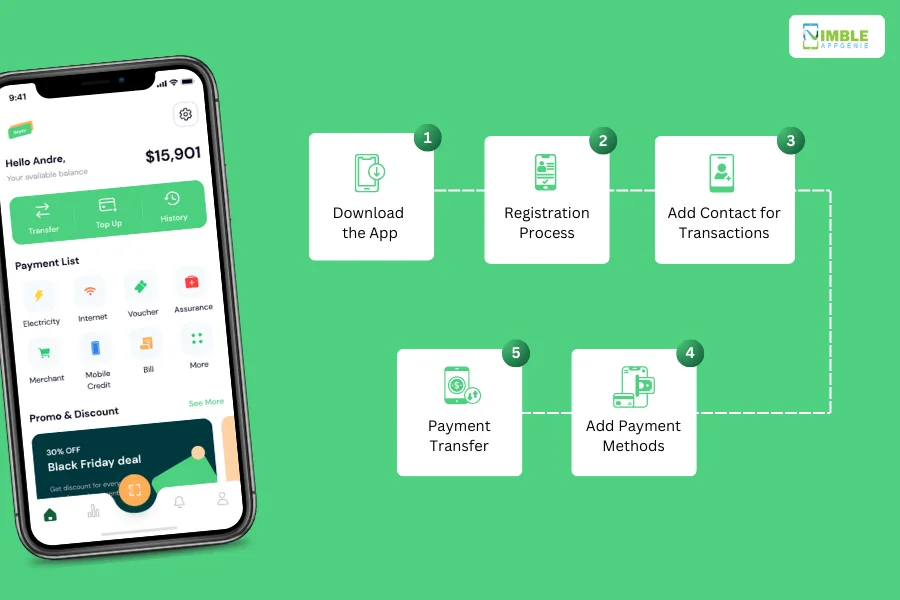
Setting Up Your Cash App Account: From Download to Verification
The journey with Cash App begins with a straightforward account setup process. Users download the app, which is available on both iOS and Android platforms, from their respective app stores. Upon installation, they are prompted to enter basic information, typically a phone number or email address, to create an account. This initial step usually involves a verification code sent to the chosen contact method, ensuring the user has access to that communication channel.
For full functionality, including higher sending limits and access to features like the Cash Card or Bitcoin trading, users must undergo a more comprehensive identity verification process. This often involves providing a full legal name, date of birth, and the last four digits of their Social Security Number (SSN). This data is cross-referenced with various databases to confirm identity, a critical step not only for regulatory compliance (Know Your Customer – KYC regulations) but also for enhancing overall platform security. The technology behind this verification process leverages secure data transmission and integration with third-party identity verification services to ensure accuracy and privacy.
Linking Financial Instruments: Cards, Bank Accounts, and the Cash App Balance
Once an account is established and, if necessary, verified, the next crucial step is linking external financial instruments. Cash App primarily integrates with debit cards and bank accounts. Users can link a debit card by manually entering the card number, expiration date, CVV, and billing zip code. This information is securely tokenized and stored, allowing for quick transactions without re-entering details. The app supports most major debit cards (Visa, MasterCard, American Express, Discover).
Linking a bank account typically involves using Plaid, a third-party service provider that securely connects to thousands of financial institutions. Users input their bank login credentials into Cash App, which then uses Plaid’s API to establish a secure, encrypted connection to retrieve necessary routing and account numbers. This method is preferred for its security and efficiency, avoiding the need for manual entry of complex banking details and often verifying ownership instantly. Funds can then be directly added (“cashed in”) from these linked accounts to the Cash App balance or withdrawn (“cashed out”) from the Cash App balance back to these accounts. The Cash App balance itself acts as a digital wallet, holding funds within the app’s ecosystem, ready for immediate use.
Sending and Receiving Money: The User Experience Flow
The core P2P payment mechanism is remarkably simple. To send money, a user taps the “$” icon, enters the desired amount, and then selects a recipient from their contacts or by manually entering their unique identifier (either a $Cashtag, phone number, or email). A confirmation screen displays the recipient and amount before the user authorizes the transaction, often with a PIN or biometric authentication.
Receiving money is even simpler; funds sent to a user’s associated phone number, email, or $Cashtag appear almost instantly in their Cash App balance. The technology underpinning this immediacy involves sophisticated real-time transaction processing systems. When a user sends money, the transaction is immediately logged and processed through Cash App’s internal ledgers. While the funds are technically transferred within the Cash App system, the user experience gives the impression of direct transfer, with near-instant availability in the recipient’s balance. This real-time processing capability is a cornerstone of its appeal, relying on high-availability servers and robust database management systems.
Beyond P2P: Exploring Cash App’s Extended Technological Features
Cash App has strategically expanded its feature set, evolving from a standalone P2P app into a multifaceted financial tool that rivals traditional banking services and even brokerage platforms. This expansion showcases its commitment to technological innovation and user convenience.
The Cash Card: A Virtual and Physical Debit Solution
One of Cash App’s most significant innovations is the Cash Card, a free, customizable debit card linked directly to a user’s Cash App balance. This card functions like any standard Visa debit card, allowing users to make purchases online and in physical stores, as well as withdraw cash from ATMs. The technological integration here is seamless: funds are debited directly from the Cash App balance, leveraging the existing Visa network.
Upon request, users can receive a physical Cash Card, but a virtual card is instantly available within the app upon order. This virtual card can be immediately added to digital wallets like Apple Pay or Google Pay, enabling contactless payments even before the physical card arrives. The technology enabling the Cash Card’s functionality involves secure API integrations with payment processors and the Visa network, ensuring that transactions are authorized, processed, and settled efficiently and securely. Features like “Boosts” – instant discounts at specific merchants – further enhance the card’s utility, with the underlying system applying discounts in real-time at the point of sale.
Direct Deposit Functionality: Banking Features and Routing Numbers
Cash App has ventured into basic banking services by offering direct deposit capabilities. When users activate this feature, they are provided with a unique routing number and account number, essentially establishing a virtual bank account within the Cash App ecosystem. This allows employers, government agencies, and other third parties to directly deposit paychecks, benefits, or tax refunds into their Cash App balance.
The technology behind this mimics traditional banking infrastructure. While Cash App is not a bank itself, it partners with licensed banks (like Sutton Bank or Lincoln Savings Bank) to provide these services. Cash App acts as the front-end interface, managing user accounts and transactions, while the partner bank handles the regulatory compliance and actual fund custody. This backend partnership allows Cash App to provide legitimate routing and account numbers, enabling standard ACH (Automated Clearing House) transfers for direct deposits, significantly expanding the app’s utility beyond casual P2P transfers.
Investing via Cash App: Simplifying Stock and Bitcoin Trading
Perhaps one of Cash App’s most ambitious technological expansions is its foray into investing, offering simplified access to stock and Bitcoin trading. Users can buy fractional shares of stocks for as little as $1, or purchase Bitcoin directly within the app.
For stock trading, Cash App partners with licensed brokerage firms (e.g., Cash App Investing LLC, a FINRA member, SIPC insured). The app’s interface simplifies the complex world of stock markets, allowing users to search for companies, view basic charts, and execute buy/sell orders with minimal friction. The technology involves robust API connections to market data providers and brokerage order execution systems. When a user places an order, it’s routed through the partner broker for execution on the open market.
Similarly, Bitcoin trading is integrated directly into the app. Cash App acts as a custodial service, holding users’ Bitcoin on their behalf. The technology here involves secure wallet management, real-time pricing feeds from cryptocurrency exchanges, and robust transaction processing for buying and selling. While simplified, it provides a gateway for many users to enter the cryptocurrency market without navigating more complex exchange platforms, showcasing Cash App’s ability to abstract complex financial technologies into user-friendly features.
Security Architecture and User Protection
Given its role in managing personal finances, Cash App places immense emphasis on security. Its technological framework incorporates multiple layers of protection to safeguard user data, funds, and transactions against unauthorized access and fraud.
Encryption and Data Safeguards: Protecting User Information and Transactions
All data transmitted between the Cash App and its servers is secured using state-of-the-art encryption protocols, specifically Transport Layer Security (TLS) and Secure Sockets Layer (SSL). This ensures that sensitive information, such as financial details, personal identifiers, and transaction data, remains private and inaccessible to eavesdroppers. Furthermore, Cash App employs advanced encryption at rest for stored data on its servers, preventing unauthorized access even if a data breach were to occur at the storage level. Data centers are typically protected by physical security measures, and access is strictly controlled, mirroring industry best practices for financial institutions.
Authentication Measures: PIN, Fingerprint, and Facial Recognition
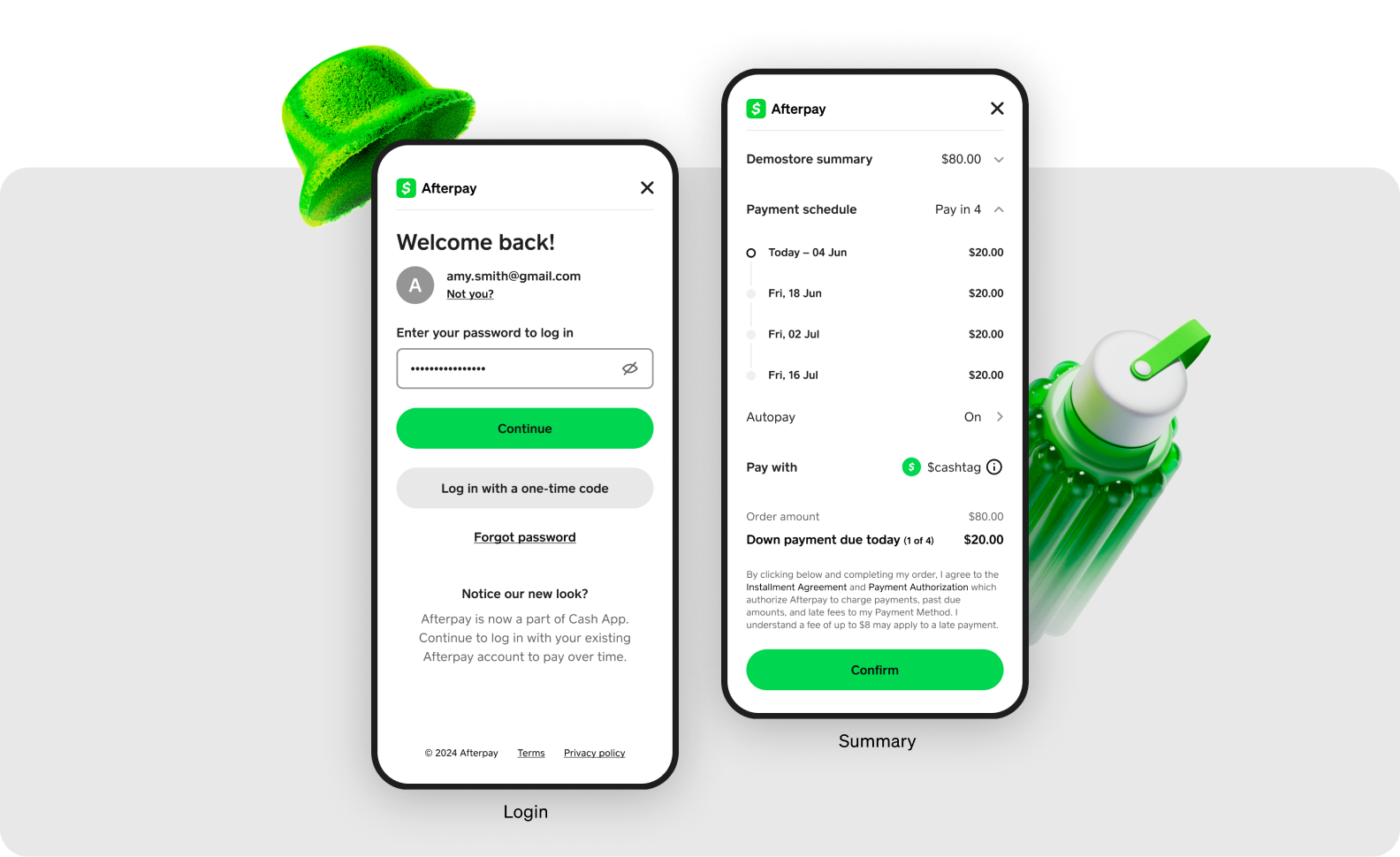
Cash App implements robust authentication mechanisms to protect user accounts. Beyond basic password protection, users can enable a Security Lock, requiring a PIN, fingerprint (Touch ID), or facial recognition (Face ID) for every payment or even just to open the app. This multi-factor authentication (MFA) adds a significant layer of security, ensuring that even if a device is lost or stolen, unauthorized individuals cannot easily access the Cash App or initiate transactions. The integration of biometric authentication leverages the secure enclave hardware present in modern smartphones, ensuring that biometric data is processed locally and never leaves the device.
Fraud Prevention and Dispute Resolution: Algorithmic Monitoring and Support Mechanisms
Cash App employs sophisticated fraud detection algorithms that continuously monitor transactions for suspicious activity. These algorithms analyze various parameters, including transaction patterns, amounts, locations, and frequency, to identify and flag potentially fraudulent transfers. If an anomalous transaction is detected, the system may automatically block it, notify the user, or prompt for additional verification.
For instances of unauthorized transactions or disputes, Cash App provides a dedicated support channel. While immediate resolution isn’t always possible due to the nature of digital transactions, their security teams investigate reported incidents, leveraging transaction logs and user-provided information. The platform also educates users on common scams and best practices for secure usage, recognizing that user awareness is a crucial component of overall security. This blend of technological safeguards and active user support forms a comprehensive security posture.
The Technological Infrastructure Powering Cash App
The seamless operation of Cash App is a testament to its robust and scalable technological infrastructure, which is designed to handle millions of transactions daily while maintaining high availability and responsiveness.
Backend Systems and Cloud Computing: Scalability and Reliability
Cash App’s backend infrastructure primarily leverages cloud computing platforms, likely Amazon Web Services (AWS) or Google Cloud, for their scalability, reliability, and global reach. This allows Cash App to dynamically scale its resources up or down based on demand, ensuring consistent performance even during peak usage times. The use of microservices architecture is probable, where different functionalities (e.g., P2P payments, Cash Card transactions, investment features) are run as independent services. This approach enhances resilience, as the failure of one service does not impact the entire system, and allows for rapid development and deployment of new features. Redundant servers and data backups across multiple geographic regions further ensure high availability and disaster recovery capabilities.
API Integrations and Third-Party Partnerships: Expanding Functionality
A significant part of Cash App’s technological prowess comes from its extensive use of Application Programming Interfaces (APIs) and strategic partnerships. As previously mentioned, services like Plaid for bank linking, Visa/MasterCard for Cash Card processing, and licensed brokerages for investing are integrated via secure APIs. These integrations allow Cash App to extend its functionalities without having to build every service from scratch, enabling rapid feature development and compliance with diverse industry standards. The robust management of these APIs, including rate limiting, authentication, and error handling, is critical to maintaining system stability and security.
User Interface (UI) and User Experience (UX) Design Principles: Intuitive and Accessible Design
Beyond the backend, Cash App’s success is heavily attributed to its exceptional User Interface (UI) and User Experience (UX) design. The app is renowned for its minimalist, intuitive, and visually appealing design. The UI is clean, with easily identifiable icons and a straightforward navigation flow that minimizes complexity for users. The UX principles focus on reducing friction in financial transactions, making tasks like sending money or buying Bitcoin feel as simple as sending a text message. This involves careful consideration of user psychology, interaction design, and iterative testing to ensure that the app is accessible and usable for a broad demographic, regardless of their technological proficiency. This commitment to design excellence is a key technological differentiator.
Future Trajectories and Technological Evolution
Cash App’s journey is far from over. The company continues to innovate, exploring new technologies and expanding its offerings to maintain its competitive edge and cater to the evolving needs of its user base.
Emerging Features and Beta Programs: Staying Ahead in Fintech
Cash App constantly experiments with new features, often rolling them out in beta programs to a select group of users for testing and feedback. This agile development approach allows them to quickly iterate and introduce new functionalities. Potential future features could include enhanced budgeting tools, integration with decentralized finance (DeFi) protocols (beyond just Bitcoin), expanded international transfer capabilities, or even advanced credit products. The underlying technology stack is designed to be flexible and modular, facilitating the rapid deployment of these emerging features without disrupting core services.
The Role of AI and Machine Learning: Enhancing Security and Personalization
Artificial Intelligence (AI) and Machine Learning (ML) are increasingly vital in fintech, and Cash App is no exception. These technologies are already crucial for advanced fraud detection, identifying patterns that human analysts might miss. In the future, AI/ML could be further leveraged for hyper-personalization, offering tailored financial insights, product recommendations, or even proactive financial advice based on a user’s spending habits and financial goals. Machine learning models can analyze vast datasets to predict user behavior, optimize transaction routing, and enhance customer support through intelligent chatbots, making the app even more intelligent and responsive.
Interoperability and the Broader Digital Economy: Cash App’s Place in the Future of Finance
As the digital economy matures, interoperability across different financial platforms and services will become paramount. Cash App is well-positioned to play a significant role in this future. Its robust API integrations and focus on user experience allow it to seamlessly connect with other digital services. Whether it’s enabling easier integration with e-commerce platforms, facilitating cross-border payments with greater ease, or potentially engaging with central bank digital currencies (CBDCs), Cash App’s technological framework is built to adapt. Its continued evolution will likely see it further cementing its place as a central hub in users’ digital financial lives, pushing the boundaries of what a mobile payment application can achieve.
In conclusion, Cash App is a powerful illustration of modern fintech innovation. Its success is not merely due to its simple interface but stems from a sophisticated technological architecture that integrates secure P2P payments, traditional banking functionalities, and investment opportunities into a single, cohesive platform. From its robust security protocols and cloud-based infrastructure to its emphasis on intuitive UI/UX design and continuous feature development, Cash App exemplifies how technology can democratize financial services and reshape our interaction with money in the digital age.
aViewFromTheCave is a participant in the Amazon Services LLC Associates Program, an affiliate advertising program designed to provide a means for sites to earn advertising fees by advertising and linking to Amazon.com. Amazon, the Amazon logo, AmazonSupply, and the AmazonSupply logo are trademarks of Amazon.com, Inc. or its affiliates. As an Amazon Associate we earn affiliate commissions from qualifying purchases.