
Discovering you owe money to the IRS can be a source of significant anxiety, but it’s a situation many taxpayers face at some point. The key to mitigating stress and avoiding further penalties lies in understanding how to proactively check your tax status and, if necessary, address any outstanding obligations. Ignoring the issue won’t make it disappear; in fact, it can lead to mounting penalties, interest, and more severe enforcement actions from the tax authority. This guide will equip you with the knowledge and tools to accurately determine your tax liability, navigate the IRS’s systems, and take appropriate action, fostering peace of mind and financial responsibility.
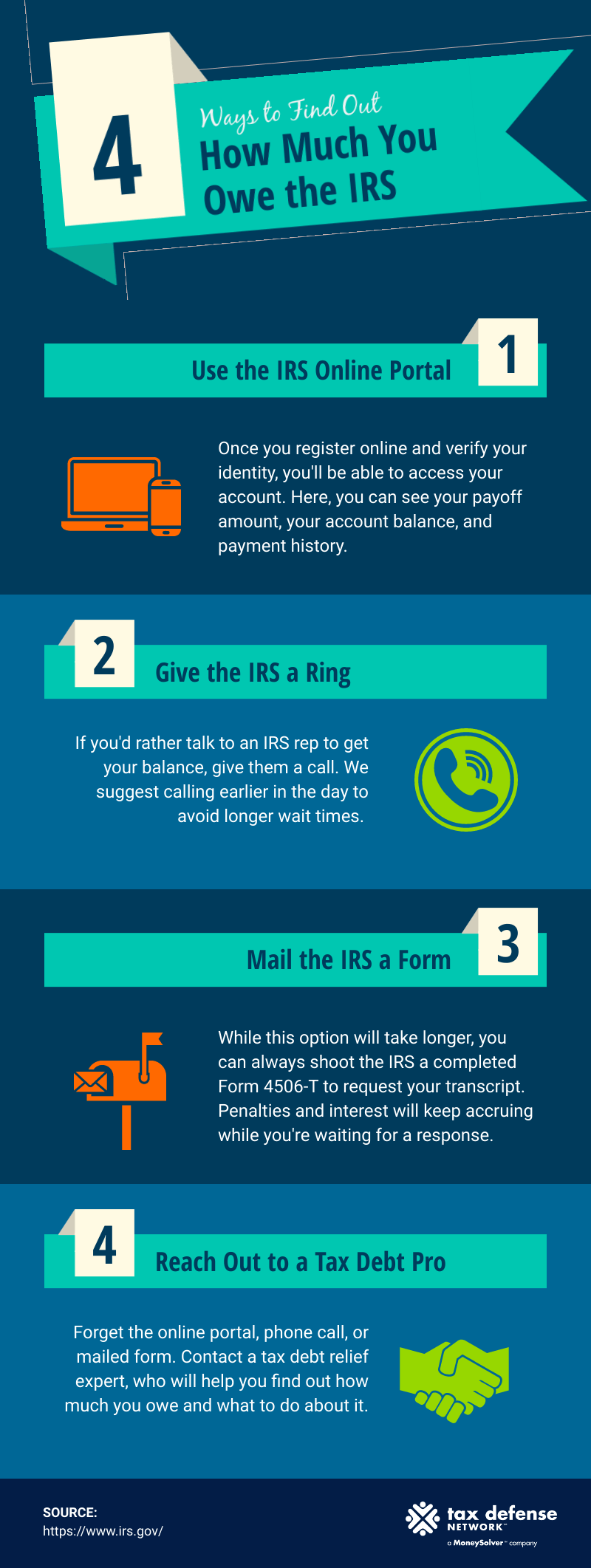
Whether you’ve received a suspicious notice, are unsure about a previous filing, or simply want to ensure your financial house is in order, knowing your options for checking your IRS account is crucial. This article delves into the official channels available, explores common reasons why taxpayers might incur debt, and outlines the practical steps to take if you find yourself owing. By adopting a proactive approach, you can turn potential tax headaches into manageable financial tasks, ensuring compliance and safeguarding your financial well-being.
Official Channels for Checking Your IRS Account
The Internal Revenue Service (IRS) provides several reliable methods for taxpayers to ascertain their current tax account status, including whether they owe money, the amount owed, and past payment history. Utilizing these official channels is the most accurate way to get information directly from the source. Relying on unofficial sources or hearsay can lead to misinformation and unnecessary complications.
IRS Online Account
The IRS Online Account is arguably the most convenient and comprehensive tool for individual taxpayers to manage their tax information. This secure portal allows you to access a wealth of data about your federal tax account from the comfort of your home. To use this service, you’ll need to create an account and verify your identity, a process designed to protect your sensitive financial information.
Once logged in, you can view your tax balance, including any amounts you owe, your payment history for the last 18 months, and key information from your most recently filed tax return. It also provides access to tax transcripts, which offer a detailed breakdown of your filed returns, wage and income statements, and account activity. You can also make payments directly through this portal or set up a payment plan if you can’t pay your full balance immediately. The ability to quickly check your balance and payment status makes the IRS Online Account an indispensable resource for tax oversight.
Requesting Tax Transcripts
Tax transcripts are official documents from the IRS that summarize various aspects of your tax history. They can be incredibly useful for determining if you owe money, verifying past income, or understanding previous tax adjustments made by the IRS. There are several types of transcripts, each serving a distinct purpose:
-
Tax Return Transcript: Shows most line items from your original tax return (Form 1040, 1040A, or 1040EZ) as it was originally filed, along with any forms and schedules. It does not include changes made after the original return was filed.
-
Tax Account Transcript: Provides basic data such as marital status, type of return filed, and payment history. It shows any adjustments made by you or the IRS after the return was filed. This transcript is particularly useful for seeing if an outstanding balance exists.
-
Record of Account Transcript: Combines the information from the tax return transcript and the tax account transcript. It includes all line items from the return and information about subsequent adjustments.
-
Wage and Income Transcript: Displays data from information returns, such as Forms W-2, 1099, 1098, and Form 5498, IRA Contribution Information. This is crucial for verifying all reported income against your filed return.
You can request these transcripts online via the “Get Transcript Online” tool on the IRS website, which provides immediate access if you can verify your identity. Alternatively, you can use the “Get Transcript by Mail” option, which sends transcripts to your address of record within 5 to 10 calendar days. For those without internet access, transcripts can also be requested by calling the IRS.
Contacting the IRS Directly
While online tools offer convenience, sometimes a direct conversation with an IRS representative is necessary, especially for complex inquiries or if you prefer speaking to a person. The IRS provides several dedicated phone lines for taxpayer assistance. The main number for individual tax questions is typically available on the IRS website, along with operating hours.
Before calling, it’s advisable to have all relevant information at hand, including your Social Security number, date of birth, filing status, and a copy of your last filed tax return. Be prepared for potentially long wait times, particularly during peak tax season. When you connect with a representative, clearly explain your reason for calling – that you wish to determine if you owe the IRS – and they can access your account details and provide specific information regarding your balance due, payment options, and historical data.
Mail Notices from the IRS
Perhaps the most direct way to find out you owe money to the IRS is through official mail notices. The IRS frequently communicates with taxpayers via postal mail, sending various letters and notices to inform them of account changes, proposed adjustments, or outstanding balances. It’s critical to open and review all IRS mail promptly, as these documents contain vital information and often include deadlines for response or payment.
Common notices indicating you owe money include:
-
CP14: Notice of an underpayment of tax for a specific tax year.
-
CP501/CP504: Reminder notices for an unpaid balance, sometimes including the intention to levy.
-
LT11/LT16: Final notices of intent to levy (seize property or wages) if the tax debt remains unpaid.
Upon receiving such a notice, verify its authenticity (the IRS never initiates contact via email, text, or social media regarding tax debt). Then, carefully read the notice to understand the reason for the debt, the amount owed, and the deadline for payment or response. If you disagree with the notice or need clarification, contact the IRS using the number provided on the letter or consult a tax professional.
Understanding Common Reasons You Might Owe
Tax debt isn’t always a result of intentional evasion; often, it stems from common misunderstandings or life changes that impact a taxpayer’s financial situation. Understanding these frequent scenarios can help you prevent future debt and contextualize any current obligations.
Insufficient Withholding/Estimated Payments
One of the most common reasons for owing the IRS is insufficient tax withholding from paychecks or inadequate estimated tax payments.
-
W-4 Adjustments: Employees typically have federal income tax withheld from their wages based on the information provided on Form W-4. If you don’t adjust your W-4 accurately, especially after life events like marriage, divorce, having children, or taking on a second job, you might not be withholding enough. The goal is to have your withholding closely match your actual tax liability.
-
Estimated Taxes: Self-employed individuals, independent contractors, gig workers, and those with substantial income from investments, interest, or dividends generally don’t have taxes withheld from these income sources. They are required to pay estimated taxes quarterly throughout the year to cover their tax obligations. Failure to do so, or underestimating these payments, can lead to a significant tax bill at year-end, along with potential penalties for underpayment.
Missing or Incorrect Information on Your Return
Even careful filers can make mistakes. Data entry errors, such as transposing numbers for income or deductions, can lead to an inaccurate calculation of your tax liability. Furthermore, simply forgetting to report certain income sources – like interest from a new savings account, small dividends, or income from a minor freelance gig – can result in under-reported income and a subsequent tax bill once the IRS matches data from third-party reports (e.g., Form 1099-INT, 1099-DIV, 1099-NEC). The IRS uses sophisticated computer programs to cross-reference reported income from various sources with what you declare on your return. Discrepancies often trigger a notice and a demand for additional tax.
Late Filing or Non-Filing
The IRS imposes penalties for both failure to file and failure to pay. If you don’t file your tax return by the due date (usually April 15th), you’ll likely incur a failure-to-file penalty, which is generally 5% of the unpaid taxes for each month or part of a month that a return is late, capped at 25% of your unpaid tax. If you file on time but don’t pay your taxes, a failure-to-pay penalty applies, typically 0.5% of the unpaid taxes for each month or part of a month the taxes remain unpaid, also capped at 25%. Importantly, the failure-to-file penalty is usually ten times higher than the failure-to-pay penalty. Even if you can’t afford to pay, always file on time to avoid the more severe penalty.
Audits and Examinations

While less common, an IRS audit or examination can also result in a determination that you owe additional taxes. During an audit, the IRS reviews your tax return to verify the accuracy of your income, deductions, and credits. If the auditor finds discrepancies or believes certain claims are unsubstantiated, they may adjust your tax liability, leading to a demand for additional payment. This process usually involves correspondence with the IRS, requests for documentation, and potentially interviews.
What to Do If You Find Out You Owe
Discovering you owe the IRS can be daunting, but it’s crucial to address the situation promptly and strategically. Ignoring the debt will only lead to increased penalties and interest, and potentially more severe enforcement actions.
Paying Your Tax Bill
The most straightforward solution, if you have the funds, is to pay your tax bill in full. The IRS offers several convenient payment options:
-
IRS Direct Pay: Pay directly from your checking or savings account for free.
-
Debit Card, Credit Card, or Digital Wallet: Use a third-party processor; fees may apply.
-
Electronic Federal Tax Payment System (EFTPS): A free service provided by the Treasury Department. Requires enrollment.
-
Check or Money Order: Mail your payment with a payment voucher (Form 1040-V) to the IRS.
-
Cash: Pay through authorized retail partners like PayNearMe.
Paying as much as you can, as soon as you can, will minimize interest and penalties. Even if you can’t pay the full amount, paying a partial amount is always better than paying nothing.
Setting Up a Payment Plan
If you cannot pay your tax debt in full immediately, the IRS offers several options for taxpayers to manage their obligations:
-
Short-Term Payment Plan: You may be granted up to 180 additional days to pay your tax liability in full, although interest and penalties still apply. This is an option if you need a little more time but anticipate being able to pay the full amount within six months.
-
Installment Agreement: If you need more than 180 days, an installment agreement allows you to make monthly payments for up to 72 months (six years). You can apply online, by phone, or by mail. While interest and penalties still accrue, they may be reduced. This option is generally available if you owe a combined total of under $50,000 (for individuals) or $25,000 (for businesses) in tax, penalties, and interest.
-
Offer in Compromise (OIC): An OIC allows certain taxpayers to resolve their tax liability with the IRS for a lower amount than what they originally owe. This is typically granted when taxpayers are experiencing significant financial difficulty and cannot pay their full tax debt. The IRS considers your ability to pay, your income, expenses, and asset equity when evaluating an OIC. It’s a complex process and usually requires professional assistance.
Seeking Professional Help
For complex tax situations, significant debt, or if you feel overwhelmed, seeking assistance from a qualified tax professional is highly recommended.
-
Certified Public Accountants (CPAs): Can provide tax planning, preparation, and representation services.
-
Enrolled Agents (EAs): Federally licensed tax practitioners who specialize in taxation and have unlimited rights to represent taxpayers before the IRS.
-
Tax Attorneys: Lawyers specializing in tax law, particularly useful for audits, appeals, and legal disputes with the IRS.
These professionals can help you understand your options, negotiate with the IRS, prepare necessary forms, and potentially reduce your overall tax burden or penalties. They can also ensure that any payment plans or resolutions are structured optimally for your financial situation.
Understanding Penalties and Interest
When you owe the IRS, it’s not just the original tax amount you need to worry about. The IRS levies penalties and charges interest on unpaid balances.
-
Failure to File Penalty: As mentioned, this is generally 5% of the unpaid taxes for each month or part of a month that a tax return is late, up to a maximum of 25% of your unpaid tax.
-
Failure to Pay Penalty: This is 0.5% of the unpaid taxes for each month or part of a month that taxes remain unpaid, also capped at 25% of your unpaid tax.
-
Accuracy-Related Penalties: If the IRS determines your underpayment resulted from negligence or substantial understatement of income, additional penalties of 20% of the underpayment may apply.
-
Interest: Interest is charged on underpayments, including penalties, and it compounds daily. The interest rate is the federal short-term rate plus 3 percentage points, which adjusts quarterly.
Understanding these charges can motivate you to resolve your debt quickly, as they can significantly increase the total amount owed over time. In some cases, the IRS may abate (remove) penalties, especially for first-time offenders or if you can demonstrate reasonable cause for the failure to file or pay. However, interest is rarely abated.
Proactive Steps to Prevent Future Tax Debt
The best way to manage tax debt is to prevent it from happening in the first place. Adopting proactive financial habits and understanding your tax obligations throughout the year can save you significant stress and money.
Regular Review of Withholding
Make it a habit to review your tax withholding on Form W-4 annually, or whenever significant life events occur. Events such as getting married, having a child, purchasing a home, starting a new job, or experiencing a major change in income (e.g., starting a side hustle) can all impact your tax liability. Use the IRS Tax Withholding Estimator tool on the IRS website to ensure your withholding accurately reflects your anticipated income and deductions. For self-employed individuals, regularly reassess your estimated tax payments to ensure they cover your projected income for the year.
Keeping Meticulous Records
Good record-keeping is the cornerstone of effective tax management. Maintain organized records of all income sources (W-2s, 1099s, bank statements), expenses (receipts, mileage logs, credit card statements), and documentation for deductions and credits you claim. This practice not only simplifies tax preparation but also provides crucial evidence if your return is ever audited. Digital record-keeping, using cloud storage or accounting software, can make this process more efficient and secure.
Filing on Time, Even if You Can’t Pay
As previously discussed, the penalty for failure to file is significantly higher than the penalty for failure to pay. Always file your tax return or an extension by the April 15th deadline, even if you anticipate not being able to pay the full amount you owe. An extension gives you more time to file, typically until October 15th, but it does not extend the time to pay your taxes. If you owe, you should still pay as much as you can by the original deadline to minimize penalties and interest.
Utilizing Tax Planning Resources
Engage in proactive tax planning throughout the year, rather than just at tax time. This can involve setting aside funds for tax obligations, especially if you have variable income. Consider consulting with a financial advisor or tax professional who can offer personalized strategies to minimize your tax liability legally, identify potential deductions and credits, and help you structure your finances in a tax-efficient manner. Leveraging tax software with planning features can also provide valuable insights into your tax situation before the filing deadline.
By taking these proactive measures, you can gain greater control over your tax situation, minimize the chances of accumulating tax debt, and ensure a smoother, less stressful interaction with the IRS.

Conclusion
Navigating your tax obligations with the IRS doesn’t have to be an overwhelming ordeal. By understanding the various official channels available to check your account status, recognizing common reasons for tax debt, and knowing the steps to take if you owe, you empower yourself to manage your financial responsibilities effectively. Whether it’s through the convenience of the IRS Online Account, the detailed information of tax transcripts, or direct communication with an IRS representative, clarity regarding your tax standing is always within reach.
Furthermore, adopting proactive habits like regularly reviewing your withholding, maintaining meticulous records, and engaging in year-round tax planning can significantly reduce the likelihood of unexpected tax bills. Remember, ignoring a potential tax debt only exacerbates the problem, leading to increased penalties and interest. Instead, face the situation head-on, leverage the resources provided by the IRS, and don’t hesitate to seek professional guidance when needed. By taking these thoughtful, informed steps, you can ensure compliance, achieve peace of mind, and maintain a healthy financial relationship with the nation’s tax authority.
aViewFromTheCave is a participant in the Amazon Services LLC Associates Program, an affiliate advertising program designed to provide a means for sites to earn advertising fees by advertising and linking to Amazon.com. Amazon, the Amazon logo, AmazonSupply, and the AmazonSupply logo are trademarks of Amazon.com, Inc. or its affiliates. As an Amazon Associate we earn affiliate commissions from qualifying purchases.