
The transition from a casual observer of the economy to an active participant in the stock market is one of the most significant steps an individual can take toward long-term financial independence. Historically, the world of equities was guarded by high commissions and complex barriers to entry. Today, however, the digital revolution has democratized access, allowing anyone with a smartphone and a few dollars to own a piece of the world’s most successful corporations.
Yet, while the “how” of buying stocks has become physically easier, the strategic requirements for success remain rigorous. Buying a stock is not merely a transaction; it is a commitment of capital based on a thesis of future value. This guide provides a detailed roadmap for navigating the stock market, from the initial financial preparation to the execution of your first trade and the long-term management of a diversified portfolio.

Preparing the Financial Foundation: What You Need Before Your First Trade
Before clicking the “buy” button, an investor must ensure their personal financial house is in order. Investing in the stock market involves inherent risks, and using capital that is needed for immediate living expenses can lead to disastrous emotional decision-making.
Assessing Your Financial Readiness and Emergency Reserves
The first rule of investing is to never invest money you cannot afford to lose in the short term. Before entering the market, you should have an emergency fund covering three to six months of living expenses. This liquidity acts as a psychological buffer; it ensures that if the market enters a downturn, you aren’t forced to sell your positions at a loss to pay for an unexpected car repair or medical bill. Additionally, high-interest debt, such as credit card balances, should generally be paid off before investing, as the interest rates on that debt often exceed the average annual returns of the stock market.
Defining Your Investment Goals and Time Horizon
Are you investing for a retirement that is thirty years away, or are you looking to grow a down payment for a house in five years? Your “time horizon” is the single most important factor in determining how you buy stocks. A long-term horizon allows you to weather the market’s natural volatility, while a shorter horizon requires a more conservative approach. Understanding your goals will dictate whether you should focus on aggressive growth stocks, stable dividend-paying blue chips, or broad-market index funds.
Understanding Risk Tolerance and Market Volatility
Risk tolerance is an individual’s emotional and financial ability to withstand a drop in the value of their investments. The stock market does not move in a straight line. Investors must be honest with themselves: how would you react if your portfolio dropped 20% in a single month? If that scenario would cause panic, your strategy should lean toward lower-volatility assets. Building a foundation of financial literacy regarding risk is essential to prevent the “buy high, sell low” cycle that plagues many novice investors.
Choosing the Right Brokerage Platform
To buy stocks, you need a brokerage account. This is a specialized financial account that acts as a bridge between you and the stock exchanges (like the NYSE or Nasdaq). With the rise of fintech, the options are more varied than ever.
Full-Service vs. Discount and Online Brokers
In the past, investors relied on full-service brokers who provided personalized advice and executed trades for high fees. Today, most individual investors use online discount brokers or mobile-first platforms. Modern platforms like Charles Schwab, Fidelity, or Vanguard offer robust research tools and $0 commission trades on stocks and ETFs. For those who prefer a simplified, mobile-centric experience, apps like Robinhood or Public have streamlined the interface, though they may offer fewer deep-analytical tools than traditional firms.
Fee Structures and Account Minimums
While many brokers have moved to a zero-commission model for domestic stocks, it is vital to read the fine print. Some platforms may still charge for options trading, international stocks, or wire transfers. Additionally, check for account minimums. Many modern brokers allow you to start with as little as $1, but some specialized accounts or mutual funds may require a larger initial deposit.
Utilizing Fractional Shares for Accessibility
One of the most significant innovations for the modern investor is the “fractional share.” Some stocks, like those of major tech giants or conglomerates, can trade for hundreds or even thousands of dollars per single share. Fractional shares allow you to invest a specific dollar amount (e.g., $10) into a company, regardless of its share price. This is a powerful tool for those starting with smaller amounts of capital, as it allows for immediate diversification without needing a massive bankroll.
The Step-by-Step Process of Purchasing Your First Share

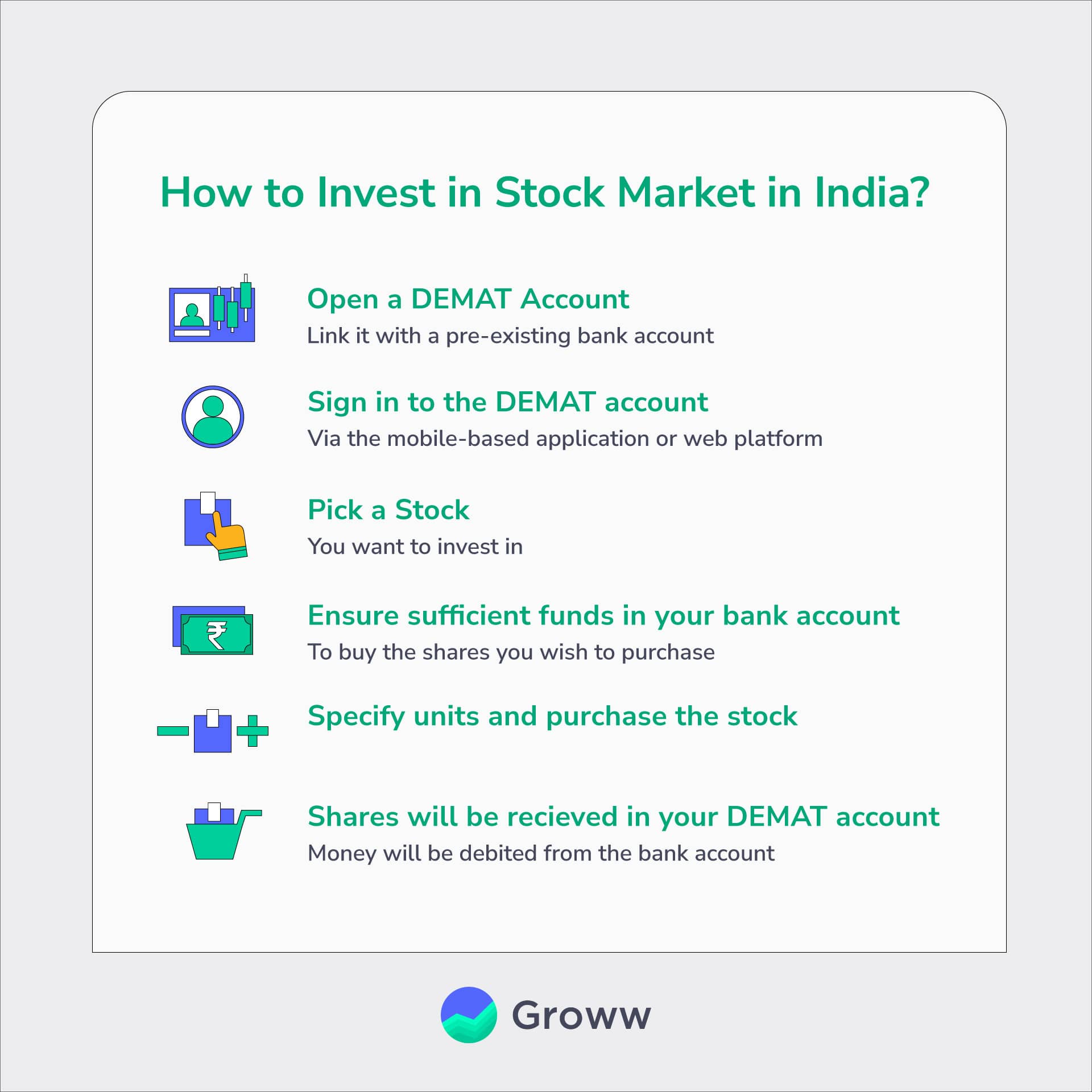
Once your account is funded, the actual process of buying a stock is straightforward but requires attention to detail.
Researching Ticker Symbols and Market Data
Every publicly traded company is identified by a “ticker symbol”—a unique arrangement of letters (e.g., AAPL for Apple, TSLA for Tesla). Before buying, you must research the company’s fundamentals: its earnings, debt levels, and competitive position in the market. Most brokerage platforms provide “Snapshots” that include the P/E (Price-to-Earnings) ratio, dividend yield, and historical performance.
Executing the Trade: Market Orders vs. Limit Orders
When you are ready to buy, you will encounter two primary order types:
- Market Order: This instructs the broker to buy the stock immediately at the best available current price. While this guarantees the trade will happen quickly, the final price might be slightly different than the last one you saw, especially in volatile markets.
- Limit Order: This allows you to set a maximum price you are willing to pay. The trade will only execute if the stock price hits your specified limit or lower. This offers more control over your entry point and protects you from “gaps” in pricing.
Understanding the Bid-Ask Spread
When looking at a stock’s price, you will see a “Bid” (the highest price a buyer is willing to pay) and an “Ask” (the lowest price a seller is willing to accept). The difference between these two is the “spread.” For highly liquid stocks like Microsoft, the spread is usually just a penny. For smaller, less-traded companies, the spread can be wider, which effectively increases the cost of entering or exiting a position.
Building a Diversified Portfolio Strategy
Buying one stock makes you a shareholder; buying a variety of stocks makes you an investor with a strategy. Diversification is the only “free lunch” in finance, as it reduces risk without necessarily sacrificing returns.
Individual Stocks vs. ETFs and Index Funds
For many beginners, buying individual stocks is exciting but risky. An alternative is an Exchange-Traded Fund (ETF) or an Index Fund. These funds hold a basket of dozens or hundreds of stocks. For example, buying an S&P 500 index fund gives you exposure to 500 of the largest U.S. companies simultaneously. This mitigates the “single-stock risk”—the danger that one company’s bad news will ruin your entire investment.
The Power of Dollar-Cost Averaging (DCA)
Trying to “time the market” (buying at the absolute bottom) is a losing game for most. A more effective strategy is Dollar-Cost Averaging. This involves investing a fixed amount of money at regular intervals (e.g., $200 every month), regardless of the stock’s price. When prices are high, your $200 buys fewer shares; when prices are low, it buys more. Over time, this lowers your average cost per share and removes the emotional stress of market timing.
Rebalancing and Long-Term Maintenance
A portfolio is not a “set it and forget it” instrument. Over time, some stocks will grow faster than others, causing your portfolio to become overweight in one sector (like Tech). Periodically—perhaps once or twice a year—you should “rebalance” by selling some of your winners and buying more of your underperformers to return to your original desired asset allocation.
Tax Considerations and When to Sell
Buying the stock is only half the journey. The “Money” niche requires a keen understanding of how the government views your gains.
Capital Gains and Dividend Taxes
When you sell a stock for more than you paid, you realize a capital gain. If you held the stock for less than a year, it is a “short-term capital gain,” taxed at your ordinary income rate. If you held it for more than a year, it qualifies for “long-term capital gains” rates, which are significantly lower. Additionally, many stocks pay dividends—a portion of company profits distributed to shareholders—which are also subject to specific tax rules.
The Psychology of Selling
Deciding when to sell is often harder than deciding when to buy. Professional investors generally sell for three reasons: the original investment thesis has changed (the company is no longer performing as expected), the stock has reached its target valuation, or they need to rebalance their portfolio. Selling based on fear during a market crash is a common mistake that interrupts the power of compounding interest.
Utilizing Tax-Advantaged Accounts
To maximize your returns, consider buying stocks within tax-advantaged accounts like an IRA or a 401(k). These accounts offer tax deductions or tax-free growth, allowing your money to compound much faster than in a standard taxable brokerage account.
In conclusion, buying stocks is a powerful mechanism for wealth creation that is now accessible to nearly everyone. By focusing on financial readiness, choosing the right tools, understanding the mechanics of a trade, and maintaining a disciplined, long-term strategy, you can transform from a consumer into an owner. The key is not to find the “perfect” stock, but to develop a consistent, rational approach to the market that aligns with your personal financial goals.
aViewFromTheCave is a participant in the Amazon Services LLC Associates Program, an affiliate advertising program designed to provide a means for sites to earn advertising fees by advertising and linking to Amazon.com. Amazon, the Amazon logo, AmazonSupply, and the AmazonSupply logo are trademarks of Amazon.com, Inc. or its affiliates. As an Amazon Associate we earn affiliate commissions from qualifying purchases.