
Starting a new business is an endeavor filled with excitement, challenge, and immense potential. While vision and passion are crucial, the bedrock of any successful venture is sound financial planning and management. Far from being a mere afterthought, understanding the financial landscape of your nascent business from day one is paramount to its survival and eventual prosperity. This guide will delve into the essential financial considerations and steps required to launch a new business, exclusively through the lens of money – from initial funding to sustainable financial growth.
I. Laying the Financial Foundation: Planning and Feasibility
Before investing a single dollar or committing significant time, a thorough financial assessment is non-negotiable. This initial phase involves meticulous planning, research, and realistic projections to determine the viability and potential profitability of your business idea. Ignoring these steps can lead to severe financial distress, often prematurely ending promising ventures.
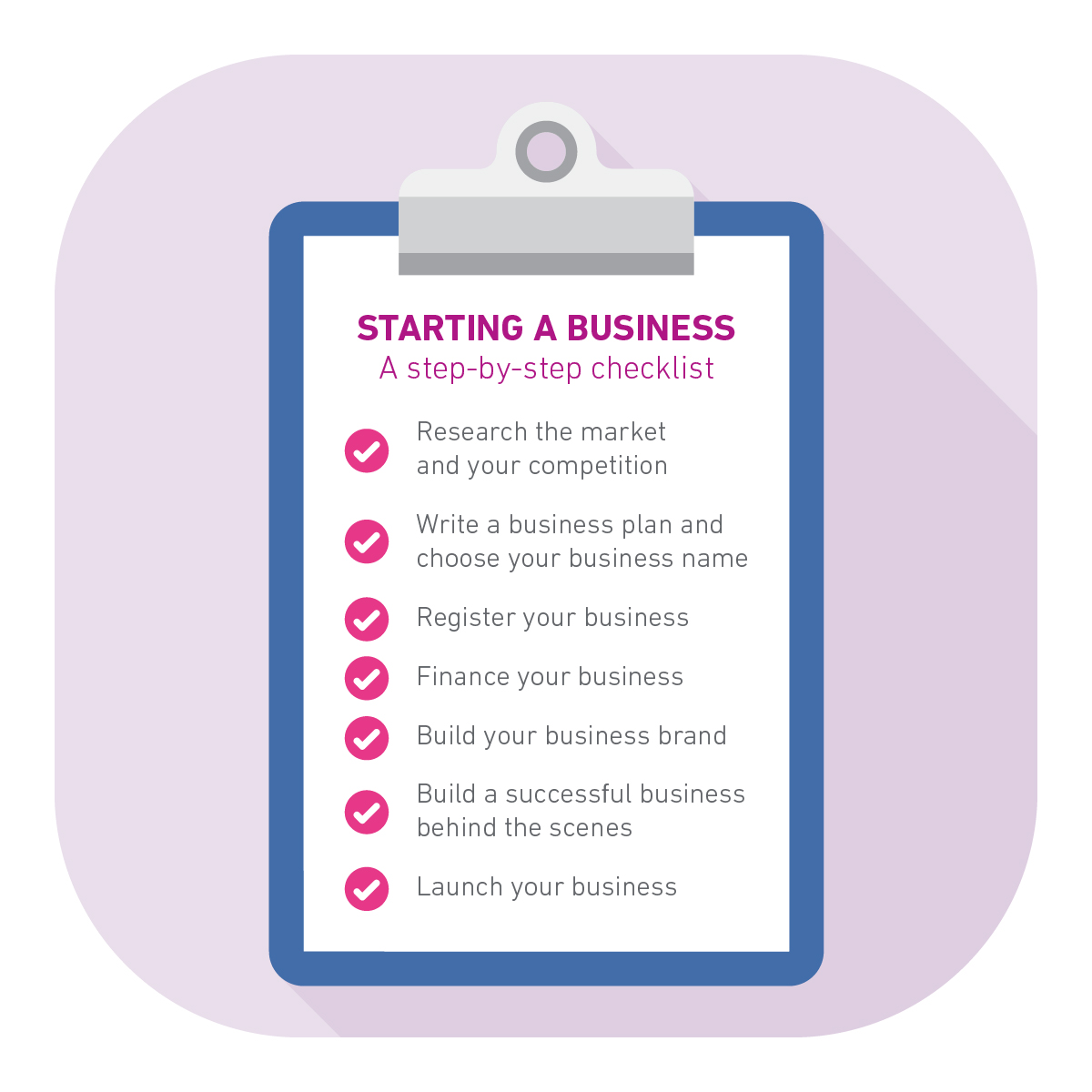
A. Crafting a Comprehensive Business Plan with Financial Projections
A business plan is more than just a document; it’s a roadmap that guides your decisions and, critically, demonstrates to potential investors and lenders that your concept is financially sound. The financial section of this plan is arguably its most vital component. It must outline your anticipated startup costs, operational expenses, revenue projections, and funding requirements.
- Startup Costs: Detail every expense required to get your business operational. This includes everything from legal fees for registration, office rent, equipment purchases, inventory, initial marketing, and permits, to professional services like accounting and consulting. Be conservative with your estimates, always adding a buffer for unforeseen expenses.
- Operating Expenses: Project your monthly fixed and variable costs. Fixed costs remain consistent (rent, salaries, insurance), while variable costs fluctuate with sales volume (raw materials, shipping). Understanding these will inform your pricing strategy and break-even point.
- Revenue Projections: Develop realistic sales forecasts based on market research, pricing strategy, and anticipated customer acquisition. Consider different scenarios (best-case, worst-case, realistic) to understand the range of potential outcomes.
- Funding Request: Clearly state how much capital you need and precisely how you intend to use it. This section is crucial for attracting external funding.
B. Market Research and Financial Viability
Effective market research isn’t just about identifying your target audience; it’s also about understanding the financial dynamics of your chosen industry. This involves analyzing competitor pricing, market demand, potential market share, and the overall economic landscape.
- Competitor Analysis: Study competitors’ pricing models, cost structures (if discernible), and revenue streams. This can provide benchmarks for your own financial planning and help identify competitive advantages or niches.
- Demand Analysis: Quantify the potential market for your product or service. Is there sufficient demand to generate the revenue necessary for profitability? What are customers willing to pay?
- Pricing Strategy: Based on your cost structure and market demand, develop a pricing strategy that ensures profitability while remaining competitive. Options include cost-plus pricing, value-based pricing, and competitive pricing.
- Break-Even Analysis: Calculate the point at which your total revenue equals your total costs. This critical figure tells you how many units you need to sell or how much revenue you need to generate before your business starts making a profit. It’s an indispensable metric for understanding financial viability.
II. Fueling the Venture: Securing Capital
Every new business, regardless of its size, requires capital to get off the ground. The way you secure this funding can significantly impact your ownership, control, and future growth trajectory. Understanding the various funding avenues and their implications is key to making an informed choice.
A. Self-Funding and Bootstrapping
Many entrepreneurs begin by funding their businesses themselves, often referred to as bootstrapping. This approach minimizes external debt and equity dilution, allowing founders to maintain full control.
- Personal Savings: Utilizing personal savings is a common starting point, demonstrating your commitment to the venture. However, it’s crucial to have a clear budget to avoid depleting your personal financial safety net.
- Friends and Family: This can be a more accessible source of initial capital, often coming with more flexible terms than traditional lenders. However, formalizing these agreements with clear repayment schedules or equity stakes is essential to prevent strained relationships.
- Bootstrapping Strategies: This involves operating with minimal external capital, reinvesting early revenues, and creatively minimizing expenses. Examples include starting small, using open-source software, leveraging free marketing channels, and operating from a home office. While challenging, bootstrapping fosters financial discipline and resilience.
B. Debt Financing vs. Equity Financing
As businesses grow or require more significant capital, they often turn to external funding, which typically falls into two main categories: debt and equity.
- Debt Financing: This involves borrowing money that must be repaid, usually with interest, within a specific timeframe. You retain full ownership of your company.
- Bank Loans: Traditional banks offer various loan products for small businesses, often requiring a solid business plan, collateral, and a good credit history.
- SBA Loans: The U.S. Small Business Administration (SBA) guarantees loans made by participating lenders, making it easier for small businesses to qualify for funding.
- Lines of Credit: Provide flexible access to funds up to a certain limit, ideal for managing working capital fluctuations.
- Merchant Cash Advances: High-interest, short-term advances against future credit card sales, generally considered a last resort due to their cost.
- Equity Financing: This involves selling a portion of your company ownership to investors in exchange for capital. While you don’t incur debt, you give up a share of future profits and decision-making power.
- Angel Investors: High-net-worth individuals who invest their own money in early-stage companies, often providing mentorship alongside capital.
- Venture Capital (VC) Firms: Professional investors who manage funds from limited partners and invest in high-growth potential startups in exchange for significant equity and influence. VCs typically look for scalable businesses with large market opportunities.
- Crowdfunding (Equity-based): Raising small amounts of capital from a large number of people, often via online platforms, in exchange for equity.
C. Grants and Other Funding Programs
For certain types of businesses, non-dilutive funding in the form of grants can be an excellent option, as it doesn’t require repayment or giving up equity.
- Government Grants: Federal, state, and local governments offer grants for businesses engaged in specific research, development, or those addressing particular societal needs (e.g., environmental initiatives, specific industry innovation). These are highly competitive and often require detailed proposals.
- Private Foundation Grants: Various private foundations support businesses or non-profits aligning with their philanthropic missions.
- Incubators and Accelerators: These programs often provide seed funding, mentorship, office space, and resources in exchange for a small equity stake, helping startups accelerate their growth.
III. Mastering Business Finance: Management and Operations
Once your business is funded and operational, continuous and diligent financial management becomes the backbone of its ongoing success. This isn’t just about tracking money; it’s about strategic decision-making that optimizes cash flow, manages expenses, and ensures profitability.
A. Budgeting and Expense Tracking
Effective budgeting and meticulous expense tracking are fundamental to financial control. They enable you to monitor your financial health, identify areas for improvement, and prevent overspending.
- Operational Budgeting: Create a detailed operational budget that forecasts all revenues and expenses for a specific period (e.g., quarterly, annually). Regularly compare actual results against your budget to identify variances and take corrective action.
- Expense Categorization: Systematically categorize all business expenses (e.g., marketing, salaries, supplies, utilities). This simplifies tax preparation and provides clear insights into where your money is going.
- Automated Tracking: Utilize accounting software (e.g., QuickBooks, Xero, FreshBooks) to automate expense tracking, invoice generation, and financial reporting. This reduces manual errors and frees up time for strategic activities.
B. Cash Flow Management

Cash flow is the lifeblood of any business. It refers to the movement of money into and out of your business. Positive cash flow means you have more money coming in than going out, while negative cash flow can quickly lead to insolvency, even if your business is theoretically profitable.
- Cash Flow Projections: Regularly forecast your incoming and outgoing cash for the next 3-6 months. This helps anticipate potential shortfalls and plan for them in advance.
- Managing Receivables: Implement clear invoicing procedures, follow up on overdue payments promptly, and consider offering early payment discounts to encourage quicker customer payments.
- Managing Payables: Strategically manage your payments to suppliers. Take advantage of payment terms (e.g., Net 30) without damaging supplier relationships, but always pay on time to avoid late fees.
- Emergency Fund: Maintain a cash reserve equivalent to several months of operating expenses. This acts as a buffer against unexpected downturns or large, unforeseen expenditures.
C. Financial Reporting and Analysis
Regularly generating and analyzing financial reports provides crucial insights into your business’s performance, allowing for data-driven decision-making.
- Income Statement (Profit & Loss Statement): Shows your revenues, expenses, and net profit or loss over a period. It’s essential for understanding profitability.
- Balance Sheet: Provides a snapshot of your assets, liabilities, and owner’s equity at a specific point in time. It reveals your company’s financial position.
- Cash Flow Statement: Details how cash is generated and used through operating, investing, and financing activities. It’s critical for understanding liquidity.
- Key Performance Indicators (KPIs): Identify and track financial KPIs relevant to your business, such as gross profit margin, net profit margin, customer acquisition cost, customer lifetime value, and return on investment (ROI). Analyzing these metrics helps gauge efficiency and effectiveness.
IV. Driving Profitability: Revenue Streams and Pricing
Beyond simply generating sales, a sustainable business thrives on profitability, which is directly influenced by how you structure your revenue streams and set your prices. This section focuses on strategic financial approaches to ensure your business not only makes money but makes enough to grow and thrive.
A. Pricing Strategies for Profitability
Setting the right price for your products or services is a delicate balance. It must cover your costs, provide a healthy profit margin, and remain attractive to your target market.
- Cost-Plus Pricing: Adding a standard markup percentage to the cost of your product or service. Simple to implement, but may not reflect market value or competitive landscape.
- Value-Based Pricing: Setting prices based on the perceived value of your product or service to the customer, rather than just on cost. This often allows for higher profit margins if your offering delivers significant customer benefits.
- Competitive Pricing: Setting prices based on what competitors are charging. While useful for benchmarking, relying solely on this can lead to price wars and reduced profitability.
- Tiered Pricing: Offering different versions of your product or service at varying price points, catering to different customer segments and needs. This can maximize revenue capture across your customer base.
- Psychological Pricing: Utilizing pricing tactics like ending prices with .99 (e.g., $9.99 instead of $10.00) or offering bundle deals to influence consumer perception and encourage purchases.
B. Diversifying Revenue Streams
Relying on a single source of income can be precarious. Diversifying your revenue streams creates resilience and new opportunities for growth.
- Product vs. Service Offerings: If you sell a product, consider offering related services (e.g., installation, maintenance, training). If you offer a service, look into creating complementary digital products (e-books, online courses).
- Subscription Models: For recurring revenue, consider implementing subscription services for products (e.g., monthly boxes) or access to premium content/features.
- Licensing and Franchising: If your business model or product is proven, licensing your intellectual property or franchising your business can expand reach and generate revenue without significant upfront investment.
- Affiliate Marketing/Partnerships: Collaborate with other businesses to promote their products/services for a commission, or vice versa, creating symbiotic revenue generation.
- Advertising: For content-driven businesses, advertising revenue through display ads, sponsored content, or direct sponsorships can be a significant income stream.
C. Understanding Profit Margins and Break-Even Analysis
A deep understanding of profit margins and continuously monitoring your break-even point are critical for long-term financial health.
- Gross Profit Margin: The percentage of revenue left after deducting the cost of goods sold (COGS). It indicates how efficiently you’re producing your product or service. A healthy gross margin is essential to cover operating expenses.
- Net Profit Margin: The percentage of revenue left after all expenses, including operating costs, interest, and taxes, have been deducted. This is the ultimate measure of your business’s profitability.
- Improving Margins: Look for ways to increase efficiency (reduce COGS), optimize pricing, and control operating expenses without compromising quality or customer value.
- Regular Break-Even Review: Re-evaluate your break-even point periodically, especially after significant changes in costs, pricing, or sales volume. This ensures you always know the minimum performance required to avoid losses.
V. Navigating the Financial and Legal Landscape
Beyond day-to-day operations, understanding the legal and regulatory framework surrounding business finance is crucial. Compliance, tax planning, and strategic financial tool selection protect your business and enable efficient growth.
A. Business Structure and Tax Implications
The legal structure you choose for your business has profound financial and tax implications. This decision should not be taken lightly and is often best made with professional advice.
- Sole Proprietorship: Simple to set up, but offers no personal liability protection. Business income/losses are reported on your personal tax return.
- Partnership: Similar to sole proprietorships but with multiple owners. Income/losses “pass-through” to partners’ personal returns. Unlimited personal liability unless structured as an LLP or LP.
- Limited Liability Company (LLC): Provides personal liability protection similar to a corporation but with the tax flexibility of a sole proprietorship or partnership. Popular for small and medium-sized businesses.
- Corporation (S-Corp, C-Corp): Provides the strongest personal liability protection as the business is a separate legal entity. C-corps face “double taxation” (corporate profits taxed, then dividends taxed to shareholders), while S-corps allow profits/losses to pass through to owners’ personal income, avoiding double taxation but with stricter requirements.
- Tax Planning: Understand the tax obligations for your chosen structure, including income tax, self-employment tax, sales tax, and payroll taxes. Proactive tax planning can minimize your tax burden and avoid penalties.
B. Licensing, Permits, and Insurance
Failure to comply with necessary licensing, permits, and insurance requirements can lead to severe fines, legal issues, and financial losses.
- Business Licenses and Permits: Research federal, state, and local requirements for operating your specific type of business. These can vary significantly by industry and location.
- Employer Identification Number (EIN): Most businesses will need an EIN from the IRS for tax purposes, especially if hiring employees or operating as a corporation or partnership.
- Business Insurance: Protect your assets and mitigate financial risks with appropriate insurance coverage. This may include general liability insurance, property insurance, professional liability (E&O) insurance, workers’ compensation insurance, and cyber liability insurance.

C. Financial Software and Tools for Tracking
Leveraging modern financial software and tools is essential for accurate record-keeping, efficient operations, and insightful analysis.
- Accounting Software: Tools like QuickBooks, Xero, and FreshBooks automate bookkeeping, invoicing, expense tracking, and generate financial reports. They are invaluable for maintaining financial order.
- Payroll Software: For businesses with employees, dedicated payroll software (e.g., Gusto, ADP, Paychex) ensures accurate salary payments, tax withholdings, and compliance with payroll regulations.
- Budgeting and Forecasting Tools: Spreadsheets (Excel, Google Sheets) or specialized software can help create and manage budgets, forecast cash flow, and conduct scenario planning.
- Payment Processors: Services like Stripe, PayPal, and Square enable secure and efficient processing of customer payments, critical for revenue collection.
- Expense Management Apps: Tools like Expensify or Receipt Bank simplify the process of capturing, categorizing, and reporting business expenses, especially for teams.
Starting a new business is a complex journey, but by prioritizing and mastering the financial aspects outlined above, entrepreneurs can significantly increase their chances of success. From meticulous financial planning and securing the right capital to diligent financial management, strategic pricing, and ensuring legal and financial compliance, a strong financial foundation is the ultimate catalyst for transforming a business idea into a thriving, profitable enterprise.
aViewFromTheCave is a participant in the Amazon Services LLC Associates Program, an affiliate advertising program designed to provide a means for sites to earn advertising fees by advertising and linking to Amazon.com. Amazon, the Amazon logo, AmazonSupply, and the AmazonSupply logo are trademarks of Amazon.com, Inc. or its affiliates. As an Amazon Associate we earn affiliate commissions from qualifying purchases.