
The transition from a saver to an investor is one of the most significant steps an individual can take toward achieving long-term financial independence. For many, the stock market can appear as a daunting labyrinth of ticker symbols, fluctuating charts, and complex terminology. However, at its core, investing in stocks is a straightforward mechanism for building wealth by participating in the growth of successful companies.
With the advent of digital brokerage platforms and the elimination of commission fees, the barriers to entry have never been lower. Whether you are looking to build a retirement nest egg, save for a major purchase, or simply outpace inflation, understanding the fundamentals of stock investing is essential. This guide provides a professional and comprehensive roadmap to help you navigate the initial stages of your investment journey.
Building a Solid Financial Foundation
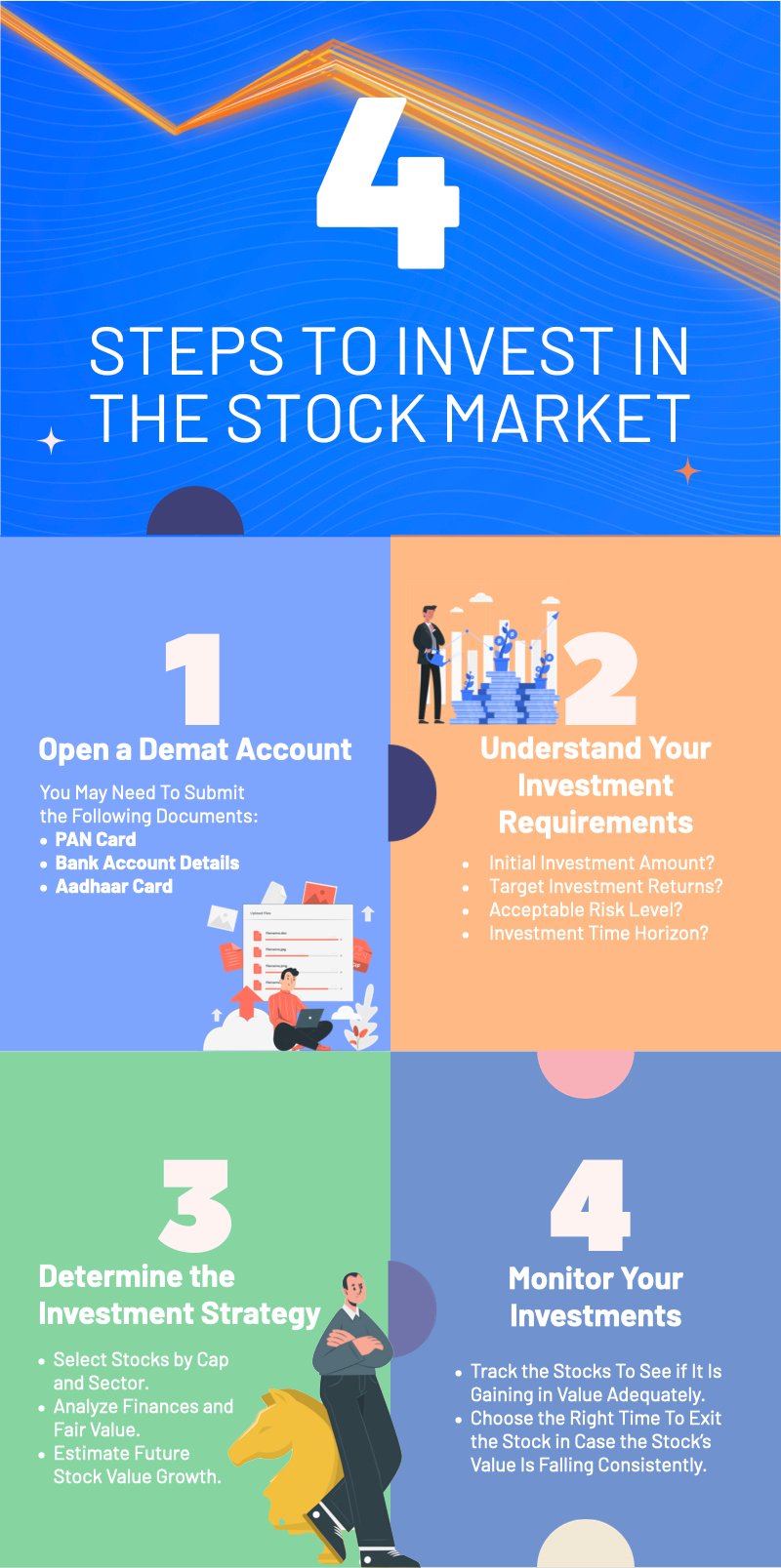
Before purchasing your first share, it is imperative to ensure that your personal finances are in a state of readiness. Investing in the stock market involves risk, and your strategy should never jeopardize your immediate financial security.
Assessing Your Financial Health
The first step is to evaluate your current cash flow and debt obligations. It is generally recommended to pay off high-interest debt, such as credit card balances, before investing. The guaranteed “return” of avoiding a 20% interest rate on a credit card far outweighs the potential (but uncertain) 7-10% annual return of the stock market. Furthermore, establishing an emergency fund—typically three to six months of living expenses—provides a safety net that prevents you from being forced to sell your stocks during a market downturn to cover unexpected costs.
Setting Clear Investment Goals
Investing without a goal is like sailing without a map. Are you investing for retirement thirty years away, or are you looking to grow a down payment for a home in five years? Your timeline, or “time horizon,” dictates your risk tolerance. Generally, the longer your time horizon, the more risk you can afford to take, as you have more time to recover from the market’s inevitable short-term fluctuations.
Understanding Risk Tolerance
Every investor must confront the psychological reality of market volatility. Risk tolerance is your ability and willingness to lose some or all of your original investment in exchange for greater potential returns. Professional investors often categorize themselves as conservative, moderate, or aggressive. Understanding where you fall on this spectrum will help you choose the right mix of assets and prevent panic-selling when the market experiences a temporary dip.
Choosing Your Investment Strategy
Once your foundation is set, you must decide how you want to participate in the market. There is no one-size-fits-all approach; the best strategy is the one you can stick with consistently over the long term.
Passive vs. Active Management
The debate between passive and active investing is central to modern finance. Active investing involves picking individual stocks in an attempt to “beat the market.” This requires significant time, research, and emotional discipline. Passive investing, on the other hand, involves buying a broad segment of the market—often through index funds—to match the market’s overall performance. For most beginners, a passive approach is often more effective and requires far less daily maintenance.
Individual Stocks vs. Diversified Funds
If you have a passion for specific companies and the time to read quarterly earnings reports, investing in individual stocks can be rewarding. However, this carries “concentration risk.” If that one company fails, your portfolio suffers significantly.
To mitigate this, many beginners start with Exchange-Traded Funds (ETFs) or Mutual Funds. An ETF allows you to buy a basket of hundreds of stocks in a single transaction. For example, an S&P 500 index fund gives you exposure to 500 of the largest companies in the United States, providing instant diversification.
The Role of Robo-Advisors
For those who prefer a “hands-off” approach, robo-advisors have become a popular entry point. These are automated platforms that use algorithms to build and manage a portfolio based on your risk tolerance and goals. They handle rebalancing and tax-loss harvesting automatically, often for a lower fee than a human financial advisor. This is an excellent bridge for those who feel overwhelmed by the technical aspects of selecting specific funds.
Navigating the Brokerage Landscape
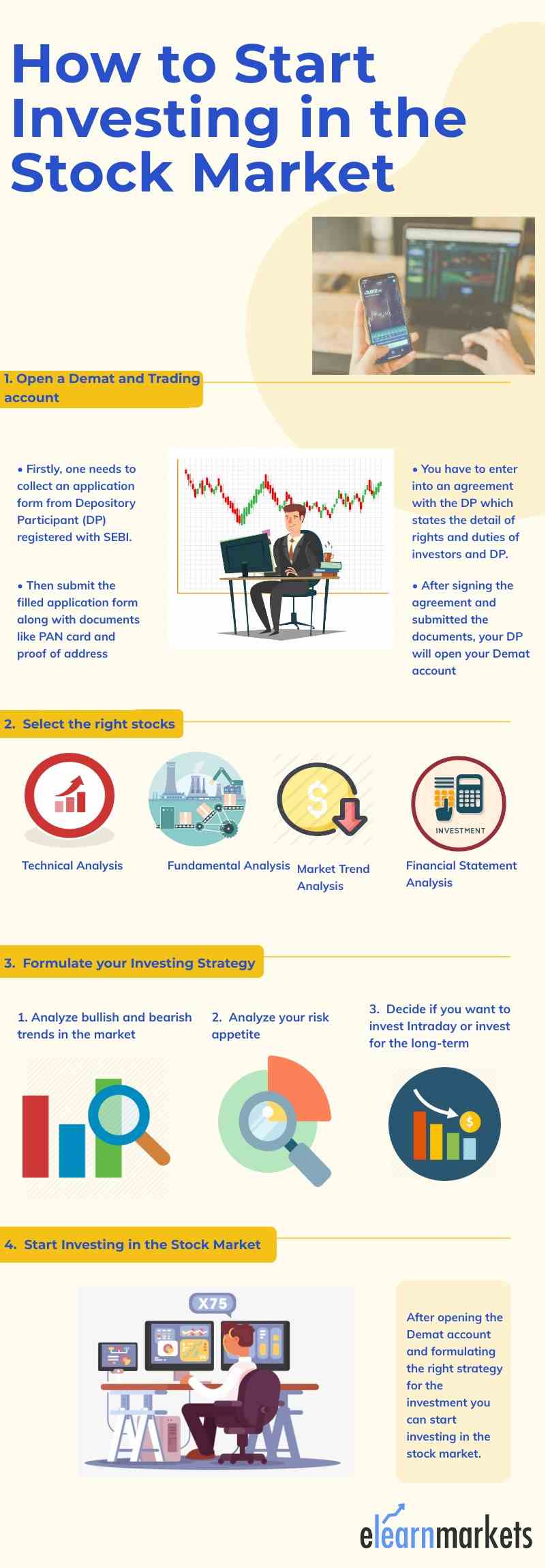
To buy stocks, you need a brokerage account. In the digital age, the process of opening an account is as simple as opening a bank account, but choosing the right platform and account type is a critical strategic decision.
Selecting the Right Platform
Modern brokerages vary in their offerings. Some cater to long-term investors with robust research tools, while others are designed for active traders with sleek mobile interfaces. When selecting a broker, look for “zero-commission” trades, a user-friendly interface, and strong customer support. Ensure the brokerage is a member of the Securities Investor Protection Corporation (SIPC), which protects your assets if the firm fails.
Understanding Account Types
The “wrapper” you put your investments in can have significant tax implications.
- Taxable Brokerage Accounts: These offer the most flexibility. You can deposit and withdraw money at any time, but you will owe taxes on capital gains and dividends.
- Retirement Accounts (IRA/401k): In many regions, these accounts offer tax advantages. For instance, a Roth IRA allows your investments to grow tax-free, and withdrawals in retirement are also tax-free. While these accounts have restrictions on when you can withdraw funds, the tax savings over decades can be worth hundreds of thousands of dollars.
The Mechanics of Placing Your First Trade
When you are ready to buy, you will encounter different “order types.” The two most common are:
- Market Order: Instructs the broker to buy the stock immediately at the best available current price.
- Limit Order: Instructs the broker to buy the stock only if it reaches a specific price or lower.
For beginners investing in highly liquid ETFs or large-cap stocks, a market order is usually sufficient, but a limit order provides more control over the entry price.
Managing Risks and the Growth of Your Portfolio
Investment success is rarely about finding a “unicorn” stock that goes to the moon; it is about consistency, discipline, and the management of risk over time.
The Power of Diversification
Diversification is often called the only “free lunch” in finance. By spreading your investments across different sectors (tech, healthcare, energy) and different asset classes (stocks, bonds, real estate), you reduce the impact of any single failure. If the tech sector takes a hit, your holdings in consumer staples or bonds may stabilize your portfolio.
Dollar-Cost Averaging (DCA)
One of the most effective strategies for beginners is Dollar-Cost Averaging. This involves investing a fixed amount of money at regular intervals (e.g., $200 every month), regardless of the stock price. When prices are high, your $200 buys fewer shares; when prices are low, your $200 buys more. Over time, this lowers your average cost per share and removes the emotional stress of trying to “time the market.”
The Impact of Compounding and Long-term Thinking
The greatest tool in an investor’s arsenal is time. Compounding occurs when your investment’s earnings are reinvested to generate their own earnings. In the early years, the growth may seem slow, but over decades, the curve becomes exponential. To benefit from compounding, one must resist the urge to react to market headlines. The stock market is prone to “corrections”—temporary drops of 10% or more. Historically, the market has recovered from every correction and gone on to reach new highs. Staying invested through the volatility is what separates successful investors from the rest.
Essential Metrics and Market Research
While you don’t need to be a math genius to invest, understanding a few key concepts will help you make more informed decisions and engage more deeply with your portfolio.
Fundamental Analysis Basics
When looking at individual stocks or funds, pay attention to the P/E Ratio (Price-to-Earnings). This tells you how much investors are willing to pay for every dollar of company earnings. A very high P/E might suggest a stock is overvalued, while a low P/E might suggest it’s a bargain (or that the company is in trouble). Additionally, look at Dividend Yield, which represents the percentage of the stock price the company pays out to shareholders annually. Dividends can provide a steady stream of passive income, even when the stock price is stagnant.
Keeping Emotions in Check
The biggest threat to a beginner’s portfolio isn’t market volatility; it’s the investor’s own behavior. Media outlets often use sensationalist language to drive clicks, which can lead to “FOMO” (Fear Of Missing Out) during bull markets or “Panic Selling” during bear markets. Professional investing requires a level of emotional detachment. Stick to your predetermined plan, continue your regular contributions, and view market downturns as opportunities to buy assets at a discount rather than reasons to flee.
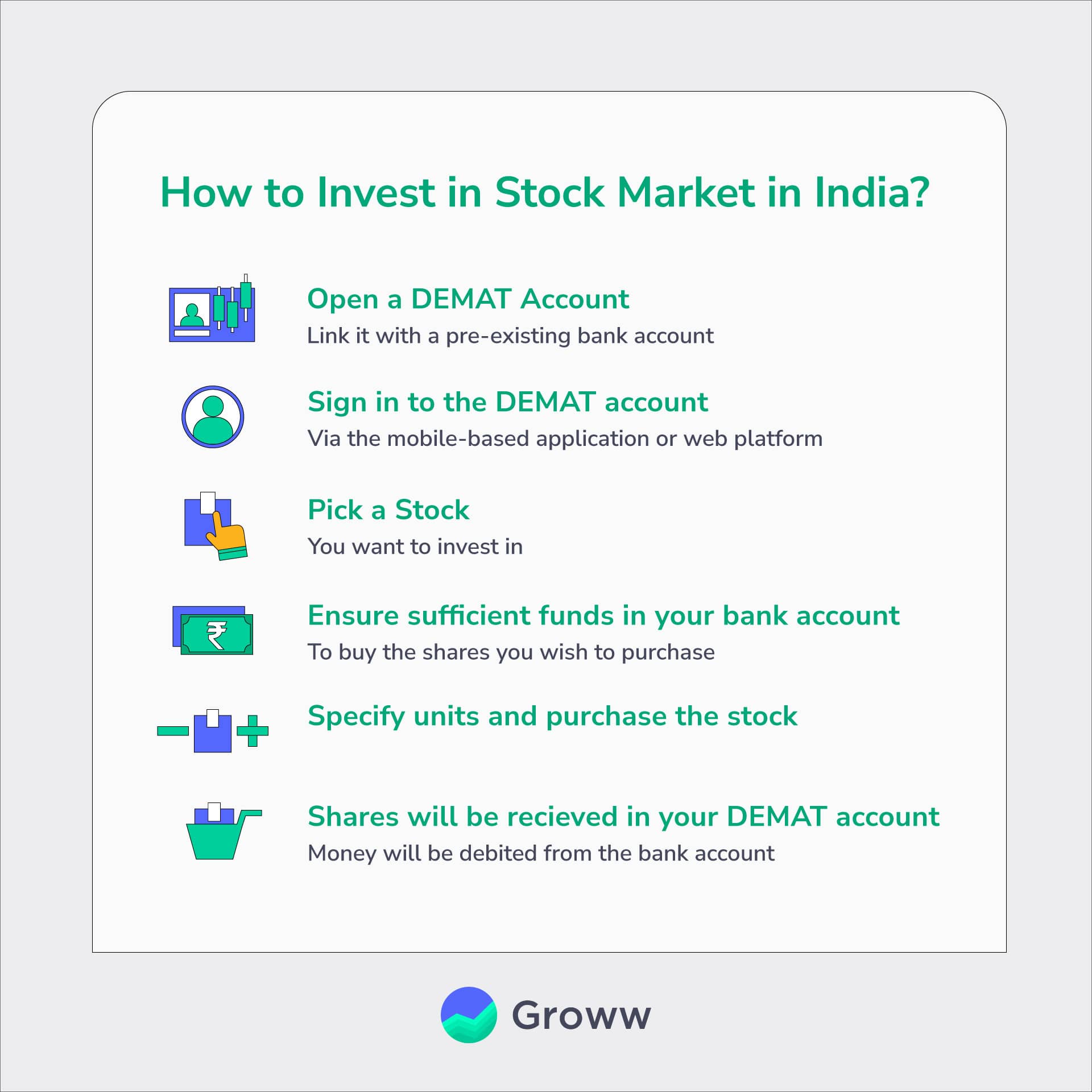
In conclusion, starting your journey in the stock market is a marathon, not a sprint. By building a strong financial base, choosing a diversified and low-cost strategy, and maintaining a long-term perspective, you position yourself to capture the growth of the global economy. The best time to start was ten years ago; the second best time is today. Start small, stay consistent, and let the power of the markets work for you.
aViewFromTheCave is a participant in the Amazon Services LLC Associates Program, an affiliate advertising program designed to provide a means for sites to earn advertising fees by advertising and linking to Amazon.com. Amazon, the Amazon logo, AmazonSupply, and the AmazonSupply logo are trademarks of Amazon.com, Inc. or its affiliates. As an Amazon Associate we earn affiliate commissions from qualifying purchases.