
In the current era of the digital economy, the way we handle, move, and grow our money has undergone a fundamental transformation. No longer are we tethered to physical bank branches or the limitations of local currency. At the center of this revolution is PayPal, a platform that has evolved from a simple payment button into a comprehensive financial ecosystem. Understanding how to start a PayPal account is not merely a technical exercise; it is a strategic move for anyone looking to optimize their personal finance, launch a side hustle, or manage global business transactions.

The Strategic Role of PayPal in the Modern Financial Ecosystem
Before diving into the mechanics of account creation, it is essential to understand the financial utility of the platform. For the modern individual, a PayPal account serves as a digital bridge between traditional banking and the global marketplace. It acts as a layer of security, a budgeting tool, and a gateway to international commerce.
The Hub for Online Income and Freelancing
For those participating in the gig economy, PayPal is often the primary vehicle for receiving compensation. Whether you are a freelance consultant, a digital artist, or an e-commerce seller, the ability to receive payments in multiple currencies without the complexity of traditional wire transfers is invaluable. Starting an account allows you to integrate with platforms like Upwork, eBay, and Etsy, effectively turning your skills into a liquid asset.
Securing Your Financial Transactions
From a personal finance perspective, PayPal offers a significant layer of insulation. By using a digital wallet, you avoid sharing your sensitive credit card or bank account details directly with every online merchant. This centralized approach to spending makes it easier to track expenses and reduces the risk of identity theft, which is a critical component of long-term wealth preservation.
Navigating the Setup: From Personal Use to Business Enterprise
The process of starting a PayPal account is designed to be streamlined, yet it requires careful attention to detail to ensure your financial assets remain secure and accessible. The first decision you must make is selecting the right account type for your financial goals.
Choosing Between Personal and Business Accounts
PayPal offers two primary paths: Personal and Business.
-
Personal Accounts: These are ideal for individuals who want to shop online, send money to friends and family, and perhaps sell a few items occasionally. The interface is focused on ease of use and expense tracking.
-
Business Accounts: If you intend to operate under a company name or expect a high volume of transactions, a Business account is mandatory. It allows for multiple user access, professional invoicing, and the ability to accept payments via credit cards directly. From a tax and accounting perspective, keeping business transactions separate from personal spending is a hallmark of sound financial management.
The Verification Process: Building Financial Credibility
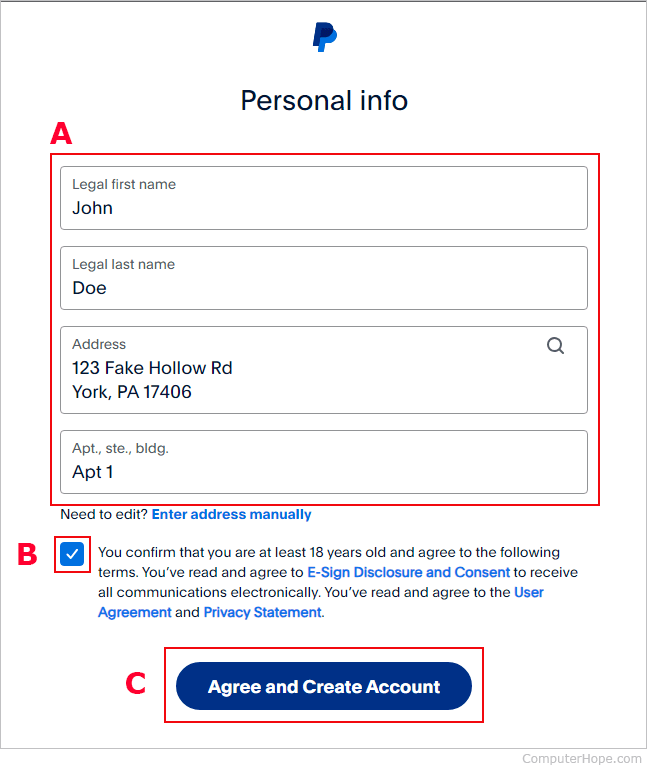
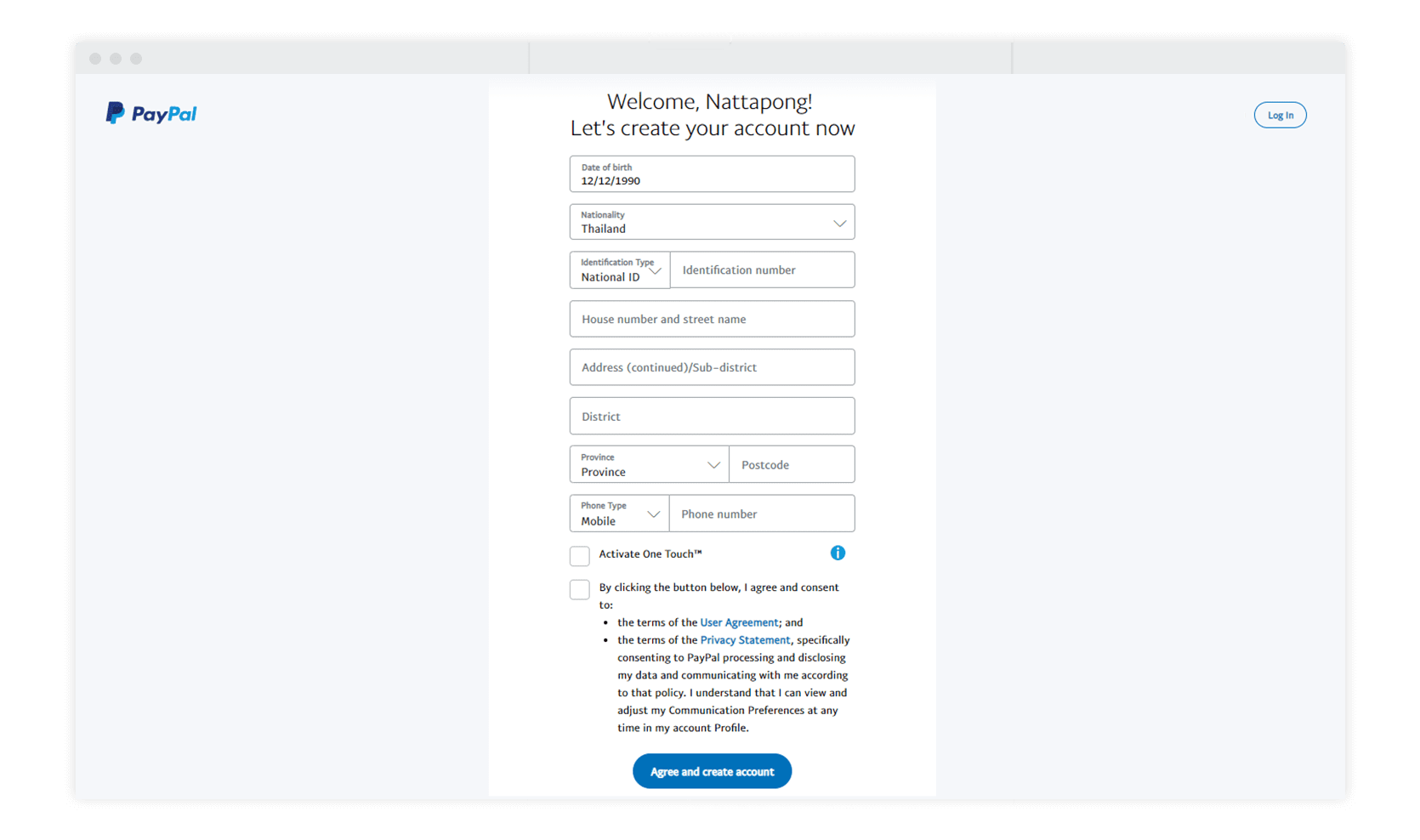
To start an account, you will need a valid email address, a mobile phone number, and a secure password. However, the “start” of an account is only complete once you have cleared the verification hurdles. This involves linking a bank account or a debit/credit card.
In the realm of personal finance, this step is known as “Know Your Customer” (KYC) compliance. PayPal uses this information to verify your identity and prevent money laundering. For the user, a verified status removes withdrawal limits and increases trust with other users. It is advisable to link a dedicated high-yield savings account or a specific business checking account to keep your cash flow organized.
Confirming Your Identity
Depending on your region and the volume of money you intend to move, you may be asked to provide a Social Security Number (SSN) or a Taxpayer Identification Number (TIN). While this might seem like a barrier, it is a necessary step for financial reporting. Under current regulations, payment processors are required to report certain levels of income to tax authorities via Form 1099-K. Being prepared with this documentation from the outset ensures that your account won’t be frozen just as your income begins to scale.
Optimizing Your Cash Flow: Features for Personal Finance and Savings
Once the account is active, the focus shifts from setup to optimization. PayPal is no longer just a pass-through for payments; it offers several tools that can help you manage your money more effectively.
Utilizing PayPal Savings
One of the more recent additions to the platform is the high-yield savings feature. For many users, this is a game-changer in managing liquid assets. By moving a portion of your digital balance into a dedicated savings goal, you can earn interest at rates that often exceed those of traditional brick-and-mortar banks. This makes PayPal a viable component of your short-term savings strategy, such as building an emergency fund or saving for a specific purchase.
Buy Now, Pay Later (BNPL) and Credit Management
PayPal’s “Pay in 4” and “PayPal Credit” features are powerful financial tools, provided they are used with discipline. These options allow for interest-free installments on purchases, which can help in managing monthly cash flow. From a budgeting standpoint, these tools allow you to keep more of your money in interest-bearing accounts for longer, provided you have a clear plan to settle the balance before interest kicks in. However, it is vital to remember that these are debt instruments and should be factored into your overall debt-to-income ratio.
Managing Recurring Payments
A common leak in personal finance is the “ghost subscription”—services you pay for but no longer use. PayPal provides a centralized dashboard to view and manage all your recurring payments and automatic billing agreements. Reviewing this list once a quarter is an excellent habit for cutting unnecessary costs and tightening your budget.
Scaling Your Side Hustle: Merchant Services and Global Commerce
If you started your account to generate income, you must treat it like a professional financial tool. PayPal’s business suite offers features that rival traditional merchant banks, but at a fraction of the complexity.
Professional Invoicing and Professionalism
One of the fastest ways to increase your “perceived value” as a service provider is to move away from casual payment requests to professional invoicing. PayPal’s invoicing tool allows you to set clear terms, include tax information, and provide a professional breakdown of services rendered. This not only speeds up the payment cycle but also creates a clear paper trail for your business records.
Understanding the Cost of Doing Business
While starting an account is free, receiving money for goods and services is not. A key part of financial literacy is understanding fee structures. PayPal typically charges a percentage of the transaction plus a fixed fee. When setting your prices—whether for a product or a freelance hourly rate—you must “gross up” your quotes to account for these processing fees. Failing to do so can result in a 3% to 5% erosion of your profit margins over time.
Navigating Global Currency and Conversion
If your side hustle reaches international clients, you will encounter the complexities of currency conversion. PayPal allows you to hold balances in dozens of different currencies. A savvy financial move is to monitor exchange rates and decide when to convert your foreign earnings into your local currency. Sometimes, holding a balance in USD (or another strong currency) can act as a hedge against your local currency’s volatility.
Security Protocols and Risk Management for Your Digital Assets
Your PayPal account is essentially a digital vault. Protecting it is as important as any other investment strategy. As you grow your balance and integrate the account into your financial life, security must remain a top priority.
Two-Factor Authentication (2FA)
The single most effective way to protect your money is to enable two-factor authentication. By requiring a code from your mobile device or an authenticator app, you add a wall that most hackers cannot scale. In the world of digital finance, convenience should never come at the expense of security.
Avoiding Phishing and Financial Scams
As your presence in the digital economy grows, you become a target for sophisticated phishing attempts. Scammers often send emails that look like official PayPal notifications, claiming there is a “problem with your account.” A professional rule of thumb: never click a link in an email. Always navigate directly to the PayPal website or app to check your notifications. Protecting your credentials is the first step in protecting your net worth.
Dispute Resolution and Purchase Protection
One of the primary reasons users choose PayPal for high-value transactions is “Purchase Protection.” If a vendor fails to deliver or the item is not as described, PayPal’s resolution center can facilitate a refund. For the buyer, this is a form of transaction insurance. For the seller, it highlights the importance of maintaining high standards and keeping meticulous shipping records to avoid “chargeback” fees that can hurt your business finance.
By following these steps and understanding the broader financial implications, starting a PayPal account becomes more than just a task—it becomes a strategic foundation for your digital financial future. Whether you are saving for the future, managing a global business, or simply looking for a more secure way to spend, mastering this platform is a vital skill in the modern economy.
aViewFromTheCave is a participant in the Amazon Services LLC Associates Program, an affiliate advertising program designed to provide a means for sites to earn advertising fees by advertising and linking to Amazon.com. Amazon, the Amazon logo, AmazonSupply, and the AmazonSupply logo are trademarks of Amazon.com, Inc. or its affiliates. As an Amazon Associate we earn affiliate commissions from qualifying purchases.