
In an increasingly consumption-driven world, the desire to spend less money is more than just a passing thought for many; it’s a crucial step towards financial stability, reduced stress, and the realization of long-term goals. Whether you’re grappling with debt, saving for a major purchase, or simply striving for greater peace of mind, mastering the art of spending less is an empowering journey. This guide will walk you through a professional, insightful, and engaging framework, offering practical strategies and a shift in perspective to help you take control of your finances.
The Foundation: Understanding Your Financial Landscape
Before you can effectively reduce your spending, you must first understand where your money is currently going. This foundational step is often overlooked but is the bedrock upon which all successful financial strategies are built. Without clear visibility into your cash flow, efforts to cut costs will likely be haphazard and unsustainable.
Tracking Your Spending: The First Step to Awareness
The most fundamental principle of personal finance is knowing precisely where every dollar you earn is allocated. This isn’t about judgment; it’s about pure, unadulterated awareness. Many people are genuinely surprised when they see the cumulative effect of small, seemingly insignificant expenditures over a month.
-
Manual Logs: For those who prefer a tangible approach, carrying a small notebook and jotting down every expense can be incredibly revealing. This method forces conscious acknowledgment of each transaction.
-
Spreadsheets: Digital spreadsheets (like Google Sheets or Microsoft Excel) offer a more organized and analytical approach. You can categorize expenses, track them over time, and even create charts to visualize your spending patterns. Templates are readily available online to streamline this process.
-
Budgeting Apps: Modern financial tools offer sophisticated ways to track spending. Many link directly to your bank accounts and credit cards, automatically categorizing transactions and providing real-time insights into your financial habits. While we’ll delve deeper into tools later, starting with any method that brings visibility is key.
The goal here is not immediate reduction, but rather an honest assessment. Observe your habits for at least one full month, ideally two or three, to capture a representative sample of your spending.
Differentiating Needs from Wants: Prioritizing Your Outflow
Once you have a clear picture of your spending, the next critical step is to distinguish between “needs” and “wants.” This distinction is subjective to a degree, but universally, needs are essential for survival and basic functioning, while wants enhance your life but are not strictly necessary.
-
Needs: These typically include housing (rent/mortgage), utilities, essential groceries, transportation to work, basic healthcare, and minimum debt payments. These are the expenses you cannot realistically eliminate without severe disruption to your life.
-
Wants: This category is vast and includes dining out, entertainment, subscriptions to streaming services, new gadgets, designer clothing, elaborate vacations, and premium coffee. While these add comfort and enjoyment, they are areas where spending can be reduced or eliminated without jeopardizing your well-being.
By categorizing each expense as a need or a want, you begin to identify potential areas for reduction. This exercise helps cultivate a mindset of intentional spending, ensuring your money aligns with your true priorities.
Setting Realistic Financial Goals: Motivation for Saving
Spending less money can feel restrictive if it’s not tied to a larger, more inspiring purpose. Establishing clear, realistic financial goals provides the necessary motivation and direction for your efforts.
-
Short-term Goals (e.g., 1-12 months): Building an emergency fund (3-6 months of living expenses), paying off a small credit card debt, saving for a down payment on a car, or funding a small vacation.
-
Mid-term Goals (e.g., 1-5 years): Saving for a house down payment, paying off student loans, funding a child’s education, or starting a small business.
-
Long-term Goals (e.g., 5+ years): Retirement planning, significant wealth accumulation, or achieving complete financial independence.
Quantify your goals and attach a timeline to them. For example, “I want to save $5,000 for an emergency fund within 6 months.” This specificity transforms a vague desire into an actionable plan, making the sacrifices of spending less far more meaningful.
Strategic Approaches to Everyday Savings
With a solid understanding of your financial situation and clear goals in mind, you can now implement strategic approaches to reduce your daily and monthly expenditures. These methods move beyond mere awareness to active cost-cutting.
Mastering the Art of Budgeting: Different Methods for Different Lifestyles
Budgeting is not about deprivation; it’s about allocation – consciously deciding where your money goes. There isn’t a one-size-fits-all budget, so find a method that resonates with your personality and lifestyle.
-
The 50/30/20 Rule: A popular and straightforward method. Allocate 50% of your after-tax income to Needs, 30% to Wants, and 20% to Savings and Debt Repayment. This provides a flexible framework without overly rigid restrictions.
-
Zero-Based Budgeting: Every dollar of your income is assigned a job – whether it’s an expense, savings, or debt repayment. The goal is for your income minus your expenses to equal zero. This method offers maximum control and ensures no money is unaccounted for.
-
The Envelope System: A traditional, cash-based approach. You allocate specific amounts of cash into physical envelopes for different spending categories (e.g., groceries, entertainment). Once an envelope is empty, you stop spending in that category until the next pay period. This is excellent for curbing overspending in specific areas.
-
Pay-Your-Future-Self-First: Prioritize automatic transfers to savings or investment accounts immediately after receiving your paycheck. What’s left is what you use for expenses. This ensures savings goals are met consistently.
The key to successful budgeting is consistency and periodic review. Adjust your budget as your income, expenses, or goals change.
Smart Shopping Habits: Maximizing Value and Minimizing Waste
Much of our discretionary spending occurs during shopping. By adopting smarter habits, you can significantly reduce your outflow without feeling deprived.
-
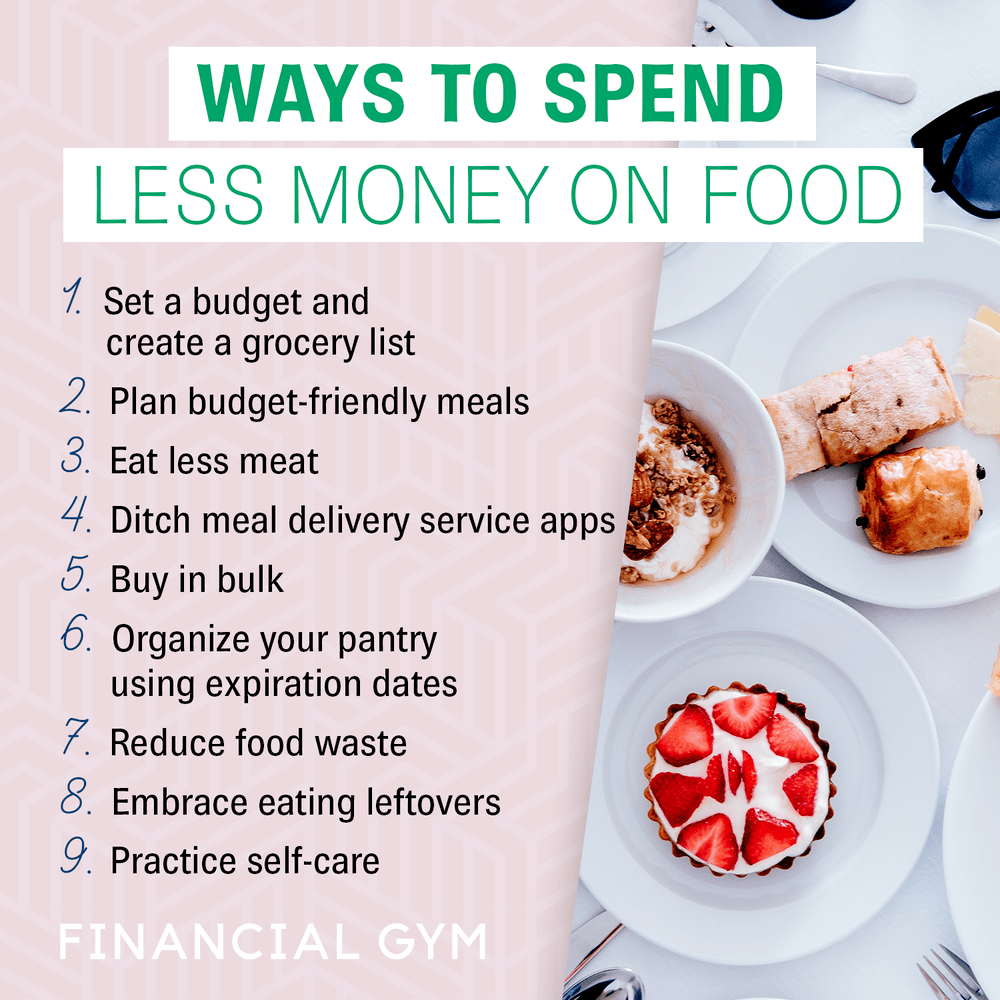
Meal Planning and Grocery Lists: Food is a major expense for most households. Planning your meals for the week, creating a precise grocery list, and sticking to it religiously can drastically cut down on impulse buys and food waste. Cook at home more often, and pack lunches.
-
Compare Prices: Whether it’s groceries, electronics, or insurance, always compare prices from different retailers or providers. Use online comparison tools or simply check multiple stores. Don’t be afraid to switch providers if you find a better deal.
-
Buy in Bulk (Wisely): For non-perishable items you use regularly, buying in bulk can save money. However, ensure you have storage space and will actually use the quantity before it expires or goes bad.
-
Avoid Impulse Buys: Give yourself a “cooling-off” period before making non-essential purchases. If you still want the item after 24-48 hours, then consider it. Often, the urge passes.
-
Shop Secondhand: For clothing, furniture, books, and even some electronics, thrift stores, consignment shops, and online marketplaces (like Facebook Marketplace or eBay) offer excellent value.
Cutting Down on Recurring Expenses: The Low-Hanging Fruit
Many expenses are “set it and forget it,” meaning they automatically deduct from your account each month. These recurring costs are often overlooked but can be ripe for reduction.
-
Review Subscriptions: Audit all your subscriptions – streaming services, gym memberships, apps, magazines. Do you use them all? Can you consolidate? Can you switch to a free alternative? Many people pay for services they rarely use.
-
Renegotiate Services: Contact your internet, cable, phone, and insurance providers. Ask for loyalty discounts, explore lower-tier plans, or inquire about promotional rates. Often, just by threatening to switch, you can secure a better deal.
-
Reduce Utility Consumption: Simple habits like turning off lights, unplugging unused electronics (phantom load), taking shorter showers, and adjusting your thermostat can significantly lower electricity and water bills. Consider energy-efficient upgrades if feasible.
-
Evaluate Transportation Costs: Can you carpool, use public transport, bike, or walk more often? If you have multiple cars, consider if one can be sold. Regular vehicle maintenance also prevents costly repairs down the line.
Leveraging Technology and Tools for Financial Discipline
In the digital age, technology offers a powerful ally in your quest to spend less. Various tools and apps can automate tasks, provide insights, and help you stick to your financial plan with greater ease and precision.
Budgeting Apps and Software: Your Digital Financial Assistant

Modern financial apps have revolutionized how individuals manage their money. They provide an intuitive interface to track, categorize, and analyze your spending, often syncing directly with your bank accounts for real-time updates.
-
Comprehensive Overviews: Many apps offer a holistic view of your financial health, including all your accounts (checking, savings, credit cards, investments) in one dashboard. This makes it easy to see your net worth and cash flow at a glance.
-
Automated Categorization: Advanced algorithms learn your spending habits and automatically categorize transactions, saving you time and effort.
-
Goal Tracking: Set and monitor progress towards your financial goals directly within the app, providing visual motivation.
-
Bill Reminders: Avoid late fees with automated reminders for upcoming bills.
-
Spending Alerts: Receive notifications when you’re nearing your budget limits in specific categories, prompting you to adjust your spending behavior.
While these tools offer convenience, remember they are only as effective as the data you feed them and your willingness to act on their insights.
Automation for Savings and Bill Payments: Set It and Forget It
Automation is a key strategy for ensuring your money goes where you intend it to, without requiring constant manual effort.
-
Automated Savings Transfers: Set up automatic transfers from your checking account to your savings or investment accounts each payday. Even small, consistent amounts add up significantly over time. This embodies the “pay yourself first” principle.
-
Automated Bill Payments: Schedule recurring bill payments through your bank or directly with service providers. This prevents late fees, maintains a good credit score, and frees up mental energy.
-
Round-Up Programs: Some banking apps offer features that round up your purchases to the nearest dollar and transfer the difference to a savings account. It’s a painless way to save small amounts consistently.
By automating these processes, you reduce the temptation to spend money before it’s allocated to savings or essential bills.
Price Comparison Tools and Discount Finders: Smart Shopping with Tech
Before making any purchase, especially online, leverage technology to ensure you’re getting the best possible deal.
-
Browser Extensions: Many extensions automatically search for coupon codes, compare prices across different retailers, and notify you of price drops on items you’ve viewed.
-
Price Tracking Websites: Tools can monitor the price history of products and alert you when they reach a desired low price, preventing you from overpaying.
-
Cash-Back Apps/Websites: Earn a percentage of your purchase back when shopping through specific portals or using certain credit cards. While not directly “spending less,” it effectively reduces the net cost of your purchases.
-
Used Item Marketplaces: Online platforms for buying and selling used goods can save you a significant amount on everything from electronics to furniture, often for items in excellent condition.
Mindset Shifts and Long-Term Strategies
Reducing spending is not just about techniques; it’s also deeply rooted in your mindset and approach to consumption. Cultivating a frugal mindset and understanding the psychology behind spending are vital for sustainable success.
Embracing Frugality: A Lifestyle Choice, Not a Sacrifice
Frugality is often misunderstood as deprivation. In reality, it’s about maximizing value, minimizing waste, and aligning your spending with your values. It’s a conscious choice to live below your means, which ultimately creates more freedom.
-
Mindful Consumption: Instead of blindly buying, ask yourself: “Do I truly need this? Is there a cheaper alternative? Can I borrow it, make it, or do without it?”
-
DIY and Learning Skills: Can you fix a leaky faucet, mend clothes, or cook a meal from scratch instead of paying someone else? Acquiring practical skills saves money and fosters self-reliance.
-
Prioritizing Experiences Over Possessions: Invest in memories and personal growth rather than accumulating material goods that often lose their appeal quickly.
-
Finding Joy in Simplicity: Discover satisfaction in simple pleasures that don’t cost money, like spending time in nature, reading a book, or connecting with loved ones.
Battling Consumerism and Impulse Spending: The Psychological Edge
We live in a world designed to encourage spending. Understanding the psychological triggers of consumerism can help you resist its pull.
-
Identify Your Triggers: What situations or emotions lead you to spend unnecessarily? Stress, boredom, social media scrolling, or sales events? Once identified, you can develop coping mechanisms or avoid those triggers.
-
Delay Gratification: As mentioned earlier, implementing a waiting period for non-essential purchases helps differentiate fleeting desires from genuine needs.
-
Be Skeptical of Marketing: Understand that advertisements are designed to create needs where none exist. Develop a critical eye for marketing tactics.
-
Avoid “Keeping Up With the Joneses”: Comparing your possessions to others is a losing game. Focus on your own financial goals and well-being, not external validation.
-
Cash-Only for Discretionary Spending: Using cash for categories prone to overspending (like entertainment or dining out) can be a powerful psychological barrier. Seeing cash diminish physically makes spending more tangible.
Debt Management and Reduction: Freeing Up Future Funds
Debt, especially high-interest consumer debt, is a significant drain on your finances, consuming funds that could otherwise be saved or invested. Reducing debt is a direct way to “spend less” on interest payments.
-
Debt Snowball Method: Pay off your smallest debt first, regardless of its interest rate, while making minimum payments on others. The psychological wins provide momentum.
-
Debt Avalanche Method: Prioritize paying off debts with the highest interest rates first. This saves you the most money in the long run.
-
Consolidate or Refinance: Explore options to consolidate high-interest debts into a single loan with a lower interest rate, simplifying payments and reducing overall interest paid.
-
Avoid New Debt: As you work to reduce existing debt, be hyper-vigilant about not taking on new debt, especially for depreciating assets or wants.
Sustaining Your Savings Journey and Building Wealth
Spending less is not a one-time event; it’s an ongoing journey. To truly achieve financial freedom, you must embed these habits into your life and look towards the future.
Regular Financial Reviews: Adapting to Life Changes
Life is dynamic, and so should be your financial plan. What worked last year might not work today.
-
Monthly Check-ins: Dedicate time each month to review your budget, track your progress toward goals, and analyze your spending patterns.
-
Quarterly or Annual Adjustments: Bigger life changes (new job, marriage, children, moving) necessitate a more comprehensive review and adjustment of your budget and financial goals.
-
Celebrate Small Wins: Acknowledge and celebrate milestones in your savings journey. This positive reinforcement encourages continued discipline.
Increasing Income vs. Decreasing Spending: A Dual Approach
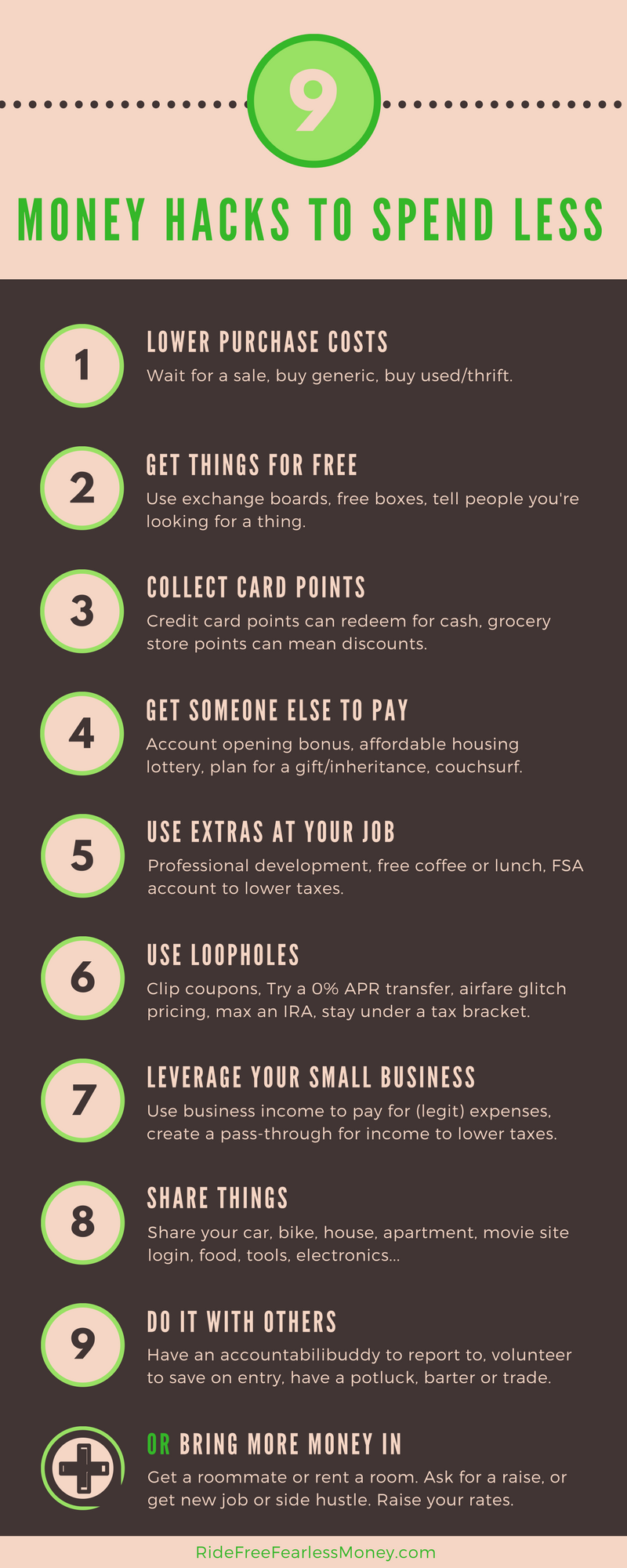
While this guide focuses on spending less, it’s crucial to acknowledge that optimizing your finances also involves increasing your income. For some, there might be a limit to how much they can cut. Exploring side hustles, skill development, or negotiating salary increases can provide more financial breathing room and accelerate goal achievement. It’s a powerful combination: spend less and earn more.
Investing Your Savings: Making Your Money Work for You
Ultimately, the goal of spending less is not just to hoard cash, but to create a surplus that can be put to work. Once you have an emergency fund in place and high-interest debt under control, direct your savings towards investments. Compounding returns allow your money to grow exponentially over time, turning your diligent efforts to spend less into significant wealth building.
In conclusion, spending less money is a multi-faceted endeavor that combines awareness, strategic planning, technological leverage, and a fundamental shift in mindset. It demands discipline but rewards you with unparalleled financial control, reduced stress, and the freedom to pursue your most meaningful aspirations. By diligently applying these principles, you embark on a transformative journey towards a more secure and prosperous future.
aViewFromTheCave is a participant in the Amazon Services LLC Associates Program, an affiliate advertising program designed to provide a means for sites to earn advertising fees by advertising and linking to Amazon.com. Amazon, the Amazon logo, AmazonSupply, and the AmazonSupply logo are trademarks of Amazon.com, Inc. or its affiliates. As an Amazon Associate we earn affiliate commissions from qualifying purchases.