
Saving money is rarely about a single, heroic act of frugality. Instead, it is the cumulative result of intentional systems, psychological shifts, and the strategic use of modern financial tools. In an era of rising inflation and constant digital consumerism, the ability to retain capital is a foundational skill for building long-term wealth. To move from a cycle of living paycheck-to-paycheck to a position of financial surplus, one must address both the structural mechanics of their budget and the behavioral triggers that lead to unnecessary spending.
Mastering the Fundamentals: Structural Budgeting Frameworks
The most common reason people fail to save is the lack of a clear, repeatable framework. Without a system, saving becomes an afterthought—something attempted only if there is money left at the end of the month. To reverse this, you must adopt a “pay yourself first” mentality.
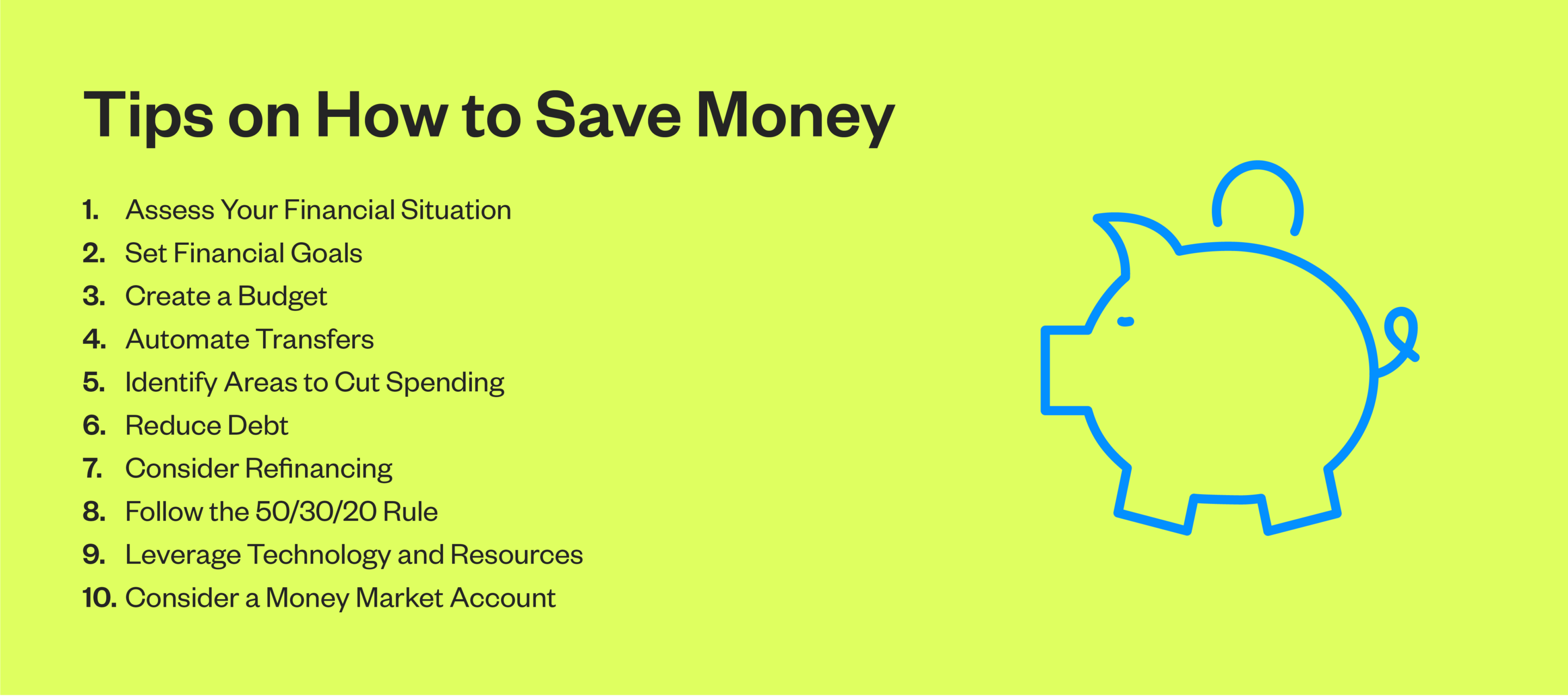
The 50/30/20 Rule
One of the most effective entry-level frameworks is the 50/30/20 rule. This method allocates 50% of your after-tax income to necessities (housing, utilities, groceries), 30% to wants (entertainment, dining out, hobbies), and 20% to financial goals (savings, debt repayment, and investments). By categorizing your expenses this way, you create a boundary that prevents “lifestyle creep” from consuming your ability to save. If your “wants” exceed 30%, you are effectively borrowing from your future self.
Zero-Based Budgeting
For those who require more granular control, zero-based budgeting is the gold standard. This approach requires you to assign every single dollar a “job” before the month begins. If you earn $4,000, your expenses, savings, and debt payments must equal exactly $4,000. This eliminates the “leakage” that occurs when unallocated funds sit in a checking account, tempting the owner to spend them on impulse purchases.
Leveraging Automation
The greatest enemy of saving is human willpower. Willpower is a finite resource that is often exhausted by the end of a long workday. To bypass this, automate your savings. Set up a recurring transfer from your checking account to a high-yield savings account (HYSA) that occurs the same day your paycheck is deposited. When the money is moved before you have the chance to see it as “available balance,” you naturally adjust your spending habits to the remaining amount.
Optimizing Fixed and Variable Expenses
Once a framework is in place, the next step is to audit the outflow of cash. Savings are often found in the margins of our daily lives—recurring costs that we have grown so accustomed to that we no longer question their value.
The Subscription Audit
In the digital economy, “micro-leaks” are a primary deterrent to saving. Small, monthly subscriptions for streaming services, software, apps, and premium memberships can easily total hundreds of dollars a month. Conduct a quarterly audit of your bank statements. Identify services you haven’t used in the last 30 days and cancel them immediately. Many consumers find they can save $50 to $100 per month simply by pruning their digital overhead.
Managing Lifestyle Inflation
Lifestyle inflation occurs when your spending increases at the same rate as your income. When you receive a raise or a bonus, the natural instinct is to upgrade your car, your apartment, or your wardrobe. However, the most effective way to accelerate savings is to maintain your current standard of living while diverting 100% of any new income into savings or investments. This “wealth gap” is where true financial freedom is built.
Negotiating Recurring Bills
Many fixed expenses are not as fixed as they seem. Insurance premiums, internet service fees, and cell phone plans are often negotiable. Calling your providers once a year to ask for a better rate or a loyalty discount can result in significant annual savings. Furthermore, switching to a high-deductible insurance plan (if your health and financial situation allow) can lower monthly premiums, provided you have the savings to cover the deductible in an emergency.
High-Yield Strategies and Financial Tools
Where you keep your money is just as important as how much you save. Traditional checking accounts often offer near-zero interest rates, meaning your money actually loses purchasing power over time due to inflation.

High-Yield Savings Accounts (HYSA)
The first home for your savings should be an HYSA. Unlike traditional brick-and-mortar banks, online-first banks often offer interest rates that are 10 to 20 times higher. This allows your emergency fund to grow passively. While the interest alone won’t make you wealthy, it serves as a hedge against inflation and ensures your liquid cash is working for you.
Certificates of Deposit (CDs) and Money Market Accounts
If you have a portion of savings that you do not need to access for six months to a year, consider a Certificate of Deposit. CDs offer a fixed interest rate for a specific term, usually higher than a standard savings account. This is an excellent tool for “earmarking” money for a specific future purchase, such as a down payment on a home, as it removes the temptation to spend the money while earning a guaranteed return.
Understanding the Emergency Fund
Before investing in the stock market or high-risk ventures, you must establish an emergency fund. The standard recommendation is three to six months of essential living expenses. This fund serves as your financial “buffer,” preventing you from going into high-interest debt when unexpected events—like medical bills or car repairs—occur. Saving money is a defensive play as much as it is an offensive one.
The Psychology of Spending: Overcoming Behavioral Barriers
Saving money is 20% math and 80% behavior. Even with the best tools and budgets, psychological triggers can derail progress. Understanding the “why” behind your spending is critical to long-term success.
The 48-Hour Rule for Impulse Buys
Impulse spending is often driven by a temporary spike in dopamine. To counter this, implement a 48-hour rule for any non-essential purchase over a certain dollar amount (e.g., $50). By forcing a waiting period, the emotional heat of the “want” dissipates, allowing the logical brain to evaluate whether the item is a necessity or a fleeting desire.
Scarcity vs. Abundance Mindsets
Many people struggle to save because they view saving as a form of deprivation. This scarcity mindset makes every unspent dollar feel like a missed experience. To change this, shift to an abundance mindset where you view saving as “buying your freedom.” Every thousand dollars saved represents a period of time where you don’t have to answer to a boss, or a cushion that allows you to take a career risk. Saving isn’t about saying “no” to the present; it’s about saying “yes” to your future autonomy.
Visualizing Goals
Abstract goals like “save more money” rarely succeed. Specific, visualized goals—such as “save $10,000 for a house deposit by December”—are much more effective. Use visual trackers or separate named sub-accounts within your bank to represent these goals. Seeing a progress bar move toward a specific target creates a psychological reward system that rivals the dopamine hit of spending.
Scaling Savings Through Income and Efficiency
While cutting expenses is the fastest way to start saving, there is a floor to how much you can cut. There is, however, no ceiling on how much you can earn.
Bridging the Gap with Side Hustles
If your current income barely covers your necessities, saving becomes a math problem that cannot be solved by frugality alone. In this case, creating a secondary income stream is essential. Whether it is freelancing in your professional niche, participating in the gig economy, or selling unused items, every dollar from a side hustle should be diverted directly into savings. Since this income is outside your primary budget, it is the most efficient way to “supercharge” your savings rate.
Tax-Advantaged Saving
Saving for the long term should involve tax-advantaged accounts like a 401(k) or an IRA. If your employer offers a 401(k) match, this is essentially a 100% return on your investment. Not taking advantage of an employer match is equivalent to leaving part of your salary on the table. These accounts not only help you save for retirement but also reduce your taxable income in the present, allowing you to keep more of your hard-earned money.
The Value of Financial Literacy
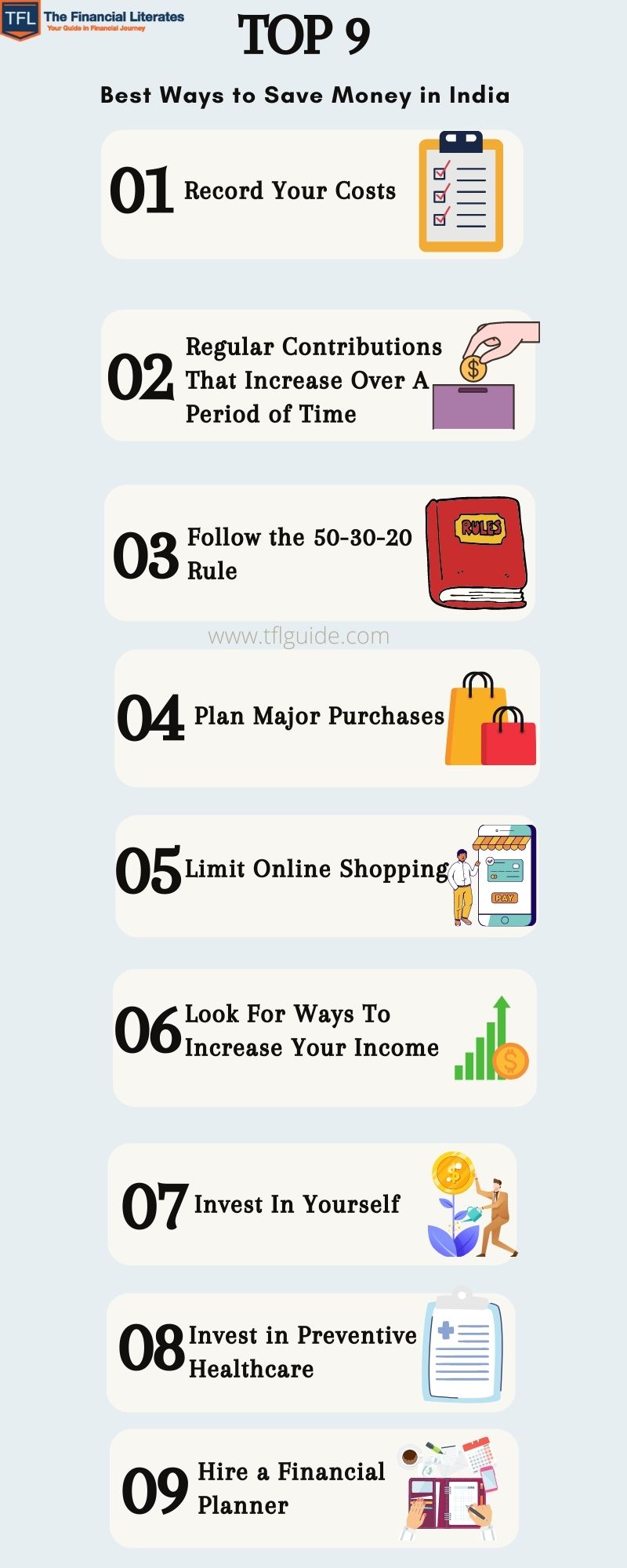
Ultimately, the best way to save money is to invest time in your own financial education. Understanding the principles of compound interest, the impact of inflation, and the basics of tax law allows you to make more informed decisions. The more you know about how money works, the less likely you are to lose it to poor investments, high fees, or unnecessary taxes.
Saving money is a journey of intentionality. It requires a balance of disciplined systems, smart tool selection, and an honest assessment of one’s relationship with consumption. By building a robust budget, automating your contributions, and staying mindful of the psychological traps of modern marketing, you can transform your financial life from one of uncertainty to one of stability and growth. The goal is not merely to accumulate currency, but to buy the peace of mind that comes with knowing you are prepared for whatever the future holds.
aViewFromTheCave is a participant in the Amazon Services LLC Associates Program, an affiliate advertising program designed to provide a means for sites to earn advertising fees by advertising and linking to Amazon.com. Amazon, the Amazon logo, AmazonSupply, and the AmazonSupply logo are trademarks of Amazon.com, Inc. or its affiliates. As an Amazon Associate we earn affiliate commissions from qualifying purchases.