
The transition from traditional paper-based systems to digital financial ecosystems has revolutionized how individuals and businesses interact with their fiscal responsibilities. In the realm of personal finance, few tasks are as significant as the settlement of tax liabilities. Moving away from the era of handwritten checks and certified mail, paying taxes online has become the gold standard for efficiency, security, and financial accuracy. This guide explores the multifaceted landscape of online tax payments, focusing on the tools, strategies, and best practices that define modern financial management.
The Evolution of Tax Payments in the Digital Economy
The shift toward digital tax processing is not merely a matter of convenience; it is a fundamental shift in how we manage liquidity and record-keeping. As the global economy becomes increasingly digitized, the expectation for real-time financial transparency has grown. For the modern taxpayer, online payment systems offer a level of control that was previously unattainable.
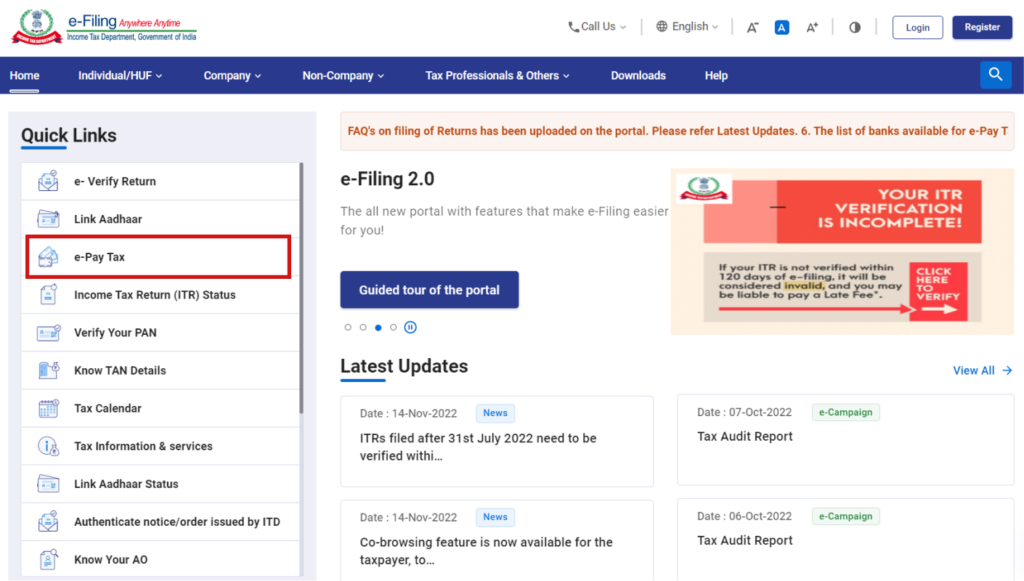
Shifting from Paper to Pixels
Historically, paying taxes involved a high degree of manual intervention. Taxpayers had to calculate their liabilities, write physical checks, and rely on the postal service to deliver those payments by a strict deadline. This process was fraught with potential for error, from lost mail to clerical mistakes in processing. Today, digital portals allow for near-instantaneous transmission of funds. This evolution ensures that the date of payment is recorded the moment the “submit” button is clicked, eliminating the “mailbox rule” anxieties of the past.
Why Electronic Payments are a Win for Personal Finance
From a personal finance perspective, electronic payments offer superior cash flow management. When you pay online, you can schedule payments in advance, ensuring that funds are withdrawn exactly when you intend. This precision allows individuals to keep their money in interest-bearing accounts for as long as possible before the deadline. Furthermore, the immediate receipt of a confirmation number provides a digital audit trail that is far more reliable than a carbon copy of a check.
Primary Online Payment Portals and Platforms
Navigating the various portals available for tax payments is the first step in mastering online financial compliance. Depending on the nature of the tax—whether it is federal income tax, self-employment tax, or state-level obligations—different platforms offer varying features and fee structures.
Direct Pay and the Electronic Federal Tax Payment System (EFTPS)
For federal taxes in the United States, the IRS provides two primary “free” methods for direct transfer from a bank account.
- Direct Pay: This is the most streamlined tool for individuals. It allows for the payment of individual income tax returns (1040), estimated taxes, and other common filings directly from a checking or savings account without the need for prior registration. It is an “on-demand” service that provides immediate confirmation.
- EFTPS: This system is more robust and is often the preferred tool for business owners and high-net-worth individuals. Unlike Direct Pay, EFTPS requires a registration process and the issuance of a PIN. However, it offers a more comprehensive history of payments and the ability to schedule payments up to 365 days in advance. For those managing complex portfolios or quarterly estimated payments, EFTPS is a vital tool for long-term financial planning.
Third-Party Credit and Debit Card Processors
While direct bank transfers are generally free, many taxpayers opt to use credit or debit cards through authorized third-party processors. From a financial strategy standpoint, this is a calculated trade-off. These processors charge a convenience fee (typically ranging from 1.8% to 2.5%).
For a savvy investor or a credit card rewards enthusiast, this fee may be justified if the payment helps meet a “minimum spend” requirement for a high-value sign-up bonus or if the card offers a cashback rate that exceeds the processing fee. However, from a pure cost-saving perspective, ACH transfers remain the superior choice.
State-Level Digital Portals
It is important to remember that tax obligations are rarely limited to the federal level. Most states have developed their own sophisticated “Department of Revenue” portals. These sites mirror federal systems but often include unique features related to local property taxes, state disability insurance, or specific regional credits. Managing these various logins and payment schedules is a critical component of a holistic personal finance strategy.
Strategic Financial Planning for Tax Season

Paying taxes is not just a seasonal chore; it is a year-round financial commitment. Utilizing online tools allows for a more proactive approach to tax liability management, particularly for those with diverse income streams.
Managing Cash Flow for Quarterly Estimated Payments
For freelancers, entrepreneurs, and those with significant investment income, “tax day” happens four times a year. Online payment portals are indispensable for these quarterly obligations. By using digital tools, you can avoid the “lump sum shock” that occurs in April. Strategic taxpayers often set up automated transfers to a dedicated “tax savings” account, then use online portals to remit those funds quarterly. This ensures that the business’s operating capital remains untouched and that the individual remains in good standing with tax authorities, avoiding underpayment penalties.
Leveraging High-Yield Accounts for Tax Reserves
A sophisticated money management tactic involves the use of high-yield savings accounts (HYSA) or short-term money market funds to hold tax reserves. Because online payment portals allow for same-day or next-day processing, a taxpayer can keep their tax reserve in a high-yield account until 24 hours before the deadline. In a high-interest-rate environment, the interest earned on a significant tax liability over the course of a year can be substantial. Digital payment systems make this “just-in-time” financial maneuver possible.
Security and Best Practices for Online Transactions
With the rise of digital finance comes the increased risk of cyber threats. Protecting your financial identity while paying taxes online is paramount. Security in this niche is not just about a strong password; it is about verifying the integrity of the platforms you use.
Identifying Verified Government Portals
The first rule of digital financial security is to ensure you are on a legitimate site. Cybercriminals often use “phishing” sites that mimic the appearance of official government portals. Always look for the .gov suffix in the URL and check for the padlock icon in the browser bar indicating a secure SSL connection. Government agencies will never initiate contact via social media or text message to request a payment; all legitimate digital payments must be initiated by the taxpayer through verified channels.
Protecting Sensitive Financial Data
When paying taxes online, you are often transmitting social security numbers and bank account details. Beyond using secure websites, taxpayers should utilize multi-factor authentication (MFA) whenever it is offered by a portal like EFTPS or a state revenue site. Additionally, performing these transactions on a private, secure Wi-Fi network—rather than public Wi-Fi—is a non-negotiable standard for maintaining financial integrity.
Troubleshooting and Record Keeping in a Paperless System
One of the greatest advantages of paying taxes online is the digital trail it leaves behind. However, the responsibility of maintaining those records still falls on the individual. In the event of an audit or a discrepancy, your digital receipts are your first line of defense.
Confirming Successful Transactions
A common mistake in online finance is assuming a transaction is complete once the “Submit” button is pressed. Always wait for the confirmation page and, more importantly, the confirmation number. Most systems also send an email receipt. It is best practice to save these receipts as PDFs and store them in a secure, encrypted cloud storage folder. Comparing these receipts against your bank statements at the end of the month ensures that the correct amount was debited and that no technical glitches occurred.
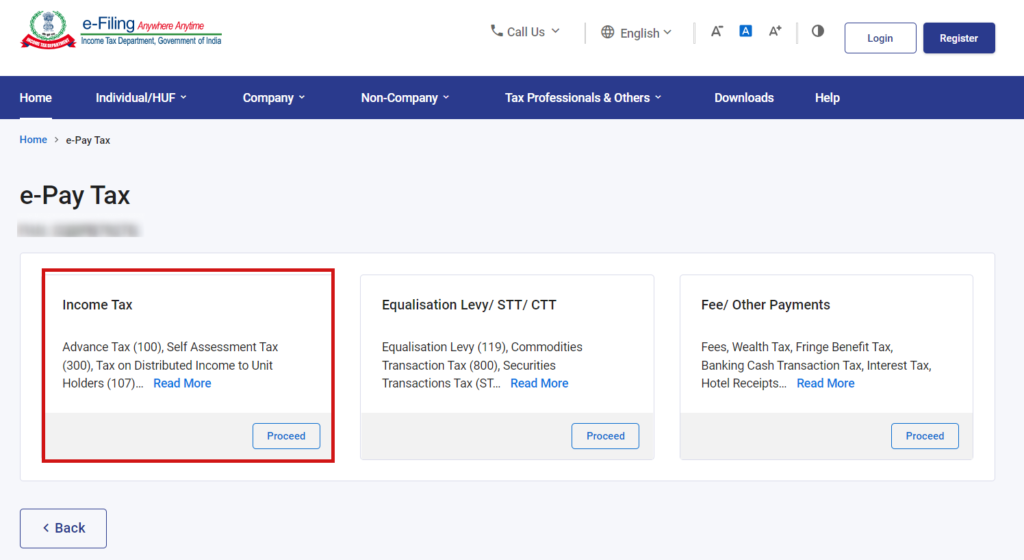
Digital Archiving for Future Audits
The IRS and state agencies generally recommend keeping tax records for at least three to seven years. In a digital-first world, this means maintaining a clean, organized archive of your online payment history. Many financial software tools can integrate with your bank accounts to automatically categorize these payments as “Tax Expenses,” making it easier to pull reports during future filing seasons. By treating online tax payments as data points in a larger financial software ecosystem, you simplify the process of long-term wealth management and compliance.
In conclusion, paying taxes online is far more than a digital convenience—it is a sophisticated tool for modern financial management. By understanding the available platforms, strategically managing cash flow, and maintaining rigorous security and record-keeping standards, taxpayers can transform a mandatory obligation into a streamlined, efficient part of their broader financial life. As the landscape of FinTech continues to evolve, staying informed about these digital tools will remain a cornerstone of personal and professional financial success.
aViewFromTheCave is a participant in the Amazon Services LLC Associates Program, an affiliate advertising program designed to provide a means for sites to earn advertising fees by advertising and linking to Amazon.com. Amazon, the Amazon logo, AmazonSupply, and the AmazonSupply logo are trademarks of Amazon.com, Inc. or its affiliates. As an Amazon Associate we earn affiliate commissions from qualifying purchases.