
Investing is no longer a luxury reserved for the ultra-wealthy; in the modern economic landscape, it has become a necessity for anyone seeking financial security and a comfortable retirement. While the concept of putting your money to work can seem daunting, the core principles of investing are grounded in discipline, patience, and a clear understanding of your own goals. The transition from a “saver” to an “investor” represents a fundamental shift in mindset—moving from the preservation of capital to the strategic deployment of assets to outpace inflation and generate compound growth.

This guide explores the essential components of a successful investment strategy, ranging from fundamental preparations to the selection of specific asset classes and the maintenance of a diversified portfolio.
1. Understanding the Fundamentals: Preparing Your Financial Foundation
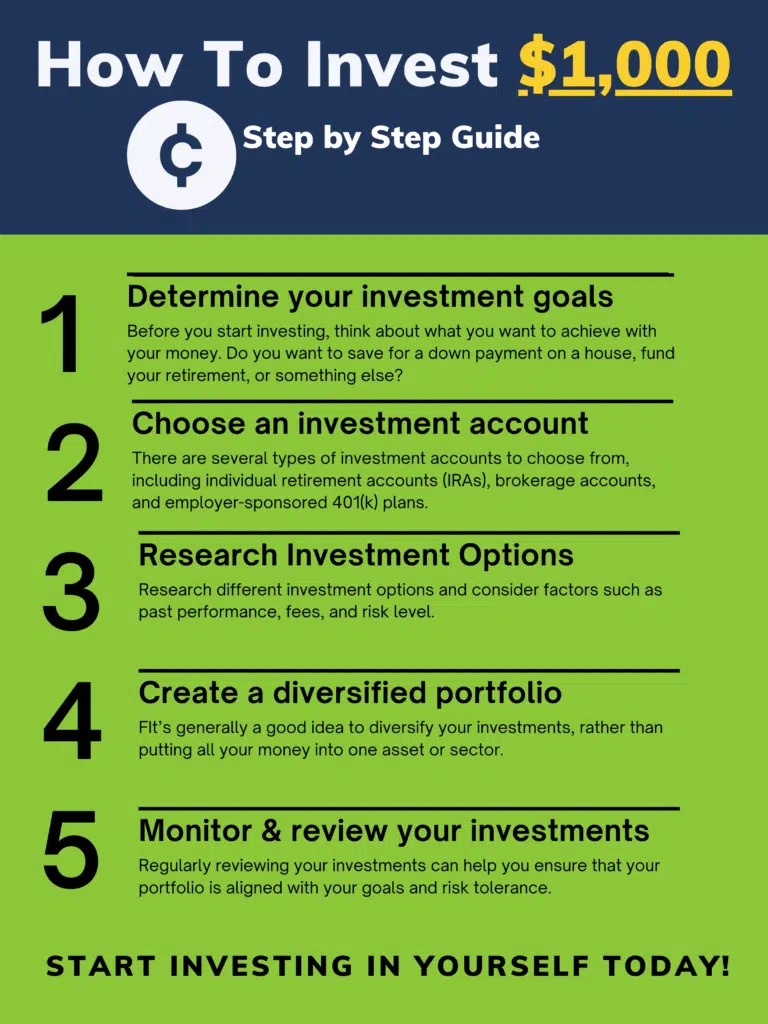
Before deploying a single dollar into the market, it is crucial to establish a stable foundation. Investing involves risk, and the best way to mitigate that risk is to ensure your personal finances are resilient enough to withstand market volatility.
Assessing Your Financial Health
The first step in any investment journey is a rigorous audit of your current financial standing. You must evaluate your debt-to-income ratio and ensure that you are not carrying high-interest consumer debt, such as credit card balances. Investing while paying 20% interest on a credit card is counterproductive, as it is nearly impossible to consistently achieve market returns that exceed those interest costs. Furthermore, establishing an emergency fund—typically three to six months of living expenses—is mandatory. This liquidity ensures that you will never be forced to sell your investments during a market downturn to cover unexpected costs.
Defining Your Risk Tolerance
Risk tolerance is a combination of your financial ability to endure losses and your emotional willingness to see your portfolio value fluctuate. It is influenced by your age, income stability, and “time horizon.” A 25-year-old professional with decades of earning potential ahead of them has a high risk tolerance and can afford to invest aggressively in volatile assets like stocks. Conversely, someone approaching retirement has a shorter time horizon and a lower risk tolerance, requiring a shift toward capital preservation.
Setting Clear Investment Goals
Are you investing for a down payment on a home in five years, or are you building a retirement nest egg for thirty years from now? Your goals dictate your strategy. Short-term goals require higher liquidity and lower risk, while long-term goals allow you to harness the power of compounding. By defining the “why” behind your investments, you can better select the “how.”
2. Core Asset Classes for Every Portfolio
The building blocks of any investment portfolio are asset classes. These are categories of financial instruments that behave differently under various market conditions. A well-rounded investor understands the role each class plays in their overall strategy.
The Stock Market: Equities and Growth
Equities, or stocks, represent ownership in a company. When you buy a share, you are betting on the future profitability and growth of that business. Historically, the stock market has been one of the most effective vehicles for wealth creation, offering higher average returns than bonds or savings accounts over long periods. However, stocks come with higher volatility. Investors can profit through capital appreciation (the stock price going up) and dividends (a portion of the company’s profits paid out to shareholders).
Bonds and Fixed Income: Stability and Interest
Bonds are essentially loans you provide to an entity—such as a government or a corporation—in exchange for regular interest payments and the return of the principal at a later date. They are generally considered safer than stocks and serve as a “cushion” during equity market crashes. While the returns on bonds are typically lower than stocks, they provide a reliable stream of income and help reduce the overall volatility of a portfolio.
Real Estate: Physical Assets and REITs
Real estate offers a tangible way to build wealth. Beyond buying physical property to rent out, investors can access this market through Real Estate Investment Trusts (REITs). These are companies that own or finance income-producing real estate across various sectors. REITs trade on major exchanges like stocks and are required by law to distribute the majority of their taxable income to shareholders as dividends, making them excellent for income-focused investors.
3. Modern Investment Vehicles: Mutual Funds, ETFs, and Index Funds

For the average individual, picking individual stocks can be risky and time-consuming. Modern investment vehicles allow individuals to buy “baskets” of assets, providing instant diversification and professional management.
The Power of Diversification through Mutual Funds
A mutual fund pools money from many investors to purchase a diversified portfolio of stocks, bonds, or other securities. Managed by professional fund managers, these funds aim to outperform a specific benchmark. While they provide diversification, investors should be mindful of “expense ratios”—the annual fees charged by the fund—which can eat into long-term returns.
Why ETFs Are Reshaping the Investment Landscape
Exchange-Traded Funds (ETFs) are similar to mutual funds but trade on an exchange just like individual stocks. They offer several advantages, including lower costs, tax efficiency, and the ability to buy and sell shares throughout the trading day. ETFs can track everything from the broad S&P 500 index to specific sectors like clean energy or cybersecurity, allowing for highly targeted investing.
Index Funds: The Passive Path to Long-Term Wealth
Index funds are a type of mutual fund or ETF designed to mimic the performance of a specific market index. Rather than paying a manager to try and “beat the market,” index funds simply aim to be the market. Because they are passively managed, their fees are significantly lower than actively managed funds. Research consistently shows that over long periods, passive index investing often outperforms the majority of active stock pickers.
4. Advanced and Alternative Investing Strategies
Once the basics are covered, investors can look toward more nuanced strategies and accounts to optimize their tax efficiency and broaden their exposure.
Exploring Retirement Accounts (401(k) and IRAs)
In the United States and many other regions, the government provides tax-advantaged accounts to encourage retirement saving. A 401(k) is an employer-sponsored plan that often includes a “company match”—essentially free money. Individual Retirement Accounts (IRAs) offer further tax benefits, either through tax-deductible contributions (Traditional IRA) or tax-free withdrawals in retirement (Roth IRA). Utilizing these accounts is one of the most effective ways to accelerate wealth building.
Dividend Growth Investing for Passive Income
Dividend growth investing focuses on buying shares of companies that have a long history of not only paying dividends but increasing them annually. This strategy is popular among those seeking passive income. By reinvesting these dividends, investors can benefit from a “snowball effect,” where they own more shares that pay more dividends, which in turn buy even more shares.
The Role of Alternative Assets
For more experienced investors, alternative assets like commodities (gold, silver, oil) or cryptocurrencies can provide further diversification. Gold is often viewed as a hedge against inflation and currency devaluation. Cryptocurrencies, while highly speculative and volatile, represent a new digital asset class that some investors use as “digital gold” or a bet on decentralized finance technology. These should typically represent only a small fraction of a total portfolio.
5. Building and Maintaining Your Strategy for the Long Haul
Investing is not a “set it and forget it” activity, but it also shouldn’t require constant tinkering. Success comes from establishing a system and sticking to it through market highs and lows.
The Importance of Dollar-Cost Averaging
Dollar-cost averaging (DCA) is the practice of investing a fixed amount of money at regular intervals, regardless of the asset’s price. When prices are high, your fixed investment buys fewer shares; when prices are low, it buys more. This strategy removes the emotional component of trying to “time the market” and lowers the average cost of your investments over time.
Rebalancing Your Portfolio Regularly
Over time, some of your investments will grow faster than others, causing your portfolio to drift away from your original target allocation. For example, if your target is 60% stocks and 40% bonds, a bull market might push your stock allocation to 75%. Rebalancing involves selling some of the high-performing assets and buying more of the underperforming ones to return to your target. This forces you to “buy low and sell high” systematically.
Avoiding Common Psychological Traps
The greatest enemy of the investor is often their own psychology. Fear and greed drive market cycles. When the market crashes, the instinct to sell is high, but that is often the worst time to exit. Conversely, when the market is booming, the fear of missing out (FOMO) leads people to buy at the peak. Maintaining a disciplined, long-term perspective and focusing on the fundamentals rather than the daily headlines is the hallmark of a successful investor.
In conclusion, investing your money is a journey of education and consistency. By building a solid financial base, understanding the various asset classes, utilizing low-cost funds, and maintaining a disciplined approach, you can navigate the complexities of the financial world and secure your financial future. Wealth is rarely built overnight, but through the power of compounding and time, it is an achievable goal for anyone willing to start today.
aViewFromTheCave is a participant in the Amazon Services LLC Associates Program, an affiliate advertising program designed to provide a means for sites to earn advertising fees by advertising and linking to Amazon.com. Amazon, the Amazon logo, AmazonSupply, and the AmazonSupply logo are trademarks of Amazon.com, Inc. or its affiliates. As an Amazon Associate we earn affiliate commissions from qualifying purchases.