
The financial landscape has undergone a seismic shift since the inception of Bitcoin in 2009. Once viewed as an experimental digital token for tech enthusiasts, Bitcoin has evolved into a legitimate asset class, often referred to as “digital gold.” For many individual investors, the question is no longer “should I invest in Bitcoin?” but rather “how can I invest in Bitcoin safely and effectively?” Integrating cryptocurrency into a modern financial portfolio requires a blend of technical understanding, strategic planning, and rigorous risk management.
Investing in Bitcoin is significantly different from buying stocks or bonds. It operates on a decentralized network, meaning there is no central bank or government oversight. While this provides a level of freedom and transparency unprecedented in the financial world, it also places the burden of responsibility squarely on the investor. To navigate this space, one must understand the mechanisms of acquisition, the methods of storage, and the overarching strategies that govern successful long-term wealth accumulation.

Understanding the Fundamentals: What is Bitcoin Investing?
Before committing capital, it is essential to understand what Bitcoin represents within a financial context. Unlike traditional fiat currencies, Bitcoin is governed by a fixed supply; only 21 million coins will ever exist. This scarcity is a primary driver of its value proposition as a hedge against inflation. When you invest in Bitcoin, you are essentially purchasing a stake in a global, permissionless ledger that facilitates the transfer of value without intermediaries.
The Concept of Digital Gold
Bitcoin is frequently compared to gold because of its shared properties: it is scarce, durable, divisible, and difficult to produce. However, Bitcoin offers advantages over physical gold in terms of portability and verifiability. From an investment standpoint, Bitcoin serves as a non-correlated asset, meaning its price movements do not always mirror those of the stock market or traditional commodities. This makes it an attractive tool for portfolio diversification, though its high volatility remains a defining characteristic that investors must prepare for.
Assessing Risk Tolerance and Market Cycles
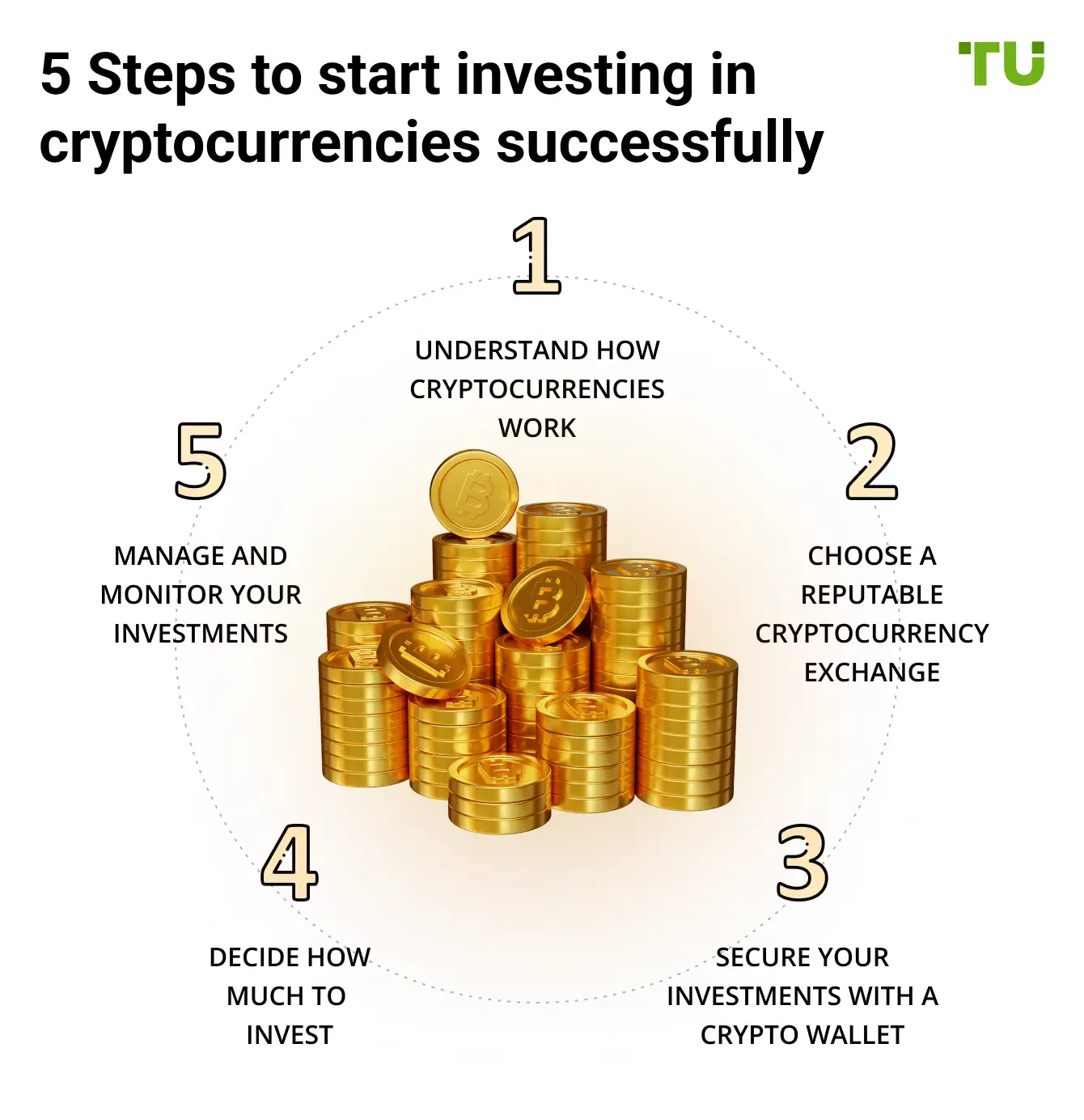
Bitcoin is notorious for its price swings. It is not uncommon for the asset to experience 20% to 50% corrections within a single year. Therefore, the first step in “how” to invest is determining “how much” to invest. Financial advisors often suggest starting with a small percentage of one’s total net worth—typically 1% to 5%—to gain exposure without jeopardizing financial stability. Understanding the four-year “halving” cycle, which reduces the rate at which new Bitcoins are created, is also vital, as these events historically correlate with significant bull runs and subsequent market corrections.
Step-by-Step Guide to Buying Your First Bitcoin
For the modern investor, the barrier to entry for Bitcoin has never been lower. There are now multiple avenues to gain exposure, ranging from direct ownership to regulated financial products.
Choosing a Cryptocurrency Exchange
The most common way to invest is through a cryptocurrency exchange. These platforms act as intermediaries where you can trade your local currency (USD, EUR, etc.) for Bitcoin. When selecting an exchange, prioritize security, liquidity, and fee structures. Major platforms like Coinbase, Kraken, and Binance are popular for their user-friendly interfaces and robust security protocols. It is crucial to ensure the exchange is regulated in your jurisdiction and requires Know Your Customer (KYC) documentation, which protects against fraud and money laundering.
Setting Up a Secure Digital Wallet
While exchanges are convenient for purchasing, they are not always the safest place for long-term storage. The phrase “not your keys, not your coins” is a fundamental mantra in the Bitcoin community. When you leave Bitcoin on an exchange, you do not technically control the private keys that authorize transactions. To truly own your investment, you should move your funds to a private wallet.
-
Hot Wallets: These are software applications on your phone or computer. They are convenient for frequent trading but remain connected to the internet, making them slightly more vulnerable to hacks.
-
Cold Wallets (Hardware Wallets): These are physical devices that store your private keys offline. Brands like Ledger and Trezor are industry standards. Cold storage is widely considered the safest method for protecting significant amounts of Bitcoin.
Executing Your First Trade
Once your account is funded via bank transfer or credit card, you can place an order. There are two primary types of orders:
-
Market Order: You buy Bitcoin immediately at the current market price. This is the simplest method but may result in slightly higher costs due to price fluctuations during the execution.
-
Limit Order: You set a specific price at which you are willing to buy. The trade only executes if the market reaches that price. This offers more control over your entry point and is often used by more experienced investors looking to optimize their cost basis.
Investment Strategies for Long-Term Growth

Successful Bitcoin investing is less about timing the market and more about time in the market. Given its volatility, a disciplined strategy is essential to avoid emotional decision-making.
Dollar-Cost Averaging (DCA)
Dollar-cost averaging is perhaps the most recommended strategy for Bitcoin investors. Instead of investing a large lump sum at once, you invest a fixed amount of money at regular intervals (e.g., $100 every week or month). This approach mitigates the impact of volatility. When the price is high, you buy less; when the price is low, you buy more. Over time, this lowers your average purchase price and removes the stress of trying to “buy the dip” at the perfect moment.
The “HODL” Philosophy
Derived from a misspelling of “hold” in an early Bitcoin forum, HODLing refers to a long-term investment strategy where the investor refuses to sell despite market fluctuations. This philosophy is rooted in the belief that Bitcoin’s long-term trajectory is upward. For those who believe in the fundamental utility of the network, short-term price drops are merely noise. HODLing requires a high level of conviction and the emotional fortitude to ignore the 24/7 news cycle.
Diversification within a Crypto Portfolio
While Bitcoin is the leader of the market, some investors choose to diversify into other digital assets, known as altcoins. However, from a conservative financial perspective, Bitcoin remains the least risky asset within the crypto ecosystem due to its massive network effect and institutional adoption. For a balanced “Money” focused strategy, Bitcoin should ideally form the core of any digital asset allocation, with other assets treated as more speculative “venture-style” bets.
Tax Implications and Financial Security
Investing in Bitcoin carries specific legal and security responsibilities that differ from traditional banking. Ignoring these can lead to significant financial losses or legal complications.
Navigating Capital Gains Taxes
In many jurisdictions, including the United States, Bitcoin is treated as property for tax purposes. This means every time you sell Bitcoin for a profit, or even use it to purchase a good or service, you trigger a taxable event. Short-term capital gains (assets held for less than a year) are typically taxed at your ordinary income rate, while long-term capital gains (held for more than a year) benefit from lower tax rates. It is imperative to keep meticulous records of your purchase dates, prices, and sale dates. Using specialized crypto tax software can help automate this process and ensure compliance with the IRS or your local tax authority.
Protecting Your Private Keys and Recovery Phrases
When you move Bitcoin to a private wallet, you are given a “seed phrase”—a series of 12 to 24 words. This phrase is the master key to your funds. If you lose your hardware wallet, you can use this phrase to recover your Bitcoin. However, if someone else gains access to this phrase, they can steal your funds instantly. Security best practices include writing the phrase on paper (or engraving it in metal) and storing it in a secure, fireproof location like a safe deposit box. Never store your recovery phrase digitally, in a cloud storage service, or as a photo on your phone.
The Future of Bitcoin in a Modern Financial Portfolio
The landscape of Bitcoin investing is maturing rapidly. The introduction of Bitcoin Spot ETFs (Exchange-Traded Funds) in 2024 marked a turning point, allowing investors to gain exposure to Bitcoin through traditional brokerage accounts like Vanguard or Fidelity without needing to manage private keys.
Institutional Adoption and ETFs
The arrival of ETFs has provided a “green light” for institutional investors, pension funds, and wealth managers to allocate capital to Bitcoin. This institutionalization brings greater liquidity and potentially less volatility over time. For the average investor, an ETF offers a convenient, regulated way to include Bitcoin in a retirement account (like an IRA or 401k), providing tax advantages that direct ownership might not offer. However, it also means you are trusting a third-party custodian, which moves away from the “sovereignty” aspect of Bitcoin.
Preparing for the Digital Economy
As global debt levels rise and currencies face inflationary pressures, the role of Bitcoin as a “hard money” alternative becomes increasingly relevant. Investing in Bitcoin is not just a speculative play; for many, it is a strategic move to preserve purchasing power in an increasingly digital and uncertain economic environment. By understanding the mechanics of how to buy, how to store, and how to manage the risks, an investor can position themselves to benefit from the ongoing evolution of the global financial system.
Ultimately, the best way to invest in Bitcoin is through education. Start small, use reputable platforms, secure your assets, and maintain a long-term perspective. As the digital economy grows, Bitcoin continues to solidify its place as a cornerstone of the 21st-century investment portfolio.
aViewFromTheCave is a participant in the Amazon Services LLC Associates Program, an affiliate advertising program designed to provide a means for sites to earn advertising fees by advertising and linking to Amazon.com. Amazon, the Amazon logo, AmazonSupply, and the AmazonSupply logo are trademarks of Amazon.com, Inc. or its affiliates. As an Amazon Associate we earn affiliate commissions from qualifying purchases.