
In the modern financial landscape, your bank account number serves as the foundational identifier for your personal economy. It is the unique numerical sequence that allows institutions to direct funds specifically to your pocket of the global banking system. Whether you are setting up a new direct deposit for a job, configuring an automated bill pay system, or linking your accounts to a digital investment platform, knowing exactly where to find and how to protect this number is essential for seamless financial management.
While it might seem like a simple piece of data, the account number is often confused with other sets of digits, such as routing numbers or debit card numbers. Understanding the nuances of these identifiers is the first step toward greater financial literacy and security.
Understanding the Anatomy of Banking Identifiers
To navigate your personal finances effectively, you must first distinguish between the various numbers associated with your bank account. Many consumers mistakenly provide their 16-digit debit card number when asked for an account number, which can lead to failed transactions and administrative delays.
The Difference Between Account and Routing Numbers
Your bank account number is unique to you. It identifies your specific deposit account within a financial institution. In contrast, a routing transit number (RTN) identifies the financial institution itself. Think of the routing number as the ZIP code that directs a letter to the right post office, while the account number is the specific street address that ensures the letter reaches your front door.
Routing numbers are usually nine digits long and are used primarily for domestic transfers, direct deposits, and check processing within the United States. If you are conducting international business, you may also encounter SWIFT codes or IBANs, which serve similar purposes on a global scale. Knowing which number to provide is crucial; an error in either can result in funds being sent to the wrong institution or trapped in a suspense account.
Why Your Account Number Is a Sensitive Asset
In the realm of personal finance, your account number is a “static” credential. Unlike a password that can be changed or a debit card that can be reissued with a new number if lost, your account number remains the same for the life of that specific account. If this number falls into the wrong hands, it can be used to initiate unauthorized ACH (Automated Clearing House) withdrawals. Consequently, managing access to this number is a fundamental aspect of digital financial security.
Digital Methods: Finding Your Number via Online and Mobile Banking
The most convenient way to access your financial details in the 21-yearst century is through digital platforms. Financial institutions have invested heavily in user interfaces that prioritize both accessibility for the user and security against external threats.
Using Your Bank’s Mobile App
For most users, the banking app is the primary point of contact with their finances. To find your account number here, you typically need to log in using biometric verification (like FaceID or fingerprint scanning) or a secure passcode. Once inside the dashboard:
-
Select the Specific Account: If you have multiple accounts (e.g., checking, savings, money market), tap on the one you need the number for.
-
Look for “Account Details” or “Show Details”: Banks often mask the account number by default, showing only the last four digits for security. Look for a “view” icon or a text link that says “Show full account number.”
-
Authentication: You may be asked to re-enter your password or provide a secondary form of authentication before the full number is revealed.
Navigating the Online Banking Portal
If you are working from a desktop, the online banking portal offers a more comprehensive view of your financial data. After logging into your bank’s secure website, the account number is usually located within the “Account Summary” or “Settings” tab.
Many banks also provide a “Direct Deposit Information” PDF or a “Voided Check” generator within their online tools. These documents are specifically designed to provide your routing and account numbers in a standardized format, reducing the risk of manual entry errors when sharing the details with an employer or a utility company.
E-Statements and Digital Records
Every month, your bank generates a statement of activity. These documents are legal records of your financial standing and contain your full account number. By navigating to the “Statements” or “Documents” section of your online portal, you can download a PDF version of your most recent statement. The account number is typically located at the top right or left corner of the first page. This is often the most reliable method if you need to provide proof of account ownership to a third party, such as a mortgage lender.
Traditional Methods: Physical Documentation and Offline Access
While digital banking is the standard, physical documents remain a vital resource for finding your account information, especially if you are locked out of your online accounts or prefer a tangible reference.
Examining Personal Checks

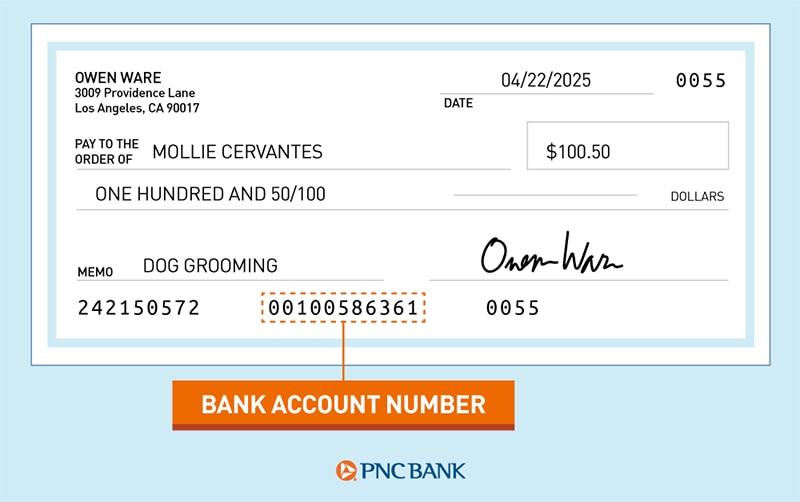
If you still use paper checks, you have your account information right in your hand. Look at the bottom of a check, and you will see a string of numbers printed in a specialized font (known as MICR, or Magnetic Ink Character Recognition). This string typically follows a specific order:
-
The Routing Number: The first nine digits on the left.
-
The Account Number: The middle set of numbers. It can vary in length but is usually between 8 and 12 digits. Note that on some checks, the account number and check number might be swapped in position, but the account number is generally the longer sequence.
-
The Check Number: The shortest set of digits, which matches the number in the top-right corner of the check.
Reviewing Paper Statements and Correspondence
If you have opted out of paperless billing, your monthly statement arrives via mail. Much like the digital version, the paper statement is a comprehensive financial document that lists your account number clearly. Additionally, the original “Welcome Package” or account opening documents you received when you first established the relationship with the bank will contain these details. It is a best practice in personal finance to keep these documents in a fireproof safe or a locked filing cabinet.
Visiting a Local Branch or Contacting Customer Service
If digital and physical records are unavailable, you can always rely on the human element of banking. You can visit a local branch with a valid government-issued photo ID. For security reasons, bank tellers cannot give out account numbers over the phone or via email without rigorous identity verification.
When calling a customer service line, be prepared to answer several security questions, which may include your Social Security number, recent transaction amounts, or specific personal details. Once your identity is confirmed, the representative can provide the number or send it to your registered address via secure mail.
Best Practices for Keeping Your Banking Information Secure
In an era of increasing financial fraud and identity theft, protecting your bank account number is just as important as knowing how to find it. Professional financial management requires a proactive stance on data security.
Safeguarding Digital Credentials
Your account number is protected by layers of security, but the weakest link is often the user’s credentials. Ensure that you are using multi-factor authentication (MFA) on all financial accounts. This ensures that even if a bad actor discovers your account number and password, they cannot access your funds without a secondary code sent to your mobile device or generated by an authenticator app.
Furthermore, avoid accessing your bank account over public Wi-Fi networks, such as those found in coffee shops or airports. If you must check your account while on the go, use a Virtual Private Network (VPN) or your mobile data to encrypt your connection.
Identifying and Avoiding Phishing Scams
One of the most common ways people lose control of their financial information is through phishing. This occurs when a scammer sends an email or text message pretending to be your bank, claiming there is an “issue” with your account and asking you to “verify” your account number.
Legitimate financial institutions will never ask you to provide your full account number or password via an unsolicited email or text. If you receive such a request, do not click any links. Instead, go directly to the bank’s official website or use their verified app to check for alerts.
Integrating Your Account Number into Your Financial Ecosystem
Once you have successfully located your account number, the next step is utilizing it to optimize your financial life. Efficient movement of capital is the hallmark of sophisticated personal finance.
Setting Up Direct Deposits and Automated Payments
The most common use for your account number is the setup of direct deposits. By providing this number to your employer’s payroll department, your earnings are deposited directly into your account, often becoming available sooner than a physical check would.
Similarly, use your account number to set up ACH transfers for recurring bills like rent, mortgages, or insurance. Many service providers offer a small discount for choosing ACH payments over credit card payments because they avoid the processing fees associated with credit networks. From a wealth-building perspective, these small savings, compounded over time, contribute to your overall financial health.

Verifying External Account Transfers
When you link your bank account to an external tool—such as a brokerage account for investing or a high-yield savings account at a different institution—you will enter your routing and account numbers. To verify the link, the institution will often send “micro-deposits” (usually two deposits of less than $1.00) to your account.
You will need to monitor your transactions, find these exact amounts, and enter them into the external platform to prove you have ownership of the account. This process is a standard safety measure in the financial industry, ensuring that capital remains within your controlled ecosystem.
By mastering the simple task of locating and managing your bank account number, you take control of the gateway to your financial future. Whether through a high-tech app or a traditional paper check, this number is the key to executing the transactions that build stability and growth. Respect its sensitivity, use it with precision, and integrate it into a broader strategy of organized, secure financial management.
aViewFromTheCave is a participant in the Amazon Services LLC Associates Program, an affiliate advertising program designed to provide a means for sites to earn advertising fees by advertising and linking to Amazon.com. Amazon, the Amazon logo, AmazonSupply, and the AmazonSupply logo are trademarks of Amazon.com, Inc. or its affiliates. As an Amazon Associate we earn affiliate commissions from qualifying purchases.